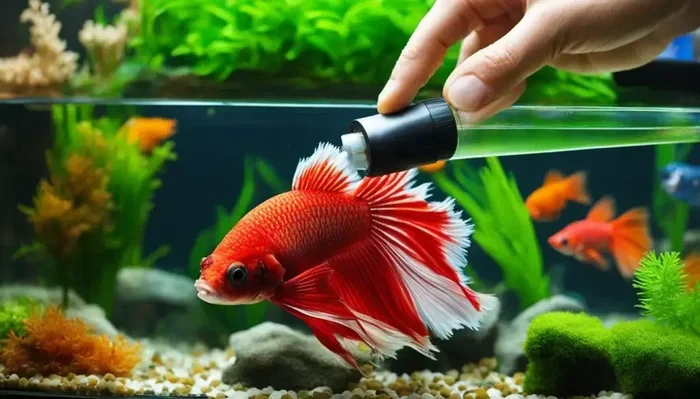
Are Fish Pellets Better Than Flakes

Fish pellets often win over flakes for betta nutrition, water quality, and feeding control. Learn how pellets compare, when to use each, and practical tips to keep your betta thriving.
Key Takeaways
- Nutrition balance: Pellets usually provide a more complete protein‑rich diet than flakes.
- Water quality: Pellets dissolve slower, reducing cloudiness and ammonia spikes.
- Feeding control: Pellets are easier to portion, preventing over‑feeding.
- Species suitability: Bettas, being surface feeders, benefit from sinking or floating pellets that match their natural behavior.
- Cost & convenience: Pellets often last longer and are less messy than flakes.
- Variety matters: High‑quality pellets with added vitamins, minerals, and occasional live foods give the best results.
- Transition tips: Gradual mixing of pellets with flakes helps your betta adjust without stress.
📑 Table of Contents
- Introduction: Why the Debate Matters
- 1. Nutritional Foundations: What Your Betta Really Needs
- 2. Water Quality: The Hidden Cost of Food
- 3. Feeding Behavior: Matching Food to a Surface Feeder
- 4. Cost, Convenience, and Shelf Life
- 5. Enhancing the Diet: Adding Variety and Live Foods
- 6. Making the Switch: Transition Strategies
- Conclusion: The Verdict on Are Fish Pellets Better Than Flakes?
Introduction: Why the Debate Matters
If you’ve ever stood in the pet store aisle, staring at rows of colorful flakes and compact pellets, you’ve probably wondered which is the right choice for your betta. The answer isn’t always simple. Bettas are unique—aggressive, labyrinth‑breathing, and naturally surface‑feeding. Their diet needs to be high in protein, low in filler, and easy to digest.
In this article we’ll answer the question are fish pellets better than flakes by looking at nutrition, water quality, feeding behavior, and practical everyday concerns. By the end you’ll know exactly how to feed your betta for a vibrant, healthy life.
1. Nutritional Foundations: What Your Betta Really Needs
Protein is king
Bettas are carnivores. In the wild they hunt insects and larvae at the water’s surface. A diet that’s at least 30‑40% protein supports muscle growth, fin health, and brilliant coloration.
Why pellets often win
Pellets are pressed from high‑quality fish meal, shrimp meal, and krill. These ingredients deliver concentrated protein without the extra carbs found in many flakes. Many premium pellets also include added vitamins A, D, and E, plus essential fatty acids that promote a glossy sheen.
Flakes can still be good
Flakes are convenient and often fortified with plant proteins, spirulina, and pigments. However, they can contain more filler (wheat, soy) which bettas may find harder to digest.
Practical tip
Look for pellets that list “fish meal” or “shrimp meal” as the first ingredient and have a protein content of 30% or higher.
2. Water Quality: The Hidden Cost of Food
How food affects the tank
Every bite that isn’t eaten sinks to the bottom, decomposes, and releases ammonia. Flakes, being fine and powdery, dissolve quickly and can cloud the water, especially in small betta bowls.
Pellets dissolve slower
Because pellets are denser, they stay intact longer. This means less immediate waste and a slower release of nutrients, which helps maintain stable water parameters.
Testing your water
Regularly test ammonia, nitrite, and nitrate. If you notice spikes after feeding, consider switching to pellets or reducing the portion size.
Practical tip
Feed only what your betta can consume in 2‑3 minutes. Remove any uneaten food with a small net to keep the water clear.
3. Feeding Behavior: Matching Food to a Surface Feeder
Bettas love to strike at the surface
In the wild, bettas dart up to snatch insects. Floating pellets mimic this behavior, while sinking pellets can be used for variety or for community tanks.
Flakes float, but they can disperse
Flakes often break apart, drifting to the sides and making it harder for a betta to gather the entire portion.
Pellet size matters
Choose pellets that are about the size of a pea for adult bettas. Too large and they’ll struggle; too small and they may be swallowed whole without proper chewing.
Practical tip
Start the day with a small handful of floating pellets. Observe your betta’s response and adjust the amount accordingly.
4. Cost, Convenience, and Shelf Life
Pellets last longer
Because they are compact, pellets stay fresh for months if stored in an airtight container. Flakes can become stale and lose nutrients faster, especially in humid environments.
Mess factor
Flakes can create a powdery dust that settles on the tank lid and décor. Pellets are less messy, making clean‑up easier.
Budget considerations
While premium pellets may cost a bit more per pound, you often need less of them. The reduced waste also means fewer water changes and lower long‑term expenses.
Practical tip
Buy pellets in bulk during sales and store them in a zip‑lock bag with a silica packet to keep moisture out.
5. Enhancing the Diet: Adding Variety and Live Foods
Why variety matters
Even the best pellet or flake diet can become monotonous. Bettas benefit from occasional treats like bloodworms, daphnia, or brine shrimp.
Balancing with pellets
Use pellets as the staple, then supplement 1‑2 times per week with a small amount of live or frozen food. This mimics natural hunting and provides essential fatty acids.
Link to related topic
For more on supplementing your betta’s diet, read our guide on what are betta fish and their natural feeding habits.
Practical tip
Thaw frozen foods in a cup of tank water for 5 minutes, then rinse and offer a pea‑sized portion.
6. Making the Switch: Transition Strategies
Gradual mixing
Start by mixing a small amount of pellets into the existing flake portion. Over a week, increase the pellet ratio while decreasing flakes.
Watch for signs
If your betta shows reduced appetite, check water quality and ensure the pellets are the right size and buoyancy.
When to stay with flakes
Some bettas with very delicate mouths may prefer finely crushed flakes. In such cases, choose high‑quality, low‑filler flakes and supplement with soft live foods.
Practical tip
Keep a log of feeding amounts and water parameters for two weeks after the switch. Adjust as needed.
Conclusion: The Verdict on Are Fish Pellets Better Than Flakes?
Overall, fish pellets are generally better than flakes for most betta owners. They provide superior protein, better water quality, easier portion control, and longer shelf life. However, the “best” choice still depends on your specific betta’s preferences, tank size, and your willingness to supplement with live foods.
By understanding the nutritional needs, observing your fish’s behavior, and maintaining clean water, you can confidently decide whether to stick with pellets, keep flakes, or use a combination of both. Your betta’s vibrant colors and lively fins will thank you!
Frequently Asked Questions
Are fish pellets more nutritious than flakes for bettas?
Yes, pellets typically contain higher protein levels and fewer fillers, offering a more complete diet for carnivorous bettas.
Can I feed my betta both pellets and flakes?
Absolutely. Many owners use pellets as the staple and offer flakes or frozen foods as occasional treats.
Do pellets affect water quality less than flakes?
Pellets dissolve slower, producing less immediate waste and helping to keep the water clearer and ammonia lower.
How often should I change the water after feeding pellets?
Regular weekly water changes are sufficient if you remove uneaten food promptly; no extra changes are needed solely because of pellets.
What size of pellet is best for an adult betta?
Choose pellets about the size of a pea—large enough to be seen but small enough to swallow comfortably.
Is it okay to use sinking pellets in a betta tank?
Yes, but floating pellets better mimic a betta’s natural surface‑feeding habit; sinking pellets can be used for variety or in community setups.