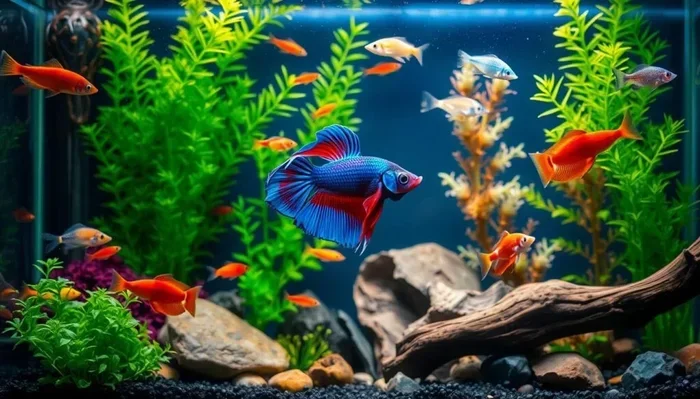
Are Bettas Topical Fish

Betta fish are not topical fish; they are tropical freshwater species that thrive in warm, calm waters. This article explains their natural environment, why they need heated tanks, and how to keep them happy and healthy.
Key Takeaways
- Betta habitat: Bettas originate from warm, shallow waters of Southeast Asia, not topical environments.
- Temperature matters: Maintaining 76‑82°F (24‑28°C) is essential for betta health.
- Freshwater specialists: Bettas are freshwater fish; they cannot live in saltwater or brackish tanks.
- Tank size & setup: A 5‑gal heated aquarium with gentle filtration mimics their natural home.
- Compatibility: Choose peaceful, non‑fin‑nipping tank mates if you want a community tank.
- Care simplicity: Bettas are easy to care for when their basic needs are met.
- Common myths: “Topical” is a misspelling of “tropical”; bettas are not surface‑dwelling “topical” fish.
📑 Table of Contents
- Introduction: Setting the Record Straight
- What Does “Topical” Even Mean?
- Natural Habitat of Betta Fish
- Are Bettas Tropical Fish?
- Are Bettas Freshwater Fish?
- Setting Up the Perfect Betta Tank
- Feeding Your Betta: What’s on the Menu?
- Community Tanks: Can Bettas Live With Other Fish?
- Health Indicators: Is Your Betta Doing Well?
- Common Myths About Bettas
- Why Proper Terminology Matters for Care
- Conclusion: Embrace the Truth and Keep Your Betta Happy
Introduction: Setting the Record Straight
If you’ve ever typed “are bettas topical fish” into a search engine, you probably saw the same typo‑filled results over and over. The word “topical” is a common misspelling of “tropical,” and it can lead to confusion about the true nature of these dazzling creatures.
Let’s clear things up together, as if we were chatting over a cup of coffee. Betta fish, also called Siamese fighting fish, are tropical freshwater species that come from warm, slow‑moving waters in Southeast Asia. They love warm water, calm currents, and a bit of hiding space. Understanding their natural home helps you recreate it at home, keeping your betta vibrant and stress‑free.
What Does “Topical” Even Mean?
The typo that started the myth
The term “topical” usually describes something related to the skin or a current topic. It has nothing to do with fish habitats. When people ask “are bettas topical fish?” they almost always mean “are bettas tropical fish?” This simple typo has sparked a whole series of misunderstandings.
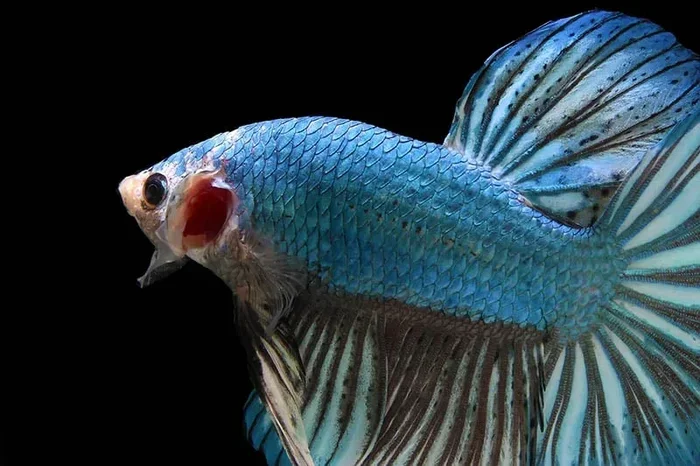
Visual guide about Are Bettas Topical Fish
Image source: note.econte.co.jp
Why the confusion matters
Getting the right term matters because it shapes how you set up a tank. If you think bettas are “topical,” you might ignore the temperature and water quality needs that are critical for tropical fish. That can lead to sick fish, faded colors, and a lot of frustration.
Natural Habitat of Betta Fish
Geographic roots
Betta fish are native to the shallow rice paddies, floodplains, and slow‑moving streams of Thailand, Laos, Cambodia, and Vietnam. These waters are warm year‑round, often ranging from 75°F to 85°F (24°C‑29°C).

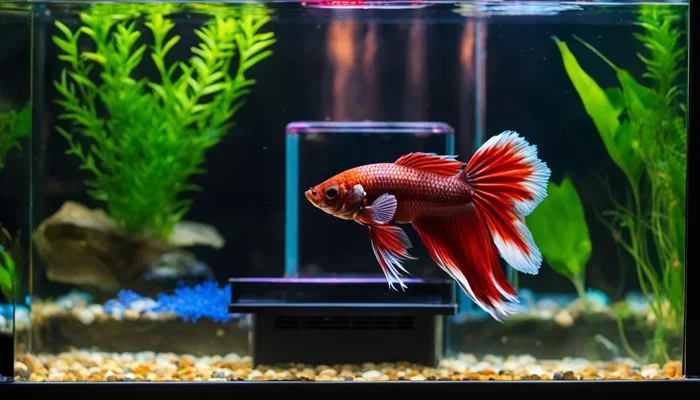
Visual guide about Are Bettas Topical Fish
Image source: shikhar.com
Water conditions
- Temperature: Consistently warm, rarely dropping below 75°F.
- pH: Slightly acidic to neutral, typically 6.0‑7.5.
- Hardness: Soft to moderately hard water.
- Flow: Gentle or still water, with plenty of plants and hiding spots.
Why these conditions matter
In the wild, bettas use their labyrinth organ to breathe air from the surface, allowing them to survive in oxygen‑poor waters. However, they still need warm, stable temperatures to keep their metabolism humming. Replicating these conditions in your home tank is the cornerstone of proper betta care.
Are Bettas Tropical Fish?
The short answer
Yes—betta fish are tropical fish. They belong to the family Osphronemidae, a group of tropical freshwater fishes that thrive in warm climates.
Visual guide about Are Bettas Topical Fish
Image source: cloudsign.jp
What “tropical” really means for bettas
Being tropical means they require:
- Heated water (76‑82°F/24‑28°C).
- Stable temperature with minimal fluctuations.
- Warm, humid ambient conditions.
Common misconceptions
Many beginners think that because bettas can survive in small bowls, they don’t need a heater. In reality, a bowl left at room temperature will quickly drop below the safe range, stressing the fish and shortening its lifespan.
Are Bettas Freshwater Fish?
Freshwater, not saltwater
Betta fish are strictly freshwater. They cannot tolerate any significant amount of salt or brackish water. Their kidneys are adapted to excrete excess water, a trait typical of freshwater species.
Link to related info
Read more about their freshwater nature in our guide on are betta fish freshwater fish. Understanding this helps you avoid costly mistakes like adding marine salt mixes.
Setting Up the Perfect Betta Tank
Tank size matters
While bettas are often sold in tiny containers, a 5‑gallon (19‑liter) tank is the sweet spot. It gives enough water volume to maintain stable parameters and room for decorations.
Heating and filtration
- Heater: Use a reliable submersible heater rated for 5‑gallon tanks. Set it to 78°F (25.5°C) and check weekly.
- Filter: A gentle sponge filter works well. It provides biological filtration without creating strong currents that stress bettas.
Decor and plants
Live plants like Java fern, Anubias, and marimo moss balls improve water quality and give your betta places to rest. Adding smooth rocks or driftwood creates natural hiding spots.
Lighting
Provide 8‑10 hours of low‑to‑moderate light daily. Too much bright light can stress bettas and encourage algae growth.
Feeding Your Betta: What’s on the Menu?
Quality over quantity
Betta fish are carnivores. Offer high‑protein pellets or frozen foods like bloodworms, brine shrimp, and daphnia. Feed 2‑3 small meals per day, only what they can eat in 2 minutes.
Avoid common pitfalls
- Don’t overfeed; excess waste spikes ammonia.
- Avoid cheap fillers that lack essential amino acids.
- Never feed live foods exclusively; rotate to ensure balanced nutrition.
Community Tanks: Can Bettas Live With Other Fish?
Compatibility basics
Betta fish can coexist with peaceful, non‑fin‑nipping species if the tank is large enough (at least 10 gallons) and has plenty of hiding spots. Avoid bright, long‑finned fish that might trigger aggression.
Recommended tank mates
Check out our detailed list in what fish can you keep with bettas. Good companions include:
- Neon tetras (in a school of 6+).
- Corydoras catfish.
- Harlequin rasboras.
- Small, peaceful shrimp like cherry shrimp.
Male vs. female bettas
Male bettas are notoriously territorial and should never share a tank with another male. Female bettas can be kept together in a sorority, but you need a larger tank and careful monitoring. For more on this, read can female bettas live with other fish.
Health Indicators: Is Your Betta Doing Well?
Physical signs of a happy betta
- Vibrant colors and fully extended fins.
- Active swimming and occasional surface breathing.
- Steady appetite.
Warning signs
Look out for faded colors, torn fins, clamped gills, or white spots. These could indicate poor water quality, disease, or stress from incorrect temperature.
Common Myths About Bettas
Myth 1: Bettas can live forever in tiny bowls.
False. Without proper heating and filtration, a betta’s lifespan drops to 6‑12 months.
Myth 2: Bettas are aggressive to all fish.
Only males are highly territorial. With careful selection, community tanks are possible.
Myth 3: “Topical” means they live on the water’s surface.
Again, a typo. Bettas are bottom‑ and mid‑level swimmers that often rest near plants or decorations.
Why Proper Terminology Matters for Care
Using the correct term—“tropical”—helps you remember the most critical care factor: temperature. It also guides you to reliable resources, such as the article on are betta fish easy to care for, which emphasizes stable, warm water as the foundation of easy betta keeping.
Conclusion: Embrace the Truth and Keep Your Betta Happy
Betta fish are beautiful, tropical freshwater companions that thrive when their natural conditions are respected. By understanding that they are not “topical” but truly tropical, you’ll provide the right heat, water quality, and environment they need. Whether you keep a single gentleman in a 5‑gallon tank or experiment with a peaceful community, the key is consistency, proper temperature, and a bit of love.
Now that you know the facts, go ahead and set up that perfect warm, calm home for your betta. Your fish will thank you with dazzling colors and graceful fins for many happy years.
Frequently Asked Questions
Are bettas considered tropical fish?
Yes, bettas are tropical freshwater fish that require warm water temperatures between 76‑82°F (24‑28°C) to stay healthy.
Can bettas live in unheated bowls?
No. Without a heater, room temperature can drop below the safe range, leading to stress, disease, and a shortened lifespan.
Do bettas need a filter?
While bettas can survive in still water, a gentle filter helps maintain water quality and reduces the need for frequent water changes.
What tank mates are safe for bettas?
Peaceful, non‑fin‑nipping fish such as neon tetras, Corydoras catfish, and small rasboras can share a community tank with a betta if the tank is large enough.
How often should I feed my betta?
Feed 2‑3 small meals per day, only what your betta can eat in about two minutes. Rotate between high‑quality pellets and occasional frozen foods.
What are signs of a sick betta?
Faded colors, torn or clamped fins, white spots, loss of appetite, or erratic swimming are all warning signs that your betta may be ill.