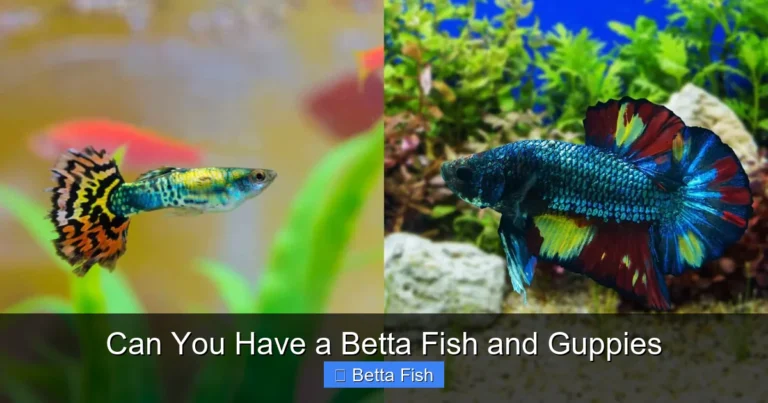
Are Bettas Prone to More Disease Than Other Fish

Betta fish are not inherently more disease‑prone than other aquarium species, but their unique needs can make problems appear faster. Good water quality, proper diet, and stress‑free housing are the three biggest defenses against illness.
Key Takeaways
- Genetics vs. environment: Bettas have the same disease potential as other fish; poor conditions raise risk.
- Water quality matters most: Ammonia, nitrite, and pH swings are the leading causes of betta illness.
- Stress triggers disease: Overcrowding, aggressive tank mates, and sudden changes weaken immunity.
- Common betta ailments: Fin rot, velvet, ich, and swim‑bladder issues are frequent but treatable.
- Preventive care is key: Regular water changes, a balanced diet, and quarantine of new fish keep problems at bay.
- Early detection saves lives: Spotting subtle signs like faded color or altered swimming can prevent a full‑blown outbreak.
- Proper tank setup: A 5‑gallon minimum, gentle filtration, and live plants create a stable home for bettas.
📑 Table of Contents
- Introduction: The Myth of the Sick Betta
- 1. Understanding Betta Biology and Immunity
- 2. Common Diseases in Bettas and How They Compare
- 3. Why Bettas Appear More Susceptible
- 4. Preventive Measures: Building a Healthy Habitat
- 5. Treating Common Betta Illnesses
- 6. Frequently Overlooked Factors
- Conclusion: Bettas Are Not Inherently Sicker—Your Care Determines Their Health
Introduction: The Myth of the Sick Betta
When you first see a betta fish flaunting its bright fins, it’s easy to think those colors mean the fish is tough and disease‑free. In reality, bettas are just as vulnerable as any other tropical fish. The difference is that their small size and delicate gill structure make problems show up quickly, so owners often assume they get sick more often.
This article breaks down the science behind betta health, compares common diseases to those seen in other species, and gives you practical steps to keep your betta thriving. By the end, you’ll know whether bettas truly are “sicker” and how to give them the best chance at a long, vibrant life.
1. Understanding Betta Biology and Immunity
1.1 Natural habitat and adaptations
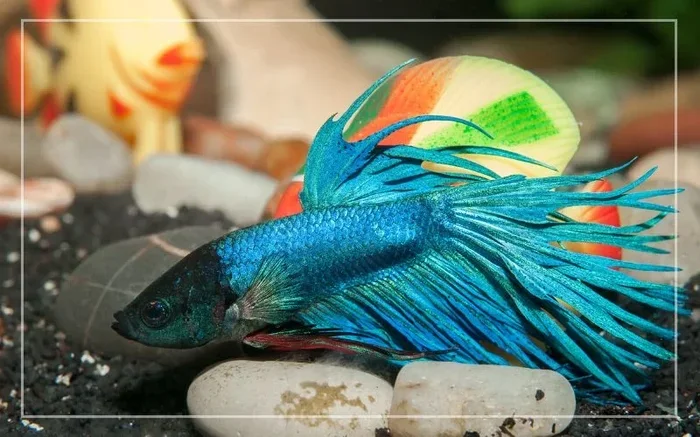
Betta splendens originate from shallow, warm rice paddies and slow‑moving streams in Southeast Asia. Those environments are low‑oxygen, which is why bettas evolved a labyrinth organ—a breathing apparatus that lets them gulp air from the surface. This adaptation is fantastic for small home tanks but also means they are sensitive to water‑borne pathogens that thrive in stagnant water.

Visual guide about Are Bettas Prone to More Disease Than Other Fish
Image source: creativefabrica.com
1.2 Immune system basics
Like other fish, bettas rely on innate immunity (skin mucus, white blood cells) and adaptive immunity (antibodies). Their mucus layer is the first line of defense; any rise in ammonia or nitrite damages it, opening the door for bacteria and parasites. In short, a healthy environment supports a strong immune response.
1.3 Genetics vs. environment
Studies on ornamental fish show that genetics set a baseline susceptibility, but environment determines the outcome. Bettas do not have a genetic predisposition to more disease than, say, guppies or tetras. Instead, many owners unintentionally create stressful conditions that tip the balance toward illness.
2. Common Diseases in Bettas and How They Compare
2.1 Fin rot
Fin rot is a bacterial infection that eats away at the delicate fin rays. It appears as a ragged edge, often white or yellowish. While any fish can get fin rot, bettas are quick to show the signs because their fins are long and flowy, giving bacteria more surface area.

Visual guide about Are Bettas Prone to More Disease Than Other Fish
Image source: noikiiki.info
2.2 Velvet (Oodinium)
Velvet looks like a fine gold dust covering the body and can cause rapid breathing. It spreads quickly in warm, poorly filtered water. Bettas are not uniquely prone, but their preference for higher temperatures (78‑82°F) creates an ideal breeding ground for this parasite.
2.3 Ich (White Spot Disease)
Ich presents as tiny white dots on the body and fins. It is one of the most common fish diseases across all species. Bettas often experience a more severe reaction because stress lowers their immunity, not because they are inherently more vulnerable.
2.4 Swim‑bladder disease
Swim‑bladder issues cause a betta to float upside down or sink to the bottom. Overfeeding, constipation, or bacterial infection are typical causes. This problem is especially common in bettas due to their tendency to gulp air at the surface, which can disturb the swim bladder if the water quality is poor.
2.5 Dropsy
Dropsy is a symptom of internal infection, usually bacterial, that leads to a swollen abdomen and raised scales. It can affect any fish, but the bright coloration of bettas makes the swelling more noticeable.
2.6 Comparison chart
- Fin rot: Same prevalence as tetras; appears faster in bettas because of long fins.
- Velvet: Slightly higher risk in bettas due to warmer water preference.
- Ich: Equal risk across species; stress makes bettas seem more affected.
- Swim‑bladder: More common in bettas because of surface‑air breathing.
- Dropsy: Rare, but once present, bettas show dramatic visual signs.
3. Why Bettas Appear More Susceptible
3.1 Water quality pitfalls
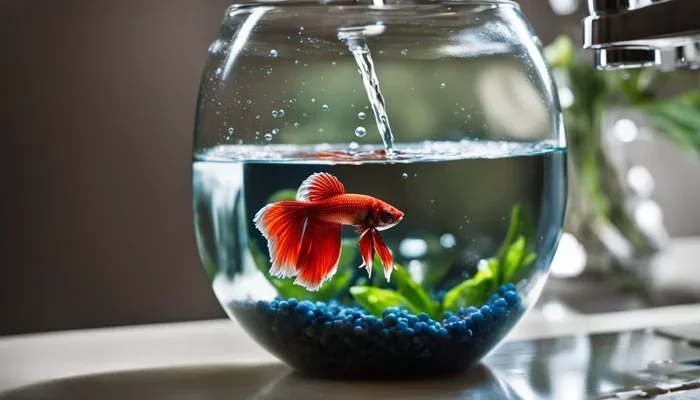
Many beginners keep bettas in tiny bowls or unfiltered containers. These setups quickly accumulate ammonia, nitrite, and dissolved organics. Because bettas breathe surface air, they often stay near the water line where waste settles, increasing exposure.
Visual guide about Are Bettas Prone to More Disease Than Other Fish
Image source: carepatron.com
3.2 Stress factors
Stress weakens the immune system. Common stressors for bettas include:
- Overcrowding or aggressive tank mates.
- Frequent temperature fluctuations.
- Improper lighting cycles.
- Handling and sudden changes in décor.
When you read articles like Are Betta Fish Easy To Care For, you’ll see that “easy” often means “easy to keep unhealthy if you skip the basics.”
3.3 Dietary issues
Bettas are carnivorous and need high‑protein foods. Overfeeding or feeding low‑quality flakes can cause constipation, leading to swim‑bladder problems and a weakened gut barrier where bacteria can enter.
4. Preventive Measures: Building a Healthy Habitat
4.1 Tank size and filtration
The minimum recommended tank for a single betta is 5 gallons. Bigger tanks dilute waste, keep temperature stable, and give you space for gentle filtration. A sponge filter provides bio‑filtration without creating strong currents that stress bettas.
4.2 Water parameters
- Temperature: 78‑82°F (26‑28°C)
- pH: 6.5‑7.5
- Ammonia & nitrite: 0 ppm
- Nitrate: <10 ppm ideal
Test the water weekly with a reliable test kit. Perform 25‑30% water changes every week to keep parameters stable.
4.3 Choosing the right décor
Live plants such as Java fern or Anubias provide natural filtration and hiding spots, reducing stress. Avoid sharp ornaments that can tear fins and become infection entry points.
4.4 Feeding regimen
Offer high‑quality betta pellets or frozen brine shrimp twice a day, only as much as the fish can eat in two minutes. Occasionally add a gut‑loading treat like bloodworms for variety.
4.5 Quarantine new arrivals
Any new fish, snail, or plant should spend at least two weeks in a separate quarantine tank. This prevents the introduction of parasites like velvet or ich.
4.6 Routine health checks
Spend a few minutes each day watching your betta. Look for:
- Faded or torn fins.
- Rapid gill movement (sign of poor water).
- Changes in appetite.
- Abnormal swimming (floating, sinking, circling).
Early detection lets you treat problems before they spread.
5. Treating Common Betta Illnesses
5.1 Fin rot treatment
Trim dead fin tissue with sterilized scissors. Add a mild antibacterial medication (e.g., Maracyn) to the water at the recommended dose for 5‑7 days. Increase water changes to 50% during treatment.
5.2 Velvet and ich remedies
Both parasites respond to copper‑based treatments or formalin. Raise the temperature to 82°F for ich to speed up the life cycle, then treat with a certified anti‑ich medication. Always follow dosage instructions to avoid toxicity.
5.3 Swim‑bladder support
Fast a pea (blanched and shelled) to relieve constipation. If the problem persists, adjust feeding frequency and consider a probiotic supplement. For bacterial infection, a broad‑spectrum antibiotic may be needed under vet guidance.
5.4 Dropsy care
Dropsy is serious. Isolate the fish in a hospital tank, raise the temperature to 82°F, and use an antibiotic like kanamycin. Provide Epsom salt (1 tsp per gallon) to reduce swelling. Success rates are low; prevention is the best strategy.
5.5 When to seek professional help
If symptoms do not improve after 5‑7 days of proper treatment, consult an aquatic veterinarian. They can perform lab tests to identify hidden pathogens.
6. Frequently Overlooked Factors
6.1 Light cycles
Bettas need 10‑12 hours of light per day. Too much light encourages algae growth, which can affect water quality. Use a timer to keep the cycle consistent.
6.2 Compatibility with other fish
While bettas can coexist with peaceful, non‑fin‑nipping species, aggressive or fast‑moving fish can stress them. For ideas on suitable tank mates, read What Other Fish Can Bettas Live With and Can You Keep Other Fish With Bettas.
6.3 Seasonal changes
In colder months, room temperature may drop, causing a sudden temperature dip in the tank. Use a reliable heater with an automatic shut‑off to maintain stability.
6.4 Water source
Tap water often contains chlorine or chloramine, which are toxic to fish. Always treat tap water with a water conditioner before adding it to the tank.
Conclusion: Bettas Are Not Inherently Sicker—Your Care Determines Their Health
Betta fish have the same disease potential as any other tropical fish. Their reputation for being “sickly” stems from common beginner mistakes: tiny bowls, irregular water changes, and stressful tank mates. By providing a properly sized, filtered tank, monitoring water parameters, feeding a balanced diet, and reducing stress, you give your betta the same odds of staying healthy as you would a zebra danio or a guppy.
Remember, early observation and swift treatment are your best tools. With the right setup and a watchful eye, your betta can live a vibrant, disease‑free life for three to five years—or even longer.
Frequently Asked Questions
Do bettas get sick more often than other fish?
No. Bettas are not genetically more disease‑prone; they simply show signs of illness faster when conditions are poor.
What is the most common disease in bettas?
Fin rot and velvet are the most frequently reported problems because they thrive in warm, stagnant water.
How can I tell if my betta is ill?
Watch for faded colors, torn fins, rapid gill movement, loss of appetite, or abnormal swimming patterns.
Can I keep my betta with other fish?
Yes, with peaceful, non‑fin‑nipping species. Check out What Other Fish Can Bettas Live With for safe options.
What water changes are needed to prevent disease?
Change 25‑30% of the water weekly and test for ammonia, nitrite, and nitrate each time.
Is there a cure for swim‑bladder disease?
Often, adjusting diet and feeding a blanched pea resolves the issue; severe cases may need medication or vet care.