Are Betta Fish Tropical Freshwater Fish
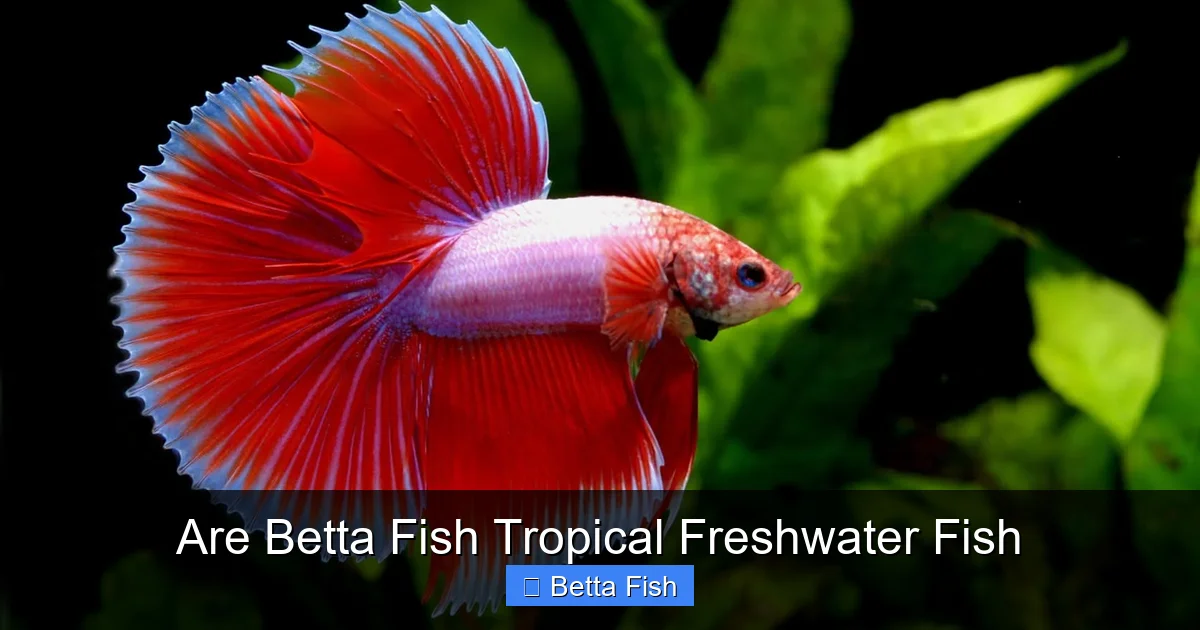
Betta fish are indeed tropical freshwater fish that thrive in warm, clean water with a stable temperature. Understanding their tropical nature helps you create the perfect home, keep them healthy, and enjoy their vibrant colors for years.
Key Takeaways
- True classification: Betta fish are tropical freshwater species native to Southeast Asia.
- Temperature matters: They need water between 76‑82°F (24‑28°C) to stay active and colorful.
- Water quality: Soft, slightly acidic water (pH 6.0‑7.0) mimics their natural habitats.
- Tank setup: A minimum of 5 gallons with gentle filtration and plants is ideal.
- Feeding: High‑protein betta pellets or frozen foods suit their tropical diet.
- Behavior: Males are aggressive toward other males but can coexist with peaceful tank mates.
- Care simplicity: With the right tropical conditions, bettas are relatively easy to keep.
📑 Table of Contents
- Introduction: Why the Question Matters
- 1. Natural Habitat – The Roots of a Tropical Freshwater Species
- 2. Temperature – The Heartbeat of a Tropical Betta
- 3. Water Quality – Soft, Slightly Acidic, and Clean
- 4. Tank Setup – Size, Decor, and Plants
- 5. Feeding – A Tropical Diet for a Tropical Fish
- 6. Behavior and Compatibility – Understanding the Tropical Temperament
- Conclusion: Embracing the Tropical Freshwater Lifestyle
Introduction: Why the Question Matters
When you first see a betta fish, its brilliant fins and bold colors make you wonder where it belongs. The most common query is simple yet important: are betta fish tropical freshwater fish? The answer shapes every decision you’ll make—from tank size to heating, water changes to feeding.
In this guide we’ll explore the natural origins of bettas, explain what “tropical freshwater” really means, and give you practical steps to recreate those conditions at home. By the end, you’ll feel confident setting up a habitat that lets your betta thrive, not just survive.
1. Natural Habitat – The Roots of a Tropical Freshwater Species
Geographic origins
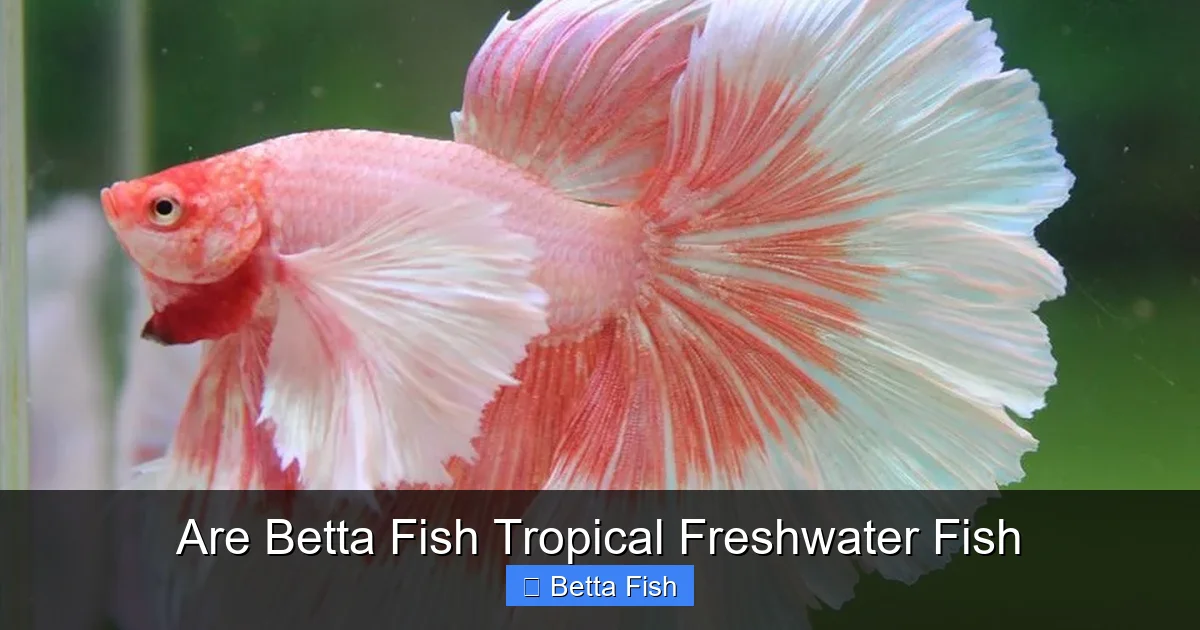
Betta splendens, the most common pet betta, hails from the shallow rice paddies, slow‑moving streams, and swampy floodplains of Thailand, Cambodia, Laos, and Vietnam. These waters are warm year‑round, often staying above 75°F (24°C) because they lie close to the equator.
Visual guide about Are Betta Fish Tropical Freshwater Fish
Image source: i.pinimg.com
Water characteristics in the wild
- Temperature: 76‑82°F (24‑28°C) – a classic tropical range.
- pH: Slightly acidic to neutral, usually 6.0‑7.0.
- Hardness: Soft water, with general hardness (GH) around 3‑6 dGH.
- Flow: Very gentle; many bettas live among dense vegetation that breaks currents.
These factors combine to create the perfect backdrop for the betta’s vivid coloration and elaborate fin displays. Replicating them in an aquarium confirms that bettas are indeed tropical freshwater fish.
2. Temperature – The Heartbeat of a Tropical Betta
Why heat matters
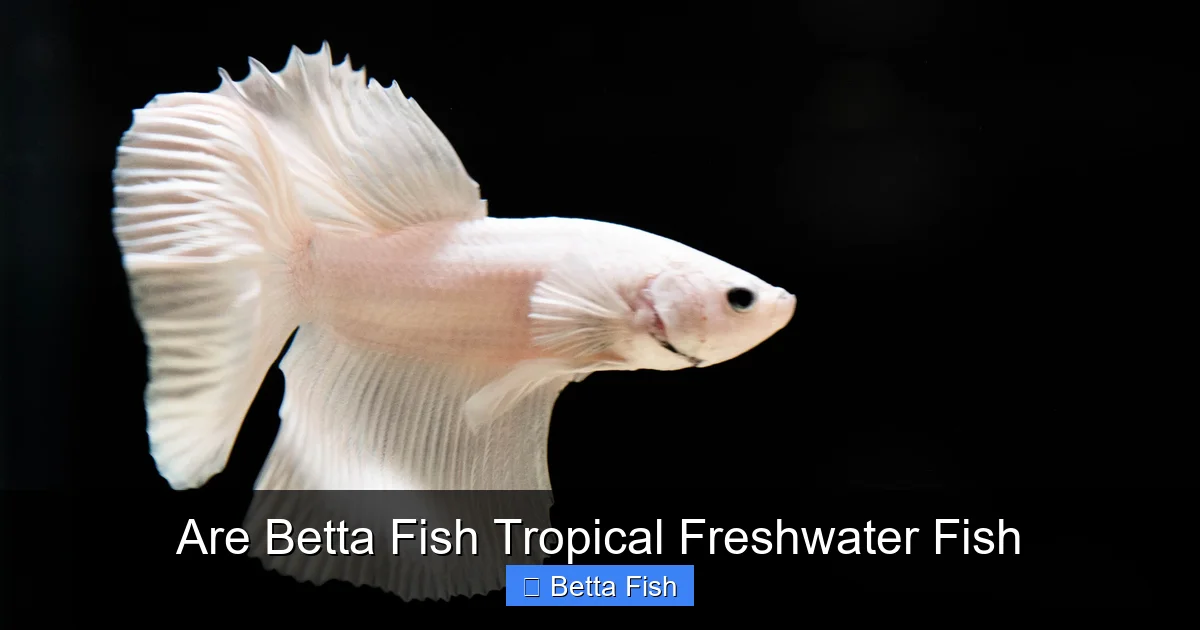
Temperature is the single most critical parameter for a tropical fish. Betta metabolism, immune function, and even breeding cues are temperature‑dependent. Below 75°F (24°C), you’ll notice sluggish swimming, faded colors, and a higher risk of disease.
Visual guide about Are Betta Fish Tropical Freshwater Fish
Image source: splashyfishstore.com
Choosing the right heater
Invest in a reliable submersible heater rated for at least 50 W for a 5‑gallon tank. Set it to 78°F (25.5°C) and use a thermometer to check stability. A 0.5°F fluctuation is normal; larger swings can stress your fish.
Practical tip
Place the heater near a water flow source (like a gentle filter outlet) to ensure even heat distribution. If you travel, a small battery‑operated heater or a temperature‑maintaining travel bag can keep the water within tropical limits.
3. Water Quality – Soft, Slightly Acidic, and Clean
Softness and pH
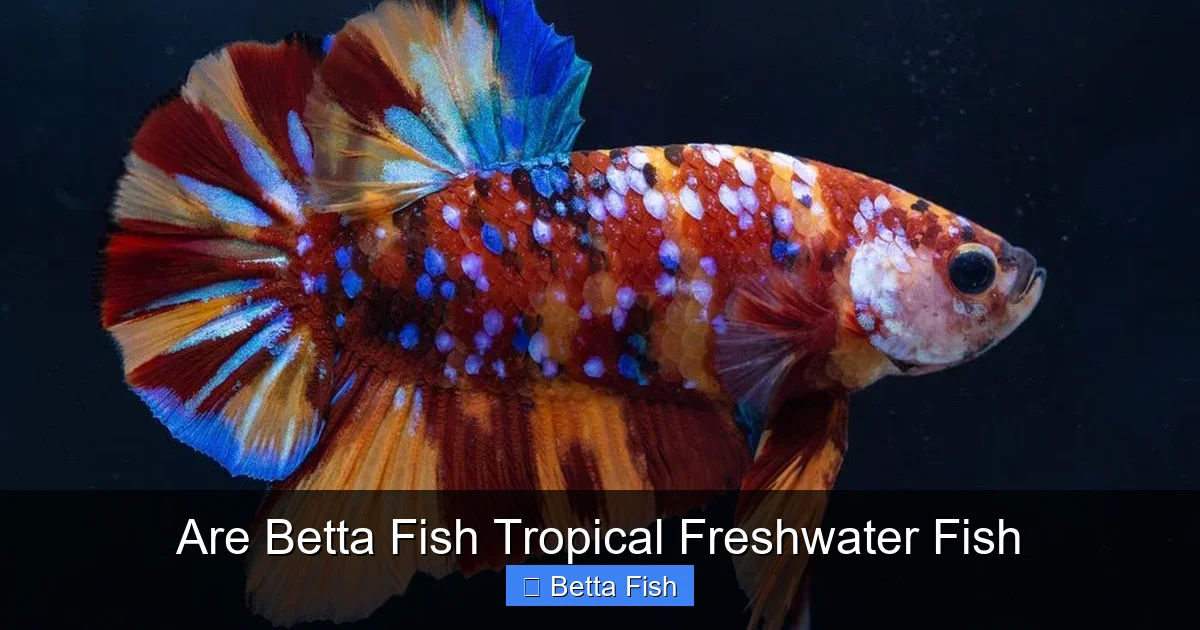
Soft water mimics the low‑mineral environments of Southeast Asian wetlands. You can achieve this by using reverse osmosis (RO) water mixed with a small amount of tap water, or by adding peat to the filter media.
Visual guide about Are Betta Fish Tropical Freshwater Fish
Image source: cdn.shopify.com
Filtration without strong currents
Betta fish love calm water. Choose a sponge filter or a hang‑on‑back (HOB) filter with adjustable flow. Set the flow to “low” or use a spray bar to diffuse the water, preventing the betta from being constantly pushed around.
Regular maintenance
- Weekly 20‑30% water changes keep nitrate levels low.
- Test kits for ammonia, nitrite, nitrate, and pH should be used monthly.
- Clean the substrate with a siphon to remove debris without disturbing beneficial bacteria.
4. Tank Setup – Size, Decor, and Plants
Why a 5‑gallon minimum?
Although many sellers market “betta bowls,” a 5‑gallon tank gives enough water volume to stabilize temperature and dilute waste. Larger tanks also provide space for live plants, which improve water quality and create hiding spots.
Choosing décor
- Plants: Live plants like Java fern, Anubias, and Marimo moss are excellent because they thrive in low‑light, soft water conditions.
- Hideouts: Caves, driftwood, or smooth rocks give your betta a place to rest.
- Substrate: Fine sand or smooth gravel prevents damage to delicate fins.
Internal link example
For more ideas on plant choices, see our guide on which live plants are good for betta fish.
5. Feeding – A Tropical Diet for a Tropical Fish
What bettas love to eat
In the wild, bettas hunt insects and larvae on the water surface. In captivity, high‑protein betta pellets, frozen brine shrimp, and daphnia replicate this diet. Avoid low‑protein “flake” foods meant for goldfish; they can cause digestive issues.
Feeding schedule
- Twice daily, offer an amount they can consume in 2‑3 minutes.
- Once a week, replace pellets with a frozen treat for variety.
- Do not overfeed – excess waste raises ammonia, harming a tropical freshwater system.
Internal link example
Learn more about suitable betta foods in our article Can Betta Fish Eat Tropical Flakes.
6. Behavior and Compatibility – Understanding the Tropical Temperament
Male aggression and tank mates
Male bettas are famously territorial, especially toward other males. However, they can share a well‑planted tank with peaceful species such as neon tetras, rasboras, or small catfish, provided the tank is large enough (10+ gallons) and there are plenty of visual barriers.
Female bettas
Females are less aggressive but may still display dominance hierarchies. A sorority (3‑5 females) works well in a spacious, heavily planted tank.
Internal link example
For a deeper dive into betta aggression, read Are Betta Fish Aggressive.
Conclusion: Embracing the Tropical Freshwater Lifestyle
Answering the question are betta fish tropical freshwater fish is more than a taxonomy exercise; it guides you to create a habitat that matches their natural world. By maintaining tropical temperatures, soft slightly acidic water, gentle flow, and a diet rich in protein, you give your betta the best chance to flourish.
Remember, a happy betta shows off its full color palette, swims confidently, and displays the spectacular fin displays that make these fish so beloved. Follow the steps above, stay consistent with water checks, and enjoy the rewarding experience of caring for a true tropical freshwater marvel.
Frequently Asked Questions
Are betta fish considered tropical fish?
Yes. Betta fish thrive in warm water temperatures typical of tropical regions, usually between 76‑82°F (24‑28°C).
Can bettas live in cold water?
No. Cold water slows their metabolism, leads to color loss, and makes them vulnerable to disease. A reliable heater is essential.
Do bettas need a heated aquarium?
Absolutely. Maintaining a stable tropical temperature is the single most important factor for a healthy betta.
Are bettas strictly freshwater?
Yes. Betta fish are freshwater species; they should never be placed in saltwater or brackish setups.
What is the ideal pH for a betta tank?
A slightly acidic to neutral pH of 6.0‑7.0 best mimics their natural environment and supports optimal health.
Can I keep a betta with other fish?
Male bettas should be alone, but females or a well‑planted community tank (10+ gallons) can work with peaceful species.