Are Betta Fish Supposed to Be Fat

Betta fish can appear “fat” for many reasons, but a truly healthy betta should be sleek, active, and have a smooth, rounded belly. Over‑feeding, poor water quality, or illness can cause unwanted weight gain, while a thin appearance may signal stress or disease.
Key Takeaways
- Normal shape: A healthy betta has a streamlined body with a gentle, rounded belly—not a balloon‑like abdomen.
- Feeding habits matter: Over‑feeding or feeding too often is the most common cause of excess fat.
- Water quality impacts weight: Bad water can stress fish, leading to loss of appetite or excessive eating.
- Health checks are essential: Sudden weight changes often signal disease such as dropsy or parasites.
- Tank size & enrichment: A proper tank encourages activity, helping bettas stay fit.
- Regular monitoring: Weekly visual checks and weigh‑ins (using a small container) keep you aware of changes.
- Consult experts: When in doubt, reach out to a vet or experienced hobbyist for advice.
📑 Table of Contents
- Introduction: Why the “Fat Betta” Question Matters
- 1. What a Healthy Betta Looks Like
- 2. Common Reasons Betta Fish Appear Fat
- 3. How to Spot an Unhealthy Weight Gain
- 4. Feeding Strategies to Keep Your Betta Trim
- 5. Optimizing Tank Conditions for a Fit Betta
- 6. When a “Fat” Betta Needs Veterinary Attention
- Conclusion: Keeping Your Betta in the Right Shape
Introduction: Why the “Fat Betta” Question Matters
Betta fish (Betta splendens) are among the most popular aquarium pets because of their vivid colors and flamboyant fins. Yet new owners often wonder, “Is my betta supposed to be fat?” The short answer is no—bettas are not naturally rotund. However, a slightly rounded belly can be normal, especially after a good meal. Understanding the difference between a healthy silhouette and an unhealthy plumpness can prevent serious health issues.
In this guide we’ll break down what a healthy betta should look like, why some fish appear overweight, and what you can do to keep your finned friend in top condition. We’ll also sprinkle in practical tips, real‑world examples, and a few handy links to related articles on our site.
1. What a Healthy Betta Looks Like
Body shape basics
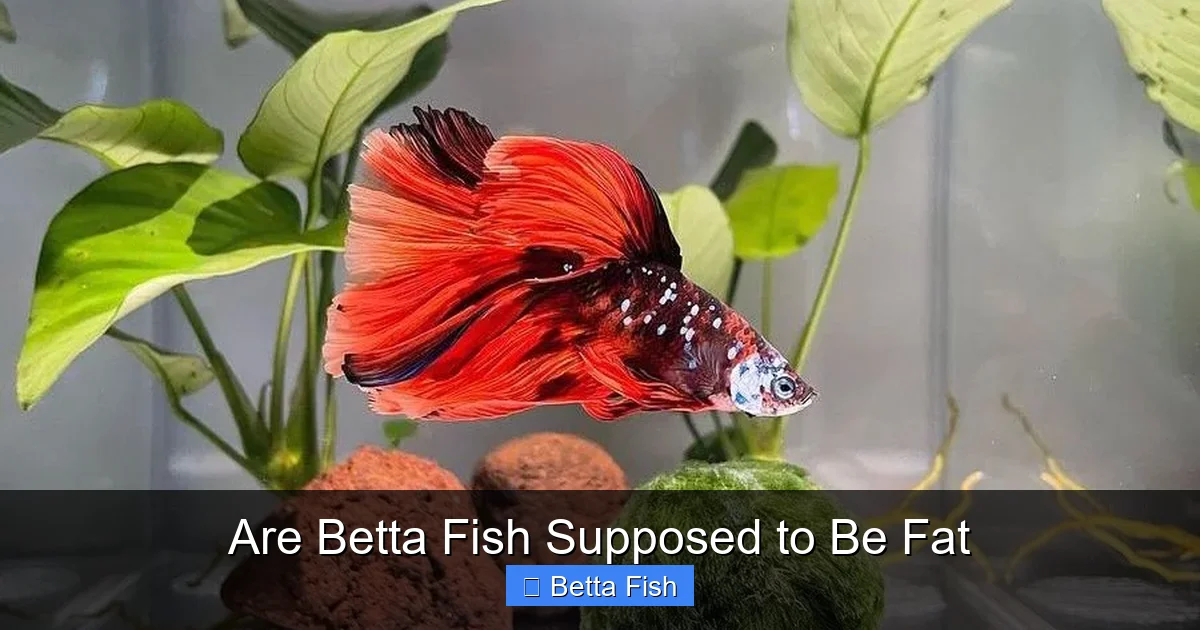
A healthy betta has a streamlined, torpedo‑shaped body. The belly should be slightly rounded, especially after feeding, but it should not protrude like a balloon. The dorsal and caudal fins should stand upright and flow smoothly.
Visual guide about Are Betta Fish Supposed to Be Fat
Image source: bettafishforsale.com
Key visual cues
- Active swimming: A fit betta darts around, flares its fins, and explores the tank.
- Clear eyes: Bright, clear eyes indicate good health; bulging or cloudy eyes can signal disease.
- Smooth scales: Scales should lie flat against the body without gaps or lumps.
2. Common Reasons Betta Fish Appear Fat
Over‑feeding
Betta fish have tiny stomachs—roughly the size of their eye. Feeding them more than they can digest leads to a swollen abdomen. Many owners give multiple pellets at once or feed too many times a day. According to our How Often Are You Supposed To Feed Betta Fish guide, feeding 2‑3 small pellets once or twice daily is sufficient.
Visual guide about Are Betta Fish Supposed to Be Fat
Image source: acaquarium.com
Poor water quality
Stagnant or dirty water stresses bettas, causing them to eat more or less erratically. Elevated ammonia or nitrite levels can suppress appetite, making the fish look skinny, while low oxygen can make them sluggish and prone to overeating.
Health issues
Diseases such as dropsy, internal parasites, or organ failure can cause belly swelling. Dropsy, for example, creates a “pinecone” scale appearance and a bloated abdomen filled with fluid.
3. How to Spot an Unhealthy Weight Gain
Regular visual inspections
Set a weekly “betta check‑in.” Look for:
- Abdominal distension that doesn’t shrink after a day of fasting.
- Reduced activity or lethargy.
- Changes in fin posture—drooping fins can signal stress.
Simple weigh‑in method
Use a small, clean container and a digital kitchen scale. Gently place the betta in the container (water only) and record the weight. A healthy adult betta typically weighs between 0.2‑0.5 g. Sudden increases of more than 10 % should trigger a diet review.
4. Feeding Strategies to Keep Your Betta Trim
Portion control
Offer 2‑3 pellets (or an equivalent amount of frozen food) once daily. Remove any uneaten food after 2‑3 minutes to prevent water fouling.
High‑quality diet
Incorporate a mix of high‑protein pellets, frozen brine shrimp, and occasional bloodworms. Variety prevents boredom and ensures balanced nutrition.
Fasting days
Betta’s digestive systems benefit from a day off each week. Skip feeding for 24 hours to allow the gut to clear.
5. Optimizing Tank Conditions for a Fit Betta
Tank size matters
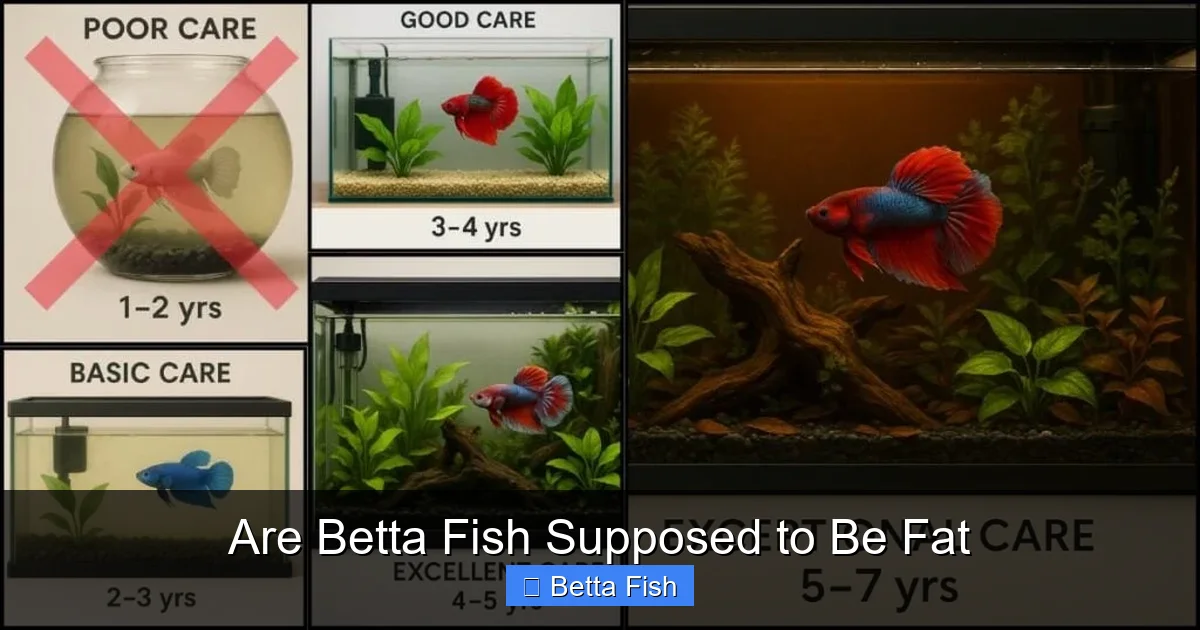
While many keep bettas in tiny bowls, a 5‑gal (19 L) tank gives ample swimming space and better water stability. Learn more in our How Big Does Betta Fish Tank Need To Be article.
Water parameters
- Temperature: 76‑82 °F (24‑28 °C).
- pH: 6.5‑7.5.
- Ammonia & nitrite: 0 ppm.
Regular partial water changes (20‑30 % weekly) keep these levels in check.
Enrichment and exercise
Provide live plants, driftwood, and gentle currents. A betta that can explore will stay active and avoid excess weight. Check out Where To Buy Live Plants For Betta Fish for plant recommendations.
6. When a “Fat” Betta Needs Veterinary Attention
Signs of serious illness
If your betta’s belly stays swollen despite fasting, or if you notice cloudy eyes, scales lifting, or loss of appetite, seek help. Dropsy and internal parasites require prompt treatment.
First‑aid steps
- Isolate the fish in a hospital tank with clean, conditioned water.
- Reduce feeding to a single pellet per day.
- Consult a fish‑veterinarian or experienced hobbyist for medication options.
Conclusion: Keeping Your Betta in the Right Shape
Betta fish are not meant to be “fat,” but a modestly rounded belly after a meal is normal. By controlling portions, maintaining pristine water, providing enough space, and monitoring health, you can ensure your betta stays sleek, vibrant, and full of life. Remember—regular checks and a balanced diet are the best tools to prevent unwanted weight gain and keep your finned companion thriving.
Frequently Asked Questions
Can a betta fish be naturally plump?
Some slight rounding after a good meal is normal, but a constantly balloon‑like belly usually indicates over‑feeding or illness.
How often should I feed my betta to avoid weight gain?
Feed 2‑3 small pellets once or twice a day, and consider a fasting day each week. See our guide on feeding frequency for details.
What water parameters help prevent a betta from becoming overweight?
Stable temperature (76‑82 °F), pH 6.5‑7.5, and zero ammonia/nitrite keep stress low, which reduces erratic eating.
Is a larger tank better for a betta’s weight management?
Yes. A 5‑gal tank offers more swimming space and better water quality, helping the fish stay active and fit.
Can a swollen belly be a sign of dropsy?
Yes. Dropsy causes fluid buildup, giving a “pinecone” scale look and a very firm, swollen abdomen. Seek treatment promptly.
Should I isolate a “fat” betta from other fish?
Betta fish are generally kept alone due to aggression. Isolation also makes it easier to monitor diet and health. Learn more about why bettas need to be alone here.