Are Betta Fish Stupid
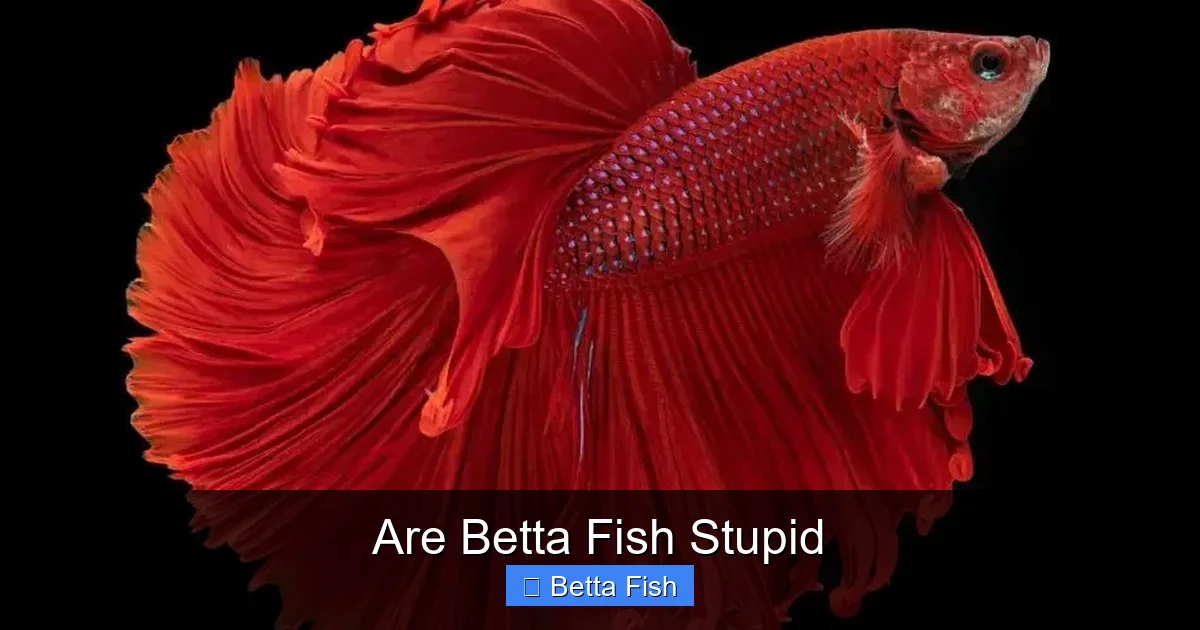
Betta fish are far from stupid; they display curiosity, memory, and problem‑solving abilities that surprise many hobbyists. Understanding their natural instincts and providing mental enrichment can turn a simple tank into a thriving, interactive environment.
Key Takeaways
- Betta intelligence: Betta fish can learn, remember, and respond to their owners, disproving the “stupid” myth.
- Nature vs. nurture: Proper environment and enrichment boost their cognitive abilities.
- Behavior clues: Aggression, curiosity, and territoriality are signs of a smart, instinct‑driven fish.
- Training tips: Simple tricks like target‑training and maze navigation are achievable.
- Health link: A stimulated mind supports better health and longer life.
- Common misconceptions: Misinterpreting natural behaviors leads to the “stupid” label.
- Practical care: Providing space, plants, and varied feeding keeps bettas mentally sharp.
📑 Table of Contents
- Introduction: Why the Question Matters
- What Intelligence Looks Like in Fish
- Common Misconceptions That Fuel the “Stupid” Myth
- How Betta Fish Show Intelligence
- Practical Ways to Boost Betta Brainpower
- Health Benefits of an Engaged Mind
- Answering the Core Question: Are Betta Fish Stupid?
- Tips for New Betta Owners Who Want a Smart Companion
- Conclusion: Celebrate Betta Brilliance
Introduction: Why the Question Matters
When you first see a betta fish flashing its bright fins, you might think it’s just a pretty decoration. Yet, many owners ask, “are betta fish stupid?” The question isn’t meant to be cruel—it’s a genuine curiosity about how much these little fighters can think.
In this article we’ll dive into the science, the myths, and the everyday observations that help answer that question. By the end, you’ll see that bettas are clever in their own right, and you’ll have practical ideas to keep their brains as happy as their colors.
What Intelligence Looks Like in Fish
Defining Fish Smarts
Intelligence isn’t a one‑size‑fits‑all concept. For fish, it often means:
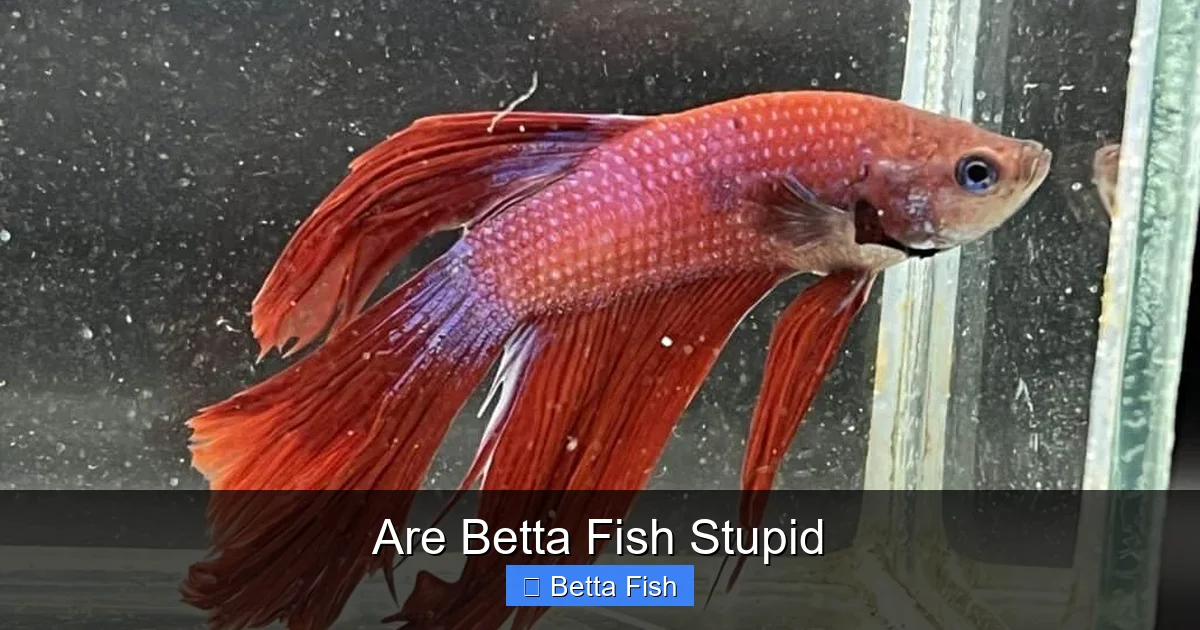
Visual guide about Are Betta Fish Stupid
Image source: aquariadise.com
- Learning to associate a cue with food or safety.
- Remembering the location of a favorite hiding spot.
- Solving simple problems to get a reward.
These abilities have been documented in goldfish, cichlids, and yes, bettas.
Scientific Studies on Betta Cognition
Researchers have run maze tests and color‑discrimination experiments with bettas. In a classic study, bettas learned to swim toward a colored panel that signaled food, remembering the pattern after several days. That kind of short‑term memory is a clear sign of mental capacity.
Common Misconceptions That Fuel the “Stupid” Myth
Seeing Aggression as Ignorance
Male bettas are famously aggressive. Some people mistake this natural territoriality for mindlessness. In reality, aggression is a strategic behavior—betas protect their space to survive. Why are betta fish aggressive articles explain the evolutionary reasons behind this trait.
Visual guide about Are Betta Fish Stupid
Image source: bettasource.com
Small Tanks = Small Minds
Because bettas can survive in tiny bowls, many assume they don’t need stimulation. However, a cramped environment limits their ability to explore, which can make them appear “dull.” Providing plants, caves, and visual barriers encourages natural problem‑solving.
Misreading “Stubborn” Behavior
When a betta refuses to eat a new food, owners may label it as “stupid.” Yet, this is a survival instinct—betas are cautious eaters in the wild, avoiding potential toxins. Patience and gradual introduction are key.
How Betta Fish Show Intelligence
Learning to Recognize Their Owner
Many hobbyists report that their betta swims to the front of the tank when they approach. This is a learned response, similar to a dog’s “come” command. Consistent feeding at the same spot reinforces the behavior.
Memory and Navigation
Bettas remember the layout of their tank. They will often return to a favorite leaf or hideout even after weeks of being away. This spatial memory demonstrates that they can form mental maps.
Problem‑Solving Skills
Simple puzzles—like a floating cup with a treat inside—can be solved by a curious betta. They will nudge the cup, learn that movement releases food, and repeat the action. This trial‑and‑error learning is a hallmark of intelligence.
Communication and Body Language
Betta fins act like a language. Flaring, spreading, and color changes convey mood and intent. Understanding and responding to these signals requires a level of social cognition.
Practical Ways to Boost Betta Brainpower
Enrichment Toys
Introduce floating toys, mirrors (for short sessions), or textured pebbles. Rotate items weekly to keep curiosity alive.
Training Sessions
Use a small stick or a colored cue to guide your betta toward a target. Reward with a tiny pellet. Consistent short sessions (5 minutes, 3 times a week) yield noticeable progress.
Live Plants and Natural Hiding Spots
Plants like Java moss or Anubias provide both cover and a sense of exploration. They also improve water quality, supporting overall health. See which live plants are good for betta fish for more ideas.
Varied Feeding Techniques
Offer live or frozen foods (brine shrimp, daphnia) alongside pellets. The chase stimulates hunting instincts and sharpens reflexes.
Tank Layout Changes
Every month, rearrange decorations or add a new cave. This forces the betta to re‑learn its territory, keeping its brain active.
Health Benefits of an Engaged Mind
Reduced Stress
Enrichment lowers cortisol‑like stress responses. A relaxed betta shows brighter colors and smoother fin movement.
Longer Lifespan
Studies link mental stimulation with improved immune function. An engaged betta often lives 3‑5 years, sometimes longer with optimal care.
Early Detection of Problems
When a betta stops responding to training or loses interest in its environment, it may signal illness. Early observation can lead to quicker treatment.
Answering the Core Question: Are Betta Fish Stupid?
The short answer: No. Betta fish possess memory, learning ability, and problem‑solving skills that place them well above the “stupid” label. Their behavior, when understood in context, reveals a smart, adaptable creature.
What fuels the myth is a mix of misinterpretation, inadequate care, and the tendency to compare fish to mammals. When you provide proper space, enrichment, and attentive observation, the intelligence of bettas shines through.
Tips for New Betta Owners Who Want a Smart Companion
- Choose a tank of at least 5 gallons with a lid to prevent jumping.
- Use a gentle heater to keep water at 78°F (25.5°C) – bettas are tropical.
- Cycle the tank fully before adding your fish to avoid stress.
- Start with simple training: a finger tap followed by a treat.
- Monitor water parameters weekly; clean water supports brain health.
- Read more about betta basics in what are betta fish for foundational knowledge.
Conclusion: Celebrate Betta Brilliance
When the question “are betta fish stupid” pops up, remember that intelligence is not measured by how quickly a fish can fetch a ball. It’s about adaptation, learning, and interaction with the world. Betta fish, with their vivid personalities and hidden smarts, deserve admiration—not dismissal.
By offering a stimulating environment, you’ll not only debunk the myth but also enjoy a more vibrant, lively companion. Happy fishkeeping!
Frequently Asked Questions
Do betta fish have the ability to learn tricks?
Yes. With consistent, short training sessions, bettas can learn to follow a target, swim through hoops, or respond to a light cue.
How long can a betta remember a training cue?
Studies show bettas can retain a learned cue for several days to weeks, especially if reinforced with food.
Is aggression a sign of low intelligence?
No. Aggression is a natural territorial behavior that helps bettas protect their space and resources.
Can a betta’s environment affect its perceived intelligence?
Absolutely. A barren tank offers little stimulation, making a betta appear sluggish. Enriched environments encourage curiosity and problem‑solving.
Are there specific foods that boost brain health in bettas?
Live or frozen foods rich in protein, like brine shrimp and daphnia, provide essential nutrients that support neural function.
How does water quality impact a betta’s mental performance?
Poor water quality raises stress hormones, which can dull responsiveness and learning ability. Regular testing and maintenance keep the mind sharp.