Are Betta Fish Sick When Ther Fins Are Small
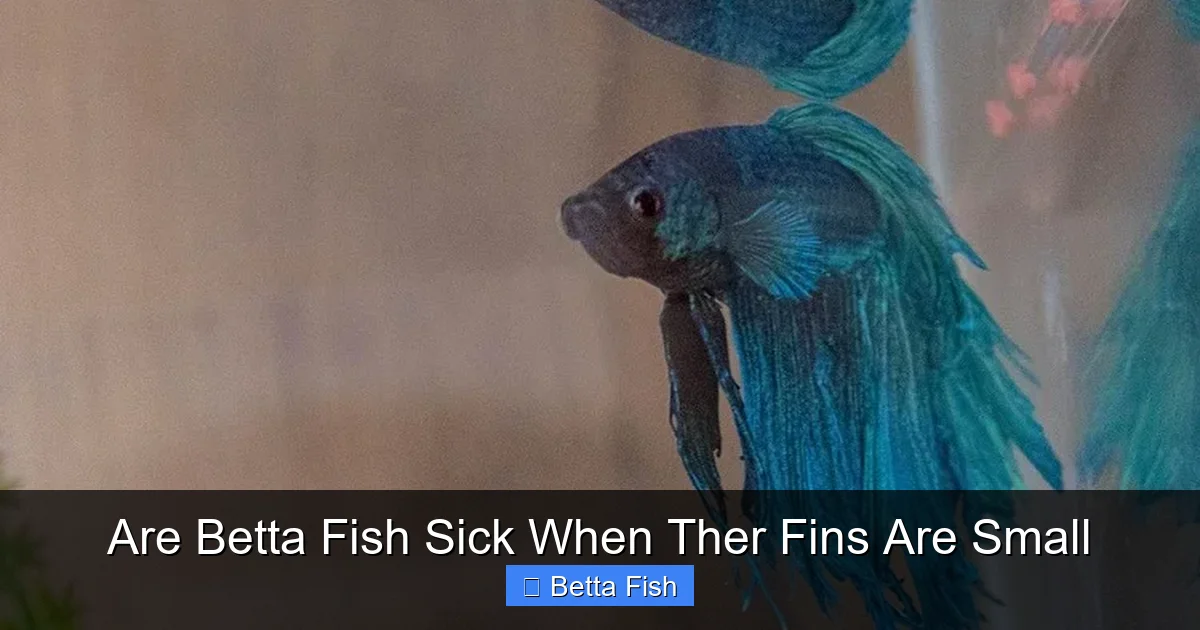
Betta fish with unusually small fins are often showing signs of stress or illness, not just a genetic quirk. By checking water quality, diet, and looking for parasites or fin rot, you can quickly identify the problem and help your fish recover. Simple adjustments can promote fin growth and keep your betta thriving.
Key Takeaways
- Small fins usually signal an underlying issue: poor water, disease, or nutrition.
- Water quality is the foundation: keep temperature, pH, and ammonia in check.
- Fin rot and parasites are common culprits: early detection prevents permanent damage.
- Proper diet fuels fin regeneration: high‑protein foods and occasional treats help.
- Stress reduction matters: suitable tank size, hiding spots, and compatible tank mates keep fins healthy.
- Some fin loss can be reversed: with the right care, many bettas grow back lost tissue.
- Regular observation saves lives: daily checks catch problems before they become fatal.
📑 Table of Contents
- Introduction: When Small Fins Raise Big Concerns
- 1. Water Quality – The Hidden Driver of Fin Health
- 2. Nutrition – Feeding the Fin Factory
- 3. Common Diseases That Cause Small or Shrinking Fins
- 4. Environmental Stressors That Make Fins Appear Small
- 5. Can Betta Fins Grow Back? Hope and Reality
- 6. Practical Steps to Help Your Betta’s Fins Thrive
- Conclusion: Small Fins Are a Call to Action, Not a Verdict
Introduction: When Small Fins Raise Big Concerns
If you’ve ever watched a betta flare its gorgeous tail and noticed that the fins look shorter or thinner than usual, you might wonder if something is wrong. Betta fish (also called Siamese fighting fish) are naturally proud displayers, and any change in their fin size can feel alarming. In most cases, small or stunted fins are not a permanent trait but a symptom of stress, disease, or inadequate care.
Understanding why a betta’s fins appear small is the first step toward fixing the problem. This guide walks you through the most common reasons, how to diagnose them, and practical steps to help your fin‑loving friend grow strong, vibrant fins again.
1. Water Quality – The Hidden Driver of Fin Health
Why clean water matters
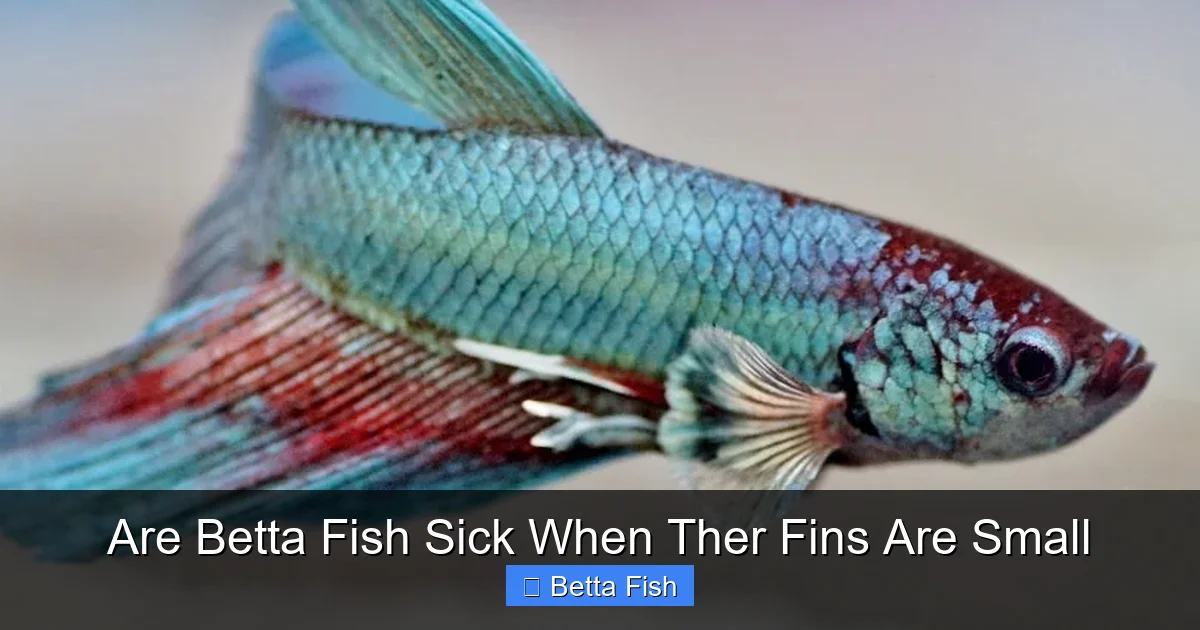
Betta fish are sensitive to ammonia, nitrite, and sudden changes in temperature. Poor water quality can weaken their immune system, making fins appear ragged, thin, or even shrink as the fish diverts energy to survive.
Visual guide about Are Betta Fish Sick When Ther Fins Are Small
Image source: articles.hepper.com
Key water parameters
- Temperature: 76‑82°F (24‑28°C) – stable temperature prevents stress.
- pH: 6.5‑7.5 – avoid sudden swings.
- Ammonia & Nitrite: 0 ppm – any detectable level is toxic.
- Hardness: 3‑4 dGH – moderate hardness supports healthy slime coat.
Testing and maintenance tips
Use a liquid test kit weekly. Perform a 25‑30% water change every 5‑7 days, and clean the substrate with a siphon. A well‑filtered, cycled tank reduces stress and gives fins a chance to grow.
2. Nutrition – Feeding the Fin Factory
What bettas need to grow fins
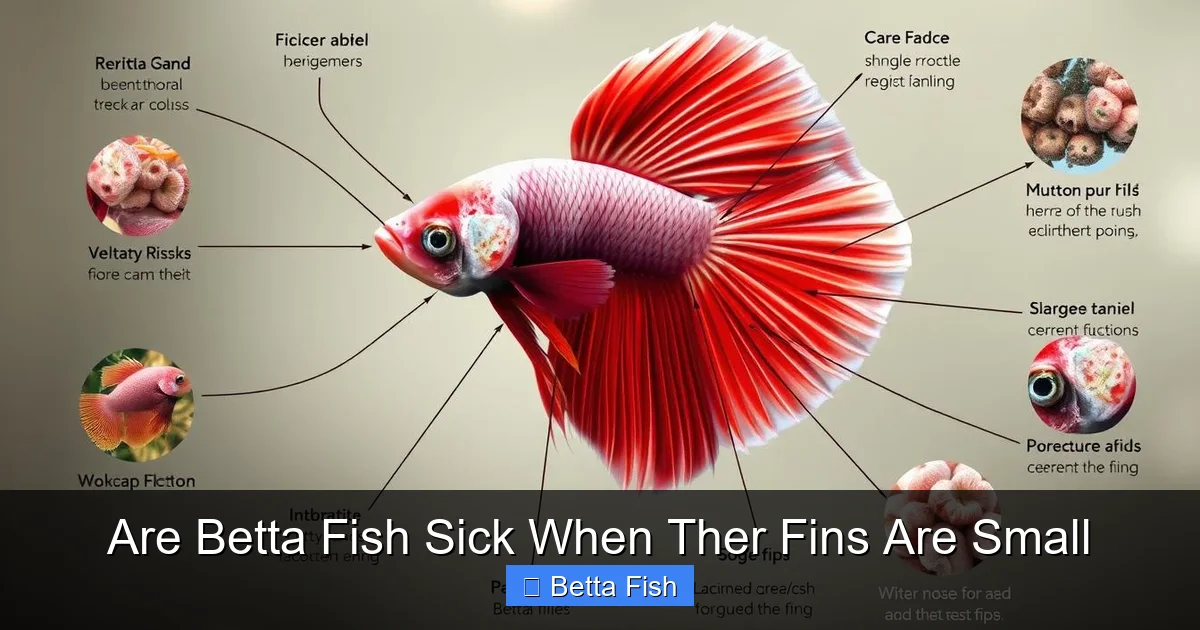
High‑quality protein is essential. In the wild, bettas eat insects and larvae, so a diet that mimics this helps fin cells regenerate.
Visual guide about Are Betta Fish Sick When Ther Fins Are Small
Image source: koibettafish.com
Best foods for fin health
- Live or frozen daphnia: rich in protein and omega‑3 fatty acids.
- High‑grade betta pellets: look for ≥40% protein and no filler.
- Brine shrimp (cooked): a treat that boosts immunity.
Feeding schedule
Feed 2‑3 small meals per day, total of 2‑4% of body weight. Over‑feeding leads to water fouling, which circles back to water quality problems.
3. Common Diseases That Cause Small or Shrinking Fins
Fin rot – the most frequent offender
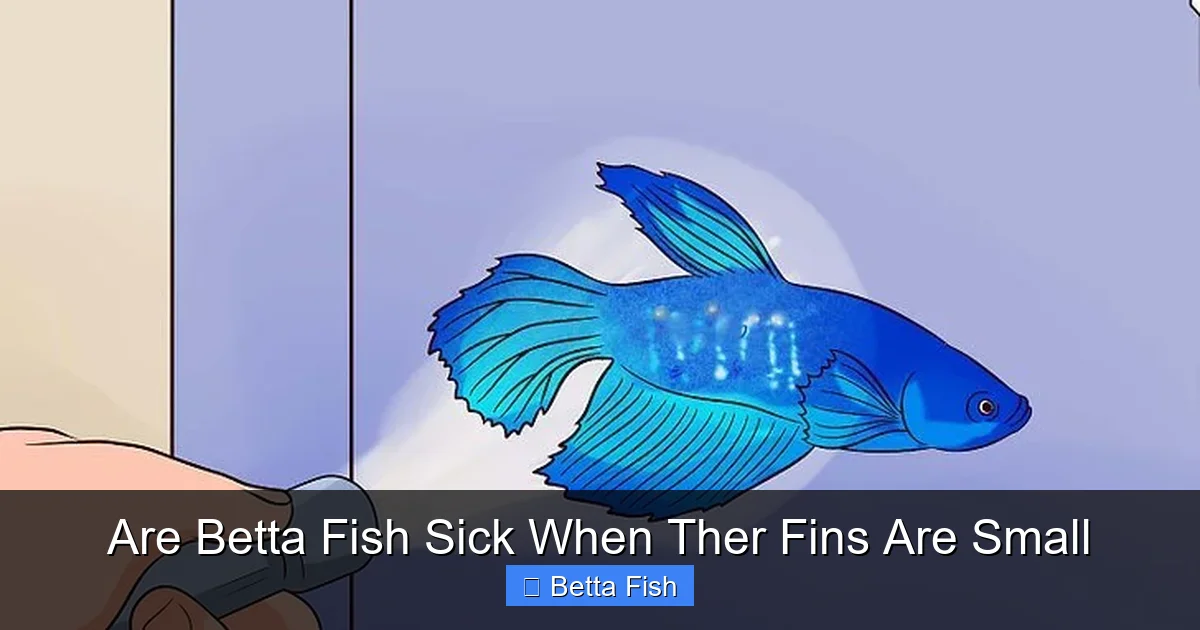
Fin rot is a bacterial infection that eats away at fin tissue, making edges look frayed, white, or missing. If left untreated, the fin can appear dramatically smaller.
Visual guide about Are Betta Fish Sick When Ther Fins Are Small
Image source: wikihow.com
How to spot fin rot
- White or brown edges on the fin.
- Fins that look shredded or ragged.
- Fish swimming oddly or resting at the bottom.
For treatment, isolate the fish and add a broad‑spectrum antibacterial medication such as Melafix or API Betta Health. Increase water changes to 50% daily until the infection clears.
Parasites – Ich, Velvet, and Flukes
Parasites can cause tissue damage that leads to reduced fin size. Look for tiny white spots (Ich) or a dusty gold sheen (Velvet). A quick dip in a copper‑based treatment can clear many external parasites.
Fungal infections
White cotton‑like growth on fins is a sign of fungus. Treat with a fungal remedy like Malachite Green and keep the tank spotless.
For a deeper dive on fin rot and recovery, see our article Why Are My Betta Fish Fins Falling Off.
4. Environmental Stressors That Make Fins Appear Small
Tank size and space
Betta fish need room to swim. Cramped bowls can stunt fin growth because the fish constantly brushes against decorations and glass.
Read more about why a proper tank matters in Why Are Betta Fish In Small Tanks.
Water flow and currents
Strong currents can damage delicate fins. Use a gentle filter or a sponge filter that creates a low‑flow environment.
Temperature fluctuations
Rapid drops or spikes shock the fish, causing them to retract fins for protection. A reliable heater with an auto‑shutoff helps maintain stability.
5. Can Betta Fins Grow Back? Hope and Reality
Regeneration basics
Betta fins have a remarkable ability to regenerate if the underlying cause is removed. New tissue grows from the fin base, but the process can be slow—often weeks to months.
Factors that influence regrowth
- Age: Younger bettas heal faster.
- Nutrition: Protein‑rich diets accelerate cell division.
- Water quality: Clean water prevents secondary infections.
- Stress level: Calm environments promote healing.
For a full guide on fin regeneration, check out Can Betta Fish Fins Grow Back.
6. Practical Steps to Help Your Betta’s Fins Thrive
Step‑by‑step recovery plan
- Test water: Adjust any out‑of‑range parameters.
- Quarantine: Move the betta to a hospital tank with clean, heated water.
- Treat: Apply appropriate medication for fin rot, parasites, or fungus.
- Upgrade diet: Add live or frozen foods 3‑4 times a week.
- Enrich environment: Provide plants or silk leaves for gentle fin movement.
- Monitor: Check fin condition daily; note any improvement.
When to seek professional help
If fins continue to shrink after two weeks of treatment, or if the fish shows lethargy, loss of appetite, or labored breathing, it may be time to consult a vet familiar with aquatic animals.
Conclusion: Small Fins Are a Call to Action, Not a Verdict
Seeing a betta with tiny or thinning fins can be unsettling, but it’s usually a sign that something in its environment needs attention. By keeping water pristine, feeding a protein‑rich diet, treating infections promptly, and providing a spacious, low‑stress habitat, you give your betta the best chance to regrow strong, beautiful fins.
Remember, bettas are resilient fighters. With the right care, the “small fin” problem often turns into a success story you’ll proudly share with fellow hobbyists.
Frequently Asked Questions
Why are my betta’s fins smaller than they used to be?
Fins can shrink due to poor water quality, disease (like fin rot), inadequate nutrition, or stress from a cramped tank.
Can a betta fish’s fins grow back after they’ve been damaged?
Yes, betta fins can regenerate if the underlying issue is resolved and the fish receives proper care and nutrition.
How quickly can I expect fin regeneration?
Regrowth typically takes several weeks, but the exact time depends on the fish’s age, health, and how well the environment is maintained.
Is it normal for a betta to have naturally short fins?
Some bettas are bred for shorter “half‑moon” or “crowntail” varieties, but a sudden reduction in fin size is usually a health concern.
What water changes help heal fin problems?
Perform 25‑30% water changes every 5‑7 days, and increase to 50% daily during an active infection to keep the water clean and reduce bacterial load.
Should I add medication to the main tank or a separate hospital tank?
For most fin issues, a separate quarantine or hospital tank is safest. It prevents medication from affecting tank mates and allows close monitoring.