Are Betta Fish Real or Fake

Betta fish are real, living creatures, not plastic fakes, but the market is flooded with artificial replicas and misleading photos that can confuse new hobbyists. Understanding their biology, natural habitat, and how to verify authenticity helps you choose healthy, genuine bettas for your home aquarium.
Key Takeaways
- Betta fish are genuine freshwater fish: They belong to the genus Betta and live naturally in Southeast Asia.
- Fake bettas exist: Plastic models, dyed dead fish, and digitally altered images can mislead buyers.
- Health signs reveal authenticity: Live movement, proper breathing, and vibrant coloration are key indicators.
- Know the right source: Reputable breeders, certified pet stores, and online reviews reduce the risk of fake purchases.
- Proper care dispels myths: Good water parameters, diet, and tank setup keep real bettas thriving.
- Internal links help you dive deeper: Explore topics like tank size, gender differences, and freshwater needs for a complete picture.
- Spotting a fake is simple: Look for unnatural plastic texture, static posture, and lack of slime coat.
📑 Table of Contents
- Introduction: Why the Question Pops Up
- 1. The Science Behind Betta Fish – They’re Absolutely Real
- 2. How Fake Betta Fish Enter the Market
- 3. Spotting a Real Betta – Practical Tips for Buyers
- 4. Why the Myth Persists – Psychological and Market Factors
- 5. Caring for a Real Betta – Ensuring Longevity and Happiness
- 6. Buying Real Betta Fish – A Step‑by‑Step Checklist
- Conclusion: Real Betta, Real Joy
Introduction: Why the Question Pops Up
If you’ve ever scrolled through a pet‑store aisle or an online marketplace, you may have seen a dazzling betta fish with colors that look almost too perfect. That can spark a puzzling thought: are betta fish real or fake? The answer is a clear “yes, they’re real,” but the market does contain a surprising amount of counterfeit or misrepresented specimens.
In this article we’ll walk through the biology that proves bettas are living fish, explain how fake versions appear, and give you practical tips to make sure the betta you bring home is the genuine article. By the end, you’ll feel confident spotting a real betta and understanding why the myth even exists.
1. The Science Behind Betta Fish – They’re Absolutely Real
Taxonomy and Natural Habitat
Betta fish belong to the family Osphronemidae and the genus Betta. The most famous species, Betta splendens, is native to the shallow, slow‑moving waters of Thailand, Cambodia, and Vietnam. They thrive in warm, slightly acidic water (pH 6.0‑7.5) and are adapted to survive in low‑oxygen environments thanks to a specialized organ called the labyrinth.

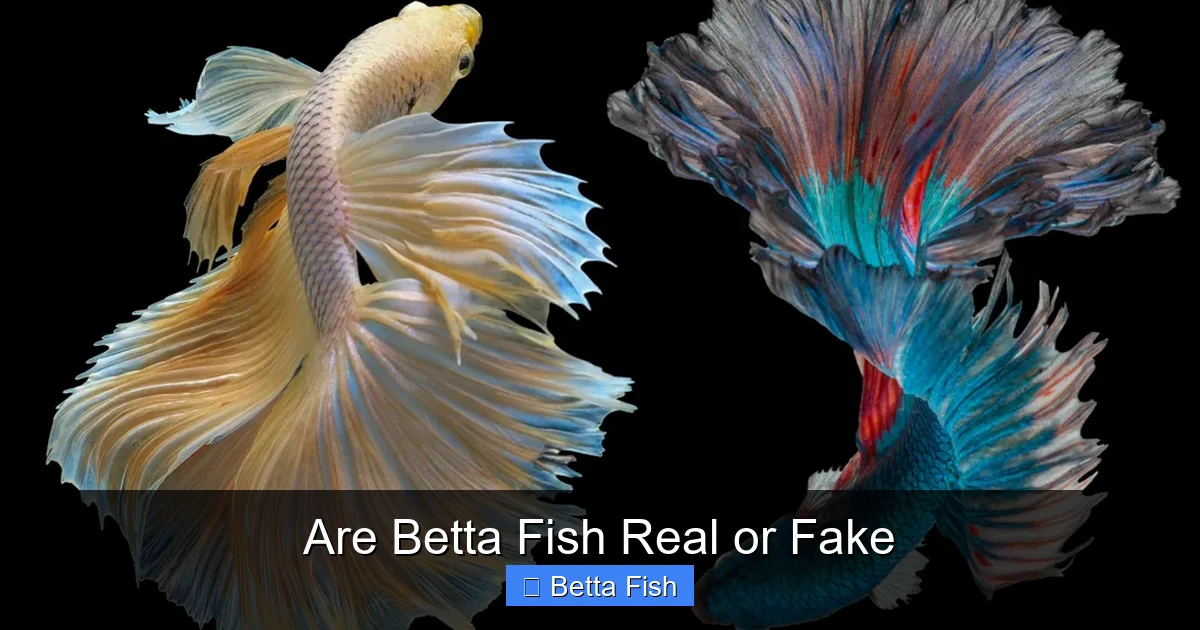
Visual guide about Are Betta Fish Real or Fake
Image source: cdn.mos.cms.futurecdn.net
Physical Traits That Prove They’re Living Creatures
- Labyrinth organ: Allows them to breathe atmospheric air, a feature no plastic model can mimic.
- Live slime coat: A thin, mucous layer that protects against disease; it feels slightly slippery to the touch.
- Fin movement: Real bettas flare and ripple their fins in response to stress or courtship.
These characteristics are easy to test at the store – a quick tap on the water should cause a real betta to surface for air.
2. How Fake Betta Fish Enter the Market
Plastic Models and Decorative Toys
Many pet shops sell brightly colored plastic bettas as “decorative fish” for non‑aquarium displays. They are often made from PVC or resin, feel hard, and have no movement. Because they are cheap and durable, they sometimes get mixed up with live stock in online listings.
Visual guide about Are Betta Fish Real or Fake
Image source: chibi-aquarium.com
Dead or Dying Fish Presented as Healthy
Unscrupulous sellers may photograph a dead or moribund betta, edit the image for brightness, and list it as a vibrant, healthy specimen. The lack of a slime coat and a limp posture are tell‑tale signs, but they can be hard to spot in photos.
Digitally Enhanced Images
High‑resolution photography and Photoshop can exaggerate colors, making a dull fish appear neon. While the fish may be real, the image misleads buyers about the true coloration and health.
3. Spotting a Real Betta – Practical Tips for Buyers
Observe Movement
Live bettas constantly explore the water surface for air. In a properly cycled tank, you’ll see them swimming, hovering, and occasionally resting on the tank’s glass. A static fish that never moves is likely fake.
Check the Breathing Pattern
Real bettas surface every 10‑30 seconds to gulp air. Watch for that rhythmic rise and fall. Plastic models have no such behavior.
Feel the Texture
Gently touch the fish with a clean finger (or ask the staff). A living betta feels slick and slightly warm; a fake feels hard and cold.
Examine the Fins
Healthy fins are flexible and can be gently lifted without tearing. If the fins appear brittle or curl unnaturally, the fish may be dead, stressed, or a replica.
Ask About Origin and Health Guarantees
Reputable sellers will tell you where the fish was bred, its age, and any health certifications. They should also allow a short observation period before purchase.
4. Why the Myth Persists – Psychological and Market Factors
Social Media Influence
Instagram and TikTok are flooded with videos of “perfect” bettas that change colors under different lights. Some creators use editing tricks, which fuels the belief that real bettas can’t look that good without being fake.
Desire for Exotic Pets
Betta fish are marketed as exotic, low‑maintenance pets. This hype makes some sellers cut corners, offering cheap replicas to meet demand.
Confusion with Other Species
Some people mistake other small, colorful fish (like guppies or dwarf gouramis) for bettas. When those fish die quickly, buyers may blame “fake” bettas instead of proper care.
5. Caring for a Real Betta – Ensuring Longevity and Happiness
Tank Size and Setup
Despite the myth that bettas can live in tiny bowls, they thrive in at least a 5‑gallon tank with a gentle filter. Learn more about proper tank size in our guide Why Are Betta Fish Tanks So Small.
Water Parameters
- Temperature: 76‑82°F (24‑28°C)
- pH: 6.5‑7.5
- Hardness: Soft to medium
Regular water changes (20‑30% weekly) keep ammonia low and prevent disease.
Feeding
High‑quality betta pellets, supplemented with frozen or live brine shrimp, provide essential proteins. Overfeeding leads to cloudy water and health issues.
Social Considerations
Male bettas are highly territorial. Keep only one male per tank, or use a divided aquarium. Female bettas can sometimes share a community tank if the space is ample, but watch for aggression – see Are Female Betta Fish Aggressive for details.
6. Buying Real Betta Fish – A Step‑by‑Step Checklist
- Research the seller: Look for reviews, certifications, and clear return policies.
- Visit the store: Observe the fish’s behavior and ask to see the tank’s water parameters.
- Conduct the “air test”: Watch the fish surface for breathing.
- Inspect the fins and body: Look for signs of disease, torn fins, or abnormal spots.
- Ask about quarantine: Reputable breeders quarantine new stock to prevent disease spread.
- Get a health guarantee: A short warranty shows confidence in the fish’s health.
Following this checklist dramatically reduces the chance of bringing home a fake or unhealthy betta.
Conclusion: Real Betta, Real Joy
In short, betta fish are unmistakably real, living organisms with unique biology that sets them apart from other aquarium fish. The confusion arises from plastic replicas, edited photos, and occasional dishonest sellers. By learning the key signs of a live betta, understanding why the myth exists, and practicing responsible buying and care, you can enjoy the vibrant beauty of a genuine betta for years to come.
Remember, a healthy betta will swim, breathe, and show off those spectacular fins – all proof that it’s not a fake. Happy fish‑keeping!
Frequently Asked Questions
Are betta fish real or just a marketing gimmick?
Betta fish are real, living freshwater fish native to Southeast Asia. The “gimmick” comes from plastic replicas and edited images that sometimes confuse buyers.
How can I tell if a betta fish is dead or alive before buying?
Watch for surface breathing every few seconds and gentle movement. A dead fish will lie motionless, lack a slime coat, and feel cold and hard.
Do betta fish need a filter if they can breathe air?
Yes. While the labyrinth organ lets them gulp air, a filter maintains clean water, reduces toxins, and keeps the fish healthy.
Are betta fish suitable for beginners?
They are relatively easy to care for, but beginners must still provide proper tank size, water conditions, and a balanced diet. See Are Betta Fish Easy To Care For for more.
Can I keep more than one male betta together?
No. Male bettas are highly aggressive and will fight to the death if placed together. They should be housed separately or in divided tanks.
What should I do if I suspect my betta is a fake?
Return the fish, request a refund, and report the seller. Verify future purchases by using the checklist above and buying from reputable breeders.