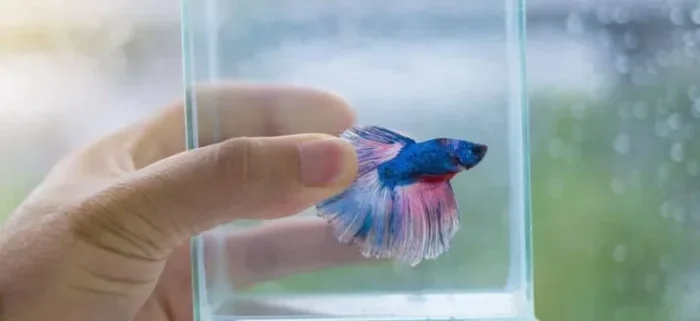
Are Betta Fish Rare
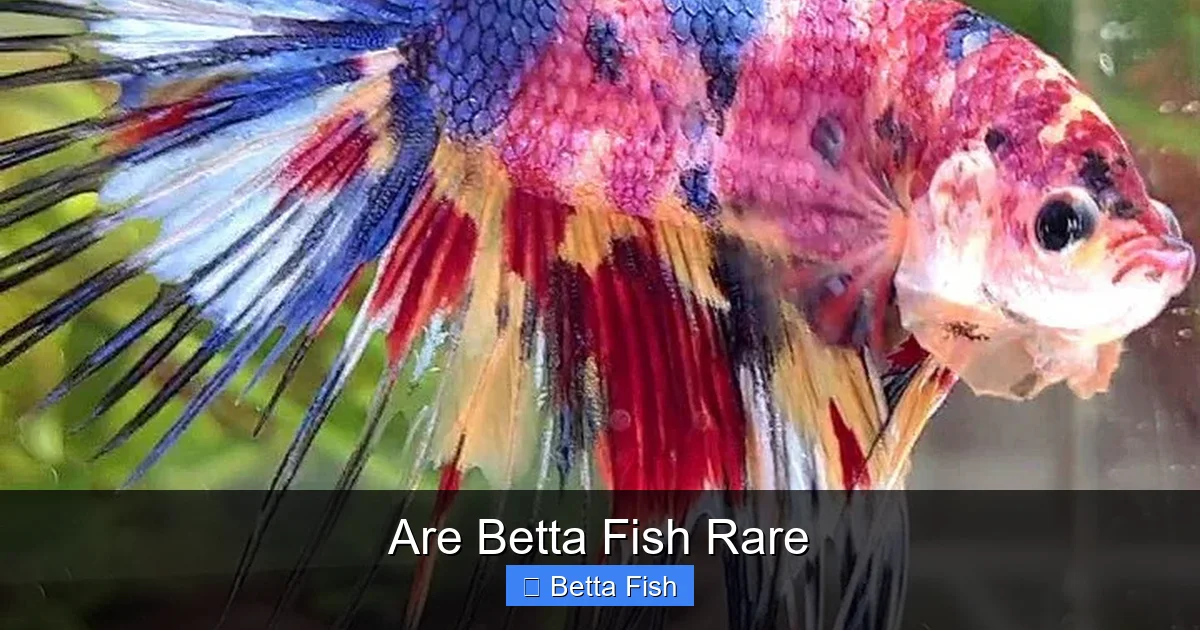
Betta fish are not truly rare in the pet trade, but certain colors, patterns, and wild‑type varieties can be hard to find. Understanding what makes a betta “rare” helps you choose the right fish, avoid scams, and give proper care.
Key Takeaways
- Common vs. rare: Most bettas sold in stores are readily available, while wild‑type and designer strains are scarce.
- Price signals rarity: High cost often reflects limited supply, not just fancy looks.
- Breeding matters: Selective breeding creates rare traits, but also can cause health issues.
- Conservation angle: True wild bettas are protected in their native habitats and should not be collected.
- Buy smart: Research sellers, ask about lineage, and avoid “too‑good‑to‑be‑true” offers.
- Care basics stay the same: Rare bettas need the same water, diet, and space as common ones.
- Enjoy the hobby: Rarity adds excitement, but a healthy, happy betta is the real prize.
📑 Table of Contents
Introduction: Why the Question Matters
When you walk into a pet store and see a glittering, long‑tailed betta, you might wonder, are betta fish rare? The answer isn’t a simple yes or no. In the world of aquarium hobbyists, “rare” can mean many things: a fish that is hard to find, a fish that costs a lot, or a fish that exists only in the wild.
Understanding the nuances helps you make smarter purchases, supports ethical breeding, and keeps your new pet healthy. Let’s dive into the history, the genetics, and the market forces that shape the rarity of betta fish.
1. The Natural History of Betta Fish
Where Betta Fish Come From
Betta fish (Betta splendens) are native to the shallow, slow‑moving waters of Thailand, Cambodia, and Vietnam. In the wild they live among rice paddies, leaf litter, and dense vegetation. Their natural habitat is seasonal; during the dry season, water bodies shrink, and the fish survive in tiny puddles.
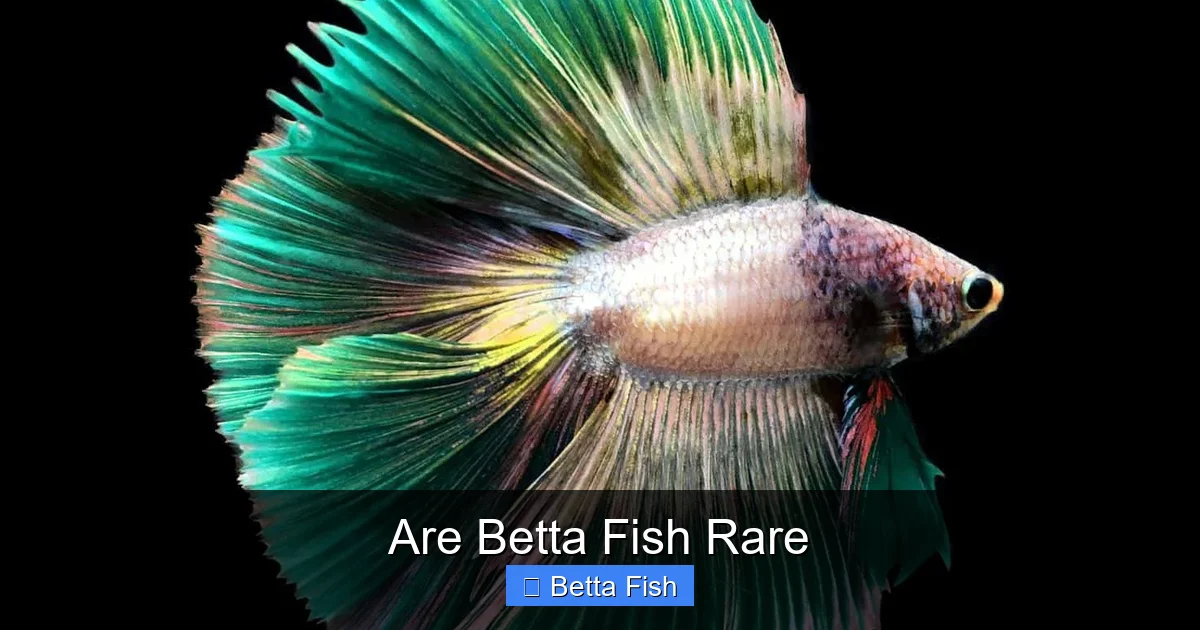
Visual guide about Are Betta Fish Rare
Image source: aquariadise.com
Because of this adaptation, wild bettas have a hardy nature, but they also develop unique color patterns and fin shapes that differ from the mass‑produced aquarium varieties.
Wild‑Type vs. Captive‑Bred Betta
Wild‑type bettas are typically brownish‑gray with subtle iridescence. They lack the bright blues, reds, and metallic scales that dominate pet store shelves. Collecting true wild bettas is now heavily regulated, making them genuinely rare and expensive.
Most of the bettas you see in a store are several generations removed from the wild and have been selectively bred for color, tail shape, and temperament. This selective breeding is the main driver behind the perception of rarity.
2. What Makes a Betta “Rare”?
Color and Pattern
Colors like “metallic gold,” “copper,” “triple‑tail,” or “half‑moon” are the result of careful line‑breeding. These traits appear in only a small percentage of each breeding cycle, so they are produced in limited numbers.
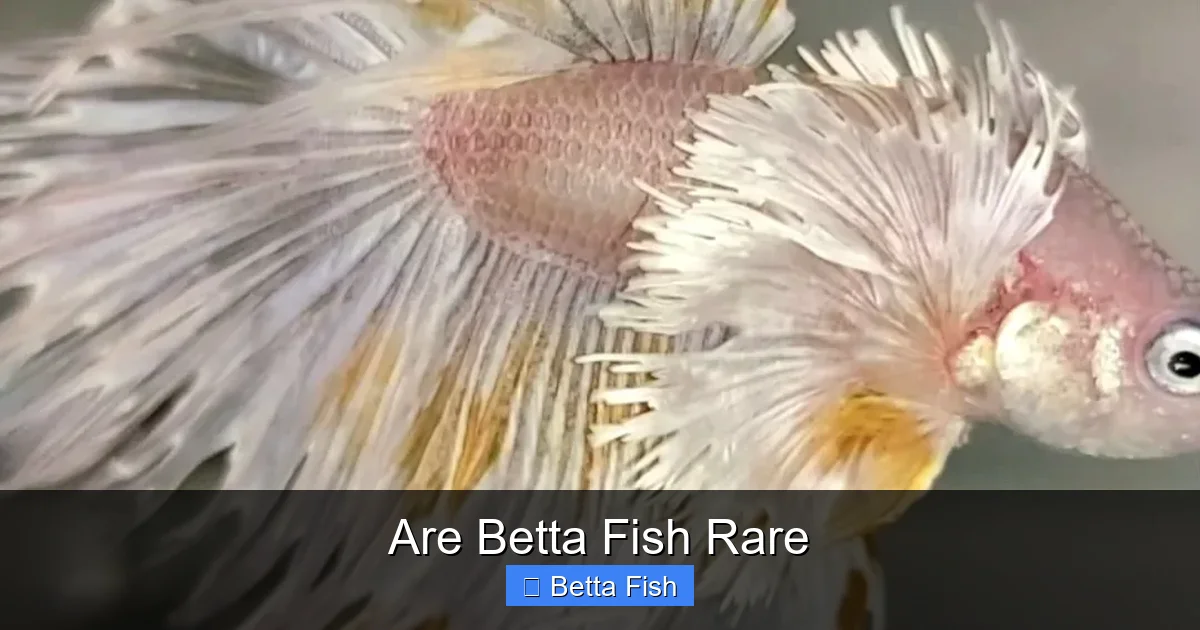
Visual guide about Are Betta Fish Rare
Image source: rarebettafishstore.com
When a breeder finally gets a perfect example, it can command a premium price. That’s why you’ll often see listings that say, “Limited edition, only 5 available.”
Fin Types and Tail Shapes
Standard bettas have a single, flowing tail. Rare varieties include:
- Double‑tail: Two symmetrical tails that give a fuller look.
- Half‑moon: A tail that forms a perfect 180‑degree fan.
- Delta and Veiltail: Wider fins that sweep back like a kite.
These forms require precise genetic combinations, making each successful hatch a noteworthy event.
Genetic Lineage and Pedigree
Just like pure‑bred dogs, some bettas come from “award‑winning” bloodlines. A fish from a well‑known line may be labeled “rare” because the breeder has limited the number of offspring released each year.
When you read an article about why some betta fish are more expensive, you’ll see that pedigree plays a big role in price—and perceived rarity.
3. Market Forces: Supply, Demand, and Pricing
Why Are Rare Betta Prices So High?
Rarity drives price in three ways:
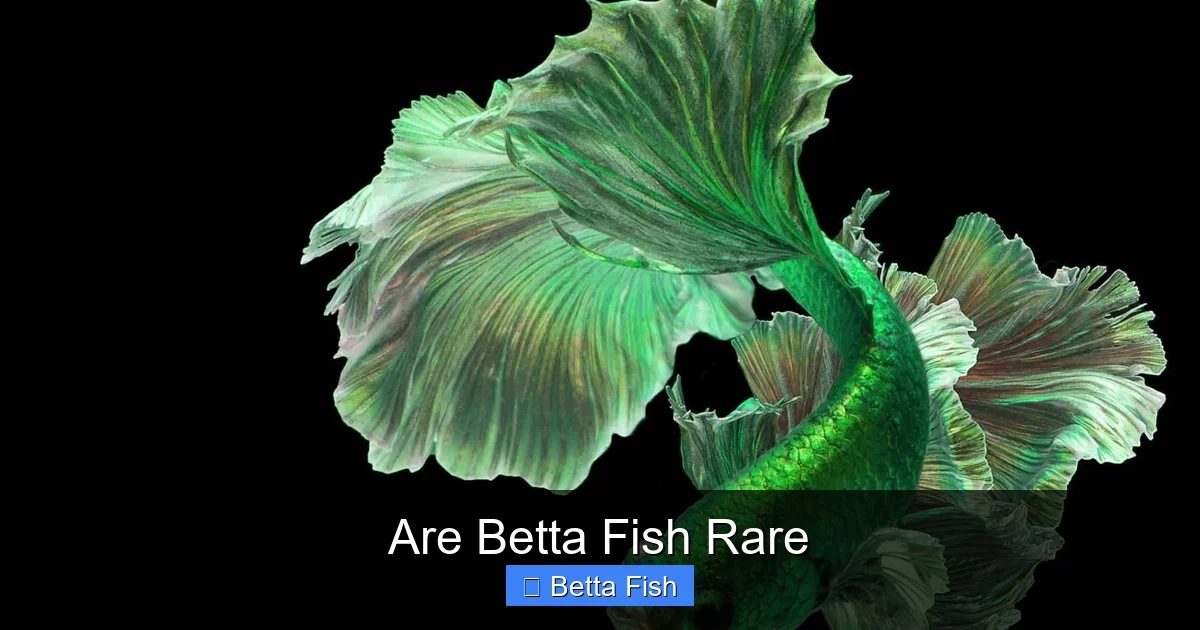
Visual guide about Are Betta Fish Rare
Image source: aquariadise.com
- Limited supply: Breeders may only produce a handful of a particular color each month.
- High demand: Collectors chase after unique fish to showcase in community tanks.
- Cost of breeding: Maintaining pure lines, testing water, and providing optimal nutrition adds up.
These factors combine to make a rare betta cost anywhere from $30 to over $200, compared with the $5‑$10 price tag of a common variety.
Online Marketplaces and Scams
Because the word “rare” is a strong marketing hook, some sellers exaggerate rarity to inflate prices. Look for clear photos, lineage information, and reputable reviews before buying.
For a quick sanity check, read are betta fish easy to care for—if a seller claims a fish is both “rare” and “hard to keep,” you might be dealing with a red flag.
4. Conservation and Ethical Considerations
Protecting Wild Populations
True wild bettas are part of a fragile ecosystem. Over‑collection for the pet trade can threaten local habitats. Many countries now require permits for exporting wild specimens, which further limits availability.
Choosing captive‑bred fish helps protect wild stocks and supports responsible breeding practices.
Supporting Ethical Breeders
Look for breeders who:
- Provide health guarantees.
- Maintain clean, well‑filtered tanks.
- Offer transparent information about genetics.
These practices ensure the fish you buy is healthy, regardless of its rarity.
5. Care Tips for Rare Betta Fish
Water Quality Is Still King
Whether your betta is a common blue or a rare copper half‑moon, it needs clean, warm water (78‑80°F). Use a small filter or perform regular water changes of 25‑30% each week.
Tank Size and Enrichment
Even though many people keep bettas in tiny bowls, a 5‑gal tank with live plants provides a more natural environment and reduces stress. Read why are betta fish tanks so small for more on proper setup.
Feeding a Fancy Fighter
Offer high‑quality betta pellets, frozen or live brine shrimp, and occasional bloodworms. Rare varieties may have delicate fins, so avoid over‑feeding to prevent water quality issues that can damage those beautiful tails.
Monitoring Health
Watch for signs like faded colors, torn fins, or white spots. Early detection can prevent loss of a prized rare fish.
Conclusion: Rarity Is a Bonus, Not a Requirement
So, are betta fish rare? In the broad sense, no—most bettas are widely available. However, specific colors, patterns, and wild‑type strains can be genuinely scarce and command higher prices.
The key is to enjoy the hobby responsibly. Whether you pick a common blue betta or a limited‑edition half‑moon, providing proper care will make your fish shine. Remember, rarity adds excitement, but a healthy, happy betta is the true treasure.
Frequently Asked Questions
Are wild‑type betta fish available for purchase?
True wild‑type bettas are rare and often protected by law, making them difficult to find in the hobby market. Most sellers offer captive‑bred strains instead.
Do rare bettas require special tank setups?
No, the basic care requirements are the same. A 5‑gallon tank with clean, warm water, gentle filtration, and live plants works well for both common and rare varieties.
Why do some bettas cost more than others?
Price differences usually reflect limited supply, unique colors or fin types, and the reputation of the breeder. Rarity and pedigree drive higher costs.
Can I breed my own rare betta?
Breeding for rare traits is challenging and often requires several generations of selective pairing. It’s best left to experienced hobbyists who can manage genetics and health risks.
Is it ethical to buy a “rare” betta?
Buying captive‑bred rare bettas is generally ethical, especially when the breeder follows responsible practices. Avoid purchasing wild‑caught fish, as they can harm natural populations.
How can I tell if a betta’s rarity claim is genuine?
Look for clear photos, detailed lineage information, and reviews of the seller. If the price seems too high for the description, it may be an exaggerated claim.