Betta fish are not poisonous to other fish, but their aggressive nature can make tank mates risky. Understanding the reasons behind their behavior and providing proper tank conditions can help you create a harmonious aquarium.
Key Takeaways
- Betta fish are not venomous: They do not produce toxins that harm other fish.
- Territorial aggression is the main issue: Males especially will flare, chase, and sometimes bite.
- Tank size and setup matter: A larger, well‑planted tank reduces stress and conflict.
- Choose compatible species: Small, fast‑swimming, or bottom‑dwelling fish are best companions.
- Monitor water parameters: Good water quality keeps all fish healthy and less prone to aggression.
- Separate genders when needed: Two males together will almost always fight.
- Observe and intervene early: Quick action prevents injuries and loss of fish.
📑 Table of Contents
- Introduction: The Myth of Betta Toxicity
- 1. What Makes Betta Fish “Aggressive”?
- 2. Are Betta Fish Poisonous?
- 3. Choosing Tank Mates: Compatibility Is Key
- 4. Setting Up a Betta‑Friendly Community Tank
- 5. Managing Aggression and Preventing Injuries
- 6. Frequently Overlooked Factors
- Conclusion: Betta Fish Are Not Poisonous, But They Can Be Problematic
Introduction: The Myth of Betta Toxicity
When you first hear the word “betta,” you might picture a brightly colored fish flaring its fins like a tiny peacock. Many new hobbyists wonder if that striking display hides a dangerous secret: are betta fish poisonous to other fish? The short answer is no—betta fish do not release toxins that can poison tank mates. The real problem lies in their temperament.
Betta fish, especially males, are naturally territorial. In the wild they defend small puddles and rice paddies from rivals. When we bring them into a community aquarium, that instinct can turn into fin‑flaring aggression, chasing, or even biting. Understanding why they act this way, and how to manage it, is the key to a peaceful tank.
1. What Makes Betta Fish “Aggressive”?
1.1 Natural territorial behavior
Betta fish (Betta splendens) originate from shallow, stagnant waters in Southeast Asia. These habitats are limited in space, so each male stakes out a tiny territory and guards it fiercely. In a confined aquarium, that instinct is amplified because there is little room to retreat.
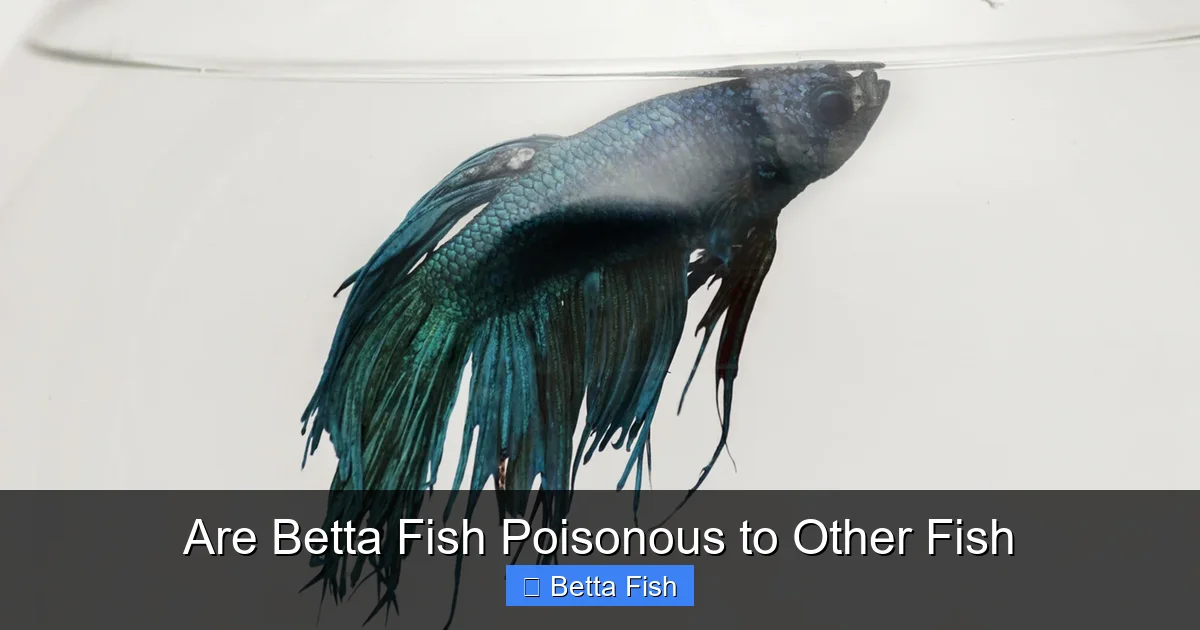
Visual guide about Are Betta Fish Poisonous to Other Fish
Image source: blogger.googleusercontent.com
1.2 Gender differences
Male bettas are the classic “fighters.” They have larger, more elaborate fins and a broader head, which they use to intimidate rivals. Female bettas can be aggressive too, but they are generally less confrontational. If you keep more than one male together, expect constant flaring and possible serious injuries.
1.3 Environmental triggers
Bright lighting, sudden temperature changes, or a lack of hiding spots can increase stress. Stressed bettas are more likely to act out, even toward non‑aggressive tank mates. Providing a stable environment helps keep aggression in check.
2. Are Betta Fish Poisonous?
2.1 No venom, no poison
Unlike some pufferfish or lionfish, bettas do not have venom glands or poisonous skin. Their “attacks” are purely physical—biting or nipping with their tiny teeth. Therefore, they cannot poison another fish through a bite or a slime coat.
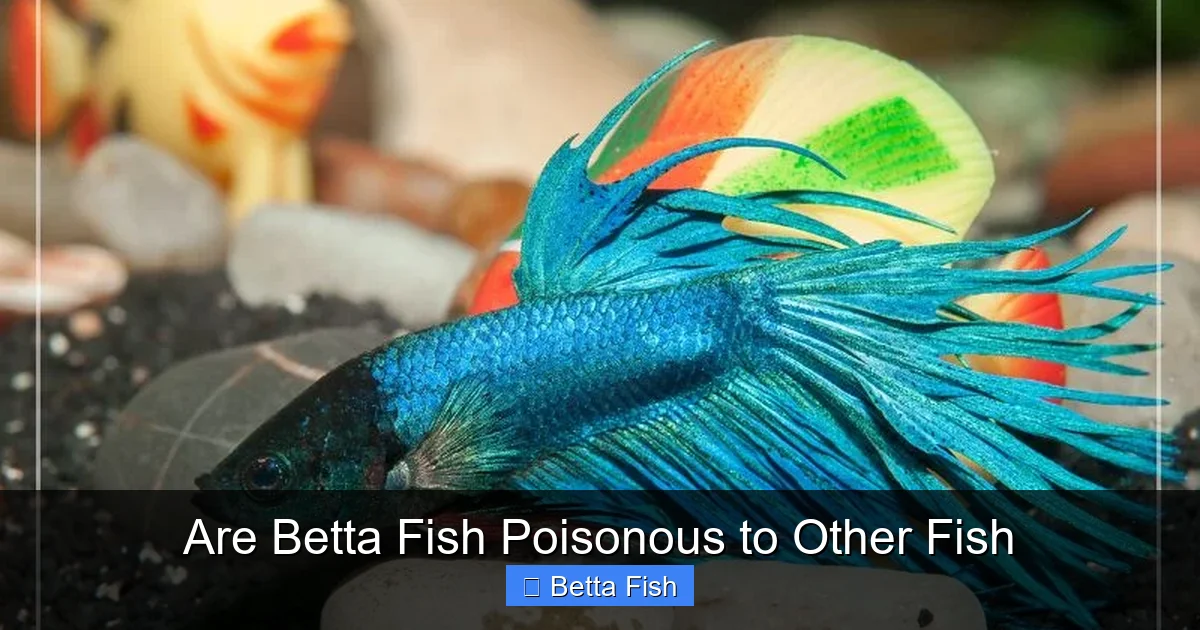
Visual guide about Are Betta Fish Poisonous to Other Fish
Image source: smartaquariumguide.com
2.2 Misconceptions from the wild
In the wild, bettas sometimes release a faint “mucus” that can carry disease agents, but this is not a toxin. In a clean, well‑maintained aquarium, the risk of disease transmission is low, especially if you quarantine new fish.
2.3 When “poison” is mentioned
Some hobbyists use the word “poison” to describe the stress‑induced illnesses that can spread when aggressive fish chase each other. The stress can weaken a fish’s immune system, making it more susceptible to bacterial infections. This is a secondary effect, not a direct poison.
3. Choosing Tank Mates: Compatibility Is Key
3.1 Size and swimming style
Small, fast‑swimming fish such as neon tetras or harlequin rasboras can often coexist with a single male betta because they can dart away when the betta flares. Bottom‑dwelling species like Corydoras catfish stay out of the betta’s line of sight, reducing confrontations.
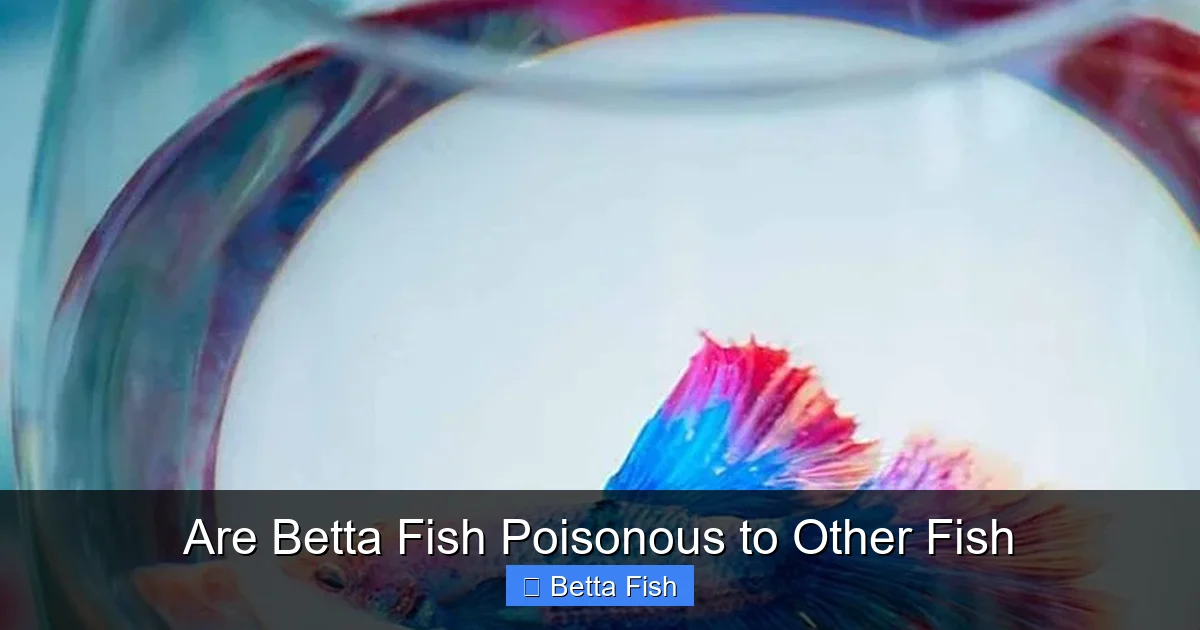
Visual guide about Are Betta Fish Poisonous to Other Fish
Image source: i.pinimg.com
3.2 Avoid fin‑nippers
Species that like to nip at fins—such as some barbs or larger tetras—should be avoided. A betta’s long, flowing fins become an easy target, leading to fin rot and stress.
3.3 Plant and décor considerations
Live plants, driftwood, and caves create visual barriers. They give the betta places to hide and break up sight lines, which can calm aggressive displays. See our guide on where to buy live plants for betta fish for plant recommendations.
3.4 Recommended community fish
- Harlequin Rasboras
- Neon Tetras
- Corydoras catfish
- Otocinclus algae eaters
- Small snails (e.g., Nerite snails)
4. Setting Up a Betta‑Friendly Community Tank
4.1 Tank size matters
While a single male betta can live in a 2‑gallon bowl, a community tank should be at least 10 gallons. More water means more space for territories and less chance of constant visual contact.
4.2 Filtration and water quality
Good filtration keeps ammonia and nitrite levels low, which reduces stress for all fish. Use a gentle sponge filter to avoid strong currents that can stress bettas, who prefer calm water.
4.3 Temperature and pH
Betta fish thrive at 78‑80°F (25‑27°C) with a pH of 6.5‑7.5. Consistent temperature prevents sudden aggression spikes. A reliable heater and a thermometer are essential.
4.4 Lighting and décor
Provide moderate lighting—bright enough for plants but not blinding. Add floating plants or leaf litter to create shaded zones. These elements mimic the betta’s natural habitat and give shy tank mates places to hide.
4.5 Acclimation process
When introducing a betta to a community tank, use the drip acclimation method over 30–60 minutes. This reduces shock and allows the betta to adjust to the new water parameters. Learn more about acclimation at how long to acclimate betta fish.
5. Managing Aggression and Preventing Injuries
5.1 Observing behavior
Watch for flaring, rapid fin movement, or chasing. If a betta targets a specific fish repeatedly, it may be time to separate them.
5.2 Using divider nets
Transparent dividers let you keep fish in the same tank while preventing direct contact. This is useful during the first few weeks of introduction.
5.3 Treating injuries
If a fish is nipped, treat the wound with a mild antiseptic dip (e.g., aquarium salt bath) and monitor for signs of infection like cloudy fins or loss of appetite.
5.4 When to rehome
Sometimes a betta simply cannot coexist with any other fish. In that case, consider a dedicated species‑only tank. It’s better for the betta’s health than a constant state of stress.
6. Frequently Overlooked Factors
6.1 Feeding the right diet
High‑quality betta pellets or frozen foods keep the fish healthy and less irritable. Overfeeding can foul the water, leading to aggression. For feeding tips, see how often are you supposed to feed betta fish.
6.2 Gender dynamics
If you keep multiple bettas, always separate males. Two females can sometimes share a tank if there’s plenty of space and visual barriers, but keep a close eye on them.
6.3 Seasonal changes
During breeding season, males become extra territorial. If you notice increased aggression, consider a temporary separation.
Conclusion: Betta Fish Are Not Poisonous, But They Can Be Problematic
Betta fish do not produce toxins that harm other fish, so the short answer to the headline question is a clear “no.” However, their natural aggression, especially in males, can create a hostile environment for tank mates. By choosing compatible species, providing ample space, planting plenty of hiding spots, and monitoring water quality, you can greatly reduce the risk of conflict.
Remember, a happy betta is a calm betta. When you give it the right conditions, you’ll enjoy its dazzling colors without fear of losing other fish to unnecessary stress or injury. Happy fishkeeping!
Frequently Asked Questions
Are betta fish venomous?
No. Betta fish do not have venom glands and cannot poison other fish through bites or skin contact.
Why does my betta chase other fish?
Betta fish are territorial. They see other fish as intruders and may flare, chase, or bite to defend their space.
Can I keep a male betta with a female betta?
A male and female can be kept together only for breeding purposes and only under careful supervision. Otherwise, aggression is likely.
What types of fish are safest with a betta?
Fast‑swimming, small schooling fish like neon tetras, or bottom‑dwelling species such as Corydoras catfish, are usually the safest companions.
How can I reduce my betta’s aggression?
Provide a larger tank, plenty of plants or decorations for hiding, maintain stable water parameters, and avoid bright, direct lighting.
Is it okay to feed betta food to other fish?
Betta pellets are high in protein and not ideal for most community fish. It’s better to feed species‑specific diets to each fish.

