Are Betta Fish Ornamental Fish
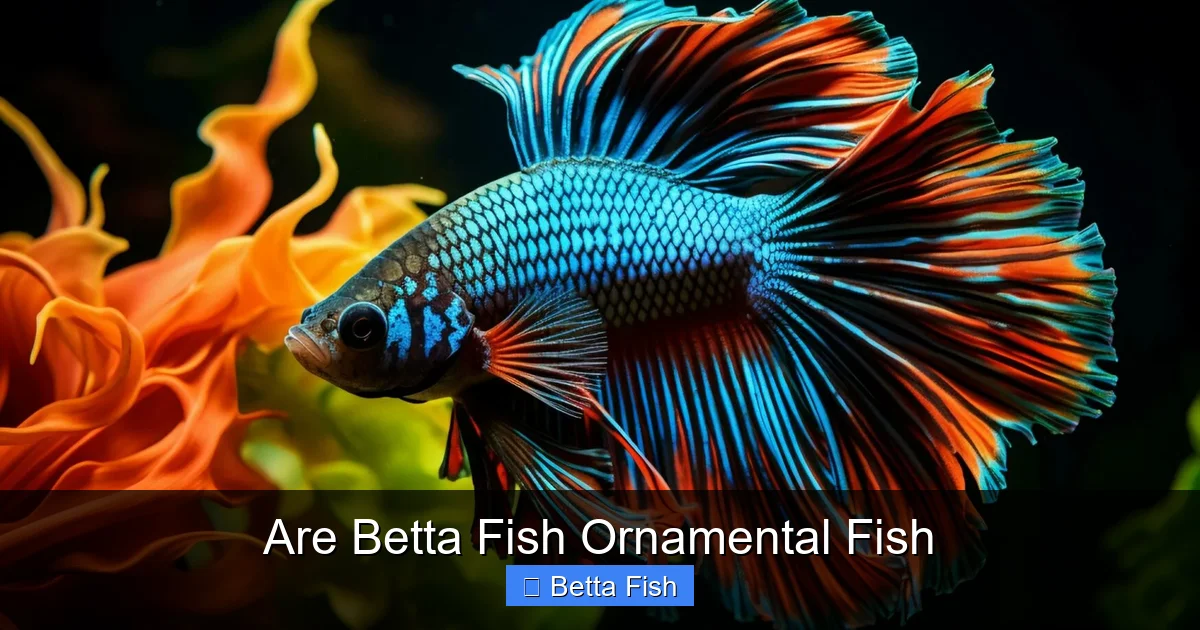
Betta fish are indeed ornamental fish, prized for their vivid colors and flowing fins. They thrive in well‑maintained tanks, making them a popular choice for both beginners and seasoned hobbyists.
Key Takeaways
- Ornamental status: Betta fish are classified as ornamental due to their striking appearance.
- Care simplicity: They are relatively easy to care for when provided with proper water parameters.
- Living environment: A spacious, filtered tank with live plants mimics their natural habitat.
- Behavior traits: Males are aggressive toward each other, while females can coexist peacefully.
- Legal and ethical buying: Choose reputable breeders to avoid supporting wild‑caught stocks.
- Compatibility: Only certain peaceful species share a tank with bettas.
- Health monitoring: Regular checks prevent common problems like fin rot and white‑spot disease.
📑 Table of Contents
- Introduction: Why the Question Matters
- What Makes a Fish “Ornamental”?
- Betta Fish: The Quintessential Ornamental Species
- Setting Up the Perfect Ornamental Tank
- Care Basics: Keeping Your Ornamental Betta Healthy
- Economic and Ethical Aspects of Ornamental Betta Keeping
- Conclusion: Embracing the Ornamental Elegance of Betta Fish
Introduction: Why the Question Matters
When you stroll through a pet store and see a tank full of brilliant, flaring fish, you might wonder, are betta fish ornamental fish? The answer is more than a simple “yes.” It opens a door to understanding a whole hobby built around beauty, behavior, and responsible care.
Betta fish, also called Siamese fighting fish, have been adored for centuries in their native Thailand. Today, they grace living rooms, classrooms, and office cubicles worldwide. Knowing that they belong to the ornamental fish category helps you appreciate why they are bred for color, fin shape, and temperament. It also guides you to give them the environment they deserve.
What Makes a Fish “Ornamental”?
Definition and History
Ornamental fish are species kept primarily for their visual appeal rather than for food, sport, or research. They are selectively bred to enhance colors, patterns, and fin structures. Betta fish fit this definition perfectly; breeders have created dozens of varieties, from the classic “Half‑Moon” tail to the delicate “Veil” and the flamboyant “Dragon” morph.
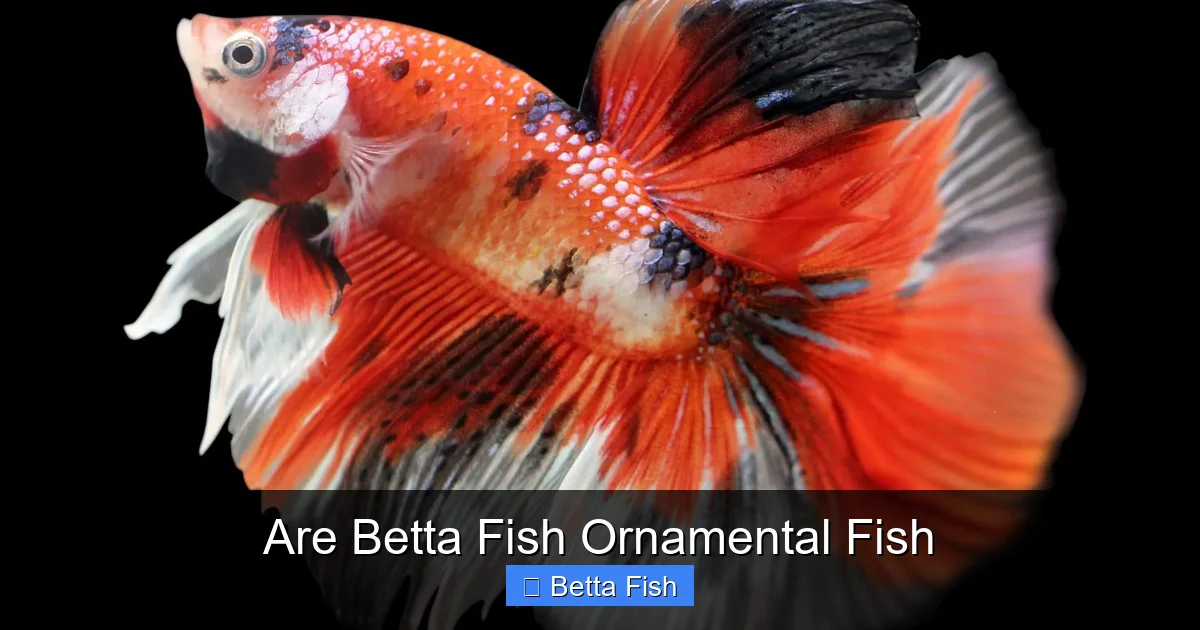
Visual guide about Are Betta Fish Ornamental Fish
Image source: aquariadise.com
Key Characteristics of Ornamental Species
- Vivid coloration: Natural pigments are intensified through selective breeding.
- Unique finnage: Tail and dorsal shapes become exaggerated.
- Temperament: Many ornamental fish are territorial, a trait that can be managed with proper tank setups.
- Market demand: Their beauty drives a thriving aquarium trade.
Betta Fish: The Quintessential Ornamental Species
Physical Beauty
Betta fish are renowned for their kaleidoscopic colors—electric blues, fiery reds, metallic greens, and even pastel pinks. Their fins can be long and flowing, short and rounded, or intricately ruffled, depending on the strain. This visual diversity is why hobbyists often refer to bettas as “living works of art.”
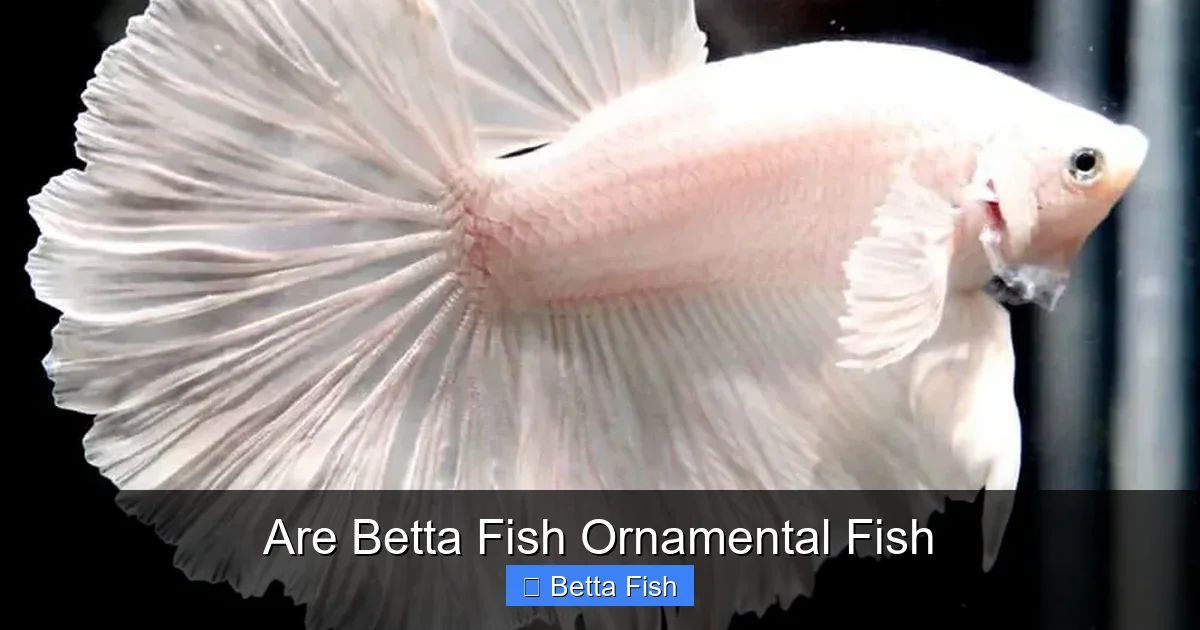
Visual guide about Are Betta Fish Ornamental Fish
Image source: 5.imimg.com
Selective Breeding and Variety
Since the 20th century, breeders in Asia and the West have focused on creating new patterns. The result is a catalog of over 200 recognized varieties. For a deeper dive into the origins of these colors, read our article on why betta fish are so colorful.
Behavior That Complements Their Looks
Male bettas are famously aggressive toward other males—an instinct that once helped them defend territories in rice paddies. This aggression is a hallmark of many ornamental fish, and it influences how you set up a tank. Female bettas, however, can often live together in groups called “sororities,” adding a dynamic visual display.
Setting Up the Perfect Ornamental Tank
Tank Size and Shape
While many beginners start bettas in tiny bowls, research shows that a 5‑gal (19‑liter) tank is the minimum for a healthy ornamental display. A larger tank provides space for swimming, reduces stress, and allows you to add live plants that enhance the visual appeal.
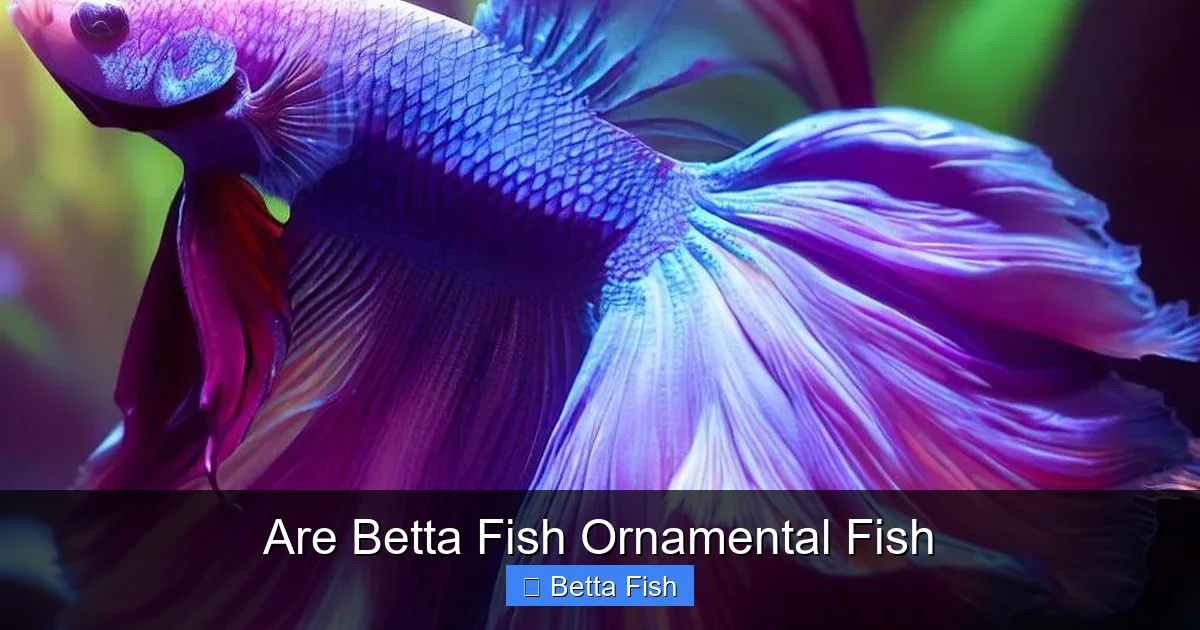
Visual guide about Are Betta Fish Ornamental Fish
Image source: miro.medium.com
Water Parameters
Betta fish are tropical freshwater fish. Aim for a temperature of 76‑82°F (24‑28°C), a pH of 6.5‑7.5, and water hardness of 3‑4 dGH. Consistent parameters keep colors bright and fins strong.
Filtration and Aeration
Even though bettas can breathe surface air with their labyrinth organ, a gentle filter improves water quality and reduces the need for frequent water changes. Use a sponge filter or a low‑flow hang‑on‑back unit to avoid strong currents that could stress the fish.
Live Plants and Décor
Live plants such as Java fern, Anubias, and Marimo moss balls create a natural backdrop that showcases the betta’s colors. They also provide hiding spots, which help reduce aggression. For a list of the best plants, see which live plants are good for betta fish.
Lighting
Soft, dimmable LED lighting brings out the iridescence of betta scales without causing stress. A 10‑hour light cycle mimics natural day‑night rhythms.
Care Basics: Keeping Your Ornamental Betta Healthy
Feeding
Offer high‑quality betta pellets or frozen brine shrimp 2‑3 times daily, adjusting portions to what the fish can consume in a few minutes. Overfeeding leads to cloudy water and health issues.
Health Monitoring
Regularly inspect fins for fraying, white spots, or discoloration. Common problems include fin rot, velvet disease, and ich. Early detection is key—if you notice anything unusual, perform a partial water change and consider a treatment appropriate for the condition.
Compatibility with Other Species
Because bettas are territorial, only peaceful, non‑fin‑nipping species should share their tank. Good companions include small rasboras, neon tetras, and certain shrimp. For a comprehensive guide, read what fish are compatible with betta fish.
Breeding Considerations
If you decide to breed, provide a separate breeding tank with fine leaf litter for egg laying. Keep the male and female together only for a short spawning period to avoid aggression.
Economic and Ethical Aspects of Ornamental Betta Keeping
Cost of Quality Betta Fish
High‑grade ornamental bettas can range from $15 to over $100, depending on rarity and fin type. Cheaper “tank‑breds” may have health issues, so investing in a reputable source is worthwhile.
Supporting Sustainable Breeding
Wild‑caught bettas are rare and often harvested unsustainably. Choose captive‑bred fish from ethical breeders to help preserve natural populations. This practice also ensures healthier, more vibrant ornamental specimens.
Legal Regulations
In some regions, importing wild bettas is restricted. Always check local regulations before purchasing.
Conclusion: Embracing the Ornamental Elegance of Betta Fish
Answering the question, are betta fish ornamental fish, is a simple “yes,” but the journey behind that answer is rich with history, science, and responsibility. Their dazzling colors, unique finnage, and captivating behavior make them the stars of the ornamental aquarium world. By providing a proper tank, consistent care, and ethical sourcing, you not only enjoy their beauty but also honor the tradition of keeping these living works of art.
Whether you’re a first‑time hobbyist or a seasoned aquarist, betta fish offer a rewarding experience that blends aesthetics with a touch of drama. Treat them well, and they’ll reward you with a display that’s truly a conversation starter.
Frequently Asked Questions
Are betta fish considered ornamental fish?
Yes, betta fish are classified as ornamental fish because they are bred and kept mainly for their vivid colors and elaborate fins.
What tank size is best for an ornamental betta?
A minimum of 5 gallons (19 liters) is recommended. Larger tanks provide more swimming space and allow for live plants and décor.
Can bettas live with other fish?
Only peaceful, non‑fin‑nipping species can share a tank with a betta. Research compatibility before adding tank mates.
Do ornamental bettas require special lighting?
Soft, dimmable LED lighting works best. It enhances color without stressing the fish, and a 10‑hour light cycle mimics natural conditions.
How often should I change the water?
Perform a 25‑30% water change weekly, or more often if the tank is heavily stocked or shows signs of cloudiness.
Are male bettas always aggressive?
Male bettas are naturally territorial toward other males, which is why they are often kept alone. Females can be kept together in groups called sororities.