Are Betta Fish Ok in Fast Current
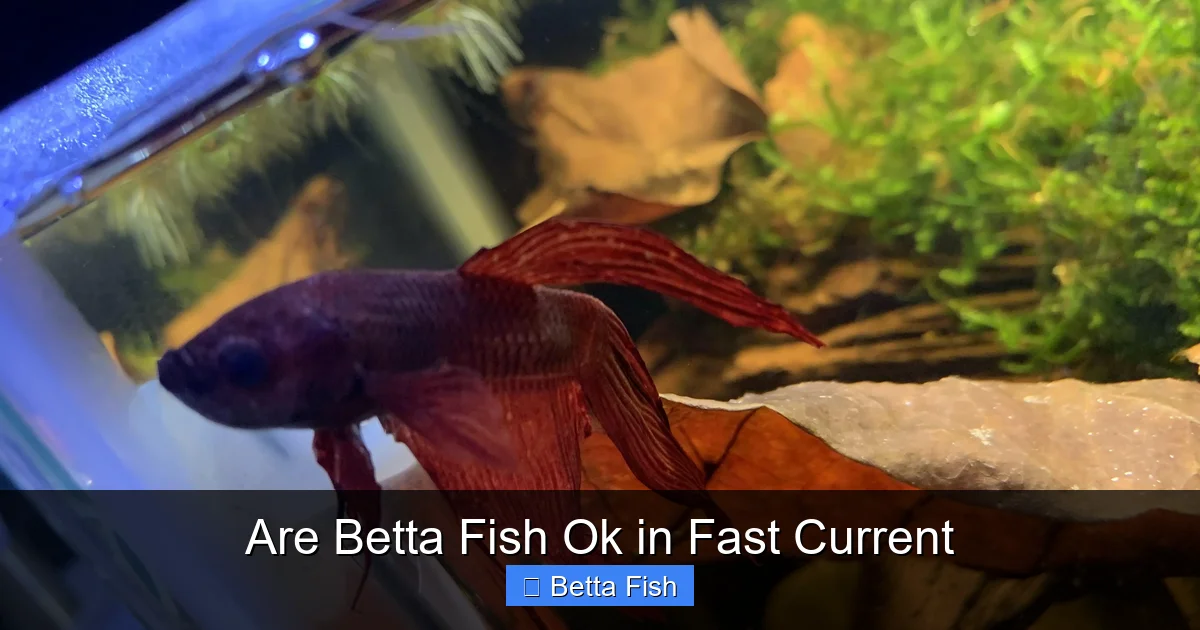
Betta fish are native to calm, shallow waters, so strong currents can stress them. By understanding flow, using the right equipment, and providing hiding spots, you can keep bettas safe even in tanks with some water movement.
Key Takeaways
- Natural habitat matters: Wild bettas live in still or slow‑moving pools, so they prefer low‑flow environments.
- Stress signs are clear: Frayed fins, rapid breathing, and hiding indicate too much current.
- Gentle flow is possible: A small sponge filter or adjustable powerhead set to a low setting can be safe.
- Provide shelter: Plants, caves, and driftwood give bettas places to rest out of the flow.
- Tank size influences flow: Larger tanks dilute water movement, making it easier to control.
- Regular monitoring: Watch behavior daily and adjust flow as needed.
- Internal links help: Learn more about betta habitats and care in related articles.
📑 Table of Contents
- Introduction: Why the Question Matters
- 1. The Betta’s Natural Environment
- 2. Recognizing Stress From Too Much Flow
- 3. How Much Flow Is Too Much?
- 4. Setting Up a Betta‑Friendly Tank With Some Flow
- 5. When Fast Currents Are Unavoidable
- 6. Frequently Overlooked Tips
- Conclusion: Can Betta Fish Live in Fast Current?
Introduction: Why the Question Matters
If you’ve ever set up a community tank with a powerful filter, you might wonder whether a betta can survive there. The short answer is “not without adjustments.” Betta fish (Betta splendens) evolved in the slow‑moving waters of Southeast Asian rice paddies and flood‑plain swamps. Those habitats are calm, with only a gentle ripple from wind or occasional rain. When we place a betta in a tank with a strong current, we’re taking it far from what nature designed it for.
But many hobbyists love the idea of a planted, flowing aquarium that looks lively. So the real challenge is finding a balance: keeping the water clean and oxygenated while protecting your betta from stressful currents. In this guide we’ll break down the science, share practical tips, and answer the most common questions about betta fish and fast water flow.
1. The Betta’s Natural Environment
Where Betta Fish Come From
In the wild, bettas inhabit shallow streams, rice paddies, and stagnant pools in Thailand, Malaysia, and surrounding regions. These waters are typically less than a foot deep, warm (around 78‑82°F / 25‑28°C), and have very little current. The low flow helps the fish conserve energy and display their famous flaring behavior during breeding.
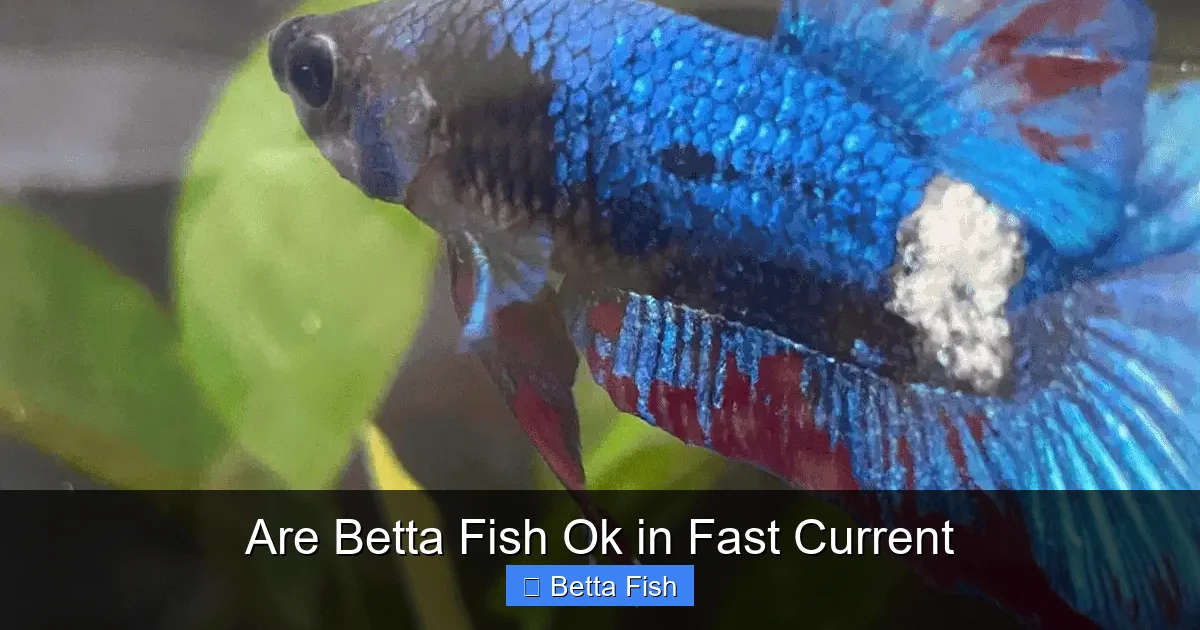
Visual guide about Are Betta Fish Ok in Fast Current
Image source: petfishonline.com
For a deeper look at their natural homes, check out Where Are Betta Fish Found In Nature. Understanding the original habitat is the first step in recreating a suitable tank.
Why Calm Water Is Crucial
Betta fish have a labyrinth organ that lets them breathe air from the surface. While this adaptation means they can survive low‑oxygen water, it also makes them vulnerable to strong currents that push them away from the surface. A fast flow can also damage their delicate fins, especially the long, flowing “veiltail” varieties that are popular among hobbyists.
2. Recognizing Stress From Too Much Flow
Behavioral Red Flags
- Constant hiding: If your betta spends most of the day tucked under a leaf or a piece of driftwood, it may be trying to escape the current.
- Rapid gill movement: Breathing faster than normal often signals that the fish is working harder to get oxygen.
- Clamped fins: When a betta holds its fins close to its body, it’s a classic sign of stress.
- Loss of color: Stressed bettas may appear duller, with their vibrant hues fading.
Physical Symptoms
Prolonged exposure to strong currents can lead to fin rot, especially if the water is also dirty. Look for ragged edges, white spots, or a “frayed” appearance. If you notice these signs, reduce the flow immediately and consider treating the fish with a fin‑rot medication (How To Cure Fin Rot In Betta Fish).
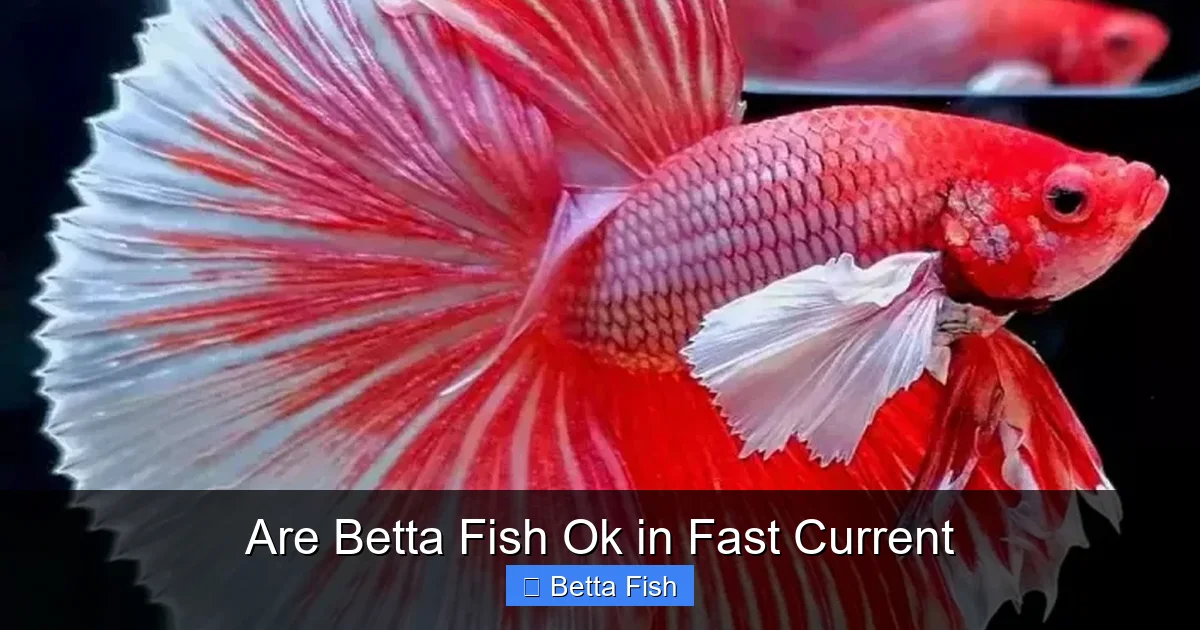
Visual guide about Are Betta Fish Ok in Fast Current
Image source: aquariumfishonline.com.au
3. How Much Flow Is Too Much?
Measuring Flow Rate
Flow is usually measured in gallons per hour (GPH). For a 5‑gallon betta tank, a gentle filter that circulates 2‑3 GPH is often enough. Anything above 5 GPH can feel like a “fast current” to a betta. The rule of thumb: aim for a flow that creates a faint surface ripple rather than a strong stream.

Visual guide about Are Betta Fish Ok in Fast Current
Image source: s7d1.scene7.com
Comparing Filter Types
- Sponge filters: Provide biological filtration with minimal water movement. Ideal for bettas.
- Hang‑on‑back (HOB) filters: Can be adjusted with a flow reducer or baffle to lower the output.
- Powerheads: Useful in larger tanks, but must be set on the lowest setting and directed away from the betta’s main swimming area.
4. Setting Up a Betta‑Friendly Tank With Some Flow
Choosing the Right Equipment
Start with a small, low‑flow sponge filter. If you need extra mechanical filtration, add a HOB filter with a flow‑restrictor. Position the filter’s output near a tank wall or behind a plant to diffuse the water.
Creating Natural Breaks
Plants (real or silk), driftwood, and decorative caves act as “flow breakers.” They break up the water stream and give the betta places to rest out of the current. A dense planting of Java fern or Anubias works well because these species attach to surfaces and don’t need strong water movement.
Example Setup
Imagine a 10‑gallon long tank:
- Install a 2‑inch sponge filter on the left side, set to low.
- Place a small piece of driftwood in the center, creating a barrier.
- Add a cluster of Java moss on the right side to absorb any remaining flow.
- Introduce a betta and watch for any signs of stress for the first 48 hours.
Testing Flow With Your Hand
Place your hand near the water surface. If you can feel a steady stream pushing against your palm, the flow is likely too strong. Aim for a gentle “tickle” instead.
5. When Fast Currents Are Unavoidable
Community Tanks With Active Swimmers
In a community tank, fast‑moving fish like tetras or guppies may need stronger filtration. To keep a betta safe, create a “bubbler zone” using a PVC pipe or mesh that channels the current away from the betta’s corner. This way, other fish get the water movement they need, while the betta stays in a calmer micro‑habitat.
Using a Flow Divider
A simple DIY flow divider can be made with a piece of acrylic or a thick sheet of glass. Cut a slot for water to pass, then position the divider so the betta’s side receives only a fraction of the total flow.
Monitoring Water Quality
Even with reduced flow, keep up with regular water changes (20‑30% weekly) and test parameters (ammonia, nitrite, nitrate). Good water quality reduces the need for high‑flow filters.
6. Frequently Overlooked Tips
Temperature Stability
Fast currents can cause temperature fluctuations, especially in smaller tanks. Use a reliable heater with a thermostat and a thermometer to ensure the water stays between 78‑82°F.
Lighting and Plant Health
Strong flow can disturb delicate plants, causing them to shed leaves that cloud the water. Choose hardy plants that tolerate low flow, or anchor them securely with rocks or plant weights.
Acclimation Process
When moving a betta into a tank with any flow, acclimate it slowly. Float the bag in the tank for 15‑20 minutes, then gradually add tank water to the bag every 5 minutes. This helps the fish adjust to temperature and subtle water movement.
Conclusion: Can Betta Fish Live in Fast Current?
In short, bettas thrive best in calm or gently moving water. A truly “fast current” is stressful and can lead to health problems. However, with thoughtful tank design—using low‑flow filtration, strategic hiding spots, and flow‑dividing techniques—you can safely incorporate a modest amount of water movement. Always observe your fish, adjust as needed, and remember that a happy betta is one that can rest, breathe, and show off those brilliant colors without fighting the current.
By respecting their natural preferences and using the right equipment, you’ll enjoy a vibrant, healthy betta that adds personality to any aquarium, whether it’s a serene betta‑only setup or a lively community tank.
Frequently Asked Questions
Can betta fish survive in a tank with a powerhead?
Yes, but only if the powerhead is set to its lowest setting and directed away from the betta’s main area. Use rocks or plants to break up the flow.
What is the ideal flow rate for a 5‑gallon betta tank?
Aim for 2‑3 gallons per hour. Anything higher can feel like a fast current and cause stress.
How do I know if my betta is stressed by water movement?
Look for clamped fins, rapid gill movement, constant hiding, or a loss of color. These are clear signs that the flow is too strong.
Are sponge filters better than hang‑on‑back filters for bettas?
Sponge filters are generally better because they provide gentle filtration and minimal water movement, which suits bettas perfectly.
Can I keep a betta in a community tank with fast‑swimming fish?
Yes, if you create a calm zone using flow dividers or heavy planting, allowing the betta to stay out of the main current.
Do bettas need strong water movement to stay healthy?
No. Betta fish are adapted to still waters and actually prefer low‑flow environments. Good filtration and regular water changes are more important than strong currents.