Are Betta Fish Miserable
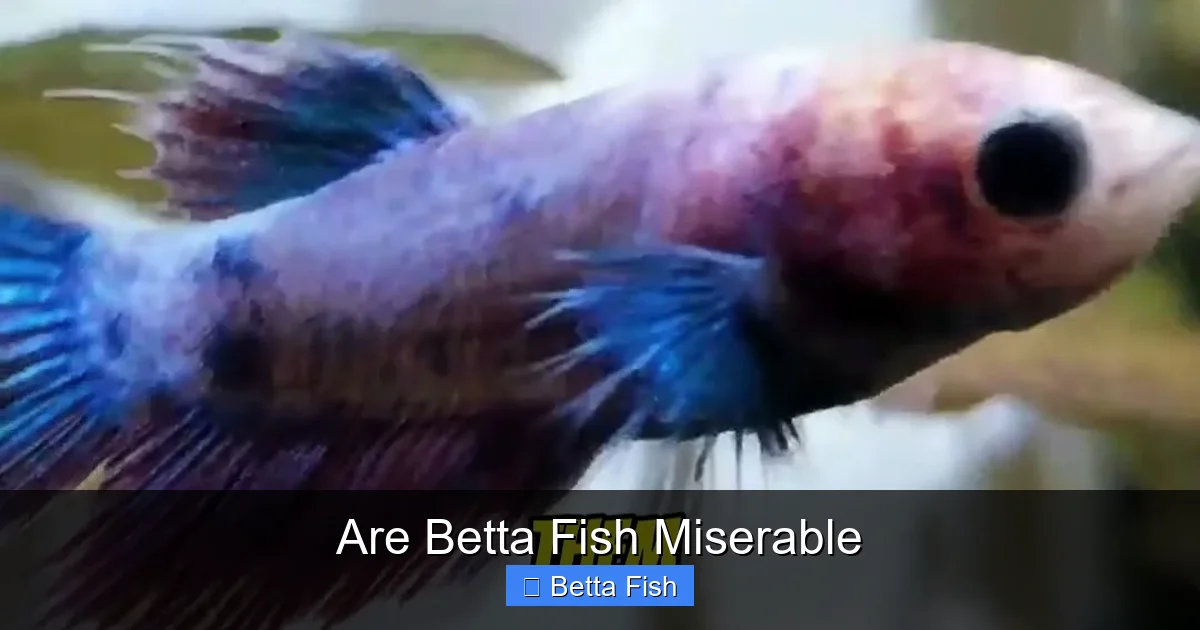
Betta fish are not inherently miserable; their well‑being depends on how we meet their natural needs. With the right tank size, water quality, enrichment, and social understanding, these vibrant fish can thrive and display lively behavior. Learn the warning signs of stress and simple steps to give your betta a happy, healthy life.
Key Takeaways
- Stress cues are visible: faded colors, clamped fins, and abnormal swimming often signal misery.
- Tank size matters: a minimum of 5 gallons with filtration beats the tiny bowls many keep.
- Enrichment prevents boredom: live plants, caves, and gentle water flow keep bettas mentally stimulated.
- Social rules are strict: male bettas are aggressive to other males, while females can coexist if introduced properly.
- Water quality is non‑negotiable: stable temperature, pH 6.5‑7.5, and low ammonia are key to comfort.
- Proper diet reduces misery: high‑protein pellets plus occasional treats mimic their natural feeding.
- Regular observation saves lives: checking behavior daily helps catch problems before they become fatal.
📑 Table of Contents
- Introduction: The Myth of the Sad Betta
- Understanding Betta Biology and Natural Behavior
- Common Signs That a Betta Is Unhappy
- Environmental Factors That Cause Misery
- Social Dynamics: When Are Betta Fish Happy Together?
- Nutrition: Feeding the Happy Betta
- Practical Steps to Turn Misery into Joy
- Conclusion: Are Betta Fish Miserable?
Introduction: The Myth of the Sad Betta
When you first see a betta fish gliding in a tiny bowl, it’s easy to feel sorry for it. Bright colors, delicate fins, and a reputation for fighting lead many to wonder, are betta fish miserable in the homes they inhabit? The short answer is: not necessarily. Like any pet, a betta’s happiness hinges on meeting its biological and psychological needs.
In this guide we’ll explore what “misery” looks like in bettas, why common myths fuel the belief that they suffer, and practical steps you can take to turn a stressed fish into a thriving companion. By the end, you’ll know exactly how to answer the question, “are betta fish miserable?” with confidence.
Understanding Betta Biology and Natural Behavior
Wild origins and natural habitat
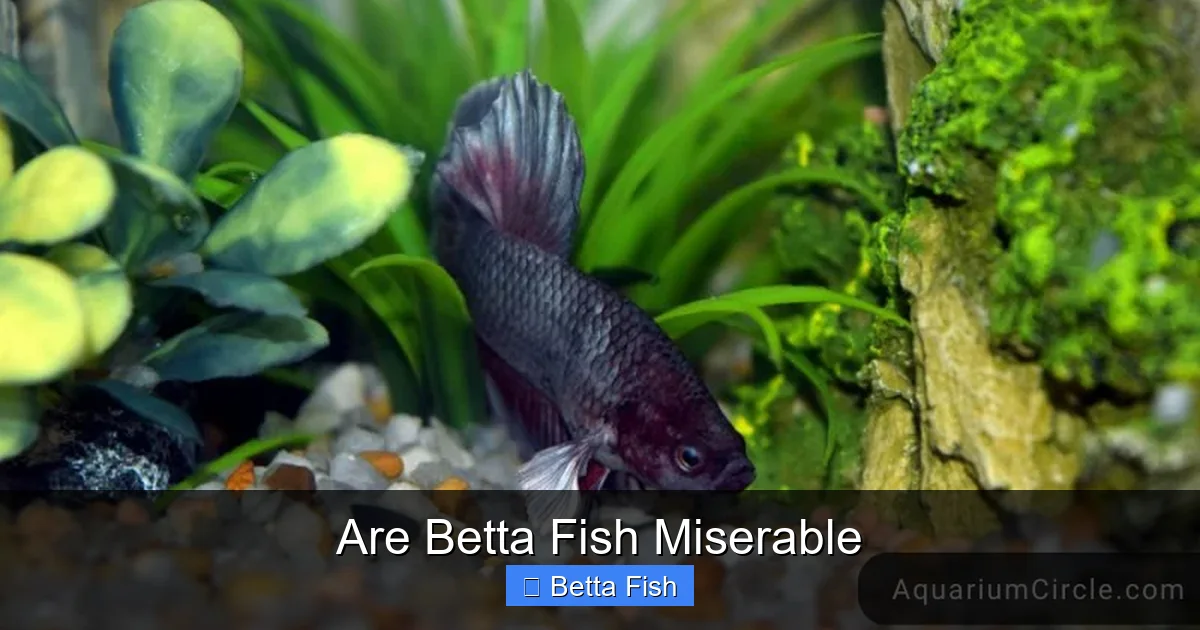
Betta fish (Betta splendens) hail from the shallow, warm waters of Southeast Asia, especially Thailand, Cambodia, and Vietnam. In the wild they live among dense vegetation, slow‑moving streams, and rice paddies where they can hide, hunt, and display their famous flares.
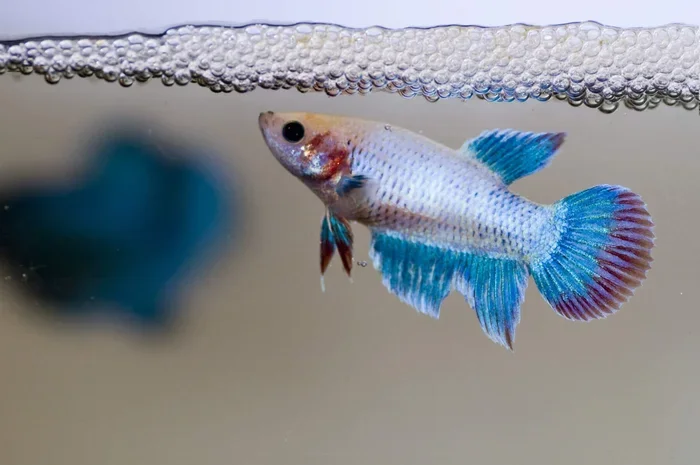
Visual guide about Are Betta Fish Miserable
Image source: aquariumcircle.com
Territorial instincts
Male bettas are fiercely territorial. In nature they guard a small patch of water and will flare at any intruder. This instinct is why many ask, “are betta fish aggressive?” The answer is yes, but aggression is a natural, healthy behavior when given space.
Breathing air with a labyrinth organ
Betta fish possess a labyrinth organ that lets them gulp air from the surface. This adaptation lets them survive in low‑oxygen waters, but it also means they need a calm surface where they can breathe without stress.
Common Signs That a Betta Is Unhappy
Physical indicators
- Faded or blotchy coloration: a vibrant betta will lose its brightness when stressed.
- Clamped fins: fins held close to the body signal fear or discomfort.
- Rapid gill movement: excessive gulping can indicate poor water quality.
- White or black spots on scales: see why are my betta fish’s scales turning white for more details.
Behavioral clues
- Loss of interest in food: a healthy betta eats regularly; refusal often means something is wrong.
- Lethargic swimming: drifting at the bottom or hiding constantly points to stress.
- Constant flaring without reason: may indicate a perceived threat, like a noisy environment or too‑small tank.
Environmental Factors That Cause Misery
Tank size and shape
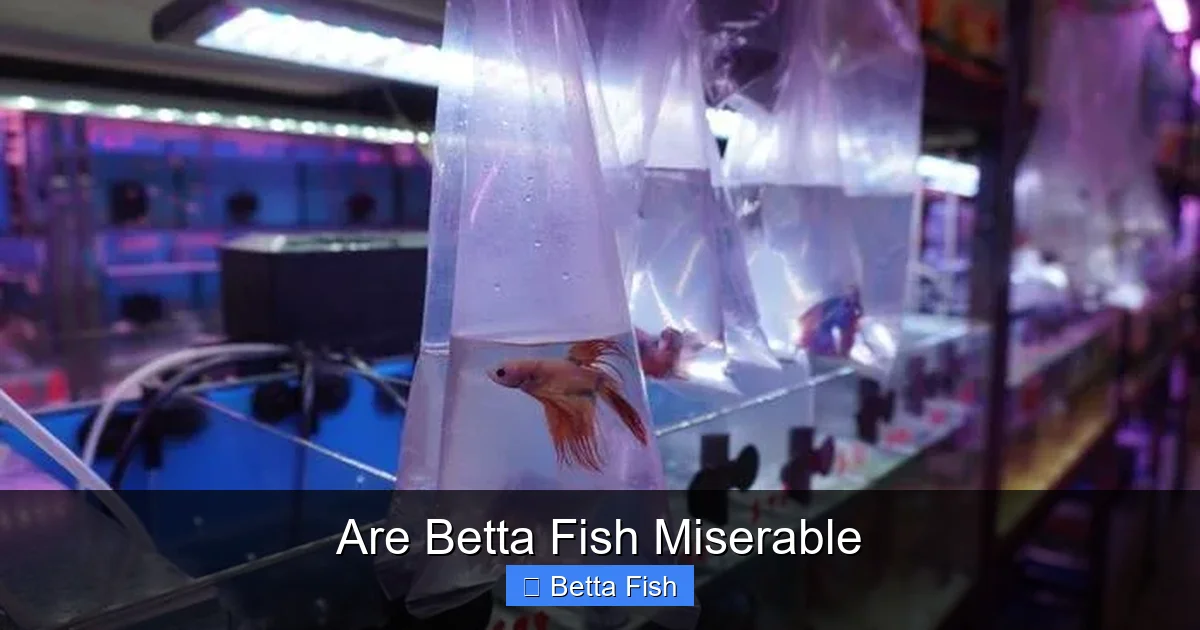
One of the biggest misconceptions is that bettas thrive in tiny bowls. Research shows a minimum of 5 gallons (≈19 liters) with a gentle filter provides stable water parameters and space to explore. Learn why many ask why are betta fish tanks so small and why it’s a harmful myth.
Visual guide about Are Betta Fish Miserable
Image source: scienceblog.com
Visual guide about Are Betta Fish Miserable
Image source: aquariumcircle.com
Water quality essentials
Betta fish are sensitive to ammonia, nitrite, and sudden temperature swings. Keep the water temperature steady at 78‑80°F (25‑27°C), pH between 6.5 and 7.5, and perform weekly 25‑30% water changes. Use a water conditioner to remove chlorine and chloramines.
Lighting and day/night cycle
Betta fish are diurnal, meaning they are active during the day and rest at night. Provide 10‑12 hours of gentle light and a dark period to mimic natural cycles. Over‑bright lighting can stress them, leading owners to wonder, “are betta fish nocturnal?” (they are not).
Enrichment and hiding spots
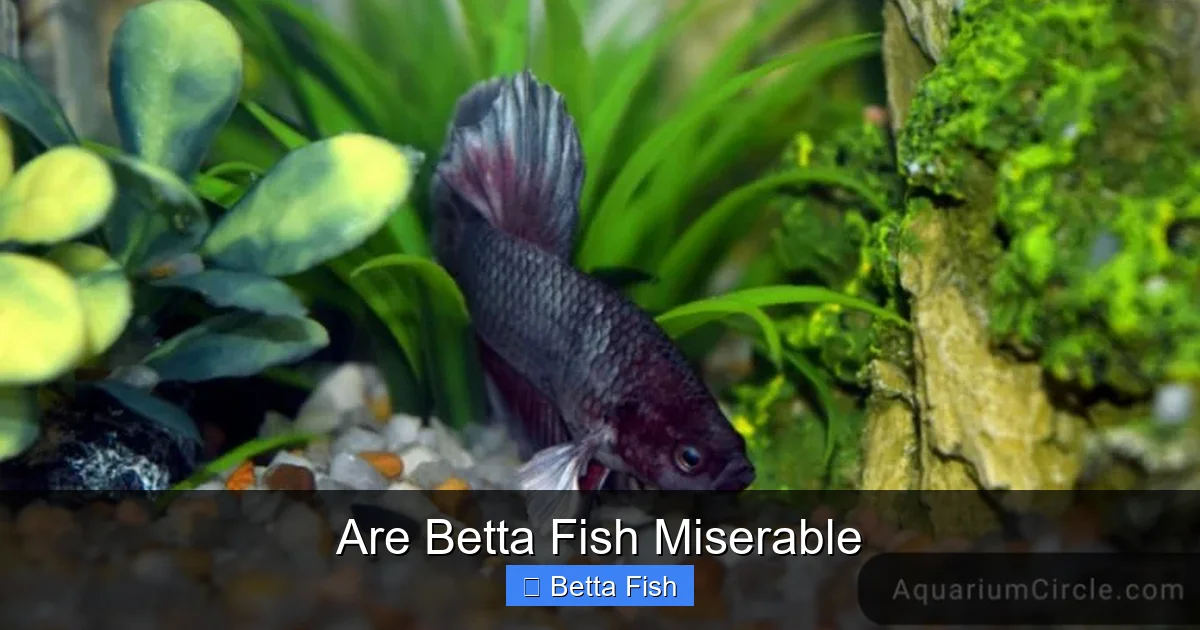
In the wild, bettas weave through plants and roots. In captivity, provide live or silk plants, caves, and driftwood. These structures reduce boredom, a common cause of misery, and allow the fish to exhibit natural exploring behavior.
Social Dynamics: When Are Betta Fish Happy Together?
Male vs. female aggression
Male bettas will fight to the death if placed together. This is why you’ll often read why are male betta fish kept separate. Female bettas can sometimes share a larger tank, but they may still display aggression if the space is insufficient.
Introducing companions safely
If you wish to keep a community tank, choose peaceful species like small rasboras or snails, and ensure the tank is at least 10 gallons. Always monitor interactions during the first week.
Understanding “betta fish mean” myths
Betta fish are not mean by nature; they are simply defending territory. Proper tank setup and respecting their space eliminates the perception of cruelty.
Nutrition: Feeding the Happy Betta
Balanced diet basics
High‑quality betta pellets should make up the core of the diet. Supplement with frozen or live foods such as daphnia, brine shrimp, or bloodworms once or twice a week. Overfeeding leads to poor water quality, which quickly turns a content fish miserable.
Feeding schedule
Offer 2‑3 small meals per day for juveniles, and 1‑2 meals for adults. Remove uneaten food after five minutes to keep the tank clean.
Practical Steps to Turn Misery into Joy
Step 1: Upgrade the tank
Move your betta to a 5‑gallon tank with a sponge filter. Add a heater set to 79°F and a gentle flow to simulate a natural environment.
Step 2: Test and stabilize water
Invest in a liquid test kit. Aim for ammonia = 0 ppm, nitrite = 0 ppm, nitrate < 20 ppm. Adjust pH with driftwood if needed.
Step 3: Add enrichment
Place a handful of live plants like Java fern or Anubias. These not only hide the betta but also improve water quality.
Step 4: Observe daily
Spend a few minutes each day watching for color, fin position, and swimming patterns. Early detection of stress prevents prolonged misery.
Step 5: Adjust diet
Switch to a premium pellet brand and feed occasional treats. Track weight and activity to ensure the fish is thriving.
Step 6: Review social setup
If you have multiple bettas, separate males and provide at least 10 gallons per female group. Use visual barriers if needed.
Conclusion: Are Betta Fish Miserable?
The short answer is: only if their needs are ignored. Betta fish are resilient, intelligent, and capable of showing joy when given proper space, clean water, enrichment, and a balanced diet. By recognizing stress signals and making simple, evidence‑based adjustments, you can transform a potentially miserable fish into a vibrant, active companion that brightens any room.
Remember, the responsibility lies with us, the keepers. When we respect their natural instincts and provide a suitable environment, the question “are betta fish miserable?” becomes a thing of the past.
Frequently Asked Questions
Do betta fish feel pain?
Yes, bettas have a nervous system capable of sensing pain. Poor water conditions or rough handling can cause real distress.
How long can a betta live if cared for properly?
With optimal conditions, bettas often live 3‑5 years, and some even reach 7 years. Longevity is a good sign they are not miserable.
Can I keep a betta in a bowl if I change the water daily?
Daily water changes help, but bowls lack filtration, stable temperature, and space, leading to chronic stress. A small tank is a much better choice.
Are betta fish social animals?
Male bettas are solitary and territorial, while females can be kept in groups if the tank is large enough. Social interaction should be managed carefully.
What is the best way to tell if my betta is stressed?
Look for faded colors, clamped fins, rapid gill movement, and loss of appetite. These are clear indicators that the fish is uncomfortable.
Do betta fish need a heater?
Yes. They are tropical fish that thrive at 78‑80°F (25‑27°C). A reliable heater prevents temperature swings that can cause stress.