Are Betta Fish Male

Betta fish are typically male, especially the vibrant varieties sold in pet stores, but females exist and look different. Knowing the sex helps you prevent fights, plan breeding, and give the right environment for your finned friend.
Key Takeaways
- Sex matters for behavior: Male bettas are territorial and often aggressive toward other males.
- Physical clues: Males usually have longer, flowing fins and display brighter colors.
- Female signs: Females have shorter fins, a more rounded body, and may show a “egg spot” near the vent.
- Breeding basics: Only a male and a female can produce fry; keeping them together requires a proper setup.
- Tank setup: Males should be housed alone, while females can sometimes share a community tank.
- Health monitoring: Misidentifying sex can lead to stress, fin damage, and illness.
- Helpful resources: Use reliable guides to confirm gender and learn proper care.
📑 Table of Contents
- Introduction: Why the Question “Are Betta Fish Male?” Matters
- 1. The Biology Behind Betta Sexes
- 2. How to Tell If Your Betta Is Male or Female
- 3. Why Knowing the Sex Is Crucial for Tank Management
- 4. Setting Up the Perfect Environment Based on Sex
- 5. Common Misconceptions About Betta Sex
- 6. Practical Tips for New Betta Owners
- Conclusion: Embrace the Differences
Introduction: Why the Question “Are Betta Fish Male?” Matters
If you’ve ever walked past a pet store and admired the dazzling colors of a betta fish, you might have wondered whether the fish you’re looking at is male. The answer isn’t just trivia—it shapes how you care for the fish, who it can live with, and whether you can breed it.
Most beginners assume every betta is a male because the ones on display are usually the showy, long‑finmed varieties. In reality, both males and females exist, and each sex has distinct traits. Understanding these differences helps you avoid costly mistakes, such as placing two aggressive males together, and lets you create a happier, healthier aquarium.
1. The Biology Behind Betta Sexes
What Makes a Betta Male?
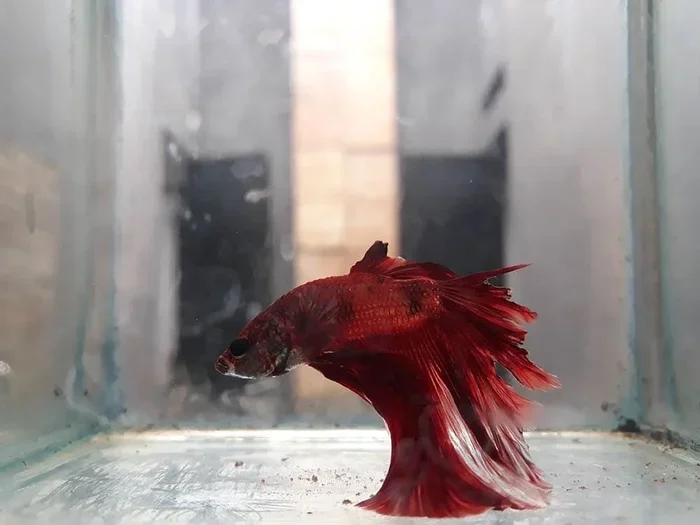
Male bettas (Betta splendens) are genetically programmed to develop larger, more elaborate fins and brighter coloration. These traits are driven by hormones that also make males more territorial. In the wild, this aggression protects their breeding territory.
Visual guide about Are Betta Fish Male
Image source: i.redd.it
Female Betta Characteristics
Females are generally smaller, with shorter, less flowing fins. Their colors can still be vivid, but they tend to be more muted compared to males. A key visual cue is the “egg spot” (or ovipositor) near the vent, which looks like a small dark dot.
Why Most Store Bettas Are Males
Pet stores favor males because they’re more eye‑catching and sell better. The long, flowing fins of a male are a visual selling point, while females’ subtler looks often go unnoticed.
2. How to Tell If Your Betta Is Male or Female
Visual Inspection
Look for these signs:

Visual guide about Are Betta Fish Male
Image source: ekk4j69ebaa.exactdn.com
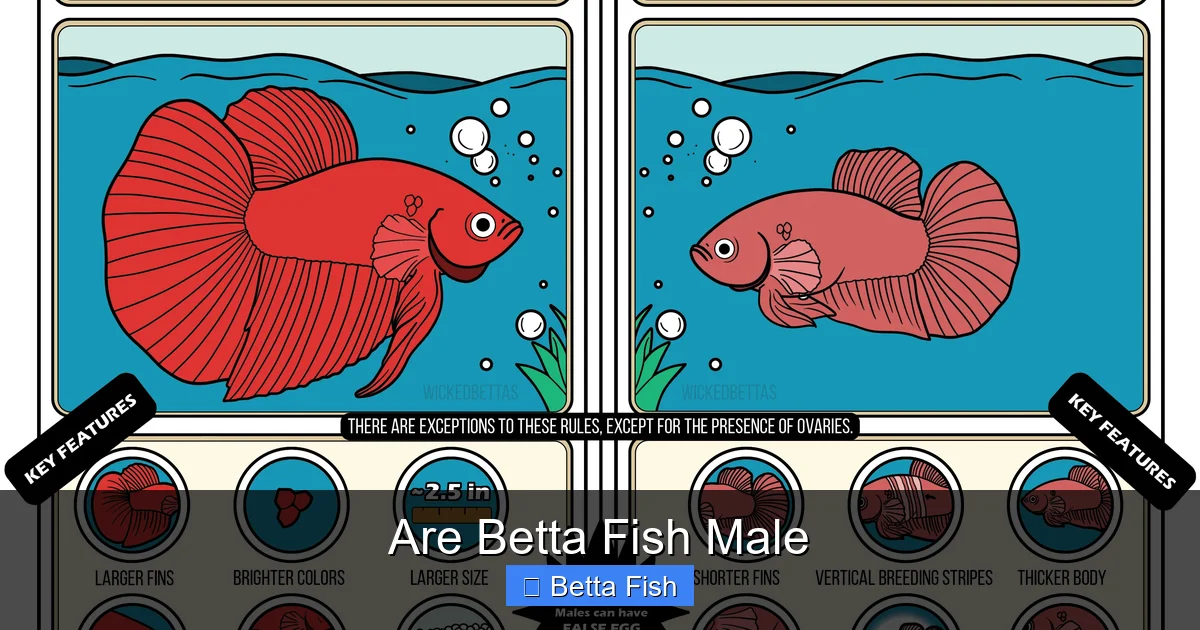
- Fin length: Males have long, flowing dorsal, anal, and caudal fins.
- Body shape: Males are slimmer; females appear more rounded, especially when full of eggs.
- Egg spot: A small dark dot near the vent indicates a female.
- Color intensity: Males usually display brighter, more contrasting colors.
Behavioral Clues
Male bettas often flare their gills, spread their fins, and display “bubbly” courtship behavior when they see another fish. Females are less likely to flare unless they’re ready to breed.
Professional Confirmation
If you’re still unsure, a vet or experienced breeder can examine the fish under a magnifying glass. For most hobbyists, the visual cues above are sufficient.
3. Why Knowing the Sex Is Crucial for Tank Management
Male Aggression and Solo Housing
Male bettas are famously aggressive toward other males. This is why you’ll often read articles like Why Are Male Betta Fish So Aggressive. Keeping a male alone prevents fin nipping, stress, and possible death.

Visual guide about Are Betta Fish Male
Image source: hepper.com
Female Community Tanks
Females can coexist with other peaceful fish, especially in a well‑planted tank. They’re less territorial, so a community setup works if you provide plenty of hiding spots.
Breeding Considerations
To breed bettas, you need a healthy male and a female. The male builds a bubble nest, and the female deposits eggs. Misidentifying sex can lead to failed breeding attempts and unnecessary stress.
4. Setting Up the Perfect Environment Based on Sex
Tank Size and Equipment for Males
Even though many people keep bettas in tiny bowls, a 5‑gallon tank with a gentle filter and heater is ideal. Provide a lid to prevent jumps, and include plants or decorations that break line‑of‑sight to reduce stress.
Community Tank Tips for Females
When housing females with other fish, aim for at least 10 gallons. Include live plants like Java fern or Anubias to create natural cover. This also helps answer questions like What Fish Can Live With A Male Betta—though females are the ones you’ll typically pair with community mates.
Bubble Nest Management
Only males build bubble nests. If you see a floating mass of bubbles on the water surface, you likely have a male. Keep the water surface calm and avoid strong currents.
5. Common Misconceptions About Betta Sex
Myth: “All Betta Fish Are Male”
This is false. Both sexes exist, and females are essential for breeding programs. The market bias simply makes males more visible.
Myth: “Females Are Always Peaceful”
While less aggressive, females can still display territorial behavior, especially when crowded or when they’re ready to spawn.
Myth: “Sex Doesn’t Affect Care”
Sex influences tank setup, feeding (males may be more active eaters), and health monitoring. Ignoring these differences can lead to preventable problems.
6. Practical Tips for New Betta Owners
Buy From Reputable Sources
Choose a store that can tell you the sex at the point of sale. Some retailers label males and females on the bag.
Observe Before You Decide
Spend a few minutes watching the fish’s behavior. A male will often flare his fins more frequently.
Start With a Single Male
If you’re new, begin with one male in a solo tank. This eliminates aggressive encounters and lets you learn the basics of betta care.
Consider a Female Pair
For a slightly more social setup, keep a small group of females together. Provide plenty of plants and hiding spots to reduce competition.
Plan for Breeding
If you want to breed, set up a separate breeding tank with a heater, gentle filter, and a sloping lid. Follow step‑by‑step guides like How To Tell If Betta Fish Are Male Or Female for best results.
Conclusion: Embrace the Differences
Answering the question “are betta fish male?” isn’t just about satisfying curiosity—it’s the first step toward responsible ownership. By learning to identify sex, you can tailor tank conditions, avoid aggression, and even explore breeding. Whether you end up with a flamboyant male showing off his fins or a graceful female sharing a community tank, understanding these differences ensures a thriving, vibrant betta experience.
Frequently Asked Questions
Are all betta fish sold in stores male?
No. Most pet stores stock male bettas because of their bright colors and long fins, but females are also available, especially from specialty breeders.
How can I tell if my betta is male without a magnifying glass?
Look for longer fins, brighter colors, and a more slender body. Males also tend to flare more often. A small dark spot near the vent usually means it’s a female.
Can I keep two male bettas together?
Generally no. Male bettas are highly territorial and will fight, often leading to serious injuries. If you want multiple males, keep them in separate tanks.
Do female bettas need a larger tank than males?
Females can live in a community tank, so a larger tank (10 gallons or more) is ideal. Males thrive in a smaller solo tank but still need at least 5 gallons for health.
What should I do if I accidentally house two males together?
Immediately separate them into different tanks. Provide visual barriers if you must keep them in the same room, and monitor for any injuries.
Is it possible to breed bettas in a home aquarium?
Yes. You need a healthy male and female, a bubble nest, and a separate breeding tank. Proper conditioning and water parameters are essential for successful spawning.