Are Betta Fish Males
Betta fish can be male or female, and spotting the difference is easier than you think. Males flaunt bright colors and long fins, while females are shorter‑finned and less flamboyant. Knowing their gender helps you provide the right tank setup and avoid unwanted fights.
Key Takeaways
- Sexual dimorphism is clear: Males display larger, flowing fins and more vivid colors than females.
- Fin shape is a reliable clue: Look for a “feathered” dorsal fin on males and a more rounded one on females.
- Behavior tells a story: Males are territorial and may flare at their reflection; females are generally calmer.
- Proper identification prevents aggression: Keeping two males together usually ends in a fight.
- Gender affects breeding setup: You need a male‑to‑female pair for successful spawning.
- Health checks differ: Males are prone to fin rot from stress, while females may develop a “gravid spot.”
- Internal resources can help: Guides on sexing bettas, tank size, and compatible tank mates make care easier.
📑 Table of Contents
- Introduction: Why Knowing the Sex of Your Betta Matters
- 1. The Science Behind Betta Sexes
- 2. Visual Signs: Spotting a Male Betta
- 3. Behavioral Clues: How Males Act Differently
- 4. Practical Tips for Correct Identification
- 5. Why Gender Matters for Tank Setup
- 6. Breeding Basics: Pairing a Male and a Female
- Conclusion: Embrace the Differences
Introduction: Why Knowing the Sex of Your Betta Matters
When you first see a betta fish, the dazzling colors and flowing fins can make you forget that these little beauties come in two sexes. Whether you’re a beginner or a seasoned hobbyist, understanding are betta fish males is the first step to creating a safe, thriving environment. The wrong mix of fish can lead to stress, damaged fins, and a tank full of drama.
In this guide we’ll walk through the visual clues, behavioral hints, and practical tips that let you tell male from female with confidence. We’ll also cover how gender influences tank setup, feeding, and breeding, so you can keep your betta healthy and happy.
1. The Science Behind Betta Sexes
How Betta Fish Reproduce
Betta fish (Betta splendens) are native to the shallow waters of Thailand and are freshwater specialists. In the wild, males build bubble nests on the water surface and guard the eggs after the female releases them. This natural behavior explains why males are often more aggressive—they must protect their territory and offspring.
Visual guide about Are Betta Fish Males
Image source: c8.alamy.com
Genetic Differences
Like most fish, bettas have an XY sex‑determination system. Males carry the Y chromosome, which triggers the development of larger fins and brighter pigments during puberty. Females lack the Y chromosome, resulting in shorter fins and more subdued coloration.
2. Visual Signs: Spotting a Male Betta
Fin Length and Shape
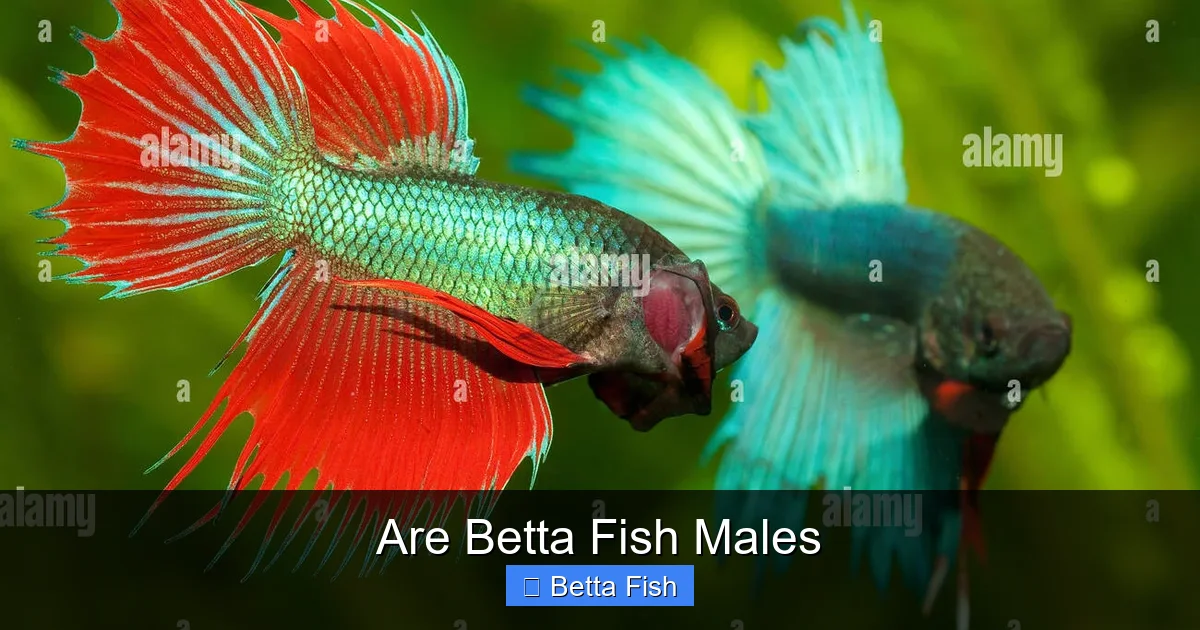
The most obvious clue is the fin. Male bettas sport long, flowing fins that can look like a veil or a peacock’s tail. The dorsal fin (the one on the back) is often “feathered” or jagged. Female fins are shorter, smoother, and usually lack the dramatic frills.

Visual guide about Are Betta Fish Males
Image source: 1.bp.blogspot.com
Color Intensity
While both sexes can be colorful, males tend to display brighter, more saturated hues—especially reds, blues, and metallic shades. Females may have pastel tones or muted patterns. If you see a betta that looks like a miniature rainbow, odds are you’re looking at a male.
Body Shape
Males often have a more robust, “stocky” body to support their large fins. Females are slightly slimmer and may have a more streamlined silhouette.
The “Egg Spot”
Female bettas develop a small, darker spot near the vent (the rear opening) when they are ready to spawn. This “gravid spot” is absent in males.
3. Behavioral Clues: How Males Act Differently
Territorial Flaring
Male bettas are famous for flaring their gills and spreading their fins when they see a rival—or even their own reflection. This is a warning sign: keep mirrors and other males out of sight.

Visual guide about Are Betta Fish Males
Image source: i.ytimg.com
Bubble Nest Building
If you notice a betta gathering surface bubbles into a neat raft, you’re watching a male preparing for breeding. Females do not build nests.
Interaction with Tank Mates
Males are more likely to chase or nip at other fish, especially other males or similarly colored species. Females are generally more tolerant, though they can be aggressive if kept in cramped spaces.
4. Practical Tips for Correct Identification
Use a Magnifying Glass
Close‑up inspection of the dorsal fin and vent area makes it easier to spot the feathered edges or the gravid spot.
Observe Over Several Days
Behavioral patterns become clear after a few days of observation. A male will regularly flare and may start a bubble nest, while a female will stay calmer.
Consult Reliable Guides
Websites like How To Tell If Betta Fish Are Male Or Female offer side‑by‑side photos that are invaluable for new owners.
5. Why Gender Matters for Tank Setup
Tank Size and Layout
Male bettas need a minimum of 5 gallons with plenty of hiding spots to reduce stress. A larger tank also gives them space to display their fins without bumping into decorations.
Keeping Males Separate
Because male bettas are territorial, you should never house two males together. For more on this, read Why Are Male Betta Fish Kept Separate.
Choosing Tank Mates
When selecting companions for a male, opt for fast‑moving, non‑aggressive species that won’t trigger his fighting instincts. A good list can be found in What Fish Are Compatible With Betta Fish.
Female‑Only Communities
Some hobbyists keep groups of females (often called “sororities”) because they are less aggressive. However, you still need enough space—at least 10 gallons for a small group—to prevent bullying.
6. Breeding Basics: Pairing a Male and a Female
Preparing the Breeding Tank
Set up a separate 2‑gallon breeding tank with a shallow sloping lid. Add fine leaf litter or a small piece of floating plant to give the male a place to build his bubble nest.
Introducing the Pair
Place the female in a clear container inside the tank for a few days so the male can see her but not touch her. Once he starts building a nest, release her gently.
Spawning and Egg Care
After the female deposits eggs, the male will collect them in his mouth and place them in the nest. Remove the female after spawning to prevent her from eating the eggs.
Raising Fry
Feed the fry infusoria or specialized fry food several times a day. The male will guard the nest until the fry become free‑swimming, usually after 3‑4 days.
Conclusion: Embrace the Differences
Understanding are betta fish males is more than a trivia question—it’s the foundation of responsible betta keeping. By learning to read fin shape, color intensity, and behavior, you can quickly tell a male from a female and tailor your tank setup accordingly. This knowledge prevents unnecessary fights, promotes healthier fish, and opens the door to rewarding breeding projects.
Take the time to observe, use the tips above, and don’t hesitate to consult trusted resources. Your betta will thank you with vibrant displays, active swimming, and a longer, happier life.
Frequently Asked Questions
How can I tell if my betta is male or female?
Look at the dorsal fin (feathered in males), fin length (longer in males), color brightness (males are usually brighter), and check for a gravid spot near the vent in females.
Do male bettas need larger tanks than females?
Both sexes benefit from at least 5 gallons, but males often need more space to reduce aggression, especially if you plan to keep other fish.
Can two male bettas live together if the tank is big enough?
Even in large tanks, male bettas are highly territorial and will fight. It’s safest to keep them separate.
Are female bettas aggressive with each other?
Females can be aggressive if crowded, but a well‑planted 10‑gallon tank usually keeps a sorority peaceful.
What should I do if my male betta is constantly flaring at his reflection?
Cover any mirrors or reflective surfaces, provide plenty of hiding spots, and ensure the tank isn’t over‑crowded.
Is it hard to breed betta fish at home?
Breeding is straightforward once you can identify a male and a female, set up a proper breeding tank, and follow the spawning steps.