Betta fish are not invertebrates; they are vertebrate, freshwater fish with a backbone and complex anatomy. Understanding this classification helps you provide the right environment, diet, and tank mates for a happy, healthy betta.
Key Takeaways
- Betta fish are vertebrates: They have a spinal column, unlike invertebrates.
- Invertebrates lack backbones: Examples include shrimp, snails, and worms.
- Correct classification matters: It guides tank setup, water parameters, and compatible tank mates.
- Betta diet differs from invertebrates: They need protein‑rich foods, not plant‑based or detritus diets.
- Live plants and décor: Use plants and hideouts that suit a vertebrate’s need for space and exploration.
- Compatibility tips: Choose tank mates that respect the betta’s territorial nature.
- Health monitoring: Recognize signs of stress that are unique to vertebrate fish.
📑 Table of Contents
Introduction: Why the Question Matters
If you’ve ever Googled “are betta fish invertebrates?” you’re not alone. New betta owners often mix up fish categories because the tiny, flamboyant creatures look so different from the goldfish or guppy they might already know. Getting the classification right isn’t just a trivia question—it shapes how you care for your pet.
In this article we’ll break down the science of vertebrates vs. invertebrates, explain why bettas belong in the former group, and give you hands‑on tips for a thriving betta tank. By the end, you’ll be confident that your betta is getting exactly what it needs—and you won’t be tempted to feed it a bag of shrimp shells thinking it’s an “invertebrate snack.”
1. The Basics: Vertebrates vs. Invertebrates
What defines an invertebrate?
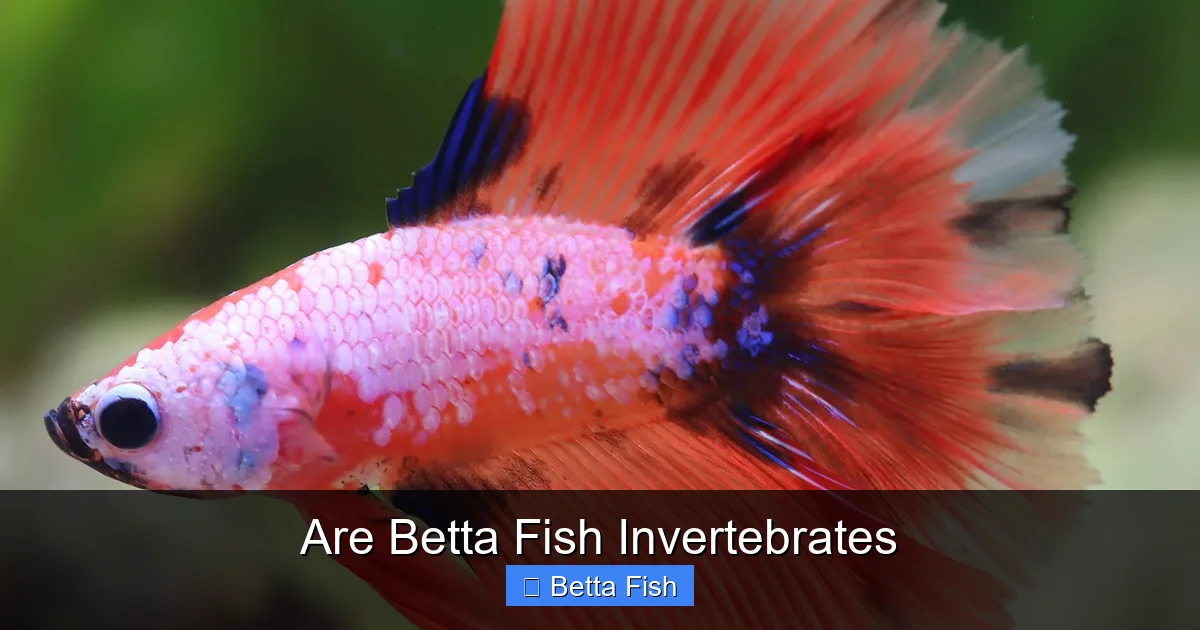
Invertebrates are animals that lack a vertebral column (backbone). They include insects, crustaceans, mollusks, and many tiny aquatic organisms like daphnia. Their bodies are supported by exoskeletons, hydrostatic pressure, or simple tissue structures.
Visual guide about Are Betta Fish Invertebrates
Image source: garnelio.de
What defines a vertebrate?
Vertebrates possess a spinal column made of vertebrae, a skull protecting the brain, and a more complex organ system. Fish, amphibians, reptiles, birds, and mammals all fall under this umbrella.
Key anatomical differences
- Skeleton: Bones vs. exoskeleton or none.
- Nervous system: More centralized brain in vertebrates.
- Reproduction: Many vertebrates lay eggs with yolk sacs; invertebrates often have vastly different strategies.
2. Betta Fish Anatomy – A Clear Verdict
Spine and skeletal structure
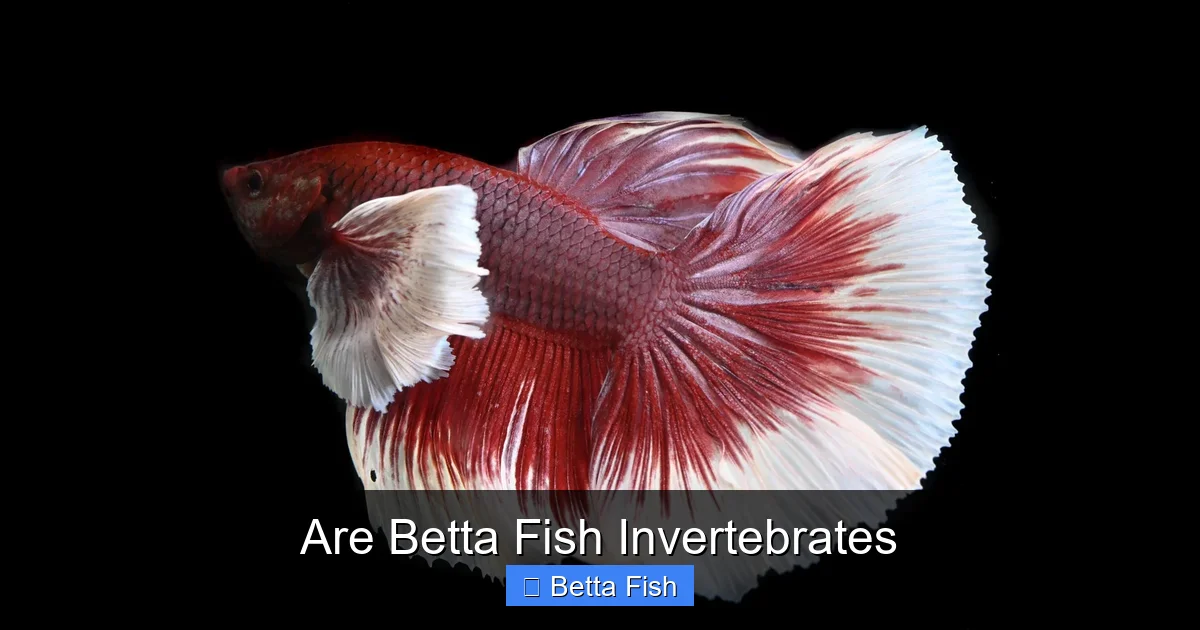
Betta fish (Betta splendens) have a distinct backbone made of cartilage that later ossifies into bone. This spine runs the length of their body, supporting fins and muscles.
Visual guide about Are Betta Fish Invertebrates
Image source: splashyfishstore.com
Organs and systems
They possess a closed circulatory system, a well‑developed brain, and gills that extract oxygen from water—hallmarks of vertebrate physiology.
Comparison with common invertebrates
Contrast this with a freshwater shrimp, which has a hard exoskeleton and no spine. The shrimp’s body is segmented, and its nervous system is more decentralized. Betta fish clearly belong to the vertebrate side of the spectrum.
3. Why Classification Impacts Care
Tank size and environment
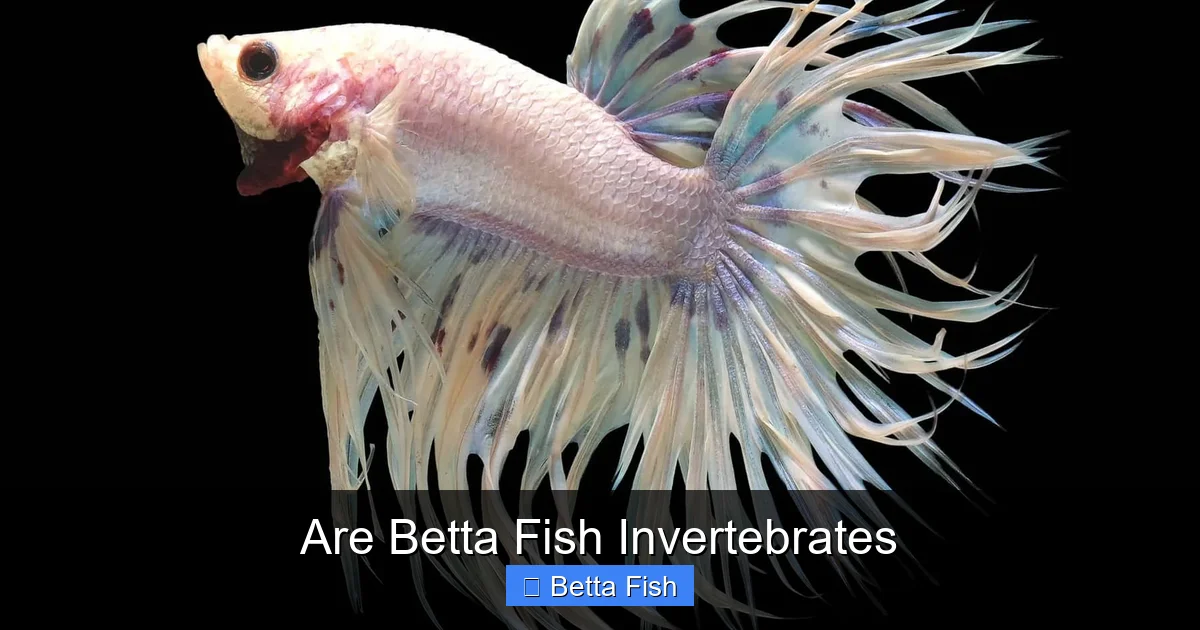
Because bettas are vertebrates, they need enough swimming space to move their fins fully. A minimum of 5 gallons is recommended, even though many sellers claim a 2‑gallon bowl will do. This aligns with advice from experts on are betta fish easy to care for.
Visual guide about Are Betta Fish Invertebrates
Image source: aquariadise.com
Water parameters
Betta fish thrive in warm (76‑82°F), slightly acidic to neutral water (pH 6.5‑7.5). Invertebrates like snails often tolerate a broader pH range, but bettas need stable conditions to support their vertebrate metabolism.
Dietary needs
Betas are carnivorous predators. They require high‑protein foods such as betta pellets, frozen bloodworms, or brine shrimp. Invertebrates such as algae eaters or detritivores have completely different diets, so feeding a betta “invertebrate food” alone will lead to malnutrition.
4. Compatible Tank Mates – Knowing the Limits
Can you house bettas with invertebrates?
Yes, but with caution. Small, peaceful invertebrates like cherry shrimp can coexist if the betta is not overly aggressive. Provide plenty of hiding spots—live plants, caves, and silk moss work well.
Fish and other vertebrates
Betas are territorial, especially males. Avoid other aggressive fish. Instead, consider peaceful species like neon tetras (in a larger tank) or a single rasbora.
Practical set‑up tip
Use a divider or a heavily planted tank to give invertebrates a refuge. This reduces stress for both parties and mimics a natural environment.
5. Common Misconceptions and FAQs
Misconception #1: Betta fish are “invertebrate fish” because they look like they have no bones.
Appearance can be deceptive. Their internal skeleton is hidden beneath scales, but it’s there.
Misconception #2: Because bettas can eat small shrimp, they must be in the same group.
Predation does not dictate taxonomy. A vertebrate can eat an invertebrate without being one.
Misconception #3: All small aquarium pets are invertebrates.
Size isn’t a factor—classification relies on anatomy, not dimensions.
6. Practical Tips for a Healthy Betta
Set up a proper tank
- Choose a 5‑gallon tank with a lid.
- Install a gentle filter; bettas prefer low flow.
- Add live plants like Java fern or Anubias for cover.
Maintain water quality
- Change 25% of water weekly.
- Test for ammonia, nitrite, and nitrate.
- Keep temperature stable with a heater.
Feeding routine
- Feed 2‑3 times daily, only what they can eat in 2 minutes.
- Rotate protein sources to avoid boredom.
- Include occasional vegetable treats like peas for gut health.
Observe behavior
Healthy bettas display vibrant colors, flared fins, and active swimming. Lethargy, white spots, or torn fins may signal stress or disease—see why are my betta fish fins falling off for more details.
Conclusion
So, are betta fish invertebrates? The short answer is a definitive no. Betta fish are vertebrate, warm‑water, freshwater fish with a backbone, complex organ systems, and specific care requirements. Knowing this helps you avoid common pitfalls—such as undersized tanks, inappropriate diets, or incompatible tank mates.
By treating your betta as the vertebrate it is, you’ll create a vibrant, thriving aquarium that showcases its brilliant colors and lively personality for years to come. Happy fish‑keeping!
Frequently Asked Questions
Are betta fish considered invertebrates because they are small?
No. Size does not determine classification. Betta fish have a spinal column, making them vertebrates.
Can I keep shrimp with my betta?
Yes, peaceful shrimp like cherry shrimp can live with a calm betta if plenty of plants provide hiding spots.
Do bettas need a tank with a lid?
Absolutely. Betta fish can jump, and a lid prevents escapes and maintains temperature.
What temperature is best for betta fish?
Maintain water between 76°F and 82°F (24°C‑28°C) for optimal health.
Are betta fish aggressive toward other fish?
Male bettas are territorial and may fight other males or similarly colored fish. Females can also be aggressive, especially in small spaces.
How often should I change the water in a betta tank?
Replace about 25% of the water weekly, and perform a full water change every 2‑3 weeks.

