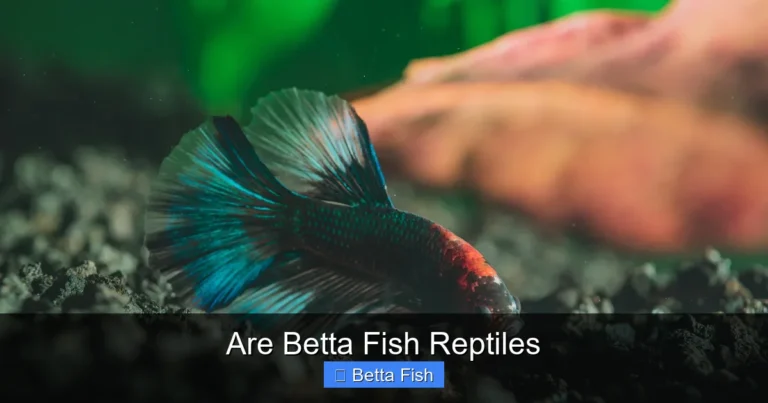
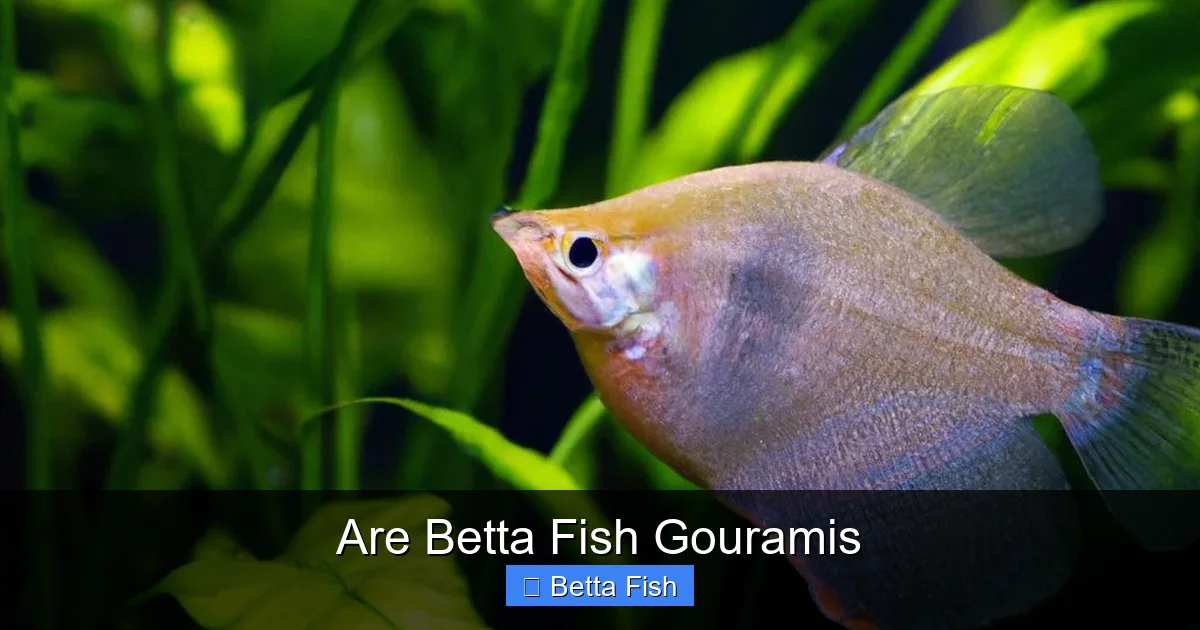
Are Betta Fish Gouramis
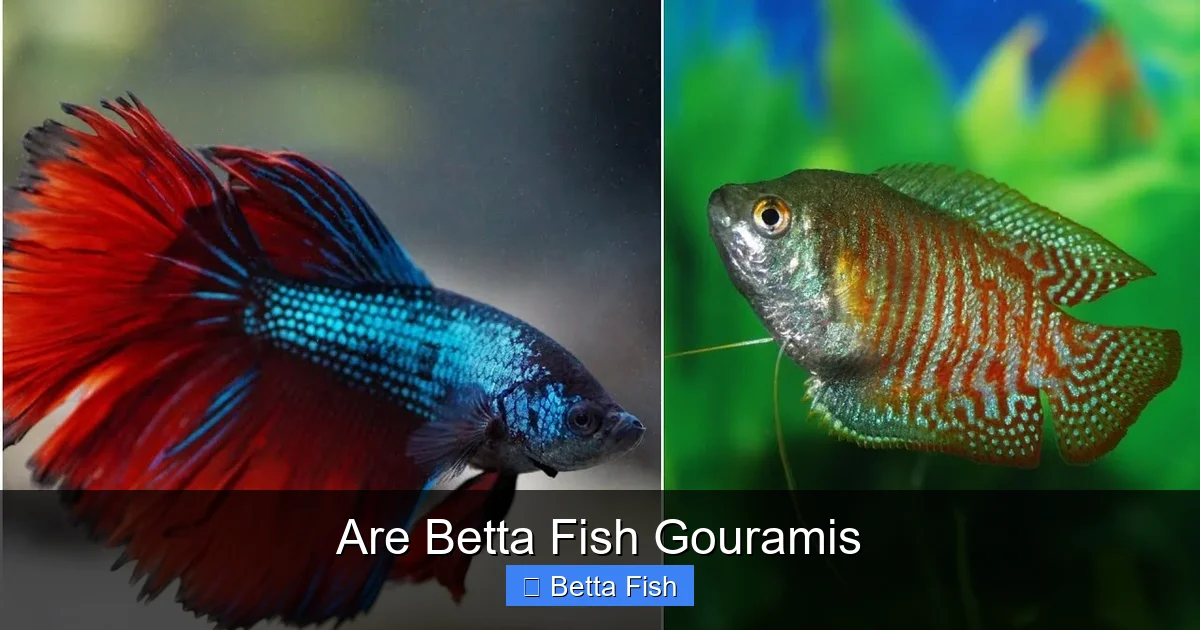
Betta fish are not gouramis, but they share a family and many traits that often cause confusion. This article explains the scientific classification, highlights the similarities and differences, and offers practical advice for keeping bettas happy and healthy.
Key Takeaways
- Family ties: Betta fish belong to the same family (Osphronemidae) as many gouramis, which is why they look alike.
- Genus matters: Betta is a separate genus from true gouramis, giving them distinct breeding and behavior patterns.
- Tank needs differ: While both like warm, calm water, bettas thrive in smaller, heavily‑planted setups, whereas many gouramis prefer larger community tanks.
- Aggression varies: Male bettas are famously territorial, while most gouramis are more social and can live with other peaceful fish.
- Care simplicity: Betta fish are often marketed as easy pets, but understanding their gourami relatives helps avoid common mistakes. Read more about easy betta care.
📑 Table of Contents
- Introduction: Why the Question Pops Up
- 1. The Science: Taxonomy and Family Ties
- 2. Physical Differences You Can Spot
- 3. Behavioral Traits: Aggression, Social Life, and Breeding
- 4. Tank Requirements: Setting Up the Perfect Home
- 5. Common Misconceptions and FAQs
- 6. Practical Tips for Hobbyists
- Conclusion: Are Betta Fish Gouramis?
Introduction: Why the Question Pops Up
If you’ve ever walked into a pet store and seen a bright‑red betta flaring its fins next to a soft‑scaled dwarf gourami, you might wonder, are betta fish gouramis? The two look alike, they both love warm water, and they share that unmistakable “labyrinth” organ that lets them gulp air from the surface. It’s easy to see why the confusion exists.
In this guide we’ll break down the science, compare the look‑alikes, and give you clear, friendly advice on how to care for each. By the end, you’ll know exactly where bettas sit on the fish family tree and whether you can treat them like gouramis—or if you need a different approach.
1. The Science: Taxonomy and Family Ties
1.1. The Osphronemidae Family
Both bettas and many gouramis belong to the family Osphronemidae, commonly called the “labyrinth fish” family. This family is named after a special organ called the labyrinth organ, which allows these fish to breathe atmospheric oxygen. That organ is the real reason you’ll see bettas and gouramis darting to the water’s surface for a gulp of air.
Visual guide about Are Betta Fish Gouramis
Image source: bettafishworld.com
1.2. Different Genera, Different Species
Within Osphronemidae, bettas sit in the genus Betta. The most popular pet species is Betta splendens, known for its vivid colors and aggressive males.
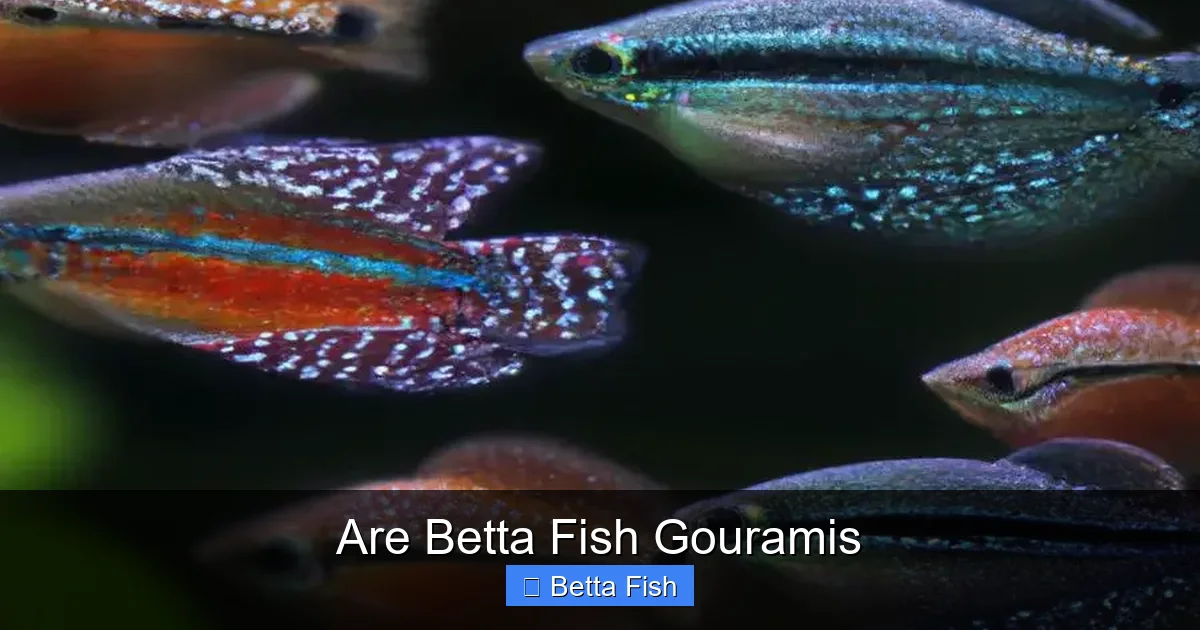
Gouramis, on the other hand, are spread across several genera—Trichogaster (dwarf gourami, honey gourami), Colisa (banded gourami), and others. Each genus contains multiple species with their own size ranges, temperaments, and water‑parameter preferences.
1.3. Evolutionary Cousins, Not Twins
Think of bettas and gouramis as cousins that share a grandparent (the family Osphronemidae) but grew up in different neighborhoods. Their shared ancestry explains the similar body shape and breathing method, but their evolutionary paths have given them distinct behaviors and breeding habits.
2. Physical Differences You Can Spot
2.1. Body Shape and Size
Bettas are generally more compact and laterally compressed, with a length of 2‑3 inches for most hobby varieties. Gouramis range from the tiny dwarf gourami (about 2 inches) to the giant pearl gourami (up to 6 inches). If you see a fish with a longer, more elongated body, it’s likely a gourami.
Visual guide about Are Betta Fish Gouramis
Image source: cdn.shopify.com
2.2. Fin Structure
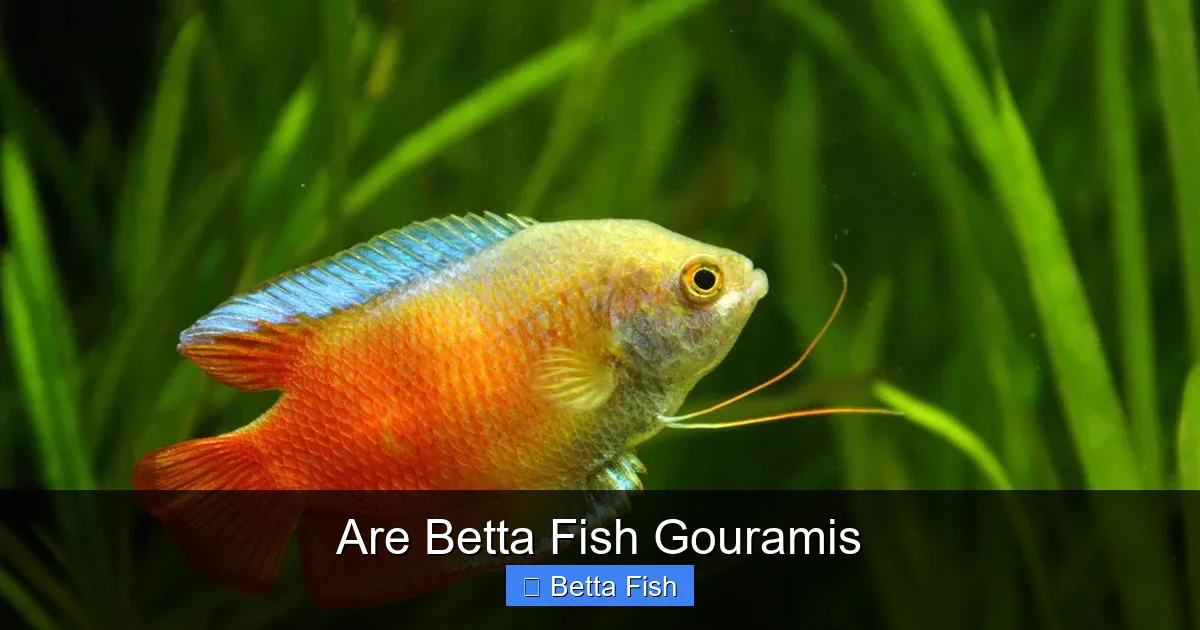
Male bettas boast long, flowing fins that can be veil, crown, or delta‑shaped, especially in fancy strains. Gouramis have shorter, more rounded fins that are less likely to be “showy.” The fins of a dwarf gourami, for example, are modest and often have a subtle, delicate fringe.
2.3. Coloration Patterns
Bettas are bred for high‑contrast colors—bright reds, blues, and metallic greens. Gouramis usually display softer, natural hues like muted gold, pale turquoise, or subtle iridescence. While both can have striking patterns, the intensity of a betta’s color is a giveaway.
3. Behavioral Traits: Aggression, Social Life, and Breeding
3.1. Aggression Levels
Male bettas are famously territorial. They will flare, flare, and sometimes fight if placed with another male or even a similarly colored female. Gouramis are generally more peaceful. Dwarf gouramis, for instance, can coexist with other non‑aggressive species in a community tank.
Visual guide about Are Betta Fish Gouramis
Image source: bettafishworld.com
Understanding this difference is crucial. If you keep a betta with a gourami, make sure the tank is large enough and full of hiding spots to reduce stress. Many hobbyists report that a well‑planted 10‑gallon tank can host a single male betta and a dwarf gourami without drama.
3.2. Social Structures
Gouramis often form loose schools or pairs in the wild. Some, like the honey gourami, are semi‑social and enjoy the company of their own kind. Bettas are solitary by nature; even females can become aggressive if space is limited.
3.3. Reproduction
Bettas are bubble‑nest builders. The male creates a floating nest of bubbles and guards it until the fry hatch. Gouramis are mouth‑brooders; after fertilization, the female (or sometimes the male) carries the eggs in her mouth until they hatch.
These breeding differences affect tank setup during spawning. If you’re planning a breeding project, you’ll need to provide a bubble‑nest area for bettas and a quiet, plant‑rich environment for gouramis.
4. Tank Requirements: Setting Up the Perfect Home
4.1. Water Parameters
Both groups love warm water (78‑82°F / 25‑28°C) and a pH of 6.5‑7.5. However, bettas can tolerate slightly softer water, while many gouramis prefer a bit more hardness. A good rule of thumb: aim for a stable temperature around 80°F and a moderate hardness (100‑150 ppm).
4.2. Tank Size and Layout
- Bettas: Minimum 5‑gallon tank with a lid (to prevent jumping). Include plenty of live plants or silk decorations to break line of sight.
- Gouramis: Minimum 10‑gallon for a single dwarf gourami; larger species need 20‑gallon or more.
Adding live plants such as Java fern, Anubias, or Marimo moss balls creates natural hiding spots and improves water quality. For a mixed setup, see our guide on which live plants are good for betta fish.
4.3. Filtration and Aeration
Because both bettas and gouramis have a labyrinth organ, they can survive in low‑oxygen water, but a gentle filter is still recommended. A sponge filter provides both filtration and a gentle current that mimics their natural habitats without stressing them.
5. Common Misconceptions and FAQs
5.1. “Betta fish are just small gouramis.”
This statement is partially true—they share a family—but it glosses over the important genus differences that affect behavior and care.
5.2. “If I have a gourami, I can keep a betta in the same tank.”
It can work in a spacious, well‑planted tank, but you must monitor aggression closely. Provide visual barriers and plenty of plants.
5.3. “Both need the same diet.”
Both enjoy high‑quality betta pellets, frozen daphnia, and occasional brine shrimp. Gouramis may also appreciate vegetable matter like blanched peas.
6. Practical Tips for Hobbyists
6.1. Choosing the Right Species
If you’re new to fishkeeping, start with a dwarf gourami or a single male betta. Both are hardy, but remember the betta’s aggressive streak.
6.2. Setting Up a Mixed Tank
- Start with a 10‑gallon tank.
- Install a gentle sponge filter.
- Arrange live plants to create “rooms.”
- Introduce the betta first, let it claim a spot.
- Add the gourami later, watching for signs of stress.
6.3. Monitoring Health
Watch for faded colors, torn fins, or loss of appetite. These can signal stress from incompatible tank mates. For more on betta health, see why are my betta fish fins falling off.
Conclusion: Are Betta Fish Gouramis?
In short, betta fish are not gouramis, but they are close relatives within the labyrinth fish family. Their shared anatomy explains many of the visual and environmental similarities, yet their distinct genera give them unique temperaments, breeding habits, and tank requirements. Knowing these differences helps you create a thriving aquarium—whether you keep a solitary betta, a peaceful gourami, or a carefully planned mixed setup.
Remember, the key to success is respecting each fish’s natural behavior. Provide the right space, plants, and water conditions, and both bettas and gouramis will reward you with dazzling colors and fascinating personalities.
Frequently Asked Questions
Are betta fish technically gouramis?
No. Bettas belong to the genus Betta, while true gouramis are in genera like Trichogaster. Both are in the same family, Osphronemidae, which causes the confusion.
Can I keep a male betta with a dwarf gourami?
It’s possible in a large, well‑planted tank (10 gallons or more) with plenty of hiding spots. Watch for aggression and be ready to separate them if needed.
Do bettas and gouramis need the same water temperature?
Yes. Both thrive at 78‑82°F (25‑28°C). Maintaining a stable temperature is essential for their health.
What is the biggest difference in breeding?
Bettas build bubble nests and guard them, while most gouramis are mouth‑brooders, carrying eggs in the parent’s mouth until they hatch.
Are bettas easier to care for than gouramis?
Generally, bettas are marketed as easy pets, but they require attention to aggression and water quality. Gouramis are also beginner‑friendly but often need larger tanks.
Where do bettas originate?
Bettas are native to the shallow, slow‑moving waters of Southeast Asia, especially Thailand, Cambodia, and Vietnam. Gouramis share similar habitats across the same region.