Betta fish and goldfish may share a tank at first glance, but they are completely different species with distinct needs. Understanding their biology, water requirements, and temperament helps you avoid costly mistakes and keep both fish healthy.
Key Takeaways
- Different families: Betta fish belong to the gourami family, while goldfish are true carp.
- Water temperature: Bettas need warm tropical water (76‑82°F); goldfish thrive in cooler water (65‑75°F).
- Tank size matters: Bettas can live in 2‑5 gal tanks; goldfish require at least 20 gal per fish.
- Diet differences: Bettas are carnivorous hunters; goldfish are omnivorous filter‑feeders.
- Temperament clash: Bettas are territorial and may attack goldfish, especially if the goldfish is fin‑nipping.
- Compatibility is rare: Successful cohabitation is possible only with careful setup and constant monitoring.
- Proper care prevents stress: Matching water parameters and providing enrichment keeps each species thriving.
📑 Table of Contents
Introduction: Why the Question Pops Up
If you’ve ever walked into a pet store and seen a bright, flowing betta swimming beside a gold‑shimmered goldfish, you might wonder: are betta fish goldfish? The answer is a resounding “no.” While both are popular freshwater pets, they come from completely different corners of the fish world. This article breaks down the science, the practical care differences, and the truth about keeping them together.
We’ll walk through their origins, physical traits, water needs, diet, and temperament. By the end, you’ll know exactly why mixing these two species is usually a bad idea—and what you can do if you still want to try it safely.
1. Taxonomy and Natural Habitat
Betta Fish: The Siamese Fighter
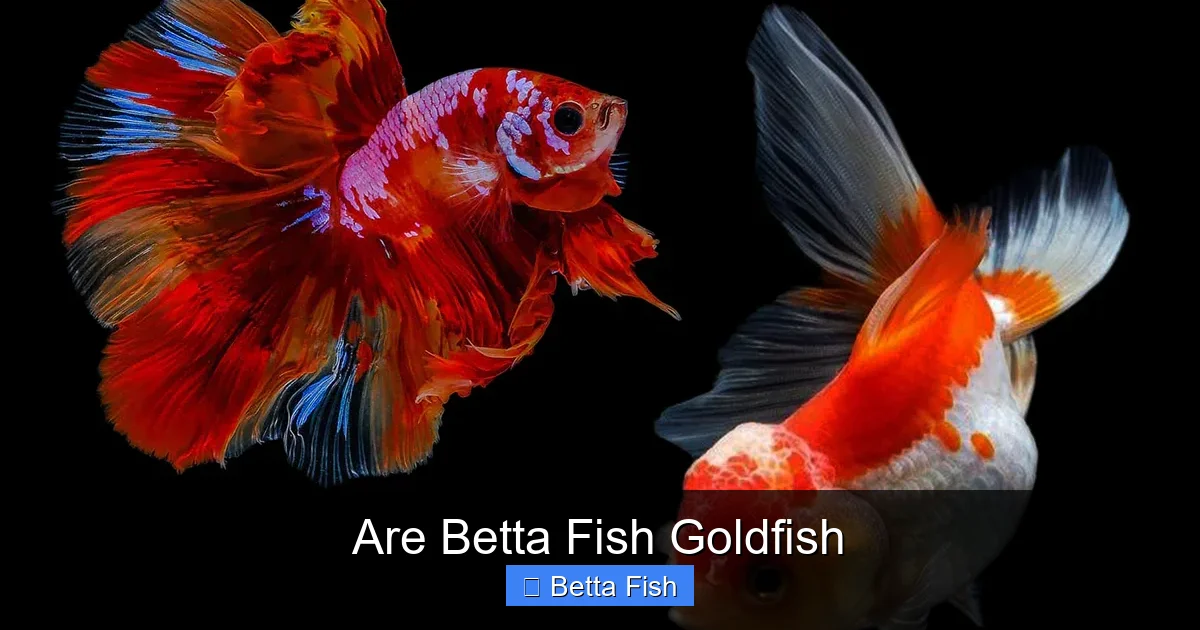
Betta fish (Betta splendens) belong to the family Osphronemidae, the same family as other labyrinth fish like gouramis. They are native to the shallow, warm rice paddies and slow‑moving streams of Thailand, Cambodia, and Vietnam. Their environment is warm, acidic, and often low‑oxygen, which explains the development of the unique “labyrinth organ” that lets them gulp air from the surface.
Visual guide about Are Betta Fish Goldfish
Image source: tropicflow.com
Goldfish: The Domesticated Carp
Goldfish (Carassius auratus) are members of the Cyprinidae family, the same family as koi and common carp. Originating in East Asia, goldfish were first domesticated over a thousand years ago in China. They thrive in cool, well‑oxygenated water and can tolerate a wide range of temperatures, but they prefer cooler, temperate conditions.
Key Difference
One lives in tropical, warm waters; the other prefers cooler, temperate ponds. This fundamental difference makes it impossible for them to share the same ideal environment for long periods.
2. Physical Appearance and Size
Body Shape and Fins
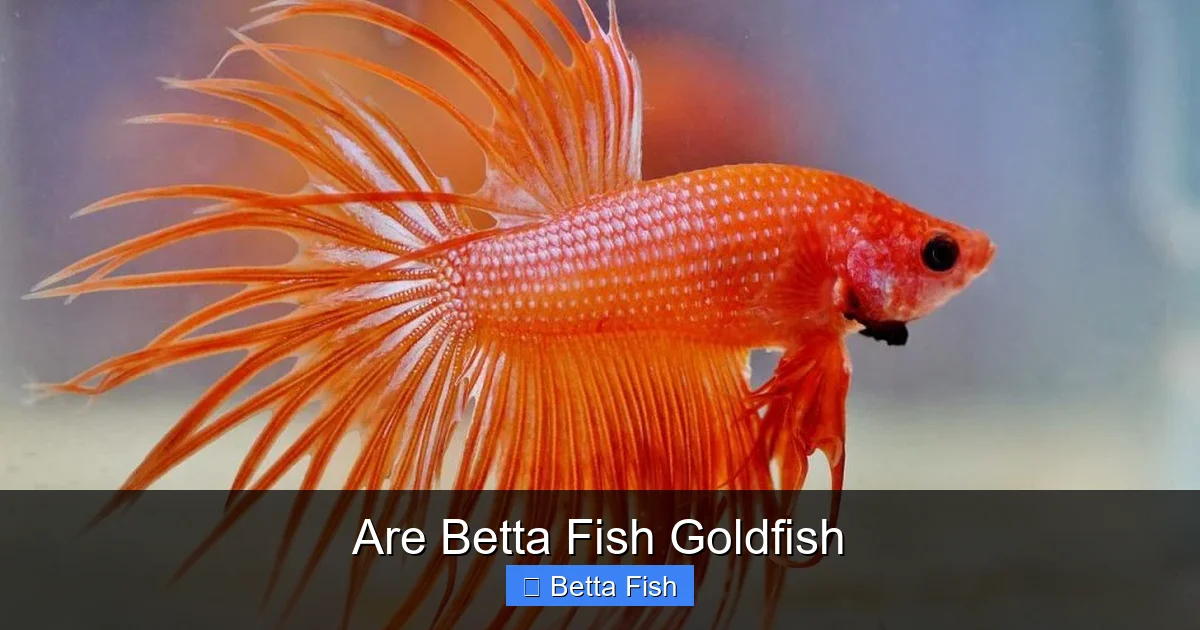
Bettas are known for their long, flowing fins and vivid colors ranging from electric blues to deep reds. Their bodies are relatively small—usually 2.5‑3 inches long. Goldfish, on the other hand, can grow to 6‑12 inches (or more) depending on the variety, and they have a more rounded, torpedo‑shaped body with a single dorsal fin.
Visual guide about Are Betta Fish Goldfish
Image source: i.ytimg.com
Color and Scale Types
Betta coloration comes from specialized pigment cells called chromatophores, while goldfish coloration is due to a combination of pigments and reflective cells. Goldfish also have a distinctive “double‑tail” or “fancy” variety that can look elegant but requires a lot more space.
Why Size Matters
A 2‑gallon tank that’s perfect for a single betta would quickly become cramped for a goldfish, leading to stunted growth and health problems. Conversely, a 20‑gallon tank for a goldfish would feel too large for a betta, causing stress from lack of hiding spots.
3. Water Requirements
Temperature
Bettas are tropical fish that need water kept between 76°F and 82°F (24‑28°C). Goldfish are cold‑water fish that thrive at 65°F‑75°F (18‑24°C). Trying to meet both temperature ranges in a single tank is a recipe for disaster.
Visual guide about Are Betta Fish Goldfish
Image source: japanesefightingfish.org
pH and Hardness
Bettas prefer slightly acidic to neutral water (pH 6.5‑7.5) with soft to medium hardness. Goldfish favor a more neutral pH (7.0‑8.0) and can handle harder water. The differing preferences can cause stress and make disease more likely.
Filtration and Oxygenation
Goldfish are heavy waste producers and need robust filtration. Bettas, while they produce less waste, benefit from gentle flow because strong currents can stress them. Balancing a filter strong enough for goldfish yet gentle enough for a betta is challenging.
4. Diet and Feeding Habits
What Bettas Eat
Bettas are carnivorous and love protein‑rich foods like brine shrimp, bloodworms, and high‑quality betta pellets. They have a small stomach and should be fed 2‑3 times daily in small amounts.
What Goldfish Eat
Goldfish are omnivorous omnivores that enjoy flakes, pellets, and plant matter such as peas and lettuce. They need to eat several times a day because they constantly filter feed.
Feeding Compatibility
Feeding a betta with goldfish flakes is not ideal; goldfish flakes are too low in protein for bettas, and betta pellets can be too large for goldfish. Mixing foods can lead to over‑ or under‑nutrition for one species.
5. Temperament and Social Behavior
Betta Aggression
Male bettas are famously territorial. They flare their gills and spread their fins when they see another male (or any fish that looks similar). Even females can be aggressive, especially in cramped spaces.
Goldfish Temperament
Goldfish are generally peaceful, but they are active swimmers that love to explore. They can unintentionally nip at delicate betta fins, which may trigger the betta’s defensive aggression.
Can They Coexist?
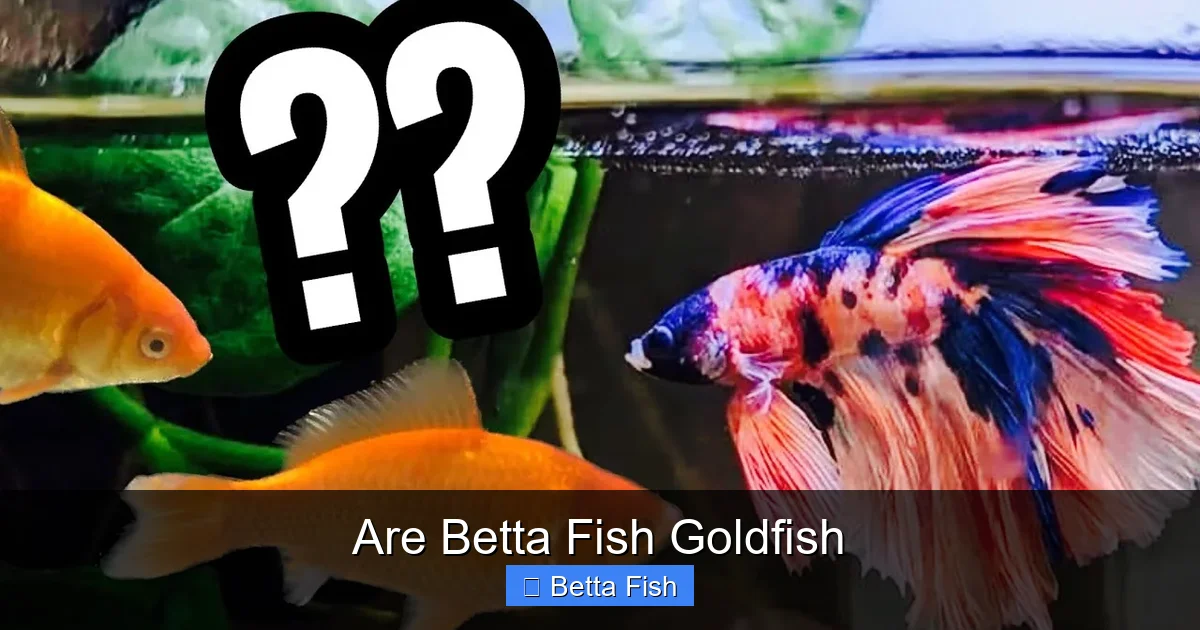
In rare cases, a very large, heavily planted tank with a calm goldfish and a single, mature betta may get along, but it requires constant monitoring. The safest approach is to keep them separate. For more on mixing these species, see Can Betta Fish And Goldfish Live Together.
6. Practical Tips If You Still Want to Try
Choose the Right Tank
- Minimum 30 gallons: 20 gal for the goldfish and at least 10 gal for the betta.
- Heavily planted with live plants like Java fern and Anubias to create visual barriers.
- Use a gentle, adjustable filter and a heater set around 78°F, then monitor the goldfish for signs of stress.
Set Up Separate Zones
Use tall plants, driftwood, or aquarium decorations to create a “room” for each fish. This reduces visual contact and lowers aggression triggers.
Feed Separately
Drop food in specific spots—use a feeding ring for the betta and a separate area for the goldfish. Remove any uneaten food quickly to keep water quality high.
Monitor Health Daily
Watch for signs of stress: faded colors, frayed fins, or abnormal swimming. If either fish shows distress, separate them immediately.
Consider Alternatives
If you love both species, keep them in separate tanks and enjoy “twin‑tank” viewing. This way each fish gets its ideal conditions without compromise.
Conclusion: The Bottom Line
Betta fish are not goldfish. They differ in taxonomy, temperature needs, diet, and temperament. While a few hobbyists have succeeded in keeping them together, the odds are low and the risk to fish health is high. For most pet owners, the best choice is to provide each species with its own properly sized, well‑maintained tank. By respecting their unique requirements, you’ll enjoy vibrant, healthy fish for years to come.
Additional Resources
Want to learn more about each species? Check out these articles:
Frequently Asked Questions
Are betta fish and goldfish the same species?
No. Betta fish are tropical gouramis, while goldfish are cold‑water carp. They belong to completely different families.
Can I keep a betta and a goldfish in the same tank?
It’s generally not recommended because their temperature and space needs clash, and bettas may become aggressive toward goldfish.
What temperature should I set my aquarium to for both fish?
Betas need 76‑82°F, whereas goldfish prefer 65‑75°F. There is no single temperature that satisfies both species comfortably.
Do bettas eat goldfish food?
Betas can eat goldfish flakes, but the protein content is too low for their nutritional needs. It’s better to feed each fish its appropriate diet.
How big does a tank need to be for a betta and a goldfish together?
If you attempt it, aim for at least 30 gallons with heavy planting and separate zones, but separate tanks are the safer choice.
What are the signs of stress in a betta when sharing a tank?
Faded colors, frayed fins, constant flaring, and loss of appetite indicate stress and possible aggression toward tank mates.

