Are Betta Fish Fins Supposed to Separate
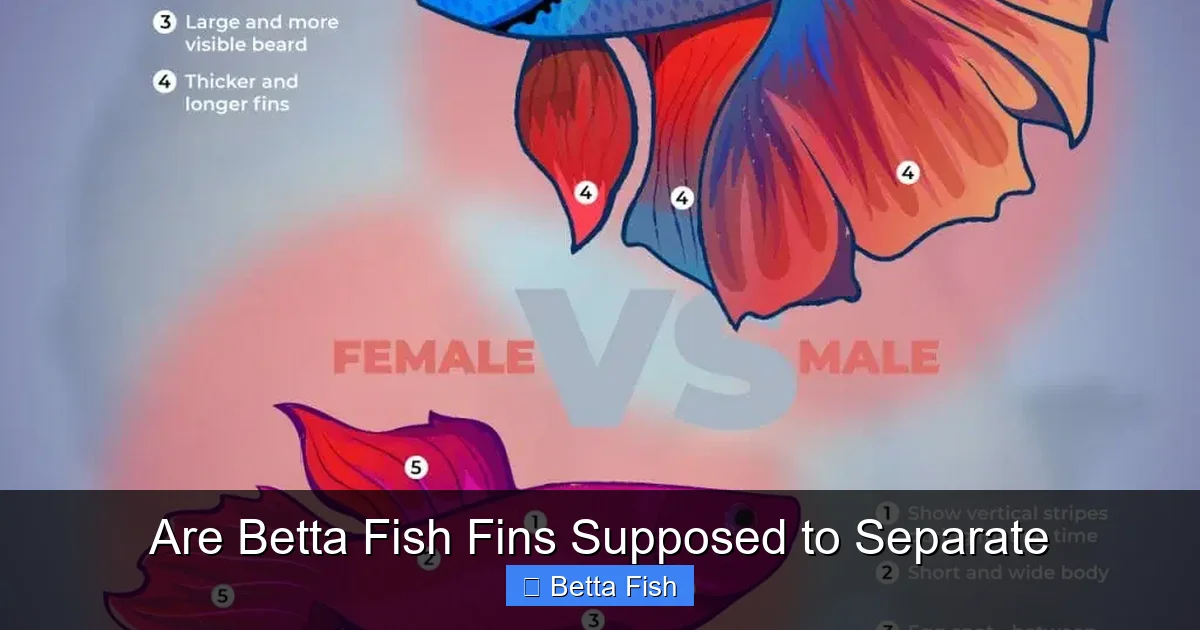
Betta fish fins may look like they’re pulling apart, but this isn’t always a cause for alarm. Understanding the reasons—ranging from natural growth to stress or disease—helps you act quickly. Follow these friendly tips to keep your betta’s fins vibrant and intact.
Key Takeaways
- Normal separation: Young bettas often shed old fin tissue as they grow.
- Stress signs: Poor water quality or aggressive tank mates can cause fin fraying.
- Disease alert: Fin rot, fungal infections, and parasites make fins look torn or ragged.
- Prevention matters: Regular water changes, proper diet, and a suitable tank setup reduce problems.
- Healing options: You can often mend damaged fins with quarantine, medication, and optimal care.
- When to seek help: Persistent fin loss or rapid deterioration signals a deeper issue.
- Enjoy a happy betta: A healthy environment keeps fins full, bright, and flutter‑ready.
📑 Table of Contents
Introduction: Why the Question Pops Up
If you’ve ever watched a betta glide through the water and noticed a gap or a “split” in its glorious tail, you probably wondered, are betta fish fins supposed to separate? It’s a common worry for new owners and even seasoned hobbyists. The good news is that not every gap means disaster. Some fin separation is part of a betta’s natural life cycle, while other times it signals stress, poor water conditions, or disease.
In this friendly guide we’ll walk through what normal fin development looks like, the red flags that mean you need to act, and practical steps to keep those fins flowing like silk. By the end you’ll feel confident spotting a healthy fin versus a fin that needs a little TLC.
1. The Biology Behind Betta Fins
How Betta Fins Grow
Betta fish belong to the gourami family and have a set of paired fins (pectoral, dorsal, anal, and caudal) plus a single unpaired anal fin that’s actually a “labyrinth” organ for breathing air. When a betta is a fry, its fins are tiny and translucent. As it matures, the fins expand, develop vivid colors, and sometimes shed old tissue—a process called “fin regeneration.” This natural shedding can look like a small separation or a frayed edge.
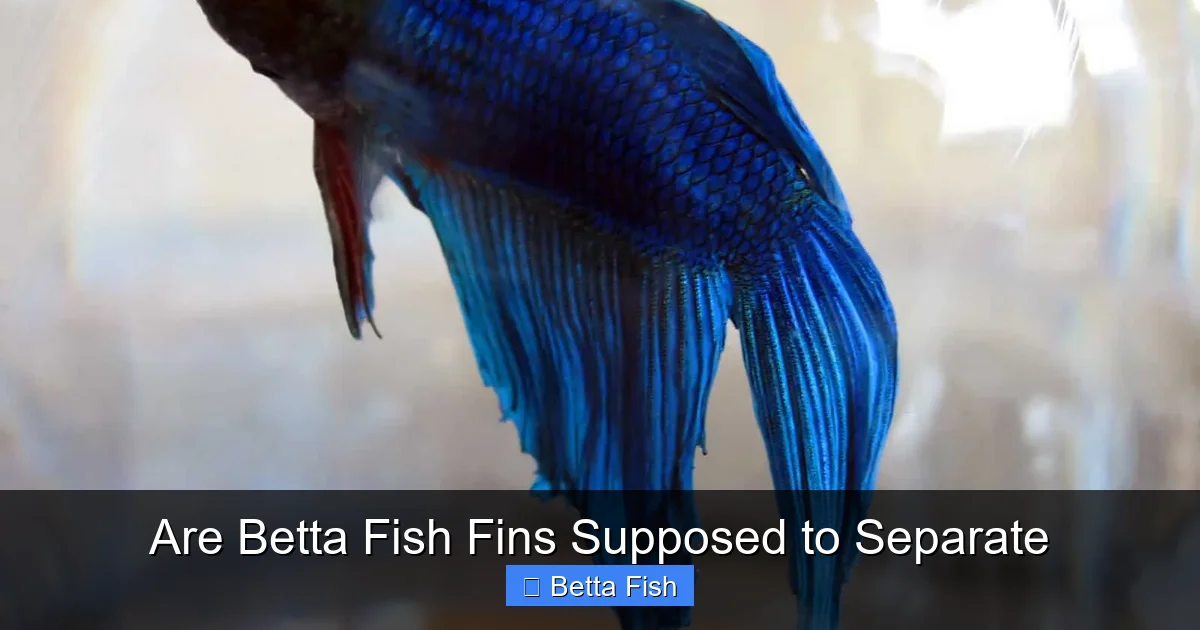
Visual guide about Are Betta Fish Fins Supposed to Separate
Image source: aquariadise.com
Why “separation” Happens Naturally
During growth spurts, especially in the first 6 months, bettas may lose a thin strip of skin along the edges of the tail or dorsal fin. The old skin peels away, and a fresh, brighter layer replaces it. This is perfectly normal and usually resolves within a week. If you see a clean edge and the fish is otherwise active, you’re likely witnessing normal fin turnover.
2. When Separation Signals a Problem
Stress‑Induced Fin Damage
Stress is the silent killer of betta fins. Common stressors include:
Visual guide about Are Betta Fish Fins Supposed to Separate
Image source: i.ytimg.com
- Overcrowding or aggressive tank mates (yes, even other bettas in a community tank).
- Fluctuating temperature or pH.
- Improper diet lacking essential nutrients.
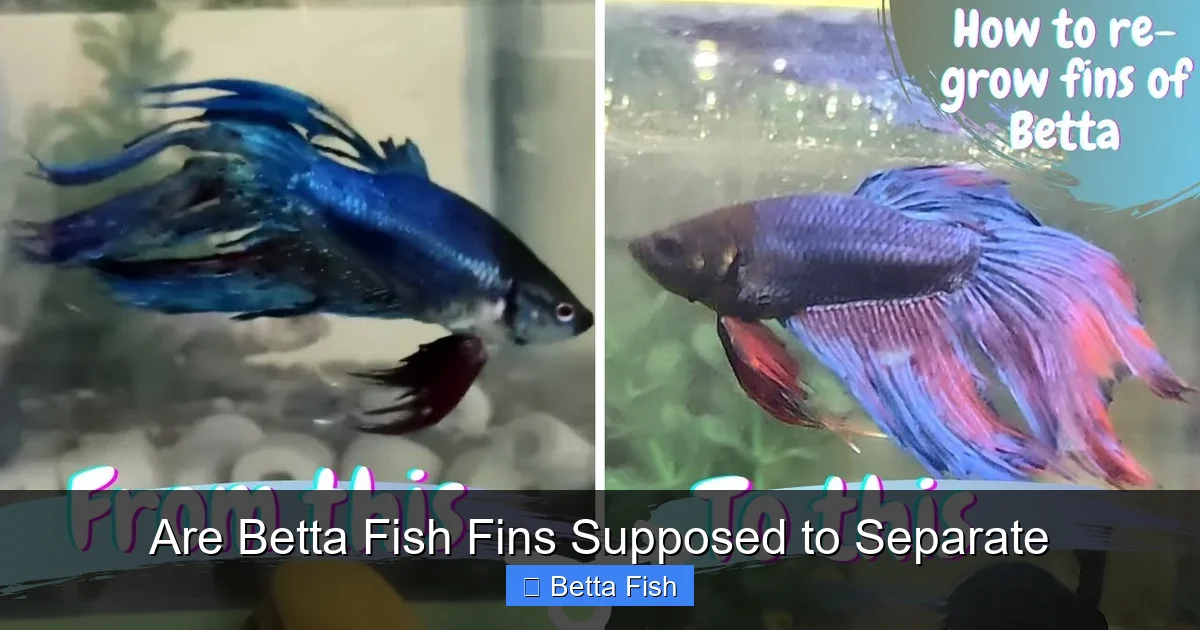
When stressed, bettas may rub against decorations, causing the delicate fin edges to fray and appear separated. The fish may also display frantic gill flaring or hide more often.
Fin Rot and Infections
Fin rot, caused by bacteria such as Flavobacterium or Vibrio, begins as a small spot that turns white, then becomes ragged and may look like the fin is splitting apart. Fungal infections produce a cotton‑like growth that can also create gaps. Parasites like Ich or velvet can weaken fin tissue, making it separate more easily.
For a deeper dive on fin rot, check our article on how to cure fin rot in betta fish. It explains treatment steps you can apply if you suspect an infection.
3. Diagnosing the Issue: Quick Checklist
Observe the Appearance
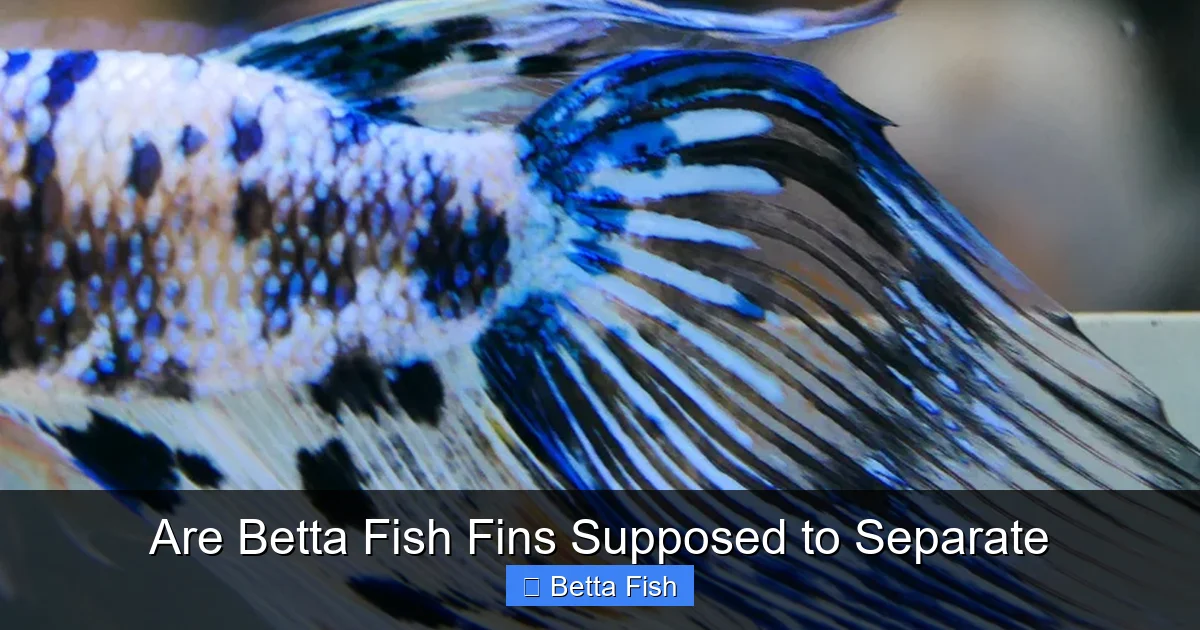
- Clean edge, no discoloration: Likely normal shedding.
- White or yellow patches, ragged edges: Possible fin rot or fungal growth.
- Bleeding or blackened tips: May indicate injury or severe infection.
Check Water Parameters
Good water quality is the cornerstone of fin health. Test for:
Visual guide about Are Betta Fish Fins Supposed to Separate
Image source: japanesefightingfish.org
- Ammonia: 0 ppm
- Nitrite: 0 ppm
- Nitrate: < 20 ppm
- pH: 6.5‑7.5 (stable)
- Temperature: 76‑82°F (24‑28°C)
If any values are out of range, perform a partial water change (25‑30%) and monitor the fin condition over the next 24‑48 hours.
4. How to Fix and Prevent Fin Separation
Immediate Actions for Suspected Disease
1. Quarantine: Move the affected betta to a separate, clean tank to prevent spread.
2. Medication: Use a broad‑spectrum antibacterial like Maracyn or a fungal treatment such as Pimafix, following the label dosage.
3. Improve Water: Increase daily water changes to 30% for the first week.
For step‑by‑step guidance, see our guide on how to fix betta fish fins.
Long‑Term Prevention Strategies
- Tank Size & Setup: Provide at least 5 gallons of filtered water. Avoid tiny bowls that trap waste.
- Live Plants: Plants like Java fern or Anubias improve water quality and give your betta gentle places to rest.
- Balanced Diet: Feed high‑quality betta pellets, occasional frozen or live foods, and limit treats to 2‑3 times per week.
- Regular Maintenance: Change 25% of the water weekly, clean the substrate, and test parameters weekly.
5. Frequently Asked Questions About Fin Separation
Can betta fins grow back after they separate?
Yes. Betta fins have remarkable regenerative abilities. With proper care, a damaged fin can regrow fully, though it may take several weeks.
Do male bettas separate their fins more than females?
Both sexes can experience fin separation, but aggressive male bettas sometimes fray their fins when fighting. Keeping males separate, as discussed in why are male betta fish kept separate, reduces this risk.
Is my betta’s fin separation a sign of poor diet?
A lack of essential fatty acids and vitamins can weaken fin tissue, making it more prone to tearing. Ensure you’re feeding a varied, high‑quality diet.
How long does it take for a normal fin shedding cycle?
Typical shedding lasts 5‑7 days. The fin will look slightly ragged at first, then smooth out as new tissue grows.
Should I trim a fin that looks split?
Only trim if the fin is severely torn and poses a risk of infection. Use sterilized scissors and limit trimming to the damaged portion.
Can water additives like conditioners cause fin separation?
Most reputable conditioners are safe, but over‑use of carbon or heavy metals can stress fish. Stick to the manufacturer’s recommended dose.
Conclusion: Keeping Those Fins Fabulous
So, are betta fish fins supposed to separate? The short answer: a little separation is normal during growth, but frequent or ragged splits usually point to stress, poor water, or disease. By monitoring water quality, providing a balanced diet, and acting quickly when problems arise, you can help your betta flaunt the full, vibrant fins that made the species famous.
Remember, a happy betta is a healthy betta. Keep the tank clean, feed wisely, and give your fish a stress‑free environment, and those fins will stay as stunning as the day you first fell in love with them.
Frequently Asked Questions
Why do betta fins sometimes look torn even after a water change?
Water changes improve water quality but don’t instantly heal damaged tissue. Continue monitoring and treat any infection if it appears.
Can I use human antibiotics to treat fin rot?
No. Fish‑specific medications are formulated for safe absorption in aquatic environments. Use products labeled for aquarium use.
Do bettas need a heater to prevent fin separation?
Maintaining a stable temperature (76‑82°F) helps keep the immune system strong, reducing the chance of fin issues.
Is it okay to keep a betta with other peaceful fish?
Yes, if the tank is large enough (10+ gallons) and the tank mates are calm. Avoid long‑finned or fin‑nipping species.
How often should I feed my betta to support fin health?
Feed once or twice daily, offering only what the fish can eat in 2‑3 minutes. Overfeeding leads to poor water quality, which harms fins.
What’s the best way to acclimate a new betta to avoid fin stress?
Float the sealed bag in the tank for 15‑20 minutes, then slowly add small amounts of tank water over an hour. This gradual process reduces shock and fin damage.