Betta fish are primarily diurnal, thriving during daylight hours, but they also show brief nocturnal activity. Understanding their light‑cycle needs helps you create a tank environment that reduces stress and promotes vibrant colors. Follow our simple tips to match your betta’s natural rhythm.
Key Takeaways
- Mostly diurnal: Betta fish are most active in the day, especially during early morning and late afternoon.
- Brief night activity: They may swim a little after lights off, but movement is limited.
- Lighting matters: Consistent 10‑12 hour light cycles reduce stress and enhance coloration.
- Tank setup tips: Use dimmable LED lights, provide hiding spots, and avoid sudden darkness.
- Observe behavior: Changes in activity can signal health issues or unsuitable lighting.
- Link to related info: Learn more about betta care in our guide on are betta fish easy to care for.
- Know the basics: Review what betta fish are and their natural habitat for deeper insight.
📑 Table of Contents
- Introduction: Why Light Rhythm Matters
- 1. The Natural History of Betta Fish
- 2. Are Betta Fish Diurnal or Nocturnal?
- 3. How Light Affects Betta Health and Color
- 4. Setting Up the Perfect Day‑Night Cycle
- 5. Observing Your Betta’s Behavior
- 6. Common Questions and Misconceptions
- Conclusion: Match the Rhythm, Keep the Color
- Further Reading
Introduction: Why Light Rhythm Matters
When you first bring home a betta, the most eye‑catching thing is its bright fins. But behind that flash of color lies a creature that has evolved to follow a daily rhythm. Knowing whether betta fish are diurnal or nocturnal isn’t just a trivia question—it’s the key to a stress‑free, colorful tank.
In the wild, bettas inhabit shallow, slow‑moving waters of Southeast Asia where sunlight filters through dense vegetation. Those conditions shape their activity patterns. In a home aquarium, you control the light, so you can mimic nature or unintentionally disrupt it. This article walks you through the science, the signs to watch, and practical steps to give your betta the perfect day‑night cycle.
1. The Natural History of Betta Fish
Where bettas come from
Betta fish (Betta splendens) are native to the rice paddies, swamps, and slow streams of Thailand, Cambodia, and Vietnam. The water is warm (24‑30 °C), slightly acidic, and often shaded by overhanging plants.

Visual guide about Are Betta Fish Diurnal or Nocturnal
Image source: i.ytimg.com
Daylight in their native habitat
Sunlight in these tropical wetlands is bright but filtered. Early morning provides a gentle glow, while midday brings stronger light. Evening light fades slowly, giving bettas a clear cue for when to feed, explore, and show off their fins.
2. Are Betta Fish Diurnal or Nocturnal?
What “diurnal” really means
Diurnal animals are most active during daylight hours. They feed, hunt, and interact when the sun is up, then rest when it’s dark.
Visual guide about Are Betta Fish Diurnal or Nocturnal
Image source: bettafishworld.com
Betta’s primary pattern
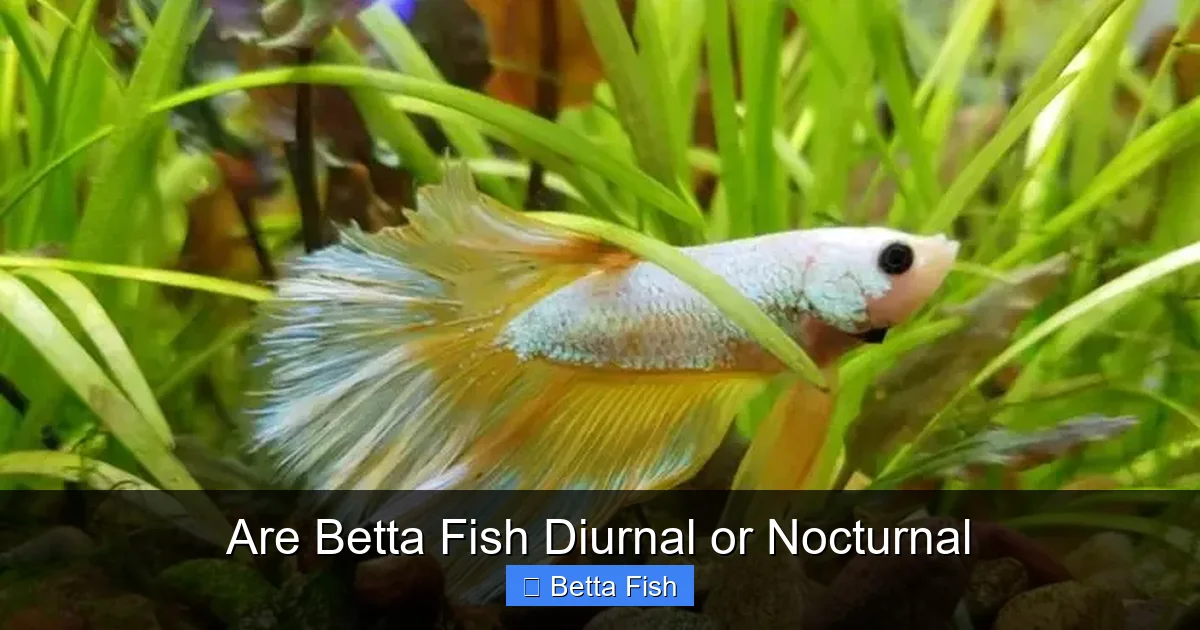
Scientific observations and hobbyist reports agree: bettas are **primarily diurnal**. They usually start moving shortly after lights turn on, flare their fins, and may even perform a short “bubble nest” ritual during the day.
Why some owners think they’re nocturnal
Occasionally a betta will glide across the tank after the lights are off. This is often a brief burst of curiosity or a response to a sudden noise, not a true nocturnal habit. In a well‑lit tank, most bettas settle on a leaf or plant and rest once darkness falls.
Scientific backup
Studies on related gourami species show a strong preference for daylight activity, linked to feeding cycles and predator avoidance. Betta fish share the same family (Osphronemidae), reinforcing the diurnal label.
3. How Light Affects Betta Health and Color
Stress reduction
Consistent lighting mimics the natural environment, keeping cortisol levels low. Sudden darkness or extended periods of light can cause stress, leading to faded colors, frayed fins, or a weakened immune system.

Visual guide about Are Betta Fish Diurnal or Nocturnal
Image source: a-z-animals.com
Color enhancement
Betta pigments (iridophores and melanophores) respond to light. A regular 10‑12 hour light schedule helps the fish display its full spectrum of blues, reds, and purples.
Practical lighting tips
- Use a timer to keep the light on for 10‑12 hours a day.
- Choose dimmable LED fixtures that can be lowered to a soft glow in the evening.
- Avoid fluorescent tubes that flicker; they can stress bettas.
4. Setting Up the Perfect Day‑Night Cycle
Choosing the right timer
A simple plug‑in timer is enough. Set it to turn on at 8 am and off at 8 pm, adjusting for your household routine. Consistency is more important than exact times.
Creating “twilight” periods
Betta fish experience a gradual transition in nature. Use a low‑intensity LED for 15‑30 minutes before full light and after lights off. This mimics sunrise and sunset, easing the fish into activity or rest.
Hiding spots for night
Provide caves, dense plants, or ceramic ornaments where the betta can retreat. Even though they’re not strictly nocturnal, a secure spot helps them feel safe when the lights are out.
5. Observing Your Betta’s Behavior
Signs of a happy, diurnal betta
- Active swimming within the first hour of lights on.
- Frequent fin flares and bubble nest building during daylight.
- Calm resting on plants or the tank bottom after lights off.
When activity at night is a red flag
If your betta is constantly swimming in the dark, it could indicate poor water quality, temperature stress, or a lack of hiding places. Test water parameters and ensure the tank stays within 24‑28 °C.
6. Common Questions and Misconceptions
Do bettas need a “night light”?
Only if you keep the tank in a completely dark room. A dim night light (1‑2 lux) can prevent sudden darkness, but most bettas are fine with total darkness.
Can I keep a betta in a room with natural sunlight?
Yes, but avoid direct sun rays that cause temperature spikes. Use a sheer curtain to diffuse the light and keep the water temperature stable.
Conclusion: Match the Rhythm, Keep the Color
Betta fish are **diurnal** by nature, thriving under a steady day‑night rhythm that mirrors their wild homes. By providing 10‑12 hours of gentle light, a brief “twilight” transition, and secure hiding spots, you’ll see brighter colors, more confident behavior, and a healthier fish.
Remember, any deviation from this routine—sudden darkness, constant night swimming, or erratic feeding—should prompt a quick check of water quality, temperature, and tank setup. When you respect your betta’s natural schedule, you’ll enjoy a spectacular display of fins and personality for years to come.
Further Reading
- What Are Betta Fish – Learn about their origins and biology.
- Are Betta Fish Nocturnal – A deeper dive into night‑time behavior.
- Are Betta Fish Easy To Care For – General care tips for beginners.
Frequently Asked Questions
Are betta fish active during the day?
Yes. Betta fish are primarily diurnal and usually become active within the first hour after the lights turn on, showing flaring fins and exploring the tank.
Do bettas ever swim at night?
They may make brief, low‑energy movements after lights off, but sustained night activity is uncommon and can signal stress or poor water conditions.
How many hours of light should a betta get?
Aim for 10‑12 hours of light per day, with a short dim period at sunrise and sunset to mimic natural transitions.
Can I use a regular aquarium heater with my lighting schedule?
Yes. Keep the water temperature steady (24‑28 °C) and use a timer for both heater and light to maintain consistent conditions.
What should I do if my betta seems restless at night?
Check water parameters, add more hiding spots, and ensure the night darkness isn’t abrupt. A gentle dim night light can help ease the transition.
Do male and female bettas have different activity patterns?
Both sexes are diurnal, but males often display more aggressive flaring during daylight, especially when building a bubble nest.

