Can Starfish Live with Betta Fish

In most cases, starfish and betta fish should not live together. These animals have completely different and incompatible environmental needs, particularly regarding water salinity and temperature. While a few hardy, tropical marine starfish species might theoretically survive in a heated, brackish setup, the betta’s aggressive and nippy nature poses a constant threat. Success would require an exceptionally large, specialized tank, impeccable water management, and careful species selection, making it an advanced and high-risk endeavor unsuitable for beginners.
You’ve got a beautiful, flowing betta fish, maybe a halfmoon or a plakat with vibrant colors. Your tank is a serene freshwater oasis. Then you see a fascinating starfish at the pet store—a little five-armed wonder that seems like the perfect, peaceful companion to add some bottom-dwelling interest. The idea of a colorful fish and a quirky invertebrate living in harmony is appealing. But before you bring that starfish home, you must ask the critical question: can starfish live with betta fish? The short, crucial answer is that it is profoundly difficult, generally not recommended, and carries a very high risk of failure, stress, and death for your animals. This isn’t just a case of “maybe they’ll get along.” It’s a fundamental clash of biological needs that places this combination in the “expert-only, high-risk” category of aquarium ventures.
This guide will dive deep into the specifics of why this pairing is so problematic. We’ll explore the stark differences in their natural habitats, their conflicting water chemistry needs, their behavioral tendencies, and the immense logistical hurdles involved. Our goal is not to discourage curiosity, but to provide you with the complete, unfiltered information you need to make a responsible decision for your aquatic pets. If you’re determined to attempt this, you’ll need to understand the narrow path to potential success and the many pitfalls that await.
Key Takeaways
- Fundamental Incompatibility: Bettas are freshwater fish, while starfish are exclusively saltwater (marine) invertebrates, creating an unbridgeable gap in basic tank chemistry.
- Temperature Clash: Bettas require warm water (78-80°F/25.5-26.5°C), while many common marine starfish prefer cooler, stable temperatures (72-78°F/22-25.5°C), creating stress for one or both animals.
- Behavioral Risks: Betta fish are known to nip at long, flowing fins and slow-moving creatures. A stationary, textured starfish is a prime target for a curious or aggressive betta, leading to injury or infection.
- Water Parameter Extremes: Marine aquariums require stable, high-specific-gravity salinity (1.023-1.025 SG) and different mineral balances (calcium, alkalinity) than freshwater betta tanks, which are toxic to the opposite species.
- Starfish Sensitivity: Starfish are extremely sensitive to water quality fluctuations, ammonia, nitrates, and copper-based medications common in freshwater setups, making them prone to rapid decline.
- Dietary Divide: Bettas are carnivorous surface feeders, while starfish are scavengers or predators with entirely different food requirements, complicating feeding without polluting the water.
- Quarantine is Non-Negotiable: Any starfish must be perfectly healthy and quarantined in a separate, species-appropriate tank before any introduction to a betta environment to prevent disease introduction.
📑 Table of Contents
The Great Divide: Freshwater vs. Marine Biology
To understand why the question “can starfish live with betta fish” is so complex, we must start with the absolute basics of their biology. Bettas (Betta splendens) are freshwater fish, native to the shallow, slow-moving rice paddies, marshes, and floodplains of Southeast Asia. Their entire physiology is adapted to soft, slightly acidic to neutral freshwater. Starfish, however, are echinoderms—marine invertebrates found exclusively in saltwater environments, from tidal pools to deep ocean floors. Their internal systems are built to function in a saline solution. This isn’t a minor preference; it’s a non-negotiable requirement for survival.
Osmosis: The Silent Killer
The core issue is osmosis. Freshwater fish like bettas have bodies that are slightly more salty than their environment. Water constantly flows into their bodies, and their kidneys work overtime to expel the excess. Marine animals like starfish have bodies that are slightly less salty than seawater. They constantly lose water and must drink seawater and excrete the salt through specialized cells. Placing a starfish in freshwater is a death sentence. Water will flood into its body, cells will swell and rupture, and it will perish within hours or days. Conversely, putting a betta in saltwater will dehydrate it rapidly as water is pulled from its body. There is no safe middle ground for long-term cohabitation.
The Brackish Gamble
This leads to the one hypothetical loophole: brackish water. Brackish water is a mix of fresh and saltwater, with a specific gravity (SG) typically between 1.005 and 1.010. Some fish, like mollies or certain species of pufferfish, are euryhaline, meaning they can adapt to a range of salinities. Bettas, however, are not. They are strictly freshwater. Even a low brackish level (SG 1.002-1.004) can cause severe stress, osmotic shock, and long-term health damage to a betta. Therefore, the tank cannot be truly brackish for the starfish while being safe for the betta. This fundamental incompatibility is the first and biggest roadblock.
Critical Compatibility Challenges Beyond Salinity
Even if we fantasize about a magical salinity where both could physically survive, a cascade of other incompatibilities would quickly doom the experiment.
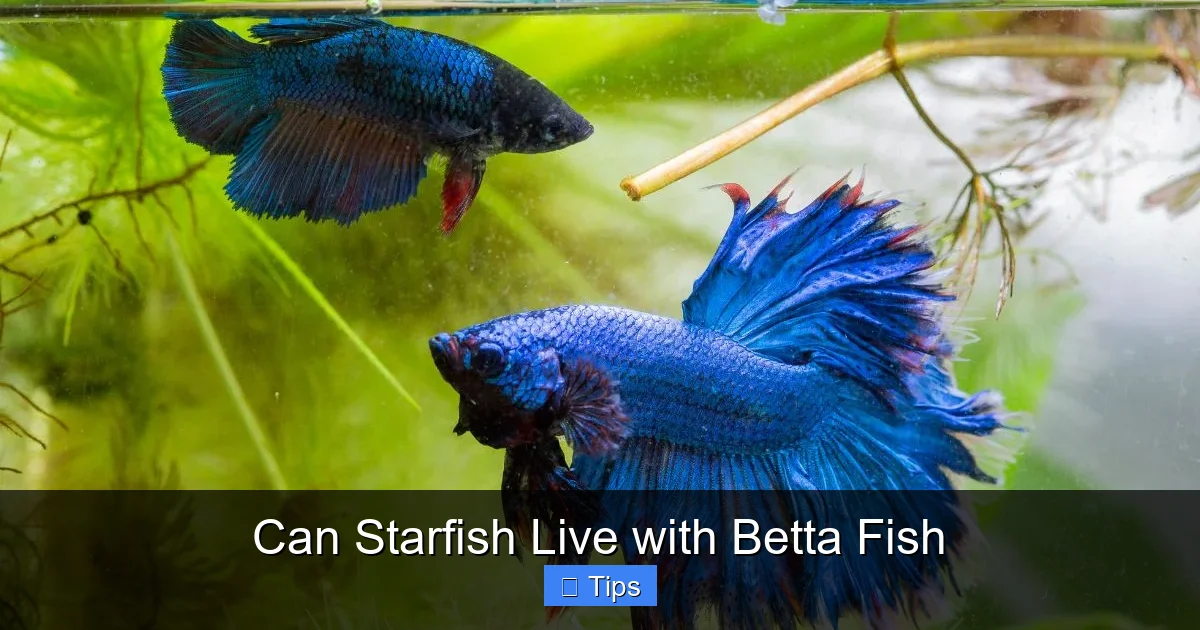
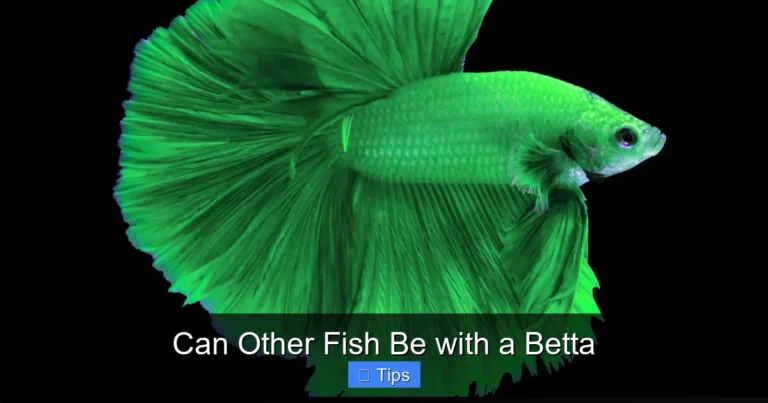
Visual guide about Can Starfish Live with Betta Fish
Image source: housedpet.com
Temperature Tug-of-War
Betta fish are tropical labyrinth fish. They require warm water to thrive, optimally between 78°F and 80°F (25.5°C – 26.5°C). Their metabolism, immune system, and breeding behaviors are tied to this warmth. Many popular marine starfish, like the common chocolate chip starfish (Protoreaster nodosus) or the blue linckia (Linckia laevigata), come from reef environments where temperatures are more stable and often slightly cooler, typically between 72°F and 78°F (22°C – 25.5°C). Keeping the tank at 78°F might be acceptable for some starfish but is at the very top of their range. Keeping it at 80°F for a betta would push many marine starfish into thermal stress, accelerating their metabolism, increasing their oxygen demand, and making them more susceptible to disease. You cannot simultaneously meet the ideal temperature for both animals.
Water Chemistry: A Tale of Two Parameters
Freshwater and marine aquariums are managed with completely different test kits and supplements.
- Marine Focus: Saltwater tanks focus on calcium, alkalinity, and magnesium to support the growth of corals and the exoskeletons of crustaceans and echinoderms (like starfish). Starfish need stable, high calcium levels (400-450 ppm) and alkalinity (7-11 dKH) to maintain their ossicles (the hard plates under their skin). They are also highly sensitive to phosphate and nitrate levels.
- Freshwater Focus: Betta tanks focus on ammonia, nitrite, and nitrate as the primary nitrogen cycle parameters. They do not require added calcium or alkalinity. In fact, the chemical additives needed to maintain a healthy marine tank (calcium reactors, two-part supplements) could be toxic or disruptive to a freshwater system and its inhabitants.
You cannot properly dose for a starfish’s skeletal health in a freshwater tank without harming the betta’s biofilter and overall water balance.
Behavioral Blueprint: Betta vs. Starfish
This is where the pairing becomes particularly dangerous. Bettas, especially males, are famously territorial and can be aggressive towards anything with flowing fins or slow, deliberate movements—which perfectly describes a starfish.
- Betta Instincts: Bettas are surface-dwelling predators. They are curious and will investigate anything that moves, including the tube feet of a starfish. A betta may nip at a starfish’s arms, mistaking them for a worm or a competitor. Even a “peaceful” betta can cause damage through persistent investigation.
- Starfish Vulnerability: Starfish move slowly. Their primary defense is regeneration—they can lose an arm and regrow it. However, a nip from a betta can introduce bacteria into the wound. Starfish have no real ability to escape or fight back. A stressed or injured starfish will often stop eating and waste away, a process that can be quick and difficult to reverse. Their skin is also sensitive to the slime coat of fish, which can be irritating.
Could Any Starfish Species Survive? The Chocolate Chip Case Study
In the online aquarium world, you might hear whispers about the “chocolate chip starfish” (Protoreaster nodosus) being the only potential candidate. It’s a hardy, tropical species from the Indo-Pacific that tolerates a wider temperature range and is less dependent on pristine coral reef water parameters than some delicate reef species. This has led to a myth that it can live in a “warm freshwater” tank with a betta.
This is a dangerous misconception. The chocolate chip starfish is still a marine animal. It requires saltwater. Period. It can be found in slightly brackish lagoons in the wild, but these are still saline environments (SG ~1.010-1.018). Its physiology is marine. Keeping it in freshwater is fatal. Attempting to keep it in a low-brackish setup (SG 1.005-1.008) to theoretically reduce stress on a betta is still lethal to the starfish over time, as it cannot properly osmoregulate and will slowly dehydrate. Furthermore, this starfish is nocturnal. A betta is diurnal and will be active when the starfish is trying to move and feed, increasing the likelihood of confrontation. This is not a viable solution; it is simply a slightly slower death sentence for the starfish.
The Practical and Logistical Nightmare
Assuming you accept the biological incompatibilities but still want to explore the “how,” you immediately face monumental practical challenges.
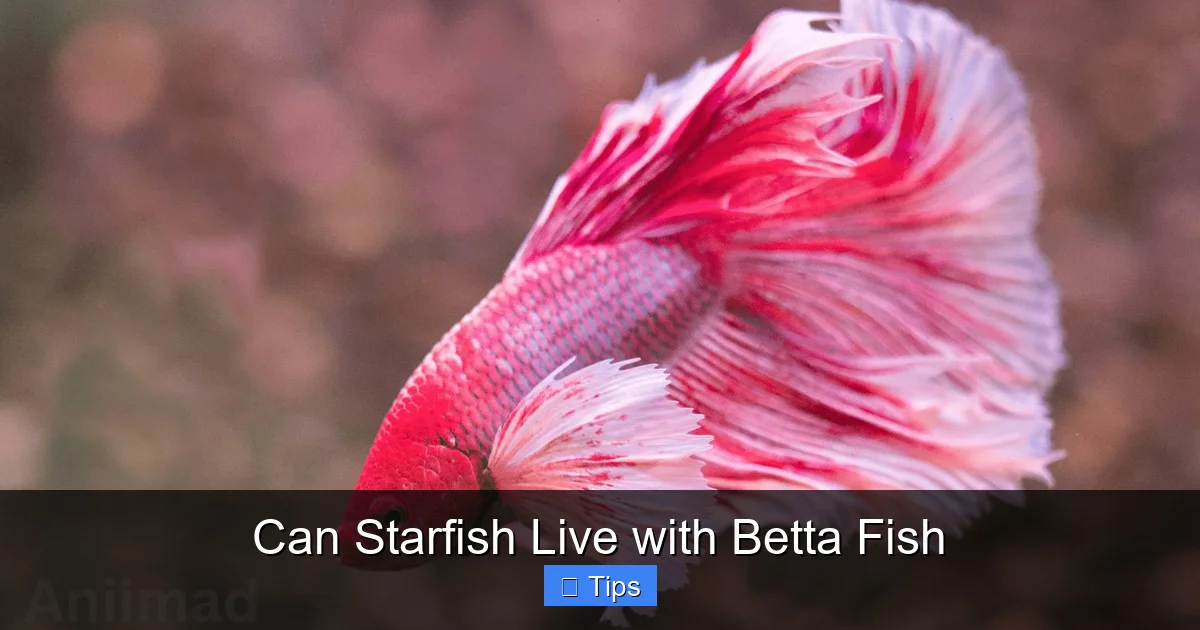
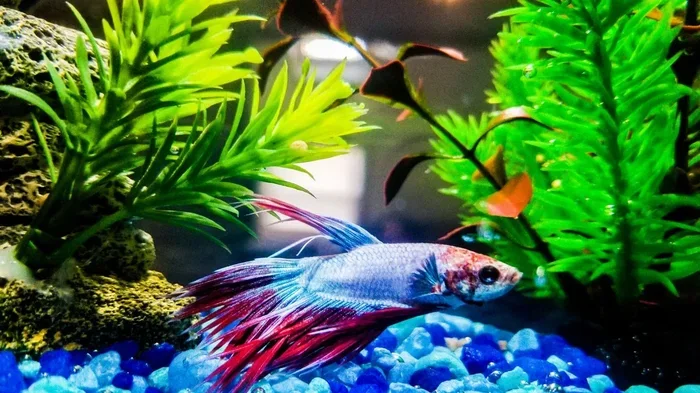
Visual guide about Can Starfish Live with Betta Fish
Image source: aniimad.com
Tank Size and Setup: Nothing Less Than a Small Ocean
To even attempt a mitigation strategy, you would need a massive, custom-built tank. A standard 10- or 20-gallon betta tank is utterly useless. You would be looking at a minimum of 75 gallons, ideally 100+ gallons. Why? To create enough physical space and dilution to manage the conflicting water parameters and to provide a territory large enough that the betta might ignore the starfish. This tank would need to be:
- Equipped for Saltwater: A powerful sump with a protein skimmer is essential to manage the organic load from a starfish’s diet and to maintain ultra-stable marine water chemistry.
- Heavily Stocked with Live Rock: This provides biological filtration and a complex rockwork structure to break lines of sight, giving the starfish places to hide from the betta’s view.
- Heated and Chilled? You’d face a temperature dilemma. You might need a separate, small, enclosed “refugium” or a heavily rock-covered, heated corner for the betta, while the main water volume is kept at the starfish’s preferred lower end of its range. This is incredibly complex to engineer and maintain.
Feeding Fiasco
Feeding becomes a strategic operation. Bettas are surface feeders, taking pellets or frozen foods at the top. Starfish are scavengers/predators that need meaty foods like mysis shrimp, chopped clam, or marine sinking pellets placed directly on the substrate near them. You cannot just dump food in. You would have to:
- Target-feed the starfish with a turkey baster or long tweezers, ensuring food reaches it without the betta intercepting it.
- Feed the betta separately, perhaps with a floating feeding ring, to prevent it from gulping down the starfish’s food and polluting the water with excess nutrients.
Any uneaten food will rot, causing ammonia spikes that are deadly to the sensitive starfish.
The Quarantine Imperative
You must quarantine the starfish in a separate, properly cycled, and fully marine tank for a minimum of 4-6 weeks. This is to:
- Observe for any signs of disease, injury, or parasites (like starfish wasting disease).
- Ensure it is eating well and is robust before any introduction.
- Never dip a starfish in freshwater or use freshwater dips to treat parasites, as this will kill it. All treatments must be marine-safe.
Introducing a stressed or sick starfish directly into a betta tank is a guaranteed failure.
The Ethical Question: Is It Worth the Risk?
Given the immense biological hurdles, the specialized equipment required, the constant vigilance needed, and the high probability of one or both animals suffering, we must ask: why attempt this? The primary driver is often aesthetic—the desire for a unique, “cool” community tank. But animal welfare must come first.
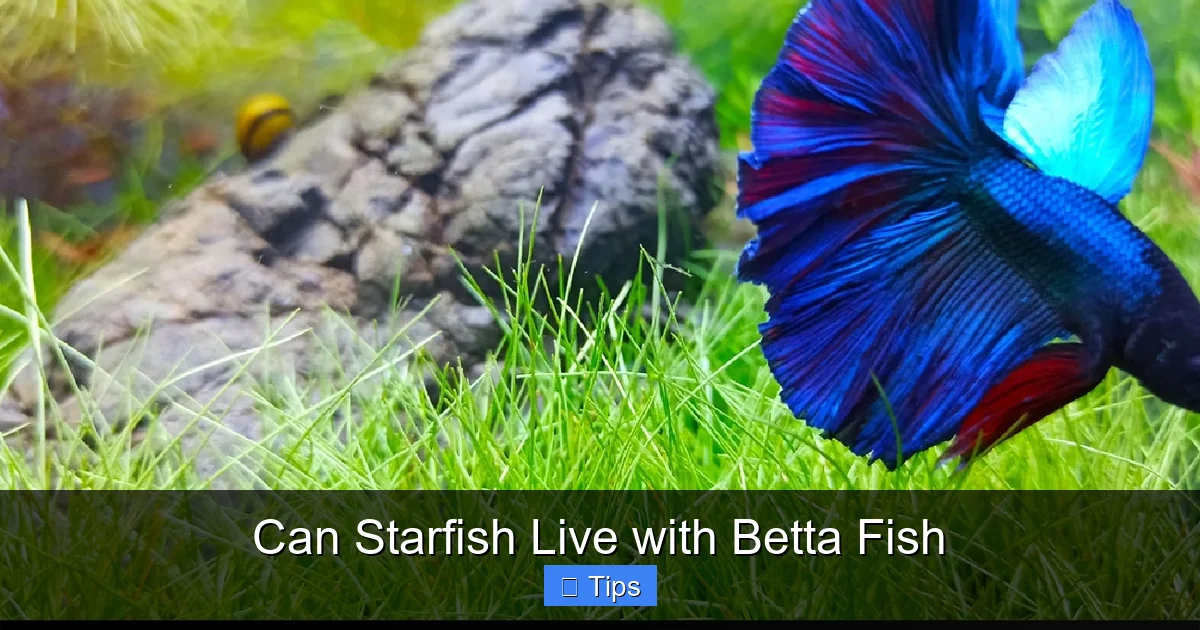
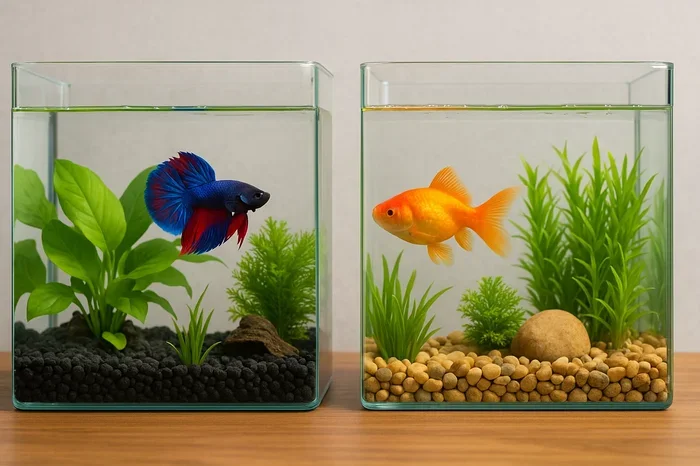
Visual guide about Can Starfish Live with Betta Fish
Image source: buildyouraquarium.com
A betta is a beautiful, personality-filled fish that deserves a stable, species-appropriate freshwater home where it can flare, build bubble nests, and live without chronic stress from an incompatible tank mate. A starfish is a delicate, ancient creature that deserves a stable, clean, properly saline marine environment where it can slowly explore and feed. Forcing them into a compromised “middle ground” satisfies a human curiosity at the potential cost of both their health and longevity.
Superior Alternatives for a “Community” Tank
If you want a community tank with your betta, look to its natural, freshwater compatriots. After a proper quarantine and in a tank of 20+ gallons, peaceful, fast-swimming schooling fish like emerald rasboras, harlequin rasboras, or a small school of corydoras catfish can often coexist with a non-aggressive betta. Shrimp, like cherry shrimp or amano shrimp, can also work but may be eaten. These are animals with identical water parameter needs, creating a harmonious, stable ecosystem. For the starfish fascination, consider starting a dedicated, small “nano” marine tank. A properly set-up 10-20 gallon marine tank with a few pieces of live rock and a single, hardy starfish (like a chocolate chip) can be a stunning, low-tech (but still marine) exhibit that is ethically sound and easier to maintain than a failed hybrid.
Conclusion: A Bridge Too Far
So, can starfish live with betta fish? The exhaustive analysis points to a resounding no. The attempt is a logistical and biological minefield. The differences in salinity, temperature, water chemistry, and behavior are not minor obstacles; they are absolute walls that, for the sake of the animals’ welfare, should not be scaled. The chocolate chip starfish is not a loophole; it is a marine animal being subjected to a fatal environment. The immense tank size, complex equipment, and feeding regime required for even a slim chance of success place this venture firmly in the realm of advanced, well-funded aquarists who are prepared for frequent water changes, meticulous monitoring, and the likely loss of one or both inhabitants.
Your desire to create a beautiful, diverse aquarium is commendable. But true beauty in the hobby comes from providing thriving, natural environments for the creatures in our care. The most responsible and rewarding path is to choose tank mates that share the same fundamental biological blueprint. Give your betta a peaceful freshwater community. Give your fascination with starfish the dedicated saltwater tank it deserves. In doing so, you ensure both animals live long, healthy, and stress-free lives, which is the ultimate goal of any true aquarium enthusiast.
Frequently Asked Questions
Can any species of starfish survive in a freshwater tank with a betta?
No. All starfish are marine invertebrates and require saltwater to osmoregulate. Placing any starfish in freshwater, even if heated to a betta’s temperature, will cause fatal osmotic shock and cell rupture. There are no freshwater starfish species.
What about using a brackish water tank as a compromise?
This is not a safe compromise. Bettas are strict freshwater fish and will suffer osmotic stress and long-term health damage in even low brackish water (SG 1.002+). Starfish in low brackish water are also chronically dehydrated and stressed. You cannot find a salinity that is optimal for both.
If I have a huge, heavily decorated tank, could my betta ignore a starfish?
It’s possible, but unlikely and extremely risky. Bettas are curious and may still nip at a slow-moving starfish out of territorial instinct or simple boredom. Even a minor nip can lead to a fatal infection for the starfish. The large tank only reduces, but does not eliminate, this behavioral risk.
What are the first signs that a starfish is failing in this setup?
>Look for the starfish becoming lethargic, losing its grip on the glass or rock, developing white or discolored patches (signs of infection or necrosis), losing arms, or stopping eating entirely. These signs often appear quickly and are very difficult to reverse, especially in incorrect water chemistry.
Are there any invertebrates that are safe with betta fish?
Yes, but only freshwater invertebrates. These include certain species of freshwater shrimp (like Amano or Ghost shrimp, though cherry shrimp may be eaten), and some freshwater snails (Nerite, Mystery, Apple snails). They share the same freshwater parameters and are either too small to bother or have shells that deter nipping.
What should I do if I’m really interested in keeping a starfish?
Start a dedicated, properly set-up marine nano aquarium. Research the specific needs of a hardy, beginner-friendly starfish like the chocolate chip starfish. Learn about the nitrogen cycle in saltwater, the need for live rock, stable salinity (hydrometer/refractometer), and appropriate marine feeding. This is the only ethical way to enjoy these fascinating creatures.