Betta fish are sensitive to light, and proper illumination can boost their color, health, and natural rhythms. Too much or the wrong type of light can cause stress, faded hues, and even disease, so mastering lighting is key to happy bettas.
Key Takeaways
- Natural vs. artificial light: Both affect bettas, but controlled aquarium lighting gives the best results.
- Duration matters: 8‑10 hours of light daily mimics their native habitat and prevents stress.
- Light spectrum: Full‑spectrum (6500‑7000 K) promotes vibrant colors; UVB is unnecessary.
- Shade and hiding spots: Provide dark areas so bettas can retreat when they need a break.
- Seasonal changes: Adjust lighting gradually to simulate rainy‑season dimming and dry‑season brightness.
- Energy‑saving tips: LED lights deliver the right spectrum while keeping electricity costs low.
- Link to related care topics: Good lighting works hand‑in‑hand with proper tank setup and diet for optimal betta health.
📑 Table of Contents
- Introduction: Why Light Matters for Betta Fish
- 1. The Science Behind Light and Betta Physiology
- 2. Choosing the Right Light Source
- 3. How Long Should Betta Tanks Be Lit?
- 4. Designing the Tank Environment for Light
- 5. Common Lighting Mistakes and How to Fix Them
- 6. Integrating Light with Overall Betta Care
- Conclusion: Light Up Your Betta’s World the Right Way
Introduction: Why Light Matters for Betta Fish
When you first set up a betta tank, you might think the only things that count are water temperature and a tasty pellet. In reality, light plays a silent but powerful role in a betta’s daily life. These gorgeous, tropical fish come from the shallow, sun‑dappled waters of Southeast Asia. In the wild, they experience a natural rhythm of bright mornings, cloudy afternoons, and dim evenings. Replicating that rhythm at home helps them display their famous colors, maintain strong immune systems, and behave naturally.
In this article we’ll answer the question are betta fish affected by light? We’ll explore the science, share practical lighting setups, and give you tips to avoid common mistakes. By the end, you’ll know exactly how to light your tank so your betta swims happily and looks its most spectacular.
1. The Science Behind Light and Betta Physiology
How fish perceive light
Betta fish have well‑developed eyes that can detect a wide range of wavelengths. While they don’t need ultraviolet (UV) light like some reef fish, they do rely on visible light to regulate hormones, appetite, and stress levels. Light passes through the water and hits photoreceptor cells in the retina, sending signals to the brain’s pineal gland. This gland produces melatonin, the hormone that tells the fish when it’s time to rest.
Visual guide about Are Betta Fish Affected by Light
Image source: hepper.com
Impact on coloration
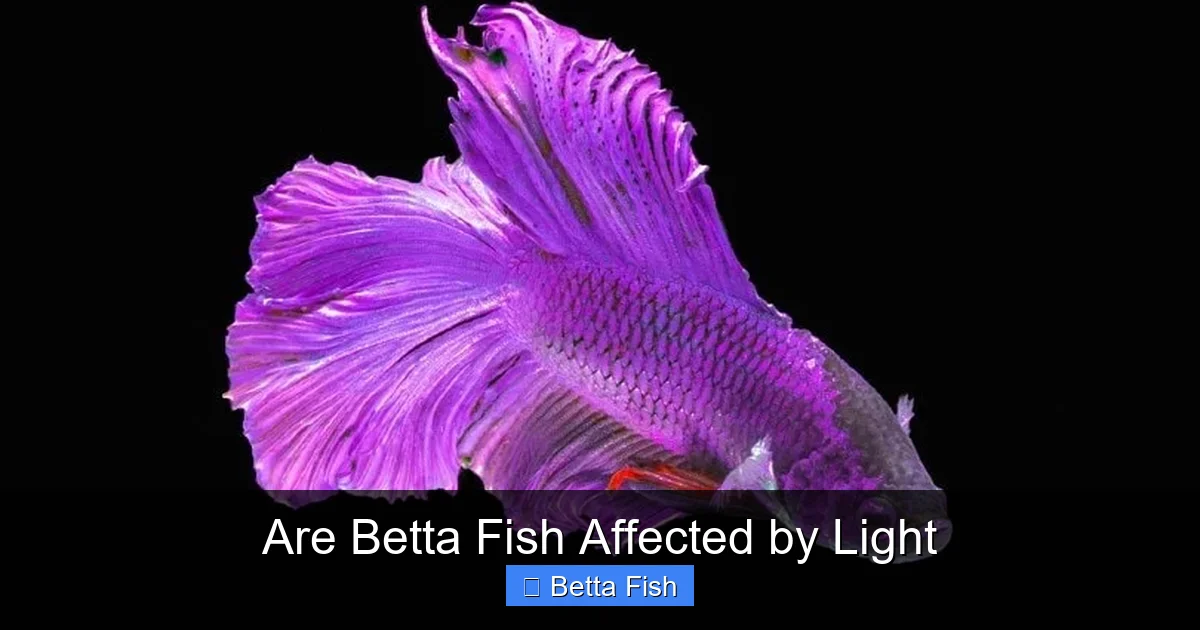
One of the most noticeable effects of light is on a betta’s coloration. Full‑spectrum lighting (around 6500‑7000 K) enhances the reflective qualities of the fish’s iridophores, making reds, blues, and greens appear richer. In low‑light conditions, colors can look muted or “washed out.” This is why a betta kept in a dark cupboard often looks dull, even though it is perfectly healthy.
Stress and disease connection
Too much bright light or sudden changes can raise cortisol levels, weakening the immune system. Chronic stress may lead to fin rot, fungal infections, or a condition known as “light‑induced blindness,” where the fish’s eyes become clouded from overexposure. Providing a regular light schedule helps keep cortisol in check and supports overall health.
2. Choosing the Right Light Source
LEDs vs. fluorescent vs. incandescent
LEDs dominate the aquarium market for good reason. They emit very little heat, last up to 50,000 hours, and can be tuned to the exact spectrum bettas love. Fluorescent tubes work, but they often produce a harsher blue‑white light and generate more heat, which can raise tank temperature.
Visual guide about Are Betta Fish Affected by Light
Image source: bettacarefishguide.com
Incandescent bulbs are the worst choice—they give off a lot of heat, use more electricity, and provide a narrow spectrum that doesn’t bring out betta colors. If you already have a fluorescent fixture, consider swapping the bulbs for a full‑spectrum LED panel.
Understanding color temperature
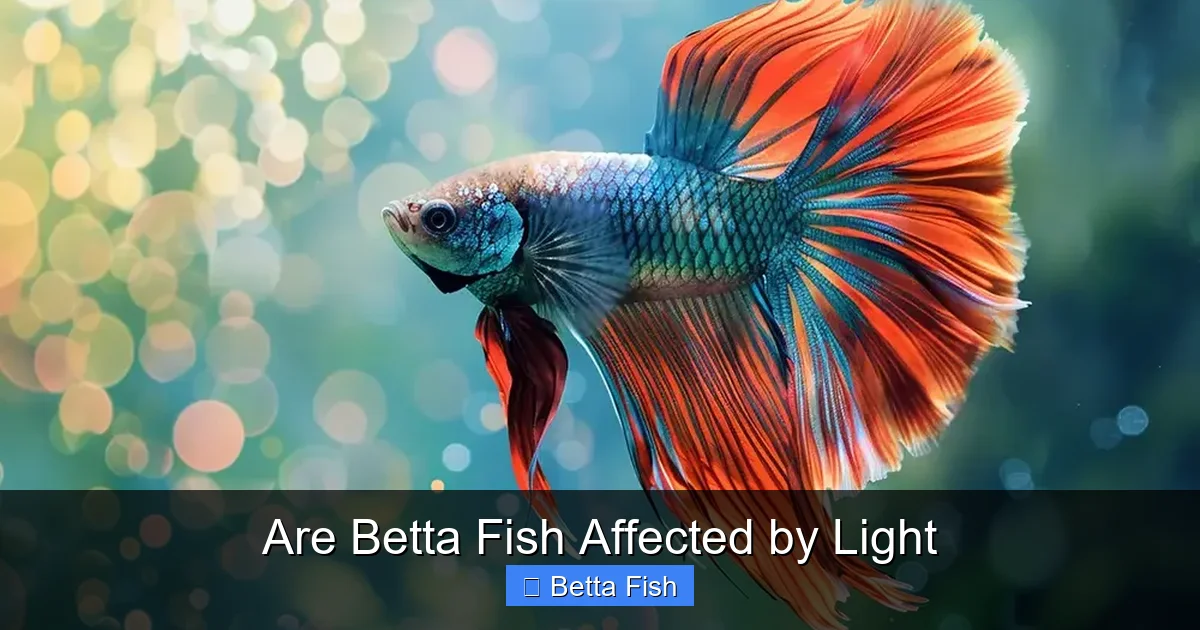
Color temperature is measured in Kelvin (K). For bettas, aim for 6500‑7000 K. This mimics natural daylight and highlights the fish’s iridescent scales. Some hobbyists like a “sunset” effect with a 5000 K bulb for evening hours; this softer light can help the fish wind down.
Do bettas need UVB?
Unlike reptiles, bettas do not require UVB lighting. Their natural habitats are shaded by vegetation, and they obtain needed vitamins from their diet. Adding UVB lamps offers no benefit and may even stress the fish.
3. How Long Should Betta Tanks Be Lit?
Establishing a daily photoperiod
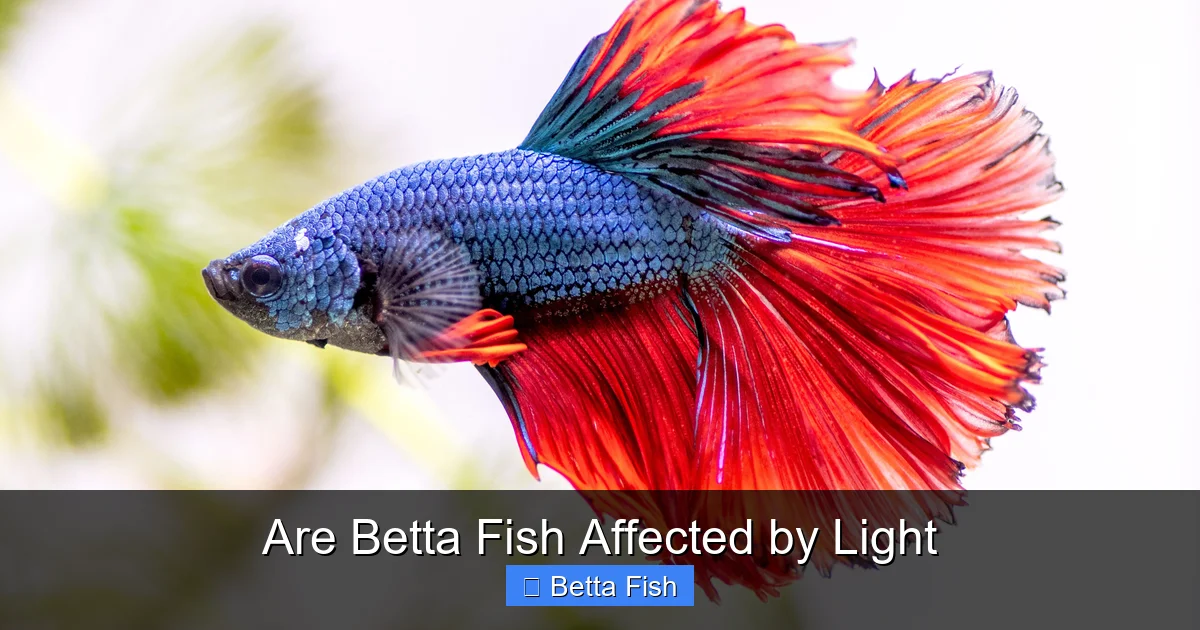
Most experts recommend 8‑10 hours of light per day for bettas. This range mirrors the daylight they would receive in their native streams. Using a timer eliminates guesswork and ensures consistency.
Visual guide about Are Betta Fish Affected by Light
Image source: bettafishworld.com
Gradual transitions
Sudden on/off switches can startle bettas. Choose a timer with a “dawn/dusk” feature that gradually ramps light intensity up and down over 30 minutes. This mimics sunrise and sunset, signaling the fish’s pineal gland to adjust melatonin production smoothly.
Seasonal adjustments
In the wild, bettas experience slightly shorter days during the rainy season and longer days in the dry season. If you enjoy replicating nature, adjust the timer by 30 minutes each month to create a subtle seasonal rhythm. This can even stimulate breeding behavior during the “long‑day” phase.
4. Designing the Tank Environment for Light
Placement of the light fixture
Position the light directly above the tank for even distribution. Avoid angling the light so one side gets a hot spot while the other stays dark. Even lighting prevents algae blooms in bright corners and helps the betta explore the whole tank.
Creating shaded hideouts
Even though bettas enjoy bright light, they also need places to retreat. Use live plants like Java fern or Anubias, and add decorations with caves or rolled wood. These structures cast shadows, giving the fish a sense of security when the light feels too intense.
Background and substrate considerations
A dark background (black or deep blue) enhances color contrast, making the betta’s hues pop under the light. Light-colored substrates reflect illumination, brightening the tank but may also increase algae growth. Choose a balance that suits your aesthetic and maintenance routine.
5. Common Lighting Mistakes and How to Fix Them
Over‑lighting
Leaving the light on 24/7 or using a bulb that’s too bright can cause stress. If you notice your betta hiding constantly, dim the light or reduce the photoperiod. Switching to a lower‑intensity LED (e.g., 20‑30 watts for a 5‑gallon tank) often solves the problem.
Wrong spectrum
Bulbs that are too blue (10,000 K) make colors look washed out and can trigger aggressive behavior. Replace them with a full‑spectrum 6500 K LED. If you want a “mood” effect, add a separate, low‑intensity amber LED for evening times, but keep the main light in the proper range.
Heat buildup
Even LEDs generate a small amount of heat. In a small tank, this heat can raise water temperature by a couple of degrees, stressing tropical bettas that already like warm water (78‑80 °F). Use a vented fixture or place the light a few inches above the water surface to dissipate heat.
Inconsistent lighting
Manually turning the light on/off each day often leads to missed days or accidental over‑exposure. Invest in an affordable plug‑in timer (under $15) and set it once. Consistency is key for hormone regulation and overall well‑being.
6. Integrating Light with Overall Betta Care
Linking lighting to diet
When bettas receive proper lighting, they become more active and eat more readily. Pair a bright morning light with a high‑protein pellet to encourage healthy growth. If the tank is dim, you may need to stimulate feeding with occasional live foods like Daphnia or brine shrimp.
Lighting and breeding
Longer daylight hours (12‑14 hours) can trigger breeding displays in males, especially when combined with a slight temperature increase (82‑84 °F). If you’re aiming to breed, gradually extend the photoperiod over a week while watching for the male’s flaring behavior.
Compatibility with tank mates
Most peaceful community fish (e.g., small rasboras) appreciate the same lighting schedule as bettas. However, avoid bright, high‑intensity setups for shy, nocturnal species. For a mixed tank, a balanced 6500 K LED with a gentle dusk period works for everyone.
Connecting to broader care topics
Good lighting is just one piece of the puzzle. For a full picture of betta health, read our guide on Does A Betta Fish Need Light and learn why stable temperature, clean water, and a proper diet are equally important. Understanding that Are Betta Fish Nocturnal can also help you fine‑tune the night‑time darkness they crave.
Conclusion: Light Up Your Betta’s World the Right Way
Yes—are betta fish affected by light? Absolutely. Light shapes their colors, mood, health, and even breeding cycles. By selecting a full‑spectrum LED, setting a consistent 8‑10 hour photoperiod, and providing shaded hideouts, you create a miniature rainforest that lets your betta thrive.
Remember to keep the lighting gentle, avoid sudden changes, and pair it with clean water, proper temperature, and a balanced diet. When you get these basics right, your betta will flash its fins with confidence, showing off the brilliant hues that made you fall in love with this species in the first place.
Frequently Asked Questions
Do betta fish need a specific type of light?
They do best under full‑spectrum LED lighting (6500‑7000 K). This mimics natural daylight and brings out their vivid colors without generating excess heat.
How many hours of light should a betta receive each day?
Eight to ten hours of consistent light per day is ideal. Use a timer to maintain the same schedule and help regulate the fish’s internal clock.
Can too much light harm a betta?
Yes. Over‑exposure can raise stress hormones, cause faded coloration, and increase the risk of eye clouding or fin disease. Dim the light or reduce the photoperiod if you see these signs.
Is UVB lighting necessary for bettas?
No. Betta fish do not require UVB because they obtain necessary vitamins from their diet. Adding UVB offers no benefit and may stress the fish.
What should I do if my betta looks pale despite having a light?
Check the light’s spectrum and intensity. A low‑quality or overly blue bulb can wash out colors. Switching to a full‑spectrum LED and ensuring a proper photoperiod usually restores vibrancy.
Can lighting affect betta breeding?
Longer daylight periods (12‑14 hours) combined with a slight temperature rise can stimulate breeding behavior. Gradually extend the light cycle while monitoring the male’s display.

