Are Betta Fish Affected by Home Theaters

Betta fish can sense loud noises and vibrations from home theaters, which may cause stress or erratic behavior. By managing volume, placement, and tank setup, you can enjoy movie nights without harming your colorful companion.
Key Takeaways
- Sound sensitivity: Betta fish hear low‑frequency vibrations and can be startled by sudden loud bursts.
- Stress signs: Rapid fin fluttering, hiding, or loss of color often indicate acoustic stress.
- Volume matters: Keeping the theater volume below 70 dB reduces the risk of harm.
- Tank placement: Position the aquarium away from speakers and on a stable surface to limit vibration transfer.
- Environmental enrichment: Plants, caves, and gentle lighting help bettas feel safe during noisy events.
- Routine checks: Regular water tests and observation catch stress early.
- Internal resources: Learn more about betta behavior, tank size, and care basics through our related articles.
📑 Table of Contents
- Introduction: The Unexpected Guest in Your Home Theater
- How Betta Fish Perceive Sound and Vibration
- Signs of Stress in Betta Fish During Loud Events
- Managing Volume and Acoustic Impact
- Optimizing Tank Environment for Noise Resilience
- Practical Tips for Movie Nights with a Betta
- When to Seek Help: Red Flags That Require Immediate Attention
- Conclusion: Enjoy Your Movies, Keep Your Betta Happy
- Related Reading
Introduction: The Unexpected Guest in Your Home Theater
If you love movie marathons, you’ve probably set up a comfy home theater in the living room. But what happens when a bright, curious betta fish shares the same space? Many hobbyists assume that because bettas live underwater, they are insulated from the sounds of booming action scenes. The truth is a bit more nuanced. Betta fish do detect vibrations and low‑frequency noises, and a high‑volume theater can cause stress, affect health, and change behavior.
In this article we’ll explore the science behind sound perception in bettas, outline the signs that your fish is uncomfortable, and give you practical, low‑effort tips to keep both your home theater and your aquatic friend thriving. By the end, you’ll know exactly how to enjoy that blockbuster without turning your betta’s tank into a stress zone.
How Betta Fish Perceive Sound and Vibration
The anatomy of a betta’s hearing
Betta fish lack external ears, but they have a well‑developed inner ear called the otolith organ. This structure detects pressure changes and vibrations in the water. While they cannot hear high‑frequency human speech, they are very sensitive to low‑frequency sounds (20–200 Hz) that travel through the water column.

Visual guide about Are Betta Fish Affected by Home Theaters
Image source: fishkeepandchill.com
From speaker to water: the vibration pathway
When a subwoofer or speaker vibrates, the floor and surrounding air move. Those vibrations travel through the room’s structure, eventually reaching the glass of the aquarium. The glass then transmits the motion to the water, creating tiny ripples that the betta’s otolith can sense. Even if the volume feels “just right” to you, the fish may be feeling a much louder, more jarring stimulus.
Why bettas are more sensitive than some other fish
Betta fish are native to the shallow, slow‑moving waters of Southeast Asia. In the wild, they rely on subtle water movements to locate prey and avoid predators. This evolutionary background makes them especially attuned to changes in their environment, including vibrations caused by human activity.
Signs of Stress in Betta Fish During Loud Events
Behavioral clues to watch for
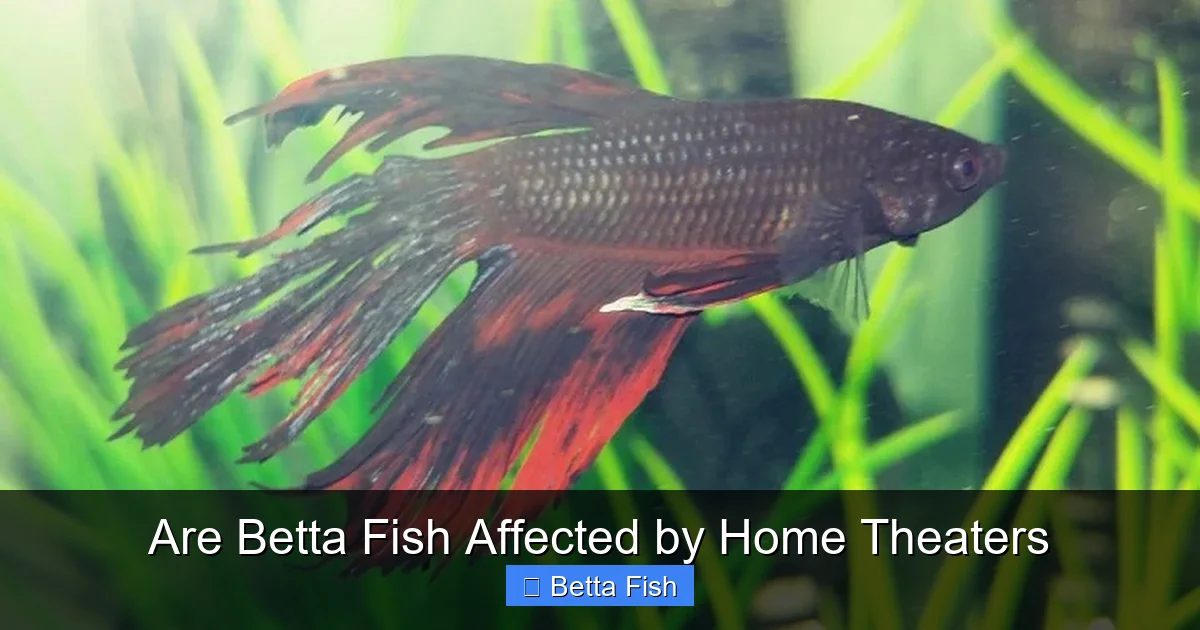
- Rapid fin fluttering: When a sudden bass drop hits, you may see the betta’s fins shake like a feather.
- Hiding or staying at the bottom: A stressed betta often retreats to plants or the tank bottom, avoiding the open surface.
- Loss of color intensity: Bright hues can fade when the fish is stressed, a sign of cortisol release.
- Increased surface breathing: Faster gulping at the water surface may indicate the fish is trying to get more oxygen due to stress.
Physical health warnings
Prolonged exposure to loud vibrations can weaken the immune system, making bettas more prone to fin rot, fungal infections, or scale loss. If you notice white or black spots on the fins, it could be a secondary issue triggered by chronic stress.
Visual guide about Are Betta Fish Affected by Home Theaters
Image source: fishlab.com
Managing Volume and Acoustic Impact
Set a safe volume threshold
Research on fish stress suggests keeping ambient noise below 70 dB for most freshwater species. Use a decibel meter app on your phone to monitor the level during movies. If the reading spikes above 70 dB, lower the volume or mute the bass.

Visual guide about Are Betta Fish Affected by Home Theaters
Image source: inkbird.com
Speaker placement tips
- Place speakers at least 3‑4 feet away from the aquarium.
- Avoid mounting subwoofers directly on the wall behind the tank.
- Use a sturdy stand or isolation pads to dampen vibration transmission.
Use acoustic dampening materials
Heavy curtains, rugs, or acoustic panels can absorb sound before it reaches the tank. Even a simple foam mat under the aquarium can reduce the amount of vibration that travels through the stand.
Optimizing Tank Environment for Noise Resilience
Choose the right tank size and shape
While bettas can live in small containers, a larger tank (5‑10 gallons) provides more water volume to buffer vibrations. A wider base also distributes any incoming motion more evenly, reducing the impact on the fish.
Provide plenty of cover
Live plants, driftwood, and silk hiding spots give bettas a place to retreat when they feel uneasy. A dense planting scheme not only looks natural but also absorbs low‑frequency water movement.
Maintain stable water parameters
Stress from sound is compounded if water quality is poor. Test the water weekly for ammonia, nitrite, and pH. Keep the temperature steady between 76‑80 °F (24‑27 °C) to support a healthy immune response.
Lighting considerations
Bright, flickering lights synced with a movie can also stress bettas. Use dimmable LED strips or a soft aquarium light that stays constant throughout the film.
Practical Tips for Movie Nights with a Betta
Pre‑movie routine
- Do a quick water check an hour before the movie.
- Feed your betta a small portion of high‑quality pellets 30 minutes before the show; a satisfied fish is less likely to be agitated.
- Turn on a gentle background hum (like a fan) to mask sudden sound spikes.
During the film
- Keep the volume at a level where you can still hear dialogue clearly.
- If an action scene is especially loud, pause briefly and lower the bass.
- Observe the fish from a distance; a quick glance every 10‑15 minutes helps you catch early stress signs.
Post‑movie care
- Return the lighting to normal and give the betta a few minutes of undisturbed time.
- Check the water temperature; rapid changes can happen if the room cools after the theater is off.
- Offer a treat or a small amount of frozen or live food as a positive reinforcement.
When to Seek Help: Red Flags That Require Immediate Attention
If you notice any of the following, act quickly:
- Fin rot or fungal patches appearing within days of a loud event.
- Consistent loss of color or a “bleached” appearance.
- Labored breathing or frequent gasping at the surface.
- Sudden lethargy or refusal to eat for more than 48 hours.
In such cases, perform a full water change (25‑30 %) and consider adding a water conditioner with stress‑relief additives. If symptoms persist, consult a veterinarian who specializes in fish health.
Conclusion: Enjoy Your Movies, Keep Your Betta Happy
Home theaters are a fantastic way to unwind, and with a few mindful adjustments, they don’t have to jeopardize the well‑being of your betta fish. By understanding how bettas perceive sound, monitoring volume, positioning equipment wisely, and creating a secure tank environment, you can share the excitement of blockbuster nights with your finned friend.
Remember, the key is balance—enjoy the cinematic experience while keeping the aquarium a calm sanctuary. Your betta will thank you with vibrant colors, graceful fins, and a happy, healthy presence in your home.
Related Reading
For more insight into betta behavior and care, check out these helpful articles:
- Are Betta Fish Nocturnal – Learn how nighttime habits affect tank setup.
- What Are Betta Fish – A quick overview of species, origins, and natural habitats.
- Are Betta Fish Easy To Care For – Tips for beginners on maintaining a thriving betta.
Frequently Asked Questions
Do betta fish hear human voices?
Betta fish can detect low‑frequency vibrations, but they do not hear the higher frequencies of human speech the way we do. They may respond to the movement caused by talking if it creates noticeable water ripples.
Can a betta survive in a room with a constantly running TV?
Yes, a continuously low‑volume background noise is generally fine. Problems arise only when the sound includes sudden loud bursts or strong bass vibrations that shake the tank.
Is it better to keep the aquarium in a different room from the home theater?
Ideally, yes. Placing the tank in a quieter room eliminates most vibration issues. If that’s not possible, use isolation pads and keep speakers at a distance.
What are the most common stress signs in bettas during movie nights?
Look for rapid fin fluttering, hiding, faded colors, and increased surface breathing. These are early indicators that the sound level may be too high.
Should I use a sound‑proof box for my aquarium?
Full sound‑proofing is rarely needed. Simple steps like a rubber mat under the tank, a stable stand, and moderate volume control are usually enough to protect your betta.
Can I train my betta to ignore loud noises?
Betta fish have limited learning capacity for complex conditioning. While you can desensitize them slightly by gradually increasing volume, it’s safer to keep the environment naturally calm.