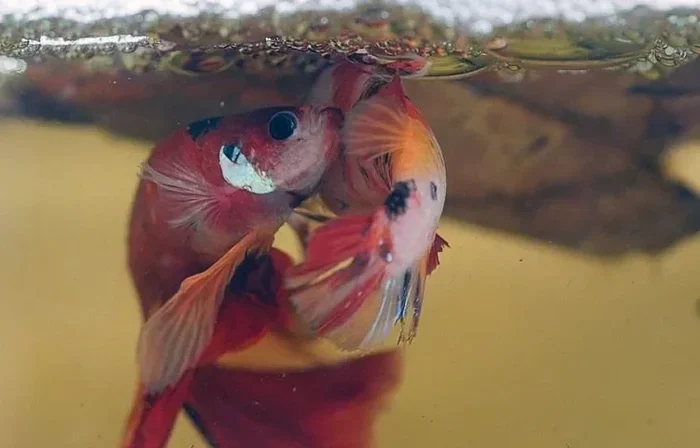
Are Betta Fish Active at Night

Betta fish are not strictly nocturnal, but they do show bursts of activity after dark. Their nighttime behavior is shaped by natural instincts, tank conditions, and feeding schedules. Understanding these patterns helps you create a comfortable environment that keeps your betta thriving 24/7.
Key Takeaways
- Betta activity peaks at dawn and dusk: They are crepuscular, showing most movement during low‑light periods.
- Nighttime movement is subtle: Expect slow swimming, surface browsing, and occasional flare displays after lights go off.
- Tank lighting matters: Gentle moonlight or dim LED strips mimic natural cycles and encourage healthy night activity.
- Feeding schedule influences behavior: A small night‑time feed can stimulate gentle activity without over‑stimulating.
- Stress reduces night activity: Poor water quality, aggressive tank mates, or sudden light changes can make bettas hide.
- Observe and adjust: Watching your betta’s night habits helps you spot health issues early.
- Internal resources: Learn more about general betta activity patterns, peak activity times, and whether they are nocturnal in our related guides.
📑 Table of Contents
- Introduction: Why Nighttime Matters for Betta Owners
- 1. The Natural Rhythm of Betta Fish
- 2. Observing Nighttime Activity
- 3. Factors That Influence Nighttime Activity
- 4. Encouraging Healthy Nighttime Behavior
- 5. When Lack of Night Activity Signals a Problem
- 6. Frequently Asked Questions About Betta Night Activity
Introduction: Why Nighttime Matters for Betta Owners
When you first bring a betta home, the most exciting part is watching those vibrant fins flare and the fish dart around the tank. Most new owners focus on daytime behavior—feeding, flaring, and bubble‑nest building. But a healthy betta lives a full 24‑hour cycle, and understanding what happens after the lights go out can reveal a lot about its well‑being.
In this article we’ll answer the question “are betta fish active at night?” by looking at their natural instincts, how tank conditions affect night‑time movement, and practical steps you can take to support a calm yet engaged betta after dark. By the end, you’ll feel confident that your fish is comfortable, safe, and thriving around the clock.
1. The Natural Rhythm of Betta Fish
Crepuscular Creatures, Not Full‑Blown Nocturnals
Betta fish (Betta splendens) originate from the shallow, slow‑moving waters of Thailand, Cambodia, and Vietnam. In the wild, they experience a daily cycle of bright sunshine, cloudy afternoons, and dim twilight. Their activity pattern is best described as crepuscular—most active during dawn and dusk.
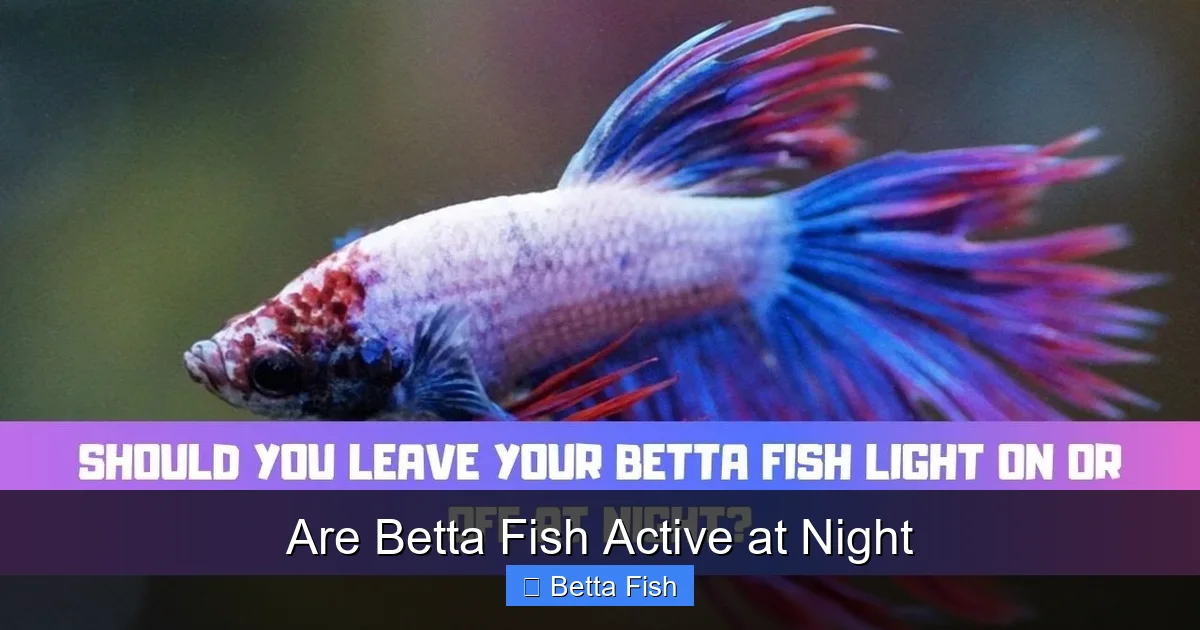
Visual guide about Are Betta Fish Active at Night
Image source: aquariumia.com
Because of this, they are not strictly nocturnal. The article Are Betta Fish Nocturnal explains that while bettas will explore their environment in low light, they do not stay constantly active throughout the night like some catfish or loaches.
Why Crepuscular Behavior Evolved
- Predator avoidance: Low light reduces visibility to larger predators.
- Feeding opportunities: Small insects and larvae surface at sunrise and sunset, providing a natural food source.
- Energy conservation: Short bursts of activity conserve energy for the hotter parts of the day.
What This Means for Your Tank
In a home aquarium, the same instinctual drive shows up as short swims near the surface, gentle fin displays, and occasional bubble‑nest inspection after the lights are turned off. If you notice your betta completely still for hours, it could be a sign of stress, poor water quality, or illness.
2. Observing Nighttime Activity
What to Look For
When the lights dim, a healthy betta will:

Visual guide about Are Betta Fish Active at Night
Image source: miro.medium.com
- Slowly glide to the water surface to breathe.
- Gently hover near plants or decorations.
- Occasionally flare its fins, especially if it senses movement nearby.
- Inspect its bubble nest (if present) with short, purposeful swims.
Tools for Night Observation
Because bettas are small and the tank is dark, you’ll need a gentle light source to watch without startling them. A red LED night light or a dim “moonlight” strip works well. Avoid bright white lights; they can cause stress and disrupt the fish’s natural rhythm.
Tracking Patterns
Keep a simple log for a week:
- Note the time you turn the tank lights off.
- Record any visible movement for the first 30 minutes.
- Observe if activity spikes after feeding or a tank disturbance.
This data helps you spot changes that might indicate water quality issues or health problems.
3. Factors That Influence Nighttime Activity
Lighting Setup
Many betta owners use a 10‑hour light/14‑hour dark schedule. Adding a low‑intensity moonlight (1–2 lumens) mimics a natural lunar cycle and encourages gentle night activity. If you prefer complete darkness, that’s fine too—just watch for prolonged inactivity.
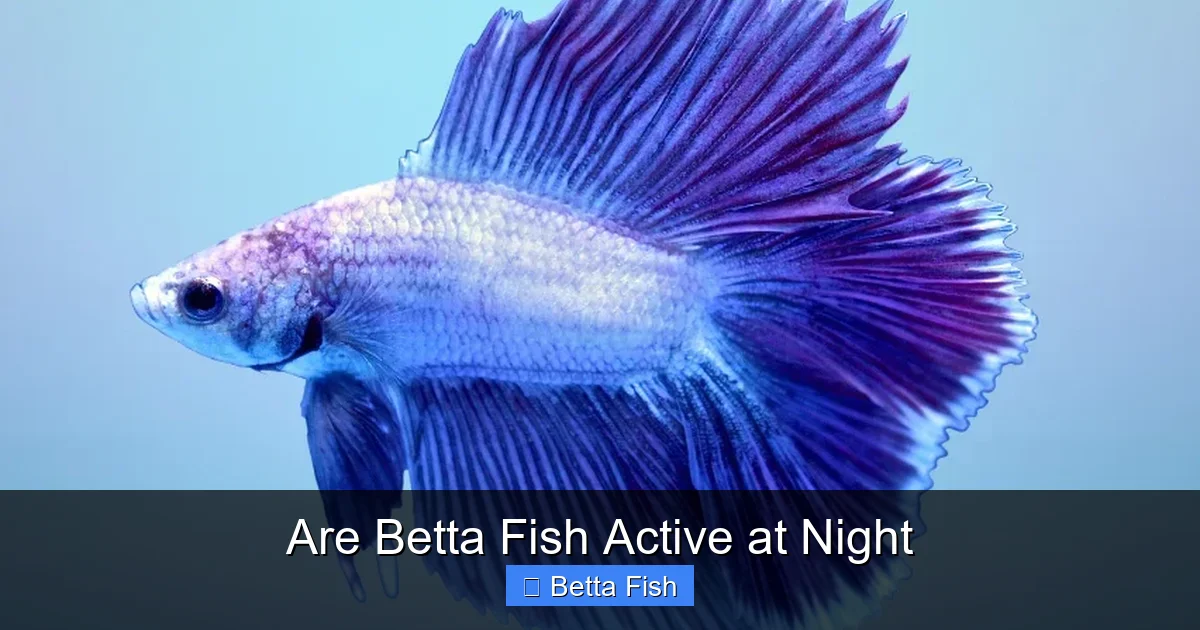
Visual guide about Are Betta Fish Active at Night
Image source: animals.in.net
Water Conditions
Stable temperature (78–80°F / 25.5–26.5°C), pH (6.5–7.5), and low ammonia/nitrite levels are crucial. Poor water quality can make a betta hide all night, appearing “inactive.” Test the water weekly and perform partial changes of 25% to keep parameters steady.
Feeding Schedule
Feeding once in the morning and once in the early evening aligns with their crepuscular nature. A very small night‑time snack (a few frozen or live brine shrimp) can stimulate a short burst of activity, but avoid overfeeding—it leads to waste and cloudy water.
Tank Size and Décor
Even though bettas can live in small containers, a 5‑gallon tank with live plants, driftwood, and hiding spots gives them space to explore at night. The article Why Are Betta Fish Tanks So Small discusses why many keepers opt for larger setups for better health and more natural behavior.
Tank Mates
Betta fish are territorial, especially males. Aggressive tank mates can cause a betta to stay hidden after dark. If you notice your betta never leaving the bottom or hiding under the lid, reconsider the community composition.
4. Encouraging Healthy Nighttime Behavior
Use a Moonlight LED
Install a dim, blue‑green LED strip on the tank lid. Set it on a timer to turn on 30 minutes after the main lights go off and stay on for 2–3 hours. This subtle glow lets you watch your betta without startling it.
Provide Gentle Enrichment
- Floating plants: Live plants like Hornwort or Java Moss create gentle currents that invite the betta to explore.
- Soft décor: Smooth rocks or a small piece of driftwood give the fish a place to rest.
- Bubble nest area: A shallow spot with a slight water flow encourages natural nest‑building behavior, which often continues after dark.
Night‑time Feeding Tips
Offer a tiny portion of live or frozen food after the lights dim. Observe if the betta becomes more active; this can be a good indicator that it’s healthy and responsive.
Maintain Consistent Light Cycles
Use an automatic timer for both the main light and moonlight. Inconsistent schedules confuse the fish’s internal clock and can lead to erratic behavior.
5. When Lack of Night Activity Signals a Problem
Common Red Flags
- Extended stillness: If the betta remains motionless for more than an hour after lights out, check water parameters.
- Clamped fins: Indicates stress or illness; may cause the fish to hide.
- Loss of appetite: Skipping both day and night feeds is a warning sign.
- Discoloration or white spots: Could be a fungal or bacterial infection.
Quick Troubleshooting Steps
- Test water for ammonia, nitrite, nitrate, and pH.
- Perform a 25% water change if any values are out of range.
- Check the filter and ensure it is not creating strong currents.
- Observe for external parasites or fungal growth.
- Consider a short fasting period (24‑48 hrs) then offer a varied diet.
When to Seek Professional Help
If symptoms persist after adjusting water and diet, consult a veterinarian or a knowledgeable aquarium store. Early intervention often saves the fish.
6. Frequently Asked Questions About Betta Night Activity
Below are quick answers to the most common queries betta owners have about nighttime behavior.
Frequently Asked Questions
Do betta fish sleep?
Yes, bettas rest by hovering near the bottom or staying motionless near plants. Their “sleep” is more like a relaxed state rather than deep slumber.
Can I keep a night light on all the time?
A constant bright light can stress the fish and disrupt its natural cycle. Use a dim moonlight for a few hours after the main lights turn off, then keep the tank dark.
Will my betta become aggressive at night?
Betas are generally less territorial after dark. However, sudden disturbances or aggressive tank mates can trigger night‑time flares.
Is it normal for a betta to build a bubble nest at night?
Yes, bubble‑nest building can happen at any time, but many bettas finish or inspect their nests during low‑light periods.
Should I feed my betta before bedtime?
A small evening feed aligns with their natural feeding times and can encourage gentle activity after lights off.
How can I tell if my betta is sick if it’s inactive at night?
Check water quality, look for clamped fins, discoloration, or abnormal swimming. Persistent inactivity combined with these signs warrants a closer health check.