Baby betta fish are surprisingly lively, darting around their tank and exploring every nook. Understanding their activity patterns helps you provide the right environment, feeding schedule, and enrichment for healthy growth.
Key Takeaways
- High energy levels: Baby bettas are more active than adults, especially after feeding.
- Day‑time peaks: They are most lively during daylight hours, mirroring adult patterns.
- Environment matters: Proper tank size, temperature, and enrichment boost activity.
- Feeding frequency: Small, frequent meals keep juveniles energetic and healthy.
- Watch for stress: Lethargy can signal water problems or disease.
- Growth slows activity: As bettas mature, their bursts of energy become less frequent.
- Interactive care: Gentle observation and simple toys can stimulate natural behaviors.
📑 Table of Contents
- Introduction: Little Fins, Big Personality
- 1. What Does “Active” Really Mean for a Baby Betta?
- 2. Typical Activity Patterns of Baby Betta Fish
- 3. Factors That Influence Activity Levels
- 4. How to Tell If Your Baby Betta Is Healthy and Active
- 5. Enhancing Activity: Enrichment and Care Tips
- 6. Activity Changes as Your Betta Grows
- Conclusion: Embrace the Energy of Baby Betta Fish
Introduction: Little Fins, Big Personality
When you first open a bag of baby betta fish, the first thing you notice is how quickly they move. Those tiny, shimmering bodies zip across the water, flaring their fins in a display that looks almost playful. It’s easy to think that all bettas are calm and lazy, but juveniles are a different story. Their energy levels are high, their curiosity boundless, and their need for a suitable environment is crucial.
In this article we’ll answer the question “are baby betta fish active?” with science‑backed observations, practical tips, and real‑world examples. You’ll learn when they are most active, how to spot healthy versus stressed behavior, and what you can do to keep those little swimmers thriving.
1. What Does “Active” Really Mean for a Baby Betta?
Defining activity in fish
Activity in fish is a combination of movement, feeding response, and interaction with the environment. For a baby betta, activity includes:
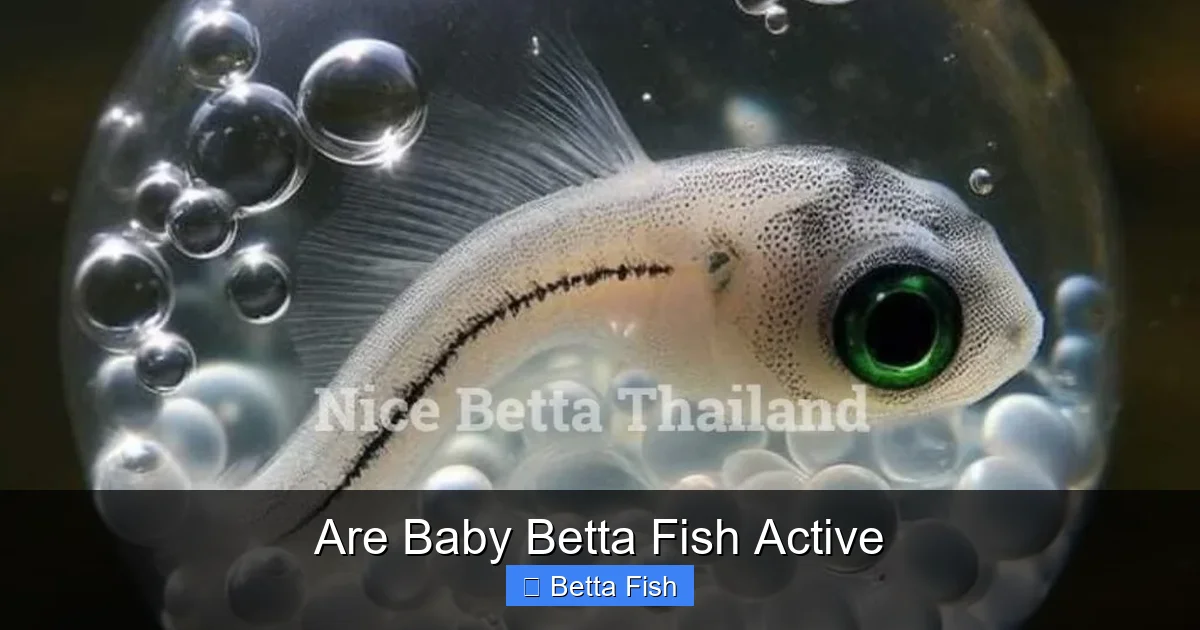
Visual guide about Are Baby Betta Fish Active
Image source: nicebettathailand.com
- Swimming bursts lasting a few seconds to a minute.
- Exploring tank decorations, plants, or the water surface.
- Quick responses to food drops.
- Flaring fins when curious or slightly stressed.
Why juveniles differ from adults
Young bettas have a higher metabolism, which means they need more oxygen and energy. Their muscles are still developing, so they move more often to strengthen them. As they grow, metabolism slows, and their activity becomes more measured. This pattern is similar to many tropical fish species.
2. Typical Activity Patterns of Baby Betta Fish
Day‑time bursts
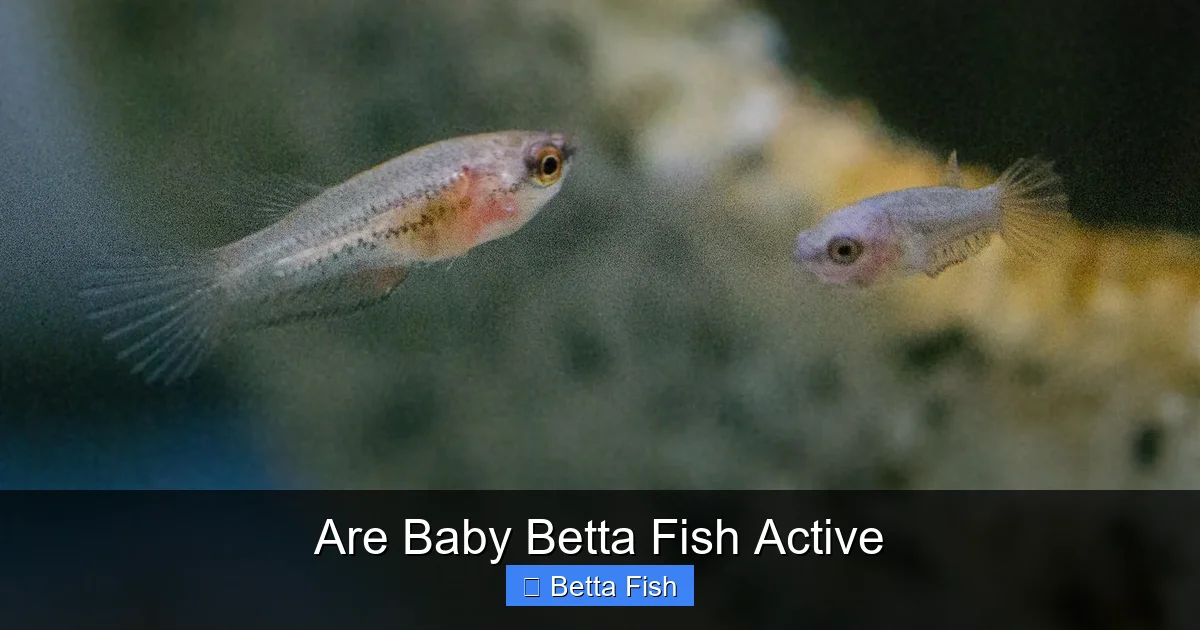
Most baby bettas are diurnal, meaning they are most active during the day. You’ll often see them darting around after the morning light hits the tank. This aligns with what we discuss in When Are Betta Fish Most Active – the peak periods are usually mid‑morning and early evening.
Visual guide about Are Baby Betta Fish Active
Image source: i.redd.it
Feeding frenzy
When you sprinkle food, juveniles respond instantly. Their small mouths can’t hold much, so they eat quickly and then resume swimming. Offering 2–3 small feedings a day keeps them energetic without over‑loading their tiny digestive systems.
Nighttime calm
While some adult bettas show a hint of nocturnal activity, baby bettas tend to settle down after sunset. They may hover near the surface, but most movement stops within an hour of lights off. For more on night behavior, see Are Betta Fish Nocturnal.
3. Factors That Influence Activity Levels
Water temperature
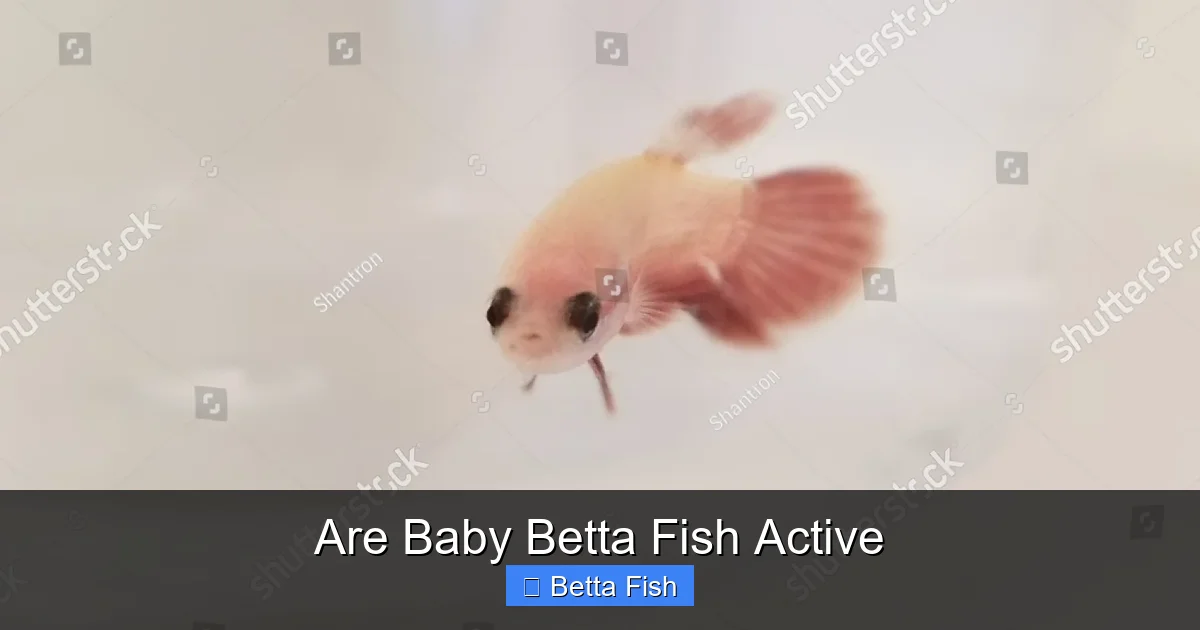
Betta fry thrive at 78‑82°F (25‑28°C). Temperatures below this range slow metabolism, making them sluggish. Temperatures above 84°F can cause stress and erratic swimming. Using a reliable aquarium heater is essential.
Visual guide about Are Baby Betta Fish Active
Image source: shutterstock.com
Tank size and layout
A cramped 2‑gallon tank can limit exploration and cause stress. Even though many keep adult bettas in small bowls, juveniles benefit from at least a 5‑gallon setup with plenty of swimming space. Adding gentle current with a low‑flow filter mimics their natural habitat and encourages movement.
Water quality
Ammonia and nitrite spikes are deadly for fry. Even a slight rise can make a baby betta listlessly float at the bottom. Regular water changes (20‑30% weekly) and a proper cycling process keep the environment safe.
Lighting
Bright, full‑spectrum lights stimulate natural day‑time activity. However, harsh lighting can cause stress. A 10‑hour light cycle with a dimming period works best.
4. How to Tell If Your Baby Betta Is Healthy and Active
Signs of good health
- Consistent swimming bursts throughout the day.
- Bright, uniform coloration (even in juveniles the colors are subtle).
- Clear eyes and intact fins.
- Quick response to food.
Warning signs of lethargy
If a baby betta spends most of its time at the bottom, has clamped gills, or shows faded colors, it may be stressed. Check water parameters first. Persistent lethargy could indicate disease, and you may need to consult a vet or experienced hobbyist.
5. Enhancing Activity: Enrichment and Care Tips
Provide safe decorations
Live plants like Java moss or Anubias give fry places to hide and explore. They also improve water quality. Avoid sharp ornaments that could tear delicate fins.
Introduce gentle toys
Small, smooth marbles or floating ping‑pong balls can encourage curiosity. Move them around gently to create a “hunt” game. Always supervise to prevent accidental ingestion.
Feed a varied diet
High‑quality fry foods, microworms, and finely crushed brine shrimp give balanced nutrition. Variety keeps feeding time exciting and supports growth.
Maintain a stable routine
Betta fry thrive on consistency. Feed at the same times each day, keep lighting on a regular schedule, and perform weekly water checks. A stable environment reduces stress and promotes natural activity.
6. Activity Changes as Your Betta Grows
From fry to juvenile
Between 2‑4 weeks old, activity peaks. You’ll see the most frantic swimming during this stage. As the fish approaches 8‑10 weeks, bursts become shorter and more deliberate.
Adult stage
Fully grown bettas (3‑4 months) often display a more relaxed demeanor, spending time resting near the surface or on plants. This does not mean they are unhealthy—just a normal shift in energy use.
Planning for the future
Understanding that activity naturally declines helps you avoid over‑reacting to slower movement in adult fish. If you’re transitioning a juvenile to a larger community tank, monitor how it adapts to new companions. For compatibility tips, read What Fish Are Compatible With Betta Fish.
Conclusion: Embrace the Energy of Baby Betta Fish
So, are baby betta fish active? Absolutely. Their rapid movements, curiosity, and quick feeding responses are hallmarks of a healthy juvenile. By providing the right temperature, clean water, ample space, and gentle enrichment, you’ll support their natural vigor and set the stage for a strong, colorful adult.
Remember, activity is a window into your betta’s health. Watch for signs of stress, keep a consistent care routine, and enjoy the delightful dance of those tiny fins. With attentive care, those energetic fry will grow into the majestic, flamboyant bettas that many of us love.
Frequently Asked Questions
Do baby betta fish need more frequent feeding than adults?
Yes. Fry have fast metabolisms and small stomachs, so feeding them 2–3 small meals a day keeps them active and promotes healthy growth.
Can I keep baby bettas in a small bowl?
It’s not ideal. While adult bettas can survive in small containers, fry need at least a 5‑gallon tank to swim freely and maintain water quality.
What temperature is best for active baby betta fish?
Maintain water between 78‑82°F (25‑28°C). This range supports optimal metabolism and activity levels.
How can I tell if my baby betta is stressed?
Look for clamped gills, faded colors, constant bottom‑dwelling, or lack of response to food. Check water parameters first, as poor water quality is a common stressor.
Do baby bettas become nocturnal as they mature?
Generally no. Betta fry are primarily diurnal. Some adults may show brief night activity, but they usually rest after lights off.
Is it normal for baby bettas to flare their fins often?
Yes. Flared fins in juveniles often indicate excitement or curiosity, not aggression. However, persistent flaring can signal stress, so monitor the situation.


