Choosing a good betta fish food is the cornerstone of a thriving aquarium. This guide breaks down the best ingredients, feeding schedules, and product types so you can feed your betta with confidence and watch it flourish.
Key Takeaways
- Protein matters: Betta fish need a diet rich in high‑quality animal protein for strong fins and bright colors.
- Avoid fillers: Low‑grade meals with excess plant matter can cause constipation and cloud water.
- Variety is vital: Rotate pellets, frozen foods, and live treats to mimic natural hunting behavior.
- Watch portion size: Overfeeding leads to obesity; two small meals a day are usually enough.
- Check expiration dates: Freshness guarantees nutritional value and prevents spoilage.
- Read labels: Look for “betta‑specific” or “tropical fish” formulas that list real shrimp, krill, or bloodworm.
- Test and tweak: Observe your betta’s health and adjust food type or amount as needed.
📑 Table of Contents
- Introduction: Why Food Is the Heartbeat of Betta Care
- 1. Understanding Betta Nutrition Basics
- 2. Types of Betta Food and Their Pros & Cons
- 3. How to Choose a Good Betta Fish Food
- 4. Feeding Schedule: How Much and How Often?
- 5. Spotting Problems Early: When Food Isn’t Working
- 6. Top Product Recommendations for 2024
- Conclusion: Feed Smart, Watch Them Thrive
Introduction: Why Food Is the Heartbeat of Betta Care
If you’ve ever watched a betta flare its fins and glide through water, you know these little fish are full of personality. That sparkle, however, doesn’t happen by accident. A good betta fish food supplies the nutrients that power their vibrant colors, strong fins, and playful antics. Without the right diet, even the most beautiful betta can become dull, sluggish, or sick.
In this article we’ll walk through everything you need to know—ingredients to look for, products to avoid, feeding schedules, and practical tips that feel like chatting with a fellow hobbyist. By the end, you’ll be able to pick the perfect food and keep your betta thriving for years.
1. Understanding Betta Nutrition Basics
What a Betta’s Natural Diet Looks Like
In the wild, Siamese fighting fish hunt tiny insects, mosquito larvae, and small crustaceans. This high‑protein, low‑carb diet fuels their aggressive nature and brilliant coloration. Replicating this in an aquarium means focusing on animal‑based proteins.
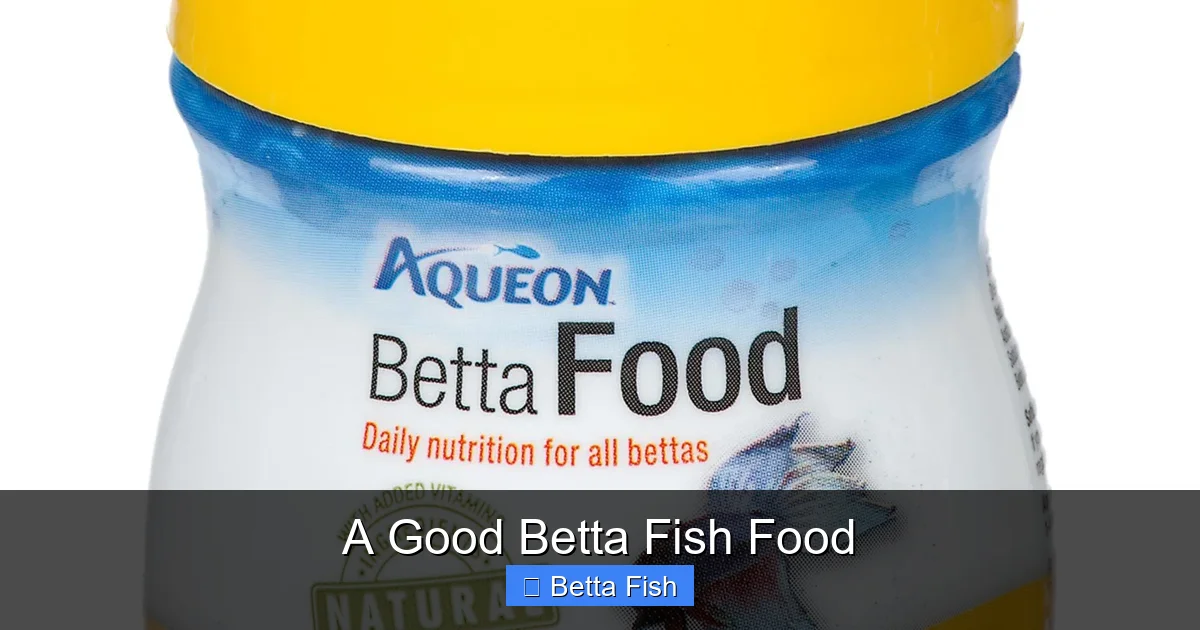
Visual guide about A Good Betta Fish Food
Image source: home.adelphi.edu
Key Nutrients Every Betta Needs
- Protein (30‑45%): Essential for muscle growth and fin development.
- Fats (5‑10%): Provide energy and help absorb fat‑soluble vitamins.
- Vitamins & Minerals: Vitamin C, B‑complex, calcium, and magnesium support immunity and bone health.
- Fiber (low): Too much can cause constipation; bettas need only a little.
2. Types of Betta Food and Their Pros & Cons
Pellets – The Everyday Staple
Pellets are convenient, sink slowly, and are formulated to meet the protein needs of bettas. Look for “betta‑specific” or “tropical fish” pellets that list real shrimp, krill, or fish meal as the first ingredient.
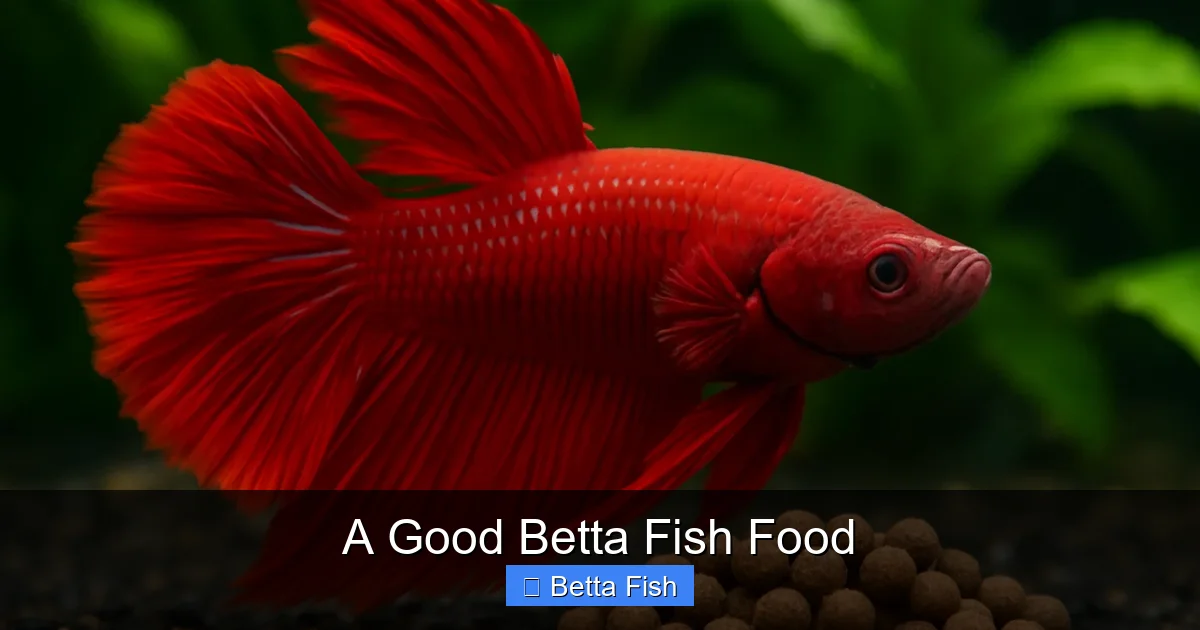
Visual guide about A Good Betta Fish Food
Image source: koibettafish.com
Frozen and Live Foods – The Fun Extras
Bloodworms, daphnia, and brine shrimp add excitement and boost nutrition. Freeze‑dry them for storage, but always thaw before feeding. Live foods should be sourced from reputable suppliers to avoid parasites.
Flake Foods – Generally Not Recommended
Flakes float and are designed for surface‑feeding community fish. They often contain high plant fillers and low protein, making them a poor choice for a betta’s carnivorous diet.
Homemade Recipes – For the DIY Enthusiast
If you enjoy cooking, blend boiled shrimp, egg yolk, and a pinch of vitamin supplement, then form tiny pellets and freeze. Homemade meals let you control every ingredient, but they require careful handling to avoid bacterial growth.
3. How to Choose a Good Betta Fish Food
Read the Ingredient List
The first three ingredients should be animal proteins like shrimp meal, krill, or bloodworm. Avoid products that list “fish meal” or “plant protein” first, as they often indicate lower quality.
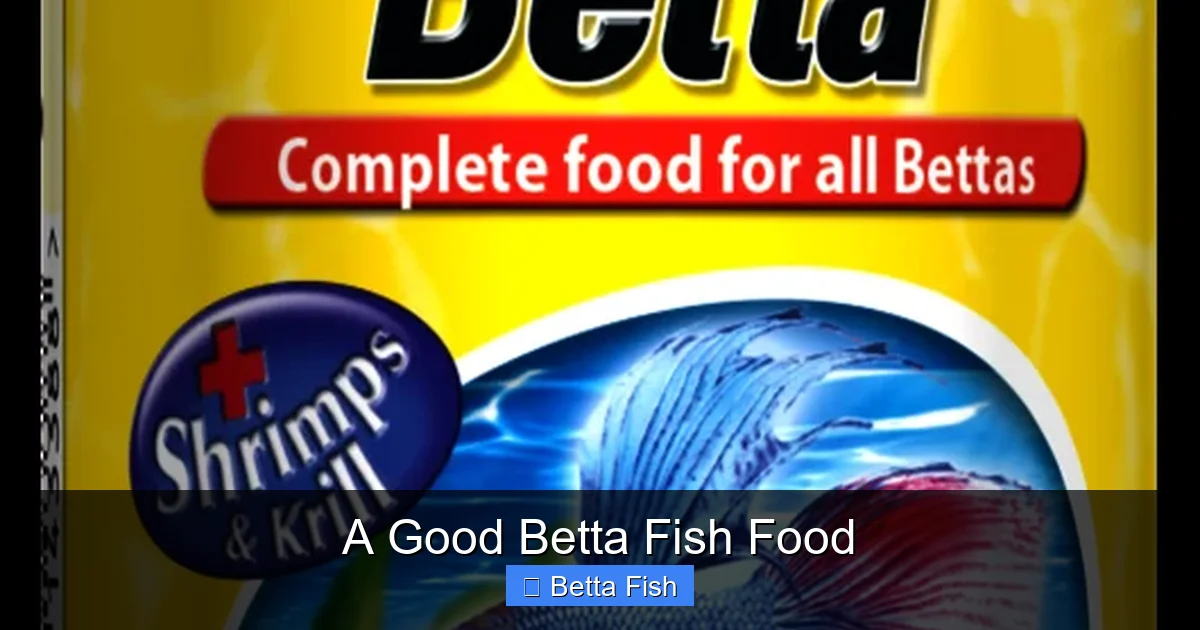
Visual guide about A Good Betta Fish Food
Image source: fishkeeper.co.uk
Check the Protein Percentage
Aim for 30‑45% protein. Brands that advertise “high protein” usually meet this range. If the label is vague, look for a guaranteed analysis.
Beware of Fillers and Additives
Cheap fillers such as wheat, soy, or corn can cause digestive issues. Artificial colors and flavors are unnecessary and may stress your betta.
Consider Size and Shape
Betta mouths are small; choose pellets that are 2‑3 mm in diameter. Too large, and the fish might choke or reject the food.
Expiration Dates Matter
Fresh food retains nutrients better. Store pellets in a cool, dry place and discard any that have become stale or moldy.
4. Feeding Schedule: How Much and How Often?
Two Small Meals a Day
Offer a pinch of pellets (about the size of your betta’s eye) twice daily. This mimics natural feeding patterns and helps prevent overeating.
Adjusting for Age and Activity
Juvenile bettas grow quickly and may need a slightly larger portion. Older, less active fish require less food to avoid obesity.
Fast Days and Fasting
Giving your betta a “fast day” once a week can aid digestion. A short break also helps you notice any changes in appetite that might signal health issues.
Link to Related Topic
For more on timing, see our guide on how often you should feed a betta fish.
5. Spotting Problems Early: When Food Isn’t Working
Common Signs of Poor Nutrition
- Faded colors or dull fins
- Frequent spitting of food (see why bettas spit out food)
- Bloated abdomen or constipation
- Lethargy and reduced activity
What to Do If You Notice Issues
Switch to a higher‑quality pellet and add a few frozen bloodworms. Increase water changes to improve water quality, as poor water can exacerbate digestive problems.
6. Top Product Recommendations for 2024
Best Overall Pellet
Omega One Betta Formula – 42% protein, real shrimp meal first, fortified with omega‑3s for brilliant coloration.
Best Budget Option
API Betta Food – 38% protein, small pellet size, affordable for larger collections.
Best Frozen Treat
Frozen Bloodworms (Pure Life) – High protein, easy to store, and loved by most bettas.
Best Live Food
Live Brine Shrimp – Rich in protein and encourages natural hunting behavior.
Conclusion: Feed Smart, Watch Them Thrive
Choosing a good betta fish food doesn’t have to be overwhelming. Focus on high‑quality animal protein, avoid fillers, and feed in small, frequent portions. Rotate pellets with frozen or live treats, and keep an eye on your fish’s appearance and behavior. With the right diet, your betta will flash its colors, build strong fins, and live a long, vibrant life.
Ready to stock your tank? Remember, the best food is the one that meets your betta’s nutritional needs while fitting your budget and routine. Happy feeding!
Frequently Asked Questions
What is the ideal protein level for betta fish food?
Look for foods with 30‑45% protein, with animal proteins like shrimp or krill listed first on the label.
Can I feed my betta only frozen foods?
Frozen foods are an excellent supplement, but they should not replace a balanced pellet diet because they may lack essential vitamins.
How often should I change my betta’s food?
Replace any uneaten food after five minutes to keep the water clean and avoid overfeeding.
Is it okay to give my betta goldfish flakes?
No, goldfish flakes are low in protein and high in plant fillers, which can cause health issues for bettas. See our article on can a betta fish eat goldfish food for details.
What should I do if my betta refuses to eat?
Try offering a different texture, such as a frozen bloodworm, and check water parameters. Stress or poor water quality often reduces appetite.
Can I feed my betta once a day instead of twice?
Betta fish thrive on two small meals per day. Feeding once may lead to overeating in a single session and poorer digestion.


