A Betta Fish with Dropsy

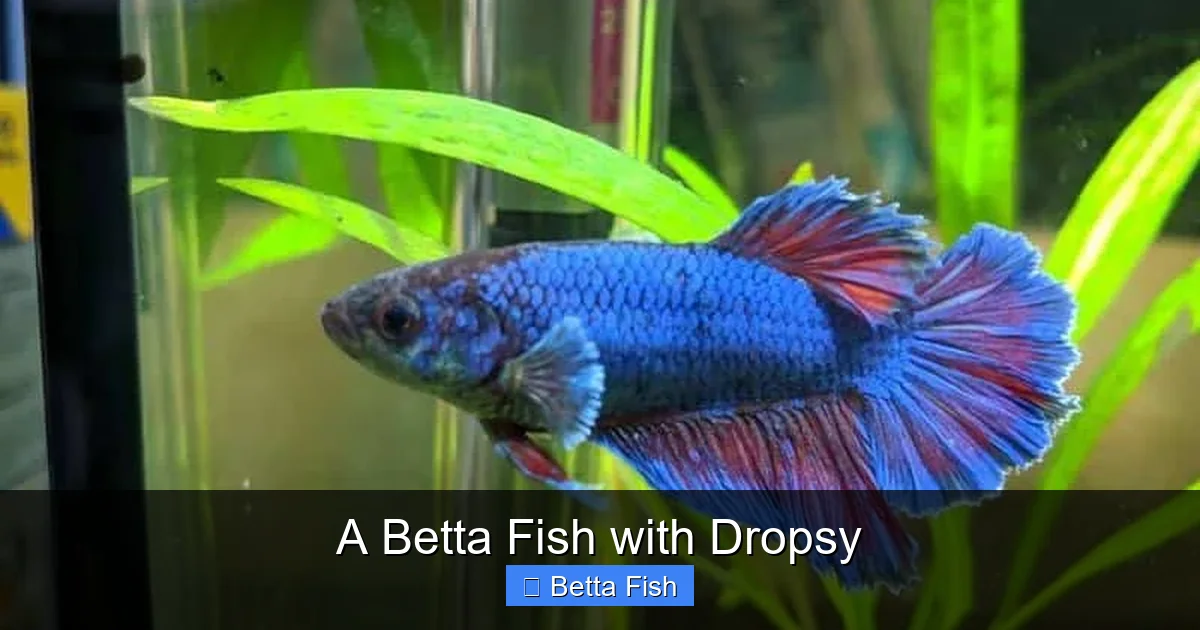
A betta fish with dropsy shows swelling, raised scales and a sad look, signaling a serious health issue. Quick action, proper water care, and thoughtful treatment can sometimes save your fish, but knowing when to let go is just as important.
Key Takeaways
- Identify early: Swollen body, bulging eyes, and “pinecone” scales are classic signs of dropsy.
- Water quality is critical: Clean, stable water gives the best chance of recovery.
- Treatment options: Antibiotics, Epsom salt baths, and proper nutrition can help, but success varies.
- Prevention beats cure: Quarantine new fish and avoid over‑feeding to keep dropsy at bay.
- Humane end‑of‑life care: If the fish declines, a painless euthanasia with clove oil is the kindest choice.
- Know the limits: Not every betta fish with dropsy can be saved; watch for signs of chronic decline.
- Stay informed: Regularly check water parameters and keep a log to catch problems early.
📑 Table of Contents
Introduction: When Your Betta Looks Like a Pinecone
Betta fish are tiny, colorful warriors that bring a splash of joy to any small tank. But when a beloved betta starts to look puffy, its scales sticking out like a pinecone, you’re probably looking at dropsy. It’s a scary word, and it often feels like a death sentence. Yet, with the right knowledge, you can give your fish the best possible chance.
In this guide we’ll walk through everything you need to know about a betta fish with dropsy—what it is, how to spot it, why it happens, and what you can actually do. We’ll also discuss when it’s time to say goodbye and how to do it humanely. Think of this as a friendly chat over a cup of tea, just with more fish facts.
What Is Dropsy and Why Does It Happen?
Definition in plain language
Dropsy isn’t a disease itself. It’s a symptom of serious internal problems, most often a bacterial infection that blocks the kidney’s ability to remove fluid. The result? Fluid builds up in the body cavity, causing that swollen appearance.
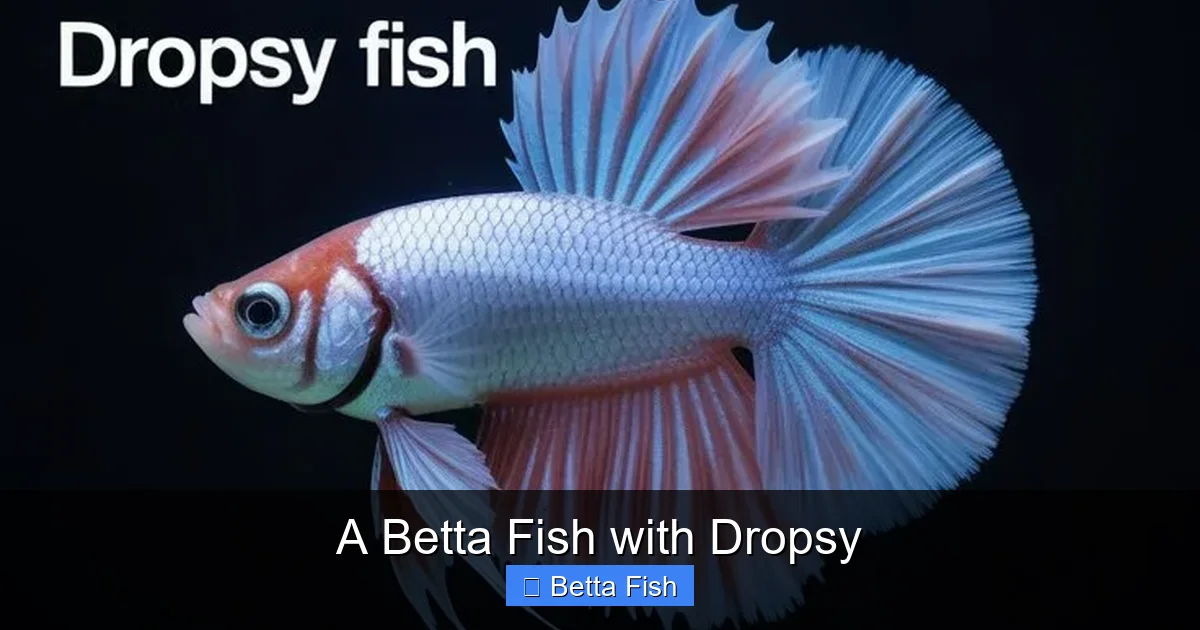
Visual guide about A Betta Fish with Dropsy
Image source: guppys.life
Common causes
- Water quality issues: High ammonia, nitrite, or nitrate spikes weaken the immune system.
- Bad diet: Over‑feeding or low‑quality food can lead to constipation and internal infections.
- Stress: Aggressive tank mates, sudden temperature changes, or cramped spaces create stress hormones that lower resistance.
- Physical injury: A cut or wound can let harmful bacteria inside.
Is it always bacterial?
Mostly, but parasites and fungi can also cause similar swelling. A proper diagnosis often requires a vet or an experienced hobbyist who can look at the fish under a microscope.
Spotting Dropsy Early: Signs to Watch For
Visual clues
The classic “pinecone” look is the most obvious sign. Look for:
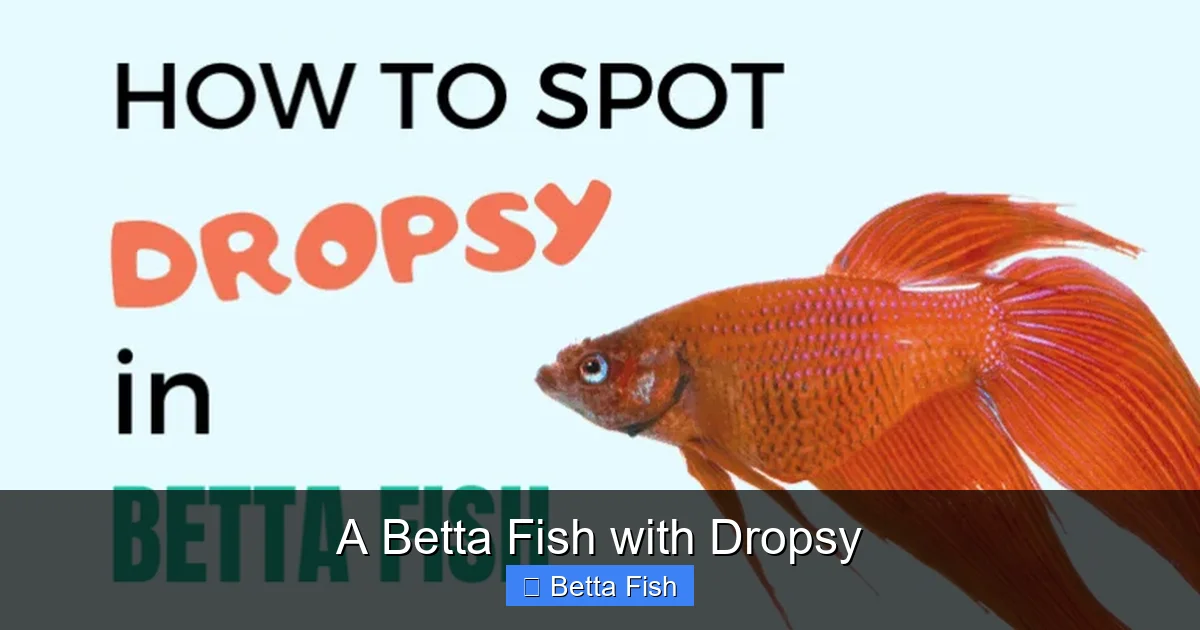
Visual guide about A Betta Fish with Dropsy
Image source: japanesefightingfish.org
- Swollen abdomen or entire body
- Raised, scale‑edge “spikes” that stick out
- Bulging eyes (especially the lower eye)
- Loss of color or dullness
- Reduced appetite and lethargy
Behavioral changes
A betta with dropsy may hide more, stay at the bottom, or float oddly. If you notice a sudden change in swimming patterns, it’s time to check water parameters.
Testing the water
Even if your fish looks fine, a quick water test can reveal hidden problems. Keep a log of ammonia, nitrite, nitrate, and pH. Consistently high numbers are a red flag for dropsy risk.
First‑Aid Steps When You See Dropsy
Isolate the fish
Move the affected betta to a hospital tank (2‑3 gallons) with clean, conditioned water. This prevents any potential pathogens from spreading.
Visual guide about A Betta Fish with Dropsy
Image source: ouraquariumlife.com
Clean water is king
Use a water conditioner that removes chlorine and chloramines, then add a small amount of Epsom salt (1 tsp per gallon) to reduce swelling. Change 25 % of the water daily to keep it crystal clear.
Start a simple treatment regimen
- Antibiotics: Broad‑spectrum fish antibiotics (e.g., oxytetracycline) are often the first line of defense. Follow the label dosage exactly.
- Epsom salt baths: A 2‑day soak (1 tsp per gallon) can draw fluid out of the tissues.
- Nutrition: Offer high‑protein, easy‑to‑digest foods like pellets formulated for bettas or frozen bloodworms.
Monitor progress
Check the fish twice daily. If swelling reduces and appetite returns, continue the treatment for at least a week after symptoms disappear. If the condition worsens, consider humane euthanasia.
Long‑Term Care: Preventing Future Dropsy
Maintain pristine water
Regular water changes (20‑30 % weekly) and a reliable filtration system are essential. Learn how to clean a betta fish tank with a filter to keep waste low.
Quarantine new arrivals
Never introduce a new fish directly into an established tank. A 2‑week quarantine in a separate tank helps catch hidden illnesses before they spread.
Balanced diet
Feed a varied diet: high‑quality pellets, occasional live or frozen foods, and a small amount of vegetables (like blanched peas) to aid digestion.
Temperature and pH stability
Betta fish thrive at 76‑82 °F (24‑28 °C) and a pH of 6.5‑7.5. Use a reliable heater and a pH test kit. Sudden shifts can stress the fish and open the door to dropsy.
Tank mates and space
While bettas are often kept alone, some can coexist with peaceful species. If you choose to add companions, read about compatible options such as a small goldfish or certain snails, but always monitor for aggression.
When to Say Goodbye: Humane Euthanasia
Recognizing when treatment fails
If after 7‑10 days there is no improvement, or the fish becomes completely listless, refuses food, and the swelling continues to increase, it’s kinder to end suffering.
Clove oil method
Clove oil is a painless, widely recommended method. Follow the steps in how to euthanize a betta fish with clove oil for a stress‑free process.
Aftercare for the tank
Remove any remaining debris, perform a thorough water change, and consider adding a water conditioner that detoxifies ammonia to protect any other fish you keep.
Conclusion: Hope, Care, and Compassion
A betta fish with dropsy can be a heartbreaking sight, but understanding the condition gives you power. Early detection, immaculate water, and a thoughtful treatment plan give your fish the best shot at recovery. At the same time, knowing when to let go and doing it humanely shows true compassion for these tiny warriors. Keep learning, keep your tank clean, and you’ll give every betta the healthiest life possible.
Frequently Asked Questions
What does “pinecone” mean when describing a betta?
It refers to the raised, spike‑like scales that appear when fluid builds up inside the fish, a hallmark of dropsy.
Can I treat dropsy at home without a vet?
Yes, many hobbyists successfully use antibiotics, Epsom salt baths, and water changes. However, severe cases may need professional advice.
How long does it take for a betta to recover from dropsy?
Recovery can range from a few days to two weeks, depending on how early you start treatment and the severity of the infection.
Is tap water safe for bettas?
Tap water must be treated with a conditioner to remove chlorine and chloramine. Read more about safe water in can you fill a betta fish tank with tap water.
Can other fish get dropsy from a sick betta?
Yes, the underlying bacterial infection can spread. Quarantine any new or sick fish and keep the tank super clean.
What should I feed a betta recovering from dropsy?
Offer high‑protein foods that are easy to digest, such as quality pellets, frozen bloodworms, or finely chopped brine shrimp.