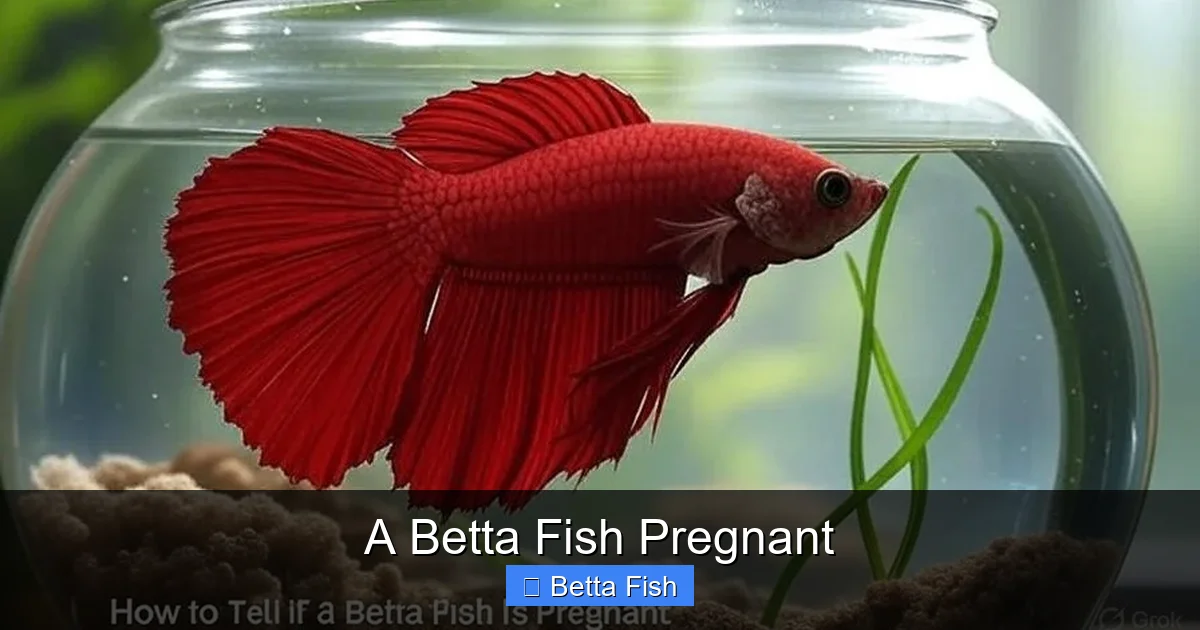
A Betta Fish Pregnant
A betta fish can become pregnant when a female is ready to spawn, showing distinct physical changes and bubble‑nest behavior. Learn the signs, proper tank setup, and step‑by‑step care so you can support a successful breeding cycle and raise strong fry.
Key Takeaways
- Pregnancy signs: Look for a fuller abdomen, darker coloration, and a developing bubble nest.
- Tank requirements: A separate breeding tank with warm, soft water and plenty of hiding spots is essential.
- Spawning process: Males build nests, females lay eggs, and both parents may guard the clutch for a short time.
- Fry care: Remove adults after spawning, provide infusoria or microworms, and keep water pristine.
- Health monitoring: Watch for stress, disease, or poor water quality that can abort a pregnancy.
- Ethical breeding: Only breed healthy, disease‑free fish and plan for responsible fry placement.
- Common mistakes: Overcrowding, wrong temperature, and feeding the wrong diet can ruin a pregnancy.
📑 Table of Contents
- Introduction: Why Knowing About a Betta Fish Pregnant Situation Matters
- 1. Recognizing the Signs of a Betta Fish Pregnant Female
- 2. Setting Up the Perfect Breeding Environment
- 3. The Spawning Process: From Courtship to Egg‑Laying
- 4. Caring for the Fry: From Hatchlings to Free‑Swimmers
- 5. Common Problems and How to Fix Them
- 6. Ethical Breeding and Long‑Term Planning
- Conclusion: Enjoy the Miracle of Betta Life
Introduction: Why Knowing About a Betta Fish Pregnant Situation Matters
Betta fish are famous for their flashy fins and feisty personalities, but many owners never get to see the amazing breeding side of these little warriors. When a female betta is ready to lay eggs, she is often described as “pregnant,” even though fish don’t get pregnant the way mammals do. Understanding the signs of a betta fish pregnant condition helps you give the right care, avoid unnecessary stress, and enjoy the spectacular sight of a bubble nest full of tiny, wiggling fry.
In this friendly, step‑by‑step guide we’ll walk through everything you need to know—from spotting the first clues that your betta is pregnant, to setting up the perfect breeding tank, to raising the next generation of healthy bettas. Grab a cup of tea, settle in, and let’s explore the wonderful world of betta breeding together.
1. Recognizing the Signs of a Betta Fish Pregnant Female
Physical Changes You Can’t Miss
When a female betta is ready to spawn, her body goes through noticeable transformations:
Visual guide about A Betta Fish Pregnant
Image source: miro.medium.com
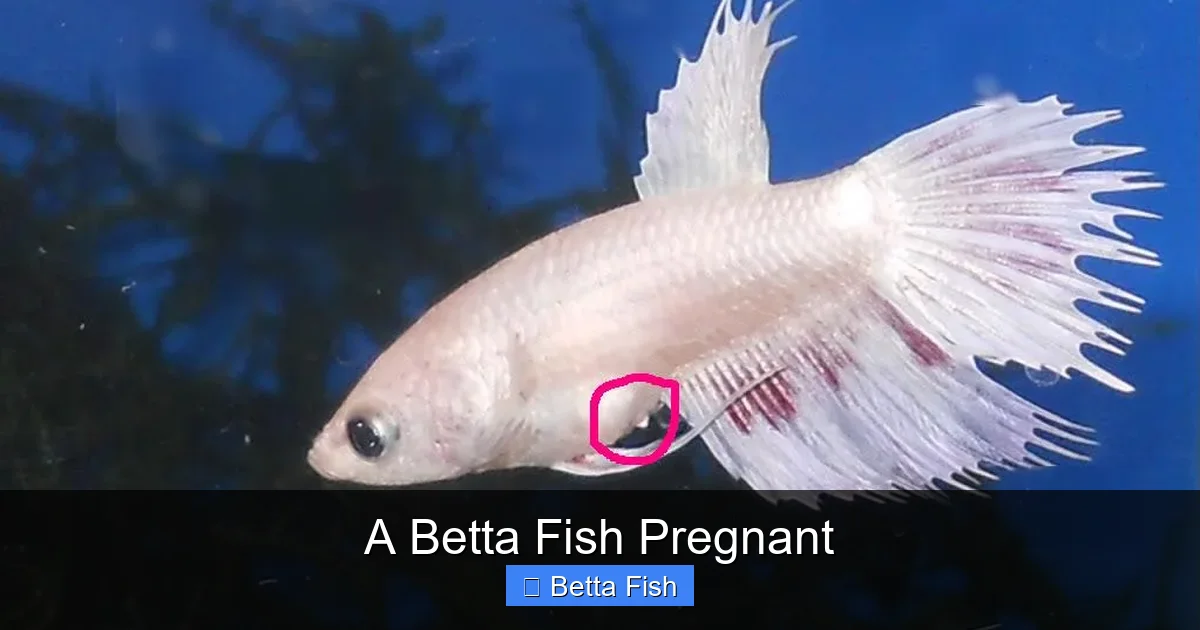
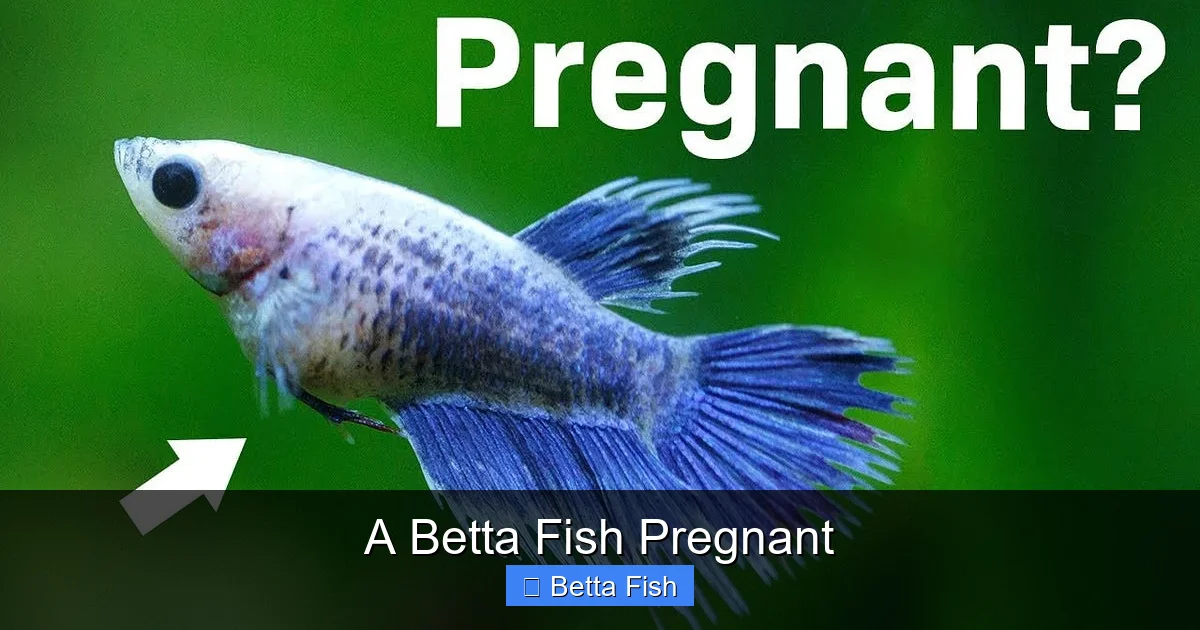
- Fuller abdomen: The belly swells as eggs develop, giving a rounded, “pot‑bellied” look.
- Darker coloration: Many females become richer in hue, especially around the vent and dorsal fin.
- Visible eggs: In clear tanks you may actually see tiny white or orange specks through the belly wall.
- Behavioral shift: She may become less aggressive, spend more time near the surface, and start “fluttering” her fins.
Bubble Nest Activity
Although the male builds the nest, a pregnant female often assists by releasing a small amount of mucus that helps the bubble structure. If you notice a male working hard on a nest while a female hovers nearby, it’s a strong hint that she’s ready to lay eggs.
Internal Link Example
Before you start breeding, make sure your tank temperature is spot‑on. A good reference is What Temperature Should A Betta Fish Water Be for optimal spawning conditions.
2. Setting Up the Perfect Breeding Environment
Choosing the Right Tank Size
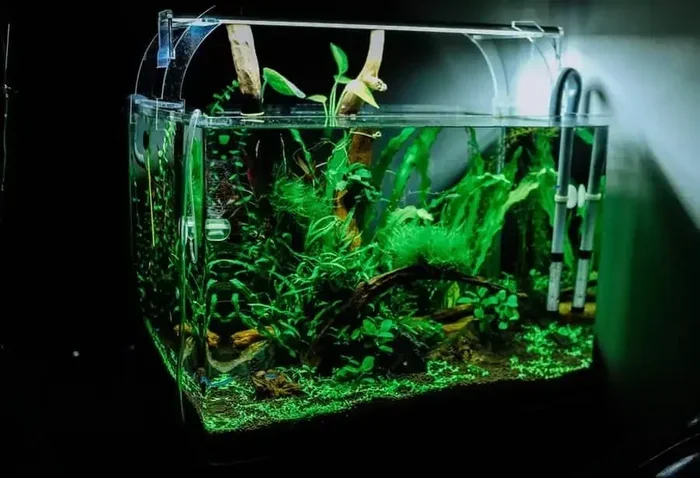
A dedicated breeding tank of 5‑10 gallons is ideal. It gives the male enough space to build a bubble nest and the female room to move without feeling cramped. For more details on tank sizing, see What Size Tank For A Betta Fish.
Visual guide about A Betta Fish Pregnant
Image source: calculatordiary.com
Water Parameters
- Temperature: 78‑80°F (25‑27°C) encourages egg development.
- pH: Keep it between 6.5 and 7.0; slightly acidic water mimics their natural habitat.
- Hardness: Soft water (3‑5 dGH) is best for spawning.
Decor and Hiding Spots
Include a few smooth rocks, live plants, or a piece of driftwood. These provide the female with places to rest and the male with anchors for his bubble nest.
Lighting and Filtration
Low to moderate lighting helps the male see his nest clearly. A gentle sponge filter keeps water clean without creating strong currents that could disturb the nest.
3. The Spawning Process: From Courtship to Egg‑Laying
Male Courtship Displays
The male will flare his fins, flash his colors, and circle the female. He may also begin building a bubble nest at the water’s surface, gathering bubbles with his mouth and releasing them in a tight cluster.

Visual guide about A Betta Fish Pregnant
Image source: japanesefightingfish.org
Female Acceptance
If the female is ready, she will respond by swimming close, showing her swollen belly, and eventually “quivering” as she releases eggs. The male then fertilizes each egg as it passes through his mouth.
Egg Count and Care
A single clutch can contain anywhere from 20 to 100 eggs, depending on the female’s size and health. The male gathers the eggs into the bubble nest, gently nudging them to the surface.
Post‑Spawning Behavior
After spawning, the male continues to guard the nest for 2‑3 days, keeping the water surface clean. The female should be removed promptly to prevent her from eating the eggs.
4. Caring for the Fry: From Hatchlings to Free‑Swimmers
Hatching Timeline
Betta eggs hatch in about 24‑36 hours at proper temperature. The tiny fry remain attached to the bubble nest for a few more days, feeding on their yolk sac.
First Feeding
Once the yolk sac is absorbed, start feeding infusoria or commercially prepared liquid fry food several times a day. As they grow, transition to microworms and then baby brine shrimp.
Water Maintenance
Maintain pristine water by performing 25‑30% daily water changes with water that matches the tank’s temperature and parameters. This prevents disease and keeps the fry healthy.
Separating the Fry
When the fry are 5‑7 days old and actively swimming, consider moving them to a separate rearing tank to reduce competition and allow you to keep the adult male.
5. Common Problems and How to Fix Them
Egg Fungus
If you see white, cotton‑like growth on the eggs, it’s a fungal infection. Increase water flow slightly, raise the temperature by 1‑2°F, and add a few drops of a safe antifungal medication.
Aborted Pregnancy
Stressors such as sudden temperature changes, poor water quality, or aggressive tank mates can cause a female to release undeveloped eggs. Keep the environment stable and monitor water parameters daily.
Male Aggression
Sometimes the male may become overly protective and nip at the fry. If this happens, remove him after the eggs are securely in the nest.
Overfeeding
Feeding too much can cloud the water, leading to fungal growth. Feed small amounts several times a day and remove uneaten food promptly.
6. Ethical Breeding and Long‑Term Planning
Selecting Healthy Parents
Only breed bettas that are free from disease, have vibrant colors, and display strong fin structure. Avoid breeding fish with genetic deformities.
Planning for Fry Placement
Decide in advance where each fry will go—whether to a community tank, a separate hobbyist, or to keep as a personal stock. This prevents overcrowding and ensures each fish gets proper care.
Record Keeping
Maintain a simple log: date of spawning, number of eggs, hatch date, and any issues encountered. Over time this helps you refine your breeding technique.
Conclusion: Enjoy the Miracle of Betta Life
Seeing a betta fish pregnant, watching her build a bubble nest, and then nurturing the tiny fry is one of the most rewarding experiences for any fish keeper. By recognizing the signs early, providing a stable and well‑equipped breeding tank, and caring for the eggs and fry with patience, you’ll increase your chances of a successful hatch and healthy, vibrant bettas for years to come. Remember, responsible breeding means caring for the parents and the next generation with equal love and attention. Happy breeding!
Frequently Asked Questions
How can I tell if my female betta is pregnant?
Look for a swollen abdomen, darker coloration, and a visible bubble nest being built by the male. The female may also linger near the surface and exhibit calmer behavior.
What temperature is best for a betta fish pregnant and spawning?
Maintain water between 78‑80°F (25‑27°C). This range encourages egg development and helps the male build a strong bubble nest.
Do I need a separate tank for breeding?
Yes. A 5‑10‑gallon breeding tank with soft water, gentle filtration, and plenty of surface space for a bubble nest gives the best results.
How long does it take for betta eggs to hatch?
At proper temperature, eggs hatch in 24‑36 hours. The fry remain in the nest for a few more days before becoming free‑swimmers.
What should I feed betta fry once they hatch?
Start with infusoria or liquid fry food, then move to microworms and baby brine shrimp as they grow. Feed small amounts several times a day.
Can I keep the male betta with the fry?
Only for a short period while he guards the nest. Once the fry become free‑swimmers, it’s safest to remove the male to prevent him from eating them.