A betta fish opening its mouth is a normal behavior that can indicate feeding, breathing, or stress. Understanding the reasons behind this action helps you provide better care and spot potential problems early.
Key Takeaways
- Normal behavior: Mouth‑opening often means your betta is feeding or taking in oxygen.
- Stress signals: Rapid or frequent opening can hint at poor water quality or disease.
- Temperature matters: Correct water temperature reduces unnecessary mouth movements.
- Tank size counts: A cramped tank can make a betta gasp more often.
- Observe body language: Combine mouth‑opening with fin position and swimming to read your fish’s mood.
- Quick fixes: Simple water changes and proper feeding can stop abnormal mouth‑opening.
- When to act: Persistent gulping, bubbles, or loss of color require veterinary attention.
📑 Table of Contents
- Introduction: Why the Mouth Opens
- 1. Feeding Instincts: The Most Common Reason
- 2. Breathing and Gulping Water
- 3. Stress and Environmental Factors
- 4. Health Issues: When Mouth Opening Is a Warning
- 5. Water Quality: The Silent Influencer
- 6. Behavioral Observations: Reading the Whole Picture
- Conclusion: Happy Betta, Happy Life
Introduction: Why the Mouth Opens
If you’ve ever watched a betta fish glide across the surface and suddenly see its tiny mouth flare open, you might wonder what’s going on. Is it a sign of danger? A quirky habit? The short answer is: it can be many things, and each tells a different story about your fish’s environment and health.
In this article we’ll break down the most common reasons a betta fish opens its mouth, how to tell a normal “feed‑time” gape from a warning sign, and what steps you can take to keep your finned friend thriving. Think of it as a friendly chat over a cup of tea, with plenty of practical tips you can start using today.
1. Feeding Instincts: The Most Common Reason
How Betta Fish Eat
Betta fish are surface feeders. When a flake or pellet hits the water, they dart up and open their mouths wide to scoop the food. This quick snap is often dramatic, especially if the fish is excited.
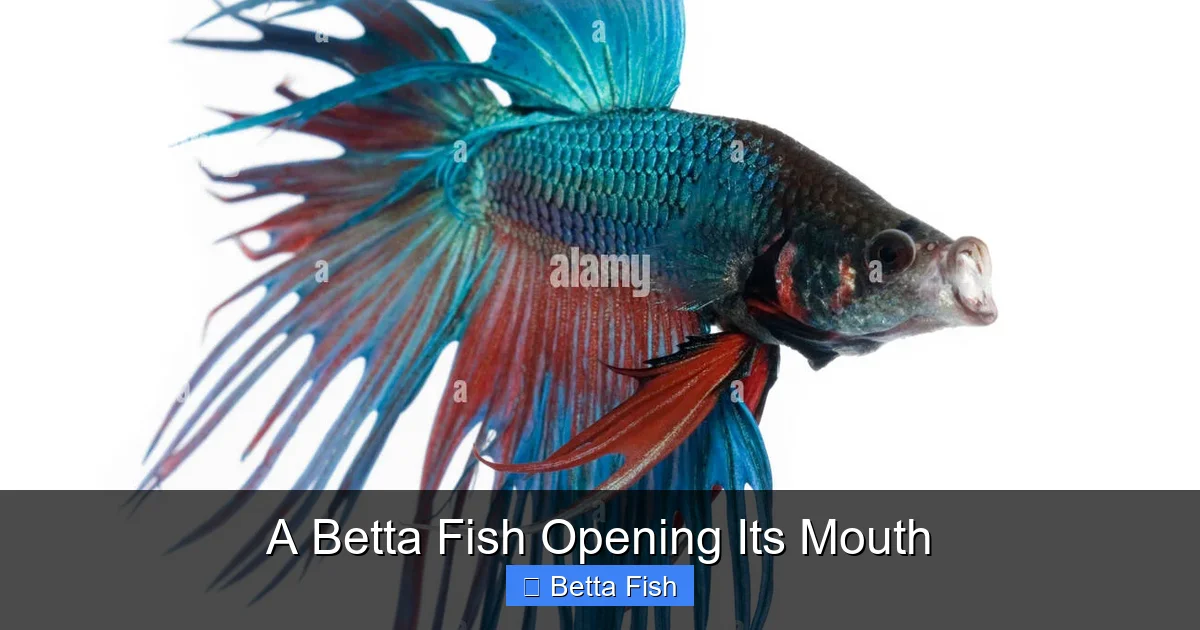
Visual guide about A Betta Fish Opening Its Mouth
Image source: c8.alamy.com
Tips for Controlled Feeding
- Use a pinhead amount of high‑quality betta pellets once or twice a day.
- Consider how to feed a betta fish to avoid over‑feeding, which can lead to cloudy water and extra mouth‑opening as the fish gorges.
- Offer live or frozen foods (like brine shrimp) a few times a week for enrichment.
2. Breathing and Gulping Water
Why Betta Fish Gulp Air
Betta fish are labyrinth fish. They have a special organ that lets them breathe air directly from the surface. When the dissolved oxygen in the tank drops, they will surface and open their mouths to gulp air.
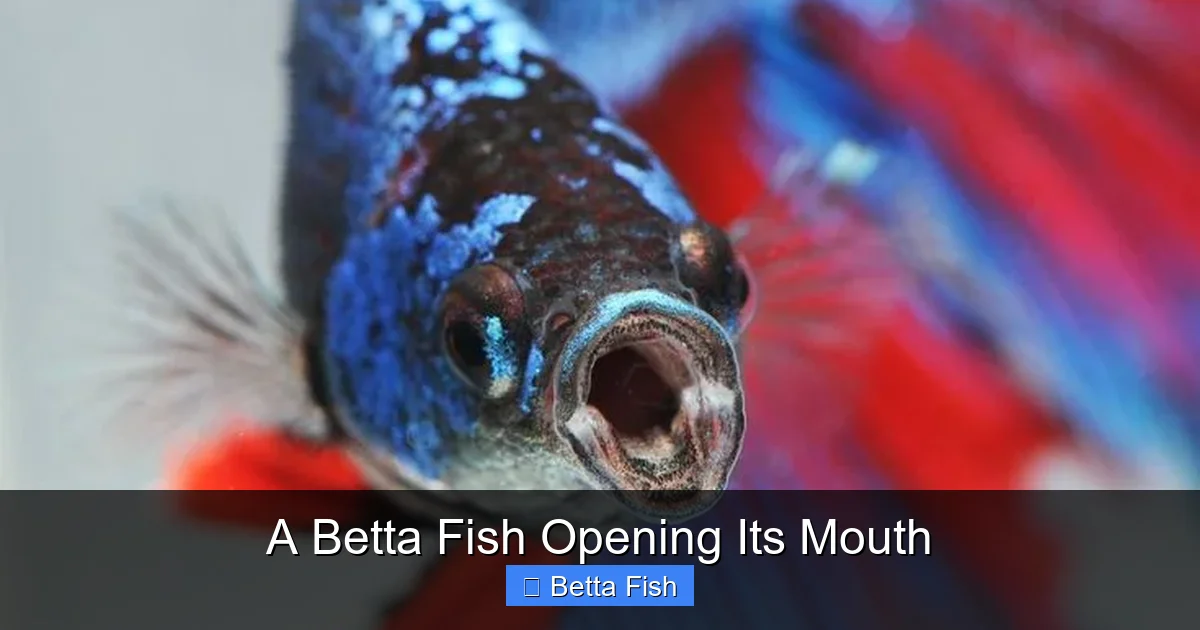
Visual guide about A Betta Fish Opening Its Mouth
Image source: i.pinimg.com
Improving Oxygen Levels
- Maintain water temperature between 76°F and 82°F. Warmer water holds less oxygen.
- Use a gentle sponge filter or a small air stone to increase surface agitation without stressing the fish.
- Perform a 25‑30% water change weekly to refresh oxygen levels.
3. Stress and Environmental Factors
Signs of Stress
When a betta feels threatened—by a new tank mate, sudden lighting changes, or a cramped space—it may open its mouth repeatedly as a defensive display. Look for these accompanying signs:

Visual guide about A Betta Fish Opening Its Mouth
Image source: thumbs.dreamstime.com
- Flaring gills
- Rapid fin movement
- Hiding at the bottom
Creating a Calm Habitat
Choose a tank that’s at least 5 gallons, as recommended in what size tank for a betta fish. Provide plenty of plants or silk decorations for hiding spots, and keep a consistent light schedule (8‑10 hours a day).
4. Health Issues: When Mouth Opening Is a Warning
Common Illnesses
Persistent mouth opening paired with lethargy, loss of color, or ragged fins can signal disease. Common problems include:
- Fin rot – bacterial infection that makes the fish gulp water to soothe irritation.
- Swim bladder disorder – the fish may open its mouth to adjust buoyancy.
- Parasites – especially in wild‑caught specimens.
What to Do
If you suspect illness, isolate the betta in a hospital tank, raise the temperature slightly (to about 82°F) to boost its immune response, and consider a dose of appropriate medication. For a full guide, see how to know if a betta fish is dying.
5. Water Quality: The Silent Influencer
Parameters to Watch
Betta fish are sensitive to ammonia, nitrite, and pH swings. Poor water quality forces them to gulp more often as they try to get enough oxygen.
- Ammonia: 0 ppm
- Nitrite: 0 ppm
- pH: 6.5‑7.5
- Temperature: 76‑82°F
Testing and Maintenance
Invest in a reliable test kit and check the water twice a week. Perform a partial water change (20‑30%) whenever any parameter is out of range. This routine dramatically reduces abnormal mouth‑opening caused by stress.
6. Behavioral Observations: Reading the Whole Picture
Combining Body Language
Don’t judge a betta fish opening its mouth in isolation. Pair the observation with other cues:
- Calm swimming, bright colors: Likely feeding or normal breathing.
- Rapid darting, flared fins: Possible stress or aggression.
- Lethargy, loss of color: Health issue.
Keeping a Simple Log
Write down the time of day, water temperature, and what you fed your betta. Over a few weeks you’ll notice patterns that help differentiate normal from abnormal mouth‑opening.
Conclusion: Happy Betta, Happy Life
A betta fish opening its mouth is a natural part of its daily routine, whether it’s gulping air, snapping at food, or reacting to stress. By monitoring water conditions, providing proper nutrition, and paying attention to the whole body language, you can quickly spot when that mouth‑opening is a warning sign.
Take a few minutes each week to test the water, check the temperature, and observe your fish’s behavior. With a well‑maintained tank and a little know‑how, those occasional gapes will stay just a normal, fascinating part of watching your betta thrive.
Frequently Asked Questions
Why does my betta fish open its mouth when I feed it?
Betta fish are surface feeders. They open their mouths wide to scoop up flakes or pellets that sink near the water’s surface.
Is frequent mouth‑opening a sign of low oxygen?
Yes. If dissolved oxygen is low, a betta will surface and open its mouth to gulp air from the top layer.
Can water temperature affect mouth‑opening?
Warmer water holds less oxygen, so a betta may open its mouth more often to breathe. Keep the tank between 76°F‑82°F.
What should I do if my betta keeps opening its mouth and looks stressed?
Check water parameters, ensure the tank is at least 5 gallons, add gentle filtration, and reduce any sudden changes in lighting or décor.
Could a disease cause my betta to open its mouth continuously?
Persistent mouth‑opening with other symptoms like loss of color or ragged fins can indicate illness. Isolate the fish and treat with appropriate medication.
How often should I change the water to prevent abnormal mouth‑opening?
A 25‑30% water change weekly, along with regular testing, helps maintain optimal water quality and reduces stress‑related mouth‑opening.


