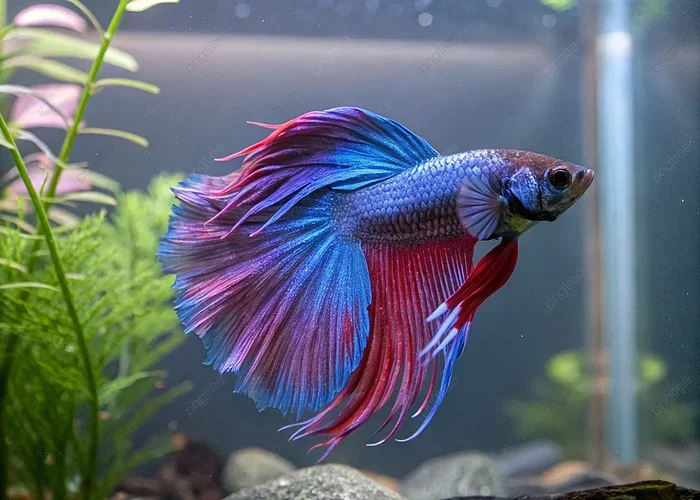
A Betta Fish for Sale

Looking for a betta fish for sale? This guide walks you through picking a healthy specimen, setting up the ideal tank, and mastering everyday care so your new finned friend thrives. From buying tips to water basics, we cover everything you need to know to enjoy a vibrant, long‑living betta.
Key Takeaways
- Buy healthy: Inspect fins, color, and behavior before purchasing.
- Tank matters: A minimum 5‑gallon tank with a heater keeps bettas comfortable.
- Water quality: Keep temperature 76‑82°F and change 25‑30% weekly.
- Feeding: Offer high‑quality pellets twice daily, avoiding overfeeding.
- Longevity: Proper care can give a betta 3‑5 years, sometimes longer.
- Safe décor: Use live plants or silk hides; avoid sharp ornaments.
- Research sellers: Choose reputable breeders or pet stores with clean facilities.
📑 Table of Contents
Why a Betta Fish is a Great First Pet
Betta fish, also called Siamese fighting fish, are small but full of personality. Their vivid colors and flowing fins make them eye‑catching, and they don’t need a huge aquarium. For beginners, they are forgiving, especially when you understand their basic needs. Below we’ll explore what makes bettas special and why they’re a top pick for a first fish.
Low‑maintenance, but not “no‑maintenance”
Many people think bettas can live forever in a bowl. That’s a myth. They thrive best in a filtered tank with stable temperature. The effort is modest—regular water changes, a heater, and a bit of feeding routine.
Beautiful and expressive
Male bettas display spectacular tail types—veiltail, crown, half‑moon, and more. Females are less flamboyant but often more social. Their “flaring” behavior is a sign of health and confidence, which you’ll love watching.
Where to Find a Betta Fish for Sale
Finding a healthy betta starts with choosing the right source. Not all sellers are created equal, so use these guidelines to spot a reputable vendor.
Local pet stores and aquarium shops
Visit a store and look for clear, clean tanks. Healthy bettas swim actively, have bright, even color, and no torn fins. Ask the staff about the fish’s origin and whether they quarantine new arrivals.
Specialty breeders
Breeders focus on genetics and quality. They can offer a wider variety of tail types and colors. A good breeder will provide a health guarantee and answer questions about water parameters.
Online marketplaces
Websites like Where Can I Buy A Betta Fish Near Me list local sellers and give reviews. When buying online, request photos of the fish and its tank, and confirm shipping conditions.
What to ask before you buy
- When was the fish last fed?
- What water temperature and pH are they kept at?
- Do they have any visible signs of disease (white spots, frayed fins)?
- Is a health certificate provided?
Setting Up the Perfect Home
Once you’ve bought your betta, the next step is creating a safe, comfortable environment. A proper tank is the foundation of a happy fish.

Visual guide about A Betta Fish for Sale
Image source: cdn.mos.cms.futurecdn.net
Choosing the right tank size
Even though bettas can survive in small containers, a 5‑gallon tank gives them room to swim and makes water stability easier. Larger tanks also allow for live plants and decorative elements.
Heater and temperature control
Betta fish are tropical; they need water kept between 76‑82°F (24‑28°C). A reliable submersible heater is essential. Use a thermometer to monitor the temperature daily.
Filtration and water flow
A gentle filter keeps water clear without creating a strong current that can stress a betta. Sponge filters are a popular, low‑flow option.
Substrate, plants, and décor
Fine gravel or sand works well. Live plants like Java fern or Anubias provide natural hiding spots and help maintain water quality. If you prefer artificial décor, choose silk or smooth plastic items—never use sharp plastic or metal.
Lighting
Betta fish don’t need intense lighting, but a 10‑hour day/night cycle mimics natural conditions. LED lights with a dimmer are ideal.
Water Quality Essentials
Good water is the single most important factor for betta health. Below are the basics you need to master.

Visual guide about A Betta Fish for Sale
Image source: asahi.com
Temperature
Maintain 76‑82°F. If you’re unsure how to keep it steady, read our guide on What Temperature Should Water Be For A Betta Fish. A heater with an automatic shut‑off is a wise investment.
pH and hardness
Betta fish prefer a pH of 6.5‑7.5 and soft to moderately hard water (50‑150 ppm GH). Test kits are inexpensive and give you quick results.
Water changes
Change 25‑30% of the water weekly. Use a siphon to remove debris from the substrate, then replace with conditioned tap water that matches the tank’s temperature.
Conditioners and dechlorinators
Never add straight tap water. A water conditioner neutralizes chlorine, chloramines, and heavy metals that can harm your betta.
Feeding Your Betta Fish
What you feed your betta influences its color, growth, and lifespan.
Types of food
- Pellets: High‑quality betta pellets should be the staple. They’re nutritionally balanced.
- Frozen or live foods: Daphnia, bloodworms, and brine shrimp are excellent treats a few times a week.
- Avoid over‑feeding: Betta stomachs are about the size of their eye. Feed only what they can eat in 2‑3 minutes.
Feeding schedule
Twice daily feedings are ideal. In the morning and evening, offer a small pinch of pellets. Reduce feeding in cooler months when metabolism slows.
Health, Common Problems, and Longevity
Even with perfect care, bettas can develop issues. Spotting problems early makes treatment easier.
Signs of a healthy betta
- Active swimming, exploring the tank.
- Bright, even coloration without faded patches.
- Intact, flowing fins.
- Regular, calm breathing at the surface.
Common ailments
- Fin rot: Frayed or discolored fins; treat with a antibacterial dip.
- Ich: White spots; raise temperature slightly and use a copper‑based medication.
- Swim bladder issues: Erratic floating; fast the fish for a day and check water quality.
How long can a betta live?
With proper care, a betta lives 3‑5 years on average, and some reach 7 years. Learn more about lifespan in What Is The Lifespan For A Betta Fish.
Cost and Ongoing Expenses
Buying a betta is just the start. Budget for tank setup, water treatments, food, and occasional vet visits.
Initial costs
- Tank (5‑gallon) – $30‑$60
- Heater – $15‑$30
- Filter – $20‑$40
- Decorations & plants – $10‑$25
- Water conditioner – $5‑$10
Monthly upkeep
Food ($5‑$10), water conditioner ($2‑$4), occasional replacement filter media ($5). These small expenses add up but keep your betta thriving.
Conclusion
Finding a betta fish for sale is the first exciting step toward a rewarding hobby. By choosing a healthy fish, setting up a properly sized, heated tank, and maintaining clean, warm water, you give your betta the best chance to shine for years. Remember to feed wisely, watch for health signs, and enjoy the dazzling display of colors and personality that only a betta can provide. Happy fish‑keeping!
Frequently Asked Questions
What size tank is best for a betta fish?
A minimum of 5 gallons is recommended. Larger tanks provide more stable water conditions and space for plants.
Do betta fish need a heater?
Yes. Betta fish are tropical and thrive at 76‑82°F. A reliable heater keeps the water temperature steady.
How often should I change the water?
Change 25‑30% of the water weekly. This helps keep nitrate levels low and prevents disease.
Can I keep a betta in a bowl?
While a bowl can hold a betta temporarily, it lacks filtration and temperature control, leading to short‑term health issues.
What should I feed my betta?
High‑quality betta pellets twice a day, supplemented with occasional frozen or live foods like bloodworms.
How long does a betta usually live?
With proper care, bettas live 3‑5 years on average, and some can reach 7 years.