Why Did My Betta Fish Tail Fall Off

Seeing your betta fish’s tail deteriorate can be scary, but it’s often a sign of a treatable problem. This article explains the common causes, immediate actions, and long‑term prevention tips so you can help your finned friend heal and thrive again.
Key Takeaways
- Understanding why did my betta fish tail fall off: Provides essential knowledge
📑 Table of Contents
- Introduction: When the Tail Starts to Disappear
- 1. Water Quality – The Silent Culprit
- 2. Infections – Bacteria, Fungi, and Parasites
- 3. Stress – The Hidden Accelerator
- 4. Physical Damage – Accidents and Aggression
- 5. Nutrition – Feeding the Tail Back
- 6. Healing and Regrowth – What to Expect
- Conclusion: Turning a Tragic Tail into a Triumph
Introduction: When the Tail Starts to Disappear
Imagine you come home to find the beautiful, flowing tail of your betta fish looking ragged, frayed, or even missing. It’s a heart‑wrenching sight, and the first question that pops into your mind is, “why did my betta fish tail fall off?” The good news is that most tail loss isn’t a death sentence. With a bit of detective work and quick action, you can often stop the damage and help your fish regrow a healthy fin.
In this friendly guide we’ll walk through the most common reasons behind tail loss, how to spot the early warning signs, what you can do right now, and how to set up a safe, stress‑free home for your betta. Think of it as a conversation over coffee with a fellow hobbyist who wants your fish to look its best.
1. Water Quality – The Silent Culprit
Why bad water makes tails rot
Betta fish are sensitive to ammonia, nitrite, and high nitrate levels. When these chemicals rise, they irritate the skin and fins, creating openings for bacteria and fungi to move in. This condition is often called “tail rot.”
Testing and fixing the water
- Test weekly with a reliable aquarium test kit. Target ammonia = 0 ppm, nitrite = 0 ppm, nitrate < 20 ppm.
- Perform a 25‑30 % water change every 2‑3 days until parameters are stable.
- Use a gentle water conditioner to remove chlorine and chloramines.
Keeping water pristine is the single most effective way to answer the question, “why did my betta fish tail fall off?”
2. Infections – Bacteria, Fungi, and Parasites
Bacterial infections
When the skin is compromised, opportunistic bacteria like Aeromonas or Pseudomonas can invade. The tail may turn white, yellow, or black and become mushy.
Fungal growth
Fungal infections often follow a bacterial issue. They appear as cotton‑like patches on the tail and can spread quickly.
Parasitic attacks
External parasites such as Ichthyophthirius multifiliis (ich) or Velvet can cause scratching and fin loss.
Treatment steps
- Isolate the betta in a hospital tank with clean, dechlorinated water.
- Add a broad‑spectrum antibacterial like Maracyn 2 (follow dosage).
- If you see fuzzy growth, add a fungicide such as Pimafix.
- For parasites, a dip in a copper‑based medication or formalin bath works well.
For a deeper dive on fin loss, see our article on why are my betta fish fins falling off.
3. Stress – The Hidden Accelerator
Common stressors
Stress weakens the immune system, making tail loss more likely. Typical stressors include:
- Overcrowded tanks or aggressive tank mates.
- Sudden temperature swings (ideal range 76‑82 °F).
- Bright, direct lighting or constant vibrations.
- Improper diet lacking essential nutrients.
How to reduce stress
- Provide a minimum 2‑gal tank with a lid to prevent jumps.
- Use a heater and a reliable thermostat to keep temperature stable.
- Offer plenty of hiding spots—live plants, caves, or silk leaves.
- Feed high‑quality betta pellets plus occasional frozen or live foods.
4. Physical Damage – Accidents and Aggression
Tank mates and decorations
Even a single aggressive companion can nip at a betta’s tail. Rough decorations, sharp ornaments, or coarse substrate can also cause tears.
Preventing injuries
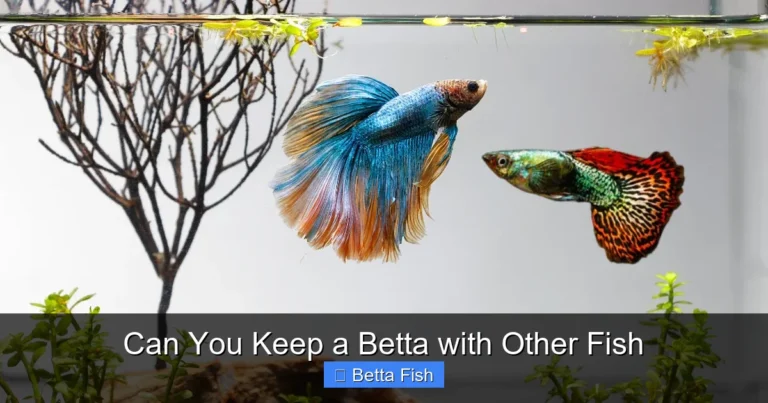
- Keep bettas solitary or with very peaceful species like small shrimp.
- Choose smooth, rounded décor and avoid gravel; use fine sand or bare bottom.
- Inspect the tank daily for torn fins and remove any sharp objects.
Learn more about safe tank mates in what fish can i put with my betta.
5. Nutrition – Feeding the Tail Back
Essential nutrients for fin health
Betta fish need protein, omega‑3 fatty acids, and vitamins A, C, and E to rebuild tissue. A diet lacking these components slows healing.
Feeding routine
- Offer high‑quality betta pellets twice daily (no more than 2‑3 pellets per feeding).
- Supplement with frozen bloodworms or brine shrimp 2‑3 times a week.
- Consider a vitamin‑rich liquid supplement during recovery.
When appetite drops
If your fish stops eating, it could be a sign of infection or poor water. See our guide on why did my betta fish stop eating for troubleshooting steps.
6. Healing and Regrowth – What to Expect
Timeline for tail regrowth
With optimal care, a betta can start regrowing fin tissue within 1‑2 weeks. Full regrowth may take 4‑6 weeks depending on the severity of the loss.
Signs of improvement
- New, small fin rays appear at the base of the stump.
- Color becomes more vibrant and the tissue looks firm, not mushy.
- Fish resumes normal swimming and feeding behavior.
When to seek professional help
If the tail continues to deteriorate after two weeks of treatment, or if the fish shows lethargy, loss of buoyancy, or severe discoloration, contact a veterinarian experienced with fish.
Conclusion: Turning a Tragic Tail into a Triumph
Finding out “why did my betta fish tail fall off” can feel overwhelming, but the answer is often a combination of water quality, infection, stress, or injury. By acting fast—testing water, treating infections, reducing stress, and feeding a balanced diet—you give your betta the best chance to heal and regrow a beautiful tail.
Remember, prevention is easier than cure. Keep the tank clean, maintain stable conditions, and give your fish a calm, nutritious environment. With a little love and vigilance, those missing fin rays will soon be a thing of the past, and your betta will once again flaunt the spectacular tail that first stole your heart.
Frequently Asked Questions
Why is my betta’s tail turning white before it falls off?
White patches often signal a fungal infection or early tail rot. Treat with an antifungal medication and improve water quality immediately.
Can I use home remedies like salt or vinegar for tail loss?
Adding a small amount of aquarium salt (1 g per 5 gal) can help with minor bacterial issues, but it won’t cure fungal or parasitic infections. Always follow a proper medication protocol.
How often should I change the water when my betta has a tail problem?
Perform a 25‑30 % water change every 2‑3 days until ammonia and nitrite are at zero and the tail shows signs of healing.
Is it normal for a betta to lose part of its tail as it ages?
Older bettas may have slightly frayed fins, but sudden loss or severe raggedness is not normal and usually indicates a health issue.
Will my betta’s tail grow back completely?
Yes, with proper care most bettas can regrow a functional tail. Full color and length may take a month or more.
Should I isolate my betta from other fish during treatment?
Yes. A separate hospital tank prevents cross‑infection and lets you control medication dosage without stressing other tank mates.