What to Feed a Betta Fish

Feeding your betta right is the key to a happy, healthy fish. This guide explains what to feed a betta fish, how often, and which treats are safe. Follow our simple tips and your betta will thrive.
Key Takeaways
- Balanced base diet: High‑quality betta pellets or frozen foods provide essential nutrients.
- Supplement with treats: Live or frozen brine shrimp, daphnia, and bloodworms add variety.
- Feed small portions: 2–3 pellets twice daily prevents over‑feeding and water fouling.
- Adjust for health: Sick or recovering bettas may need softer foods or force‑feeding.
- Watch water quality: Clean water and proper tank conditions keep your betta’s appetite steady.
- Seasonal changes: Temperature affects metabolism; feed less in cooler water.
- Know the signs: Over‑eating, under‑eating, or strange behavior signals a diet issue.
📑 Table of Contents
- Introduction: Why Diet Matters for Betta Fish
- 1. The Foundations: Commercial Betta Pellets
- 2. Adding Variety: Live and Frozen Foods
- 3. Treats and Supplements: When and How to Use Them
- 4. Feeding Schedules: Timing, Frequency, and Quantity
- 5. Special Situations: Sick, Blind, or Recovering Betta Fish
- 6. Maintaining Water Quality While Feeding
- Conclusion: A Happy Betta Starts with the Right Diet
Introduction: Why Diet Matters for Betta Fish
Betta fish, also called Siamese fighting fish, are famous for their dazzling fins and feisty personalities. While they look tough, their tiny stomachs need the right nutrition to stay bright, active, and disease‑free. Feeding a betta the wrong food can lead to bloating, constipation, and dull colors. That’s why knowing what to feed a betta fish is the first step to a thriving aquarium.
In this friendly guide we’ll walk through the ideal everyday diet, tasty treats, feeding schedules, and what to do when your betta isn’t eating. Think of it as a conversation over coffee with a fellow fish lover—simple, clear, and packed with practical tips.
1. The Foundations: Commercial Betta Pellets
Why pellets are the go‑to staple
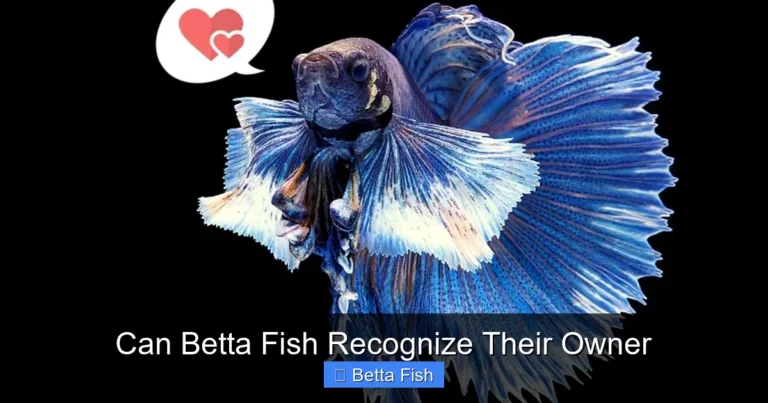
High‑quality betta pellets are formulated to match the carnivorous nature of these fish. They contain protein, fat, and essential vitamins in a compact form that’s easy for a betta to chew.

Visual guide about What to Feed a Betta Fish
Image source: i.ytimg.com
Choosing the right pellet
- Size matters: Look for pellets no larger than the size of your betta’s eye. Tiny “micro‑pellets” are perfect for juveniles.
- Ingredient list: First ingredient should be a named animal protein (e.g., bloodworm or brine shrimp). Avoid fillers like wheat or soy.
- No artificial dyes: Natural colors keep your fish’s fins vibrant without unnecessary chemicals.
How to feed pellets safely
Place 2–3 pellets in the tank twice a day. Watch your betta eat; any leftovers should be removed within five minutes to keep water quality high. If you’re unsure about portion size, check out our article on how much to feed a betta fish for detailed guidelines.
2. Adding Variety: Live and Frozen Foods
Live foods for a natural feast
Live brine shrimp, daphnia, and mosquito larvae trigger a betta’s hunting instincts. They’re also rich in protein and encourage bright coloration.

Visual guide about What to Feed a Betta Fish
Image source: igeeksblog.com
- Brine shrimp: Small enough for even young bettas; a few in the morning and evening make a great supplement.
- Daphnia: Provides fiber that helps prevent constipation.
- Bloodworms (live): Offer a tasty treat but should be given sparingly due to high fat content.
Frozen alternatives
If live foods aren’t practical, frozen or freeze‑dried options work just as well. Thaw them in a cup of tank water for a minute, then rinse before feeding.
Feeding tips
Offer live or frozen foods no more than twice a week. Over‑reliance can cause nutritional imbalances, so always pair them with a solid pellet base.
3. Treats and Supplements: When and How to Use Them
Peas for constipation relief
A single blanched pea (skin removed) can help a constipated betta. It’s a gentle source of fiber that moves through the digestive tract.

Visual guide about What to Feed a Betta Fish
Image source: cordcutting.com
Insects and crustaceans
Occasional treats like small pieces of earthworm or cricket can add excitement. Make sure they’re pesticide‑free and cut into bite‑size pieces.
Vitamins and color enhancers
Commercial vitamin powders can be sprinkled on pellets once a month. Avoid daily use, as excess vitamins can stress the fish.
Link to a specific guide
For a step‑by‑step on feeding peas, see our article how to feed a betta fish a pea.
4. Feeding Schedules: Timing, Frequency, and Quantity
How often should you feed?
Most bettas do well with two feedings per day—morning and evening. This mimics their natural hunting pattern and keeps metabolism steady.
Portion control
Use the “2‑minute rule”: feed a few pellets, then count to 120 seconds. If the betta hasn’t eaten by then, remove the excess. This prevents over‑feeding and water fouling.
Seasonal adjustments
When water temperature drops below 75°F (24°C), a betta’s metabolism slows. Reduce portions by about 25% and watch for slower movement.
Related reading
Need more detail on timing? Check out when to feed a betta fish for a deeper dive.
5. Special Situations: Sick, Blind, or Recovering Betta Fish
Feeding a sick betta
Sick bettas often lose appetite. Offer soft, easily digestible foods like soaked pellet mash or finely chopped brine shrimp.
Force‑feeding techniques
If your betta refuses to eat, a gentle syringe with a small amount of liquid food can help. Follow the steps in how to force feed a betta fish for safety.
Blind betta feeding
Blind bettas rely on scent. Use strong‑smelling foods (e.g., bloodworms) and place them near the surface where the fish can locate them.
Helpful guide
Read how to feed a sick betta fish for more recovery tips.
6. Maintaining Water Quality While Feeding
Why clean water matters
Uneaten food decomposes quickly, raising ammonia levels and stressing your betta. Regular water changes (20‑30% weekly) keep the environment safe.
Filtration tips
A gentle sponge filter is ideal—strong enough to remove debris but not so powerful that it stresses a betta’s delicate fins.
Testing water parameters
Keep ammonia at 0 ppm, nitrite at 0 ppm, and nitrate below 20 ppm. Stable pH (6.5‑7.5) and temperature (78‑80°F) support a healthy appetite.
Conclusion: A Happy Betta Starts with the Right Diet
Knowing what to feed a betta fish isn’t just about picking a product; it’s about creating a balanced, varied menu that matches the fish’s natural carnivorous habits. Stick to high‑quality pellets as the staple, add live or frozen treats a few times a week, and adjust portions based on temperature and health. Keep the tank clean, watch your betta’s behavior, and you’ll be rewarded with bright colors, active swimming, and a long, healthy life.
Remember, a well‑fed betta is a happy betta. Use the tips above, explore the linked articles for deeper insight, and enjoy watching your finned friend flourish.
Frequently Asked Questions
What is the best staple food for a betta fish?
High‑quality betta pellets formulated with animal protein are the most reliable staple. They provide balanced nutrition and are easy to portion.
How many times a day should I feed my betta?
Feed twice daily—once in the morning and once in the evening—using the 2‑minute rule to avoid over‑feeding.
Can I feed my betta tropical fish flakes?
Flakes are not ideal because bettas are carnivores and need protein‑rich foods. Occasional flakes may be tolerated but should not replace pellets or live foods.
Is it safe to give my betta goldfish food?
No. Goldfish food is low in protein and high in plant matter, which can lead to nutritional deficiencies for a betta.
What should I do if my betta stops eating?
Try offering soft, soaked foods like mashed pellets or small pieces of brine shrimp. If the appetite doesn’t return, consider force‑feeding and consult a vet.
Do bettas need supplements?
Only occasional vitamin or color‑enhancing powders are needed, typically once a month. Over‑supplementing can cause stress.