What Species of Fish Can Live with Betta Fish

Betta fish can thrive with the right tank mates, but choosing compatible species is key. This article walks you through ideal fish partners, tank requirements, and practical tips to create a harmonious community aquarium. Read on to keep your betta happy and healthy alongside friendly companions.
Key Takeaways
- Size matters: Choose small‑to‑medium fish that won’t outgrow a 10‑gallon tank.
- Temperament is critical: Peaceful, non‑aggressive species reduce the risk of fin‑nipping.
- Water parameters must match: Keep pH, temperature, and hardness within the betta’s comfort zone.
- Plenty of hiding spots: Live plants and decorations give shy tank mates refuge.
- Monitor behavior daily: Early detection of stress prevents serious injuries.
- Start slow: Introduce new fish one at a time to gauge compatibility.
- Use reputable sources: Healthy, disease‑free fish increase the odds of a peaceful community.
📑 Table of Contents
- Introduction: Why Consider Tank Mates for Your Betta?
- Understanding Betta Behavior and Needs
- Top Fish Species That Can Live with Betta Fish
- Fish to Avoid: Common Compatibility Pitfalls
- Setting Up a Successful Community Tank
- Case Studies: Real‑World Success Stories
- Frequently Overlooked Tips
- Conclusion: Creating a Harmonious Betta Community
Introduction: Why Consider Tank Mates for Your Betta?
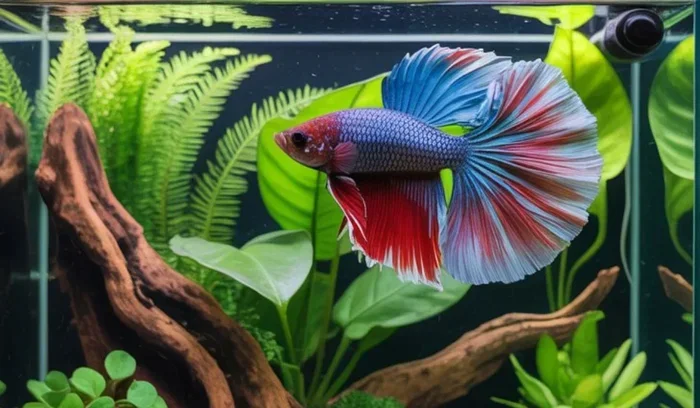
Betta fish, also called Siamese fighting fish, are famous for their vibrant colors and flowing fins. Many owners think they must live alone, but that isn’t always true. With the right approach, a betta can coexist happily with other species, adding movement and interest to the aquarium.
Choosing companions isn’t just about “any pretty fish.” It’s about matching temperament, size, and water needs. In this guide we’ll explore the best fish partners, explain what to look for, and give practical steps to set up a peaceful community tank.
Understanding Betta Behavior and Needs
Temperament Basics
Betta males are naturally territorial, especially toward other fish with long, flowing fins that resemble their own. Females are generally less aggressive but can still defend their space. Knowing whether your betta is a male or female will shape your stocking decisions.
Visual guide about What Species of Fish Can Live with Betta Fish
Image source: livedoor.blogimg.jp
Water Parameter Compatibility
Betta fish thrive in warm water (76‑82°F / 24‑28°C), slightly acidic to neutral pH (6.5‑7.5), and soft to medium hardness. Any tank mate must tolerate these conditions. Sudden changes in temperature or pH are stressful and can trigger aggression.
Space Requirements
Even a solitary betta benefits from a minimum of 5 gallons, but a community tank should be at least 10 gallons. More water dilutes waste, stabilizes temperature, and gives each fish enough room to claim its own territory.
Top Fish Species That Can Live with Betta Fish
Below are groups of fish that have proven compatibility with bettas when proper care is taken. Each entry includes size, temperament, and care tips.

Visual guide about What Species of Fish Can Live with Betta Fish
Image source: homes4india.com
1. Small Tetras
- Neon Tetra (Paracheirodon innesi): Reaches 1.5 inches, bright blue‑red coloration, peaceful schooler.
- Ember Tetra (Hyphessobrycon amandae): Tiny orange fish, 0.8 inches, very shy—best in groups of 6‑8.
These tetras stay in the mid‑to‑upper water column, away from the betta’s bottom‑level territory. Keep them in a well‑planted tank to provide cover.
2. Rasboras
- Harlequin Rasbora (Trigonostigma heteromorpha): 2‑inch schooling fish, active but not aggressive.
- Pygmy Rasbora (Boraras maculatus): Under 1 inch, excellent for nano tanks.
Rasboras are fast enough to avoid a curious betta and their silvery bodies don’t trigger fin‑nipping instincts.
3. Corydoras Catfish
- Bronze Cory (Corydoras aeneus): 2‑inch bottom dweller, peaceful, loves to scavenge.
- Peppered Cory (Corydoras paleatus): Similar size, active at night, helps keep the substrate clean.
Because they occupy the bottom, they rarely cross paths with the betta’s vertical swimming zone. Provide sand or fine gravel and hiding spots like driftwood.
4. Livebearers (Guppies, Endlers, Mollies)
- Endler’s Livebearer (Poecilia wingei): Small (1‑1.2 inches), colorful, fast swimmers.
- Male Guppy (Poecilia reticulata): Bright tail, but avoid large, flamboyant males that may irritate a betta.
Choose dwarf varieties and keep the group mostly male to reduce the chance of the betta seeing the flowing tails as a threat. A 10‑gallon tank is the minimum for a small livebearer group.
5. Small Shrimp and Snails (Bonus Compatibility)
While not fish, freshwater shrimp (e.g., Cherry Shrimp) and snails (e.g., Nerite) are popular tank mates. They clean algae and are usually ignored by a betta, especially if the betta is well‑fed. See our article on what snails can live with betta fish for more details.
6. Peaceful Dwarf Gourami (With Caution)
A dwarf gourami (Trichogaster lalius) can coexist if the betta is female or a very calm male. Both species have similar water needs, but the gourami’s long fins may provoke aggression. Monitor closely during the first weeks.
Fish to Avoid: Common Compatibility Pitfalls
Fin‑Nippers and Aggressive Species
Barbs, larger tetras (like Congo tetras), and any fish with bright, flowing fins can trigger a betta’s territorial instincts. Avoid species such as:

Visual guide about What Species of Fish Can Live with Betta Fish
Image source: assets2.titleleaf.com
- Betta Splitfins (they look too similar)
- Guppies with large, ornate tails
- Fin‑nipping cichlids (e.g., Ram Cichlid)
Fast‑Swimers and Large Bottom Dwellers
Fish that constantly dart across the tank, like zebrafish or larger loaches, may stress a betta. Also, large bottom dwellers such as loaches or catfish that exceed 3 inches can outcompete the betta for space and food.
Goldfish and Large Carp
Goldfish produce a lot of waste and require cooler water (65‑75°F), making them unsuitable. Read more about why a goldfish cannot live with a betta fish.
Setting Up a Successful Community Tank
Tank Size and Layout
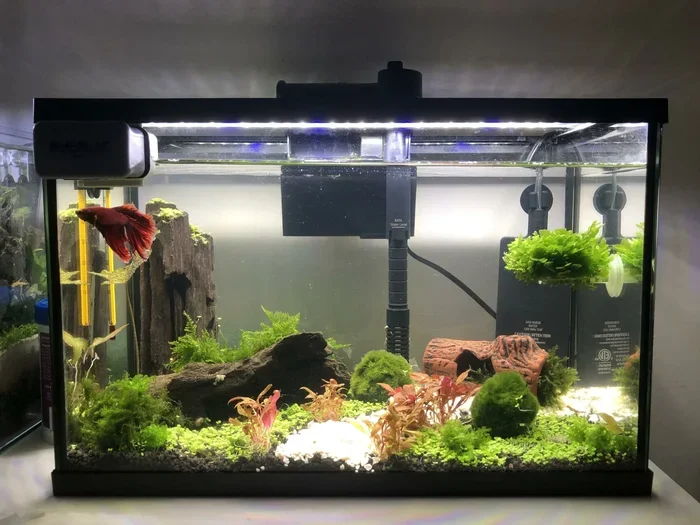
Start with at least a 10‑gallon tank for a betta and one or two small species. Use a long tank rather than a tall one to give horizontal swimming space. Add plenty of live plants (Java fern, Anubias) and décor (caves, driftwood) to break lines of sight.
Filtration and Water Quality
A gentle sponge filter or a low‑flow hang‑on filter works best. Strong currents can stress bettas, who prefer calm water. Perform weekly 25‑30% water changes to keep nitrate levels below 20 ppm.
Acclimation Process
When adding new fish, use the drip acclimation method:
- Float the sealed bag in the tank for 15 minutes.
- Open the bag and attach a drip line.
- Allow 1 ml of tank water per minute to drip into the bag for 30‑45 minutes.
- Gently net the fish into the tank.
This gradual adjustment reduces shock and helps the new fish adapt to temperature and chemistry.
Feeding Strategies
Feed bettas high‑quality pellets or frozen foods once or twice daily. Provide the tank mates with appropriate foods (microworms for fry, algae wafers for catfish). Feed small amounts to avoid over‑feeding, which can cloud the water and trigger aggression.
Monitoring and Troubleshooting
- Watch for fin damage: Early nipping appears as ragged edges.
- Observe hiding behavior: If a fish constantly hides, it may be stressed.
- Check water parameters: Use a test kit weekly.
If problems arise, consider moving the betta to a separate tank or re‑housing the aggressive fish.
Case Studies: Real‑World Success Stories
Case 1: Male Betta with Neon Tetras
John kept a male betta in a 12‑gallon tank with a school of six neon tetras. He added plenty of floating plants and a soft flow filter. After two weeks, the betta displayed curiosity but no aggression. The tetras thrived, and John reported a vibrant, lively tank.
Case 2: Female Betta with Corydoras
Maria introduced a female betta to a 10‑gallon tank with a pair of bronze corys. She used a sand substrate and several smooth rocks. The betta ignored the bottom dwellers, and the corys helped keep the substrate clean, reducing algae growth.
Case 3: Betta with Endler’s Livebearers
Sam tried a male betta with three male Endler’s livebearers. He kept the tank at 78°F and fed the betta twice daily. The betta occasionally chased the livebearers but never nipped. Adding a dense patch of java moss gave the livebearers places to hide, preventing stress.
Frequently Overlooked Tips
Use a Divider for the First Introduction
A clear acrylic divider lets you watch interactions without risk. If the betta shows aggression, keep the divider longer.
Mind the Lighting
Bright lighting can make bettas more territorial. Use a dimmable LED or provide shaded areas with plants.
Seasonal Considerations
During breeding season (usually spring), male bettas become more territorial. Consider temporary separation during this time.
Conclusion: Creating a Harmonious Betta Community
Betta fish are not doomed to solitary life. By selecting peaceful, similarly sized species, matching water conditions, and providing abundant hiding places, you can enjoy a colorful, active community tank. Start with a small, well‑filtered setup, introduce tank mates slowly, and keep a close eye on behavior. With patience and proper care, your betta will share its home happily, and you’ll gain the joy of watching multiple species interact.
Frequently Asked Questions
Can a male betta live with other fish?
Yes, a male betta can live with peaceful, small fish like neon tetras or dwarf rasboras if the tank is large enough and has plenty of hiding spots.
What is the safest tank size for a betta and companions?
A minimum of 10 gallons is recommended for a betta with one or two small tank mates. Larger tanks provide more stability and reduce aggression.
Are shrimp suitable tank mates for bettas?
Freshwater shrimp such as cherry shrimp are generally ignored by bettas and can help clean algae, making them good companions in a well‑planted tank.
Why should I avoid goldfish with a betta?
Goldfish need cooler water and produce a lot of waste, which conflicts with the betta’s warm, soft‑water preferences, leading to poor health for both.
How can I tell if my betta is stressed by new fish?
Signs of stress include faded colors, frantic fin flaring, and hiding at the bottom. Monitor closely and be ready to separate if needed.
What should I do if my betta attacks a new tank mate?
Remove the aggressor to a separate tank, or use a divider to re‑introduce them slowly. Adjust the tank layout to add more plants and visual barriers.