What If Your Betta Fish Won’t Eat

Wondering what if your betta fish won’t eat? This guide reveals the common reasons, easy fixes, and warning signs that indicate a deeper problem. Follow our simple steps to get your finned friend eating again fast.
Key Takeaways
- Check water quality first: Bad parameters are the top reason bettas stop eating.
- Stress kills appetite: Over‑crowding, aggressive tank mates, and sudden changes can shut down feeding.
- Diet matters: Offering the right type and size of food can reignite interest.
- Health issues show up as loss of appetite: Look for spots, fin rot, or lethargy.
- Fast action helps: Simple steps like fasting for 24‑48 hrs and then offering a treat can jump‑start eating.
- Know when to call a vet: Persistent refusal to eat for more than a week signals serious trouble.
- Prevention is key: Proper tank setup and routine monitoring keep your betta eating happily.
📑 Table of Contents
- Introduction: When Your Betta Stops Eating
- 1. Water Quality – The Silent Appetite Killer
- 2. Stress Factors That Turn Off the Feeding Switch
- 3. Food Issues – Is the Menu Wrong?
- 4. Health Problems That Show Up As Not Eating
- 5. Practical Steps to Get Your Betta Eating Again
- 6. Prevention – Keeping Your Betta Hungry for Life
- Conclusion: From Worry to Wellness
Introduction: When Your Betta Stops Eating
Betta fish are famous for their bright colors and feisty personalities, but they can be a bit picky about food. If you’ve ever stared at an empty bowl and wondered, what if your betta fish won’t eat? you’re not alone. Many hobbyists face this problem, and it can be stressful because a loss of appetite is often the first sign that something is off.
In this article we’ll walk through the most common reasons your betta might refuse food, how to troubleshoot each issue, and exactly what steps to take to get your fish back to a healthy eating routine. By the end, you’ll feel confident that you can spot a problem early, act quickly, and keep your betta thriving for years to come.
1. Water Quality – The Silent Appetite Killer
Why water matters
Betta fish are very sensitive to their environment. Poor water quality can cause stress, which instantly shuts down the desire to eat. Even a slight rise in ammonia or a drop in pH can make your betta feel sick.
How to test and fix
- Test weekly: Use a liquid test kit to check ammonia, nitrite, nitrate, and pH.
- Partial water changes: Swap out 25‑30 % of the water every few days until parameters are stable.
- Condition the water: A good de‑chlorinator removes chlorine and chloramines that irritate gills.
If you’re unsure how to read the numbers, see our guide on what water to use for betta fish for a quick primer.
2. Stress Factors That Turn Off the Feeding Switch
Tank size and décor
A common mistake is keeping a betta in a bowl that’s too small. Cramped spaces limit swimming and can make a betta feel trapped, leading to a loss of appetite. Aim for at least a 5‑gallon tank with gentle plants and hiding spots.

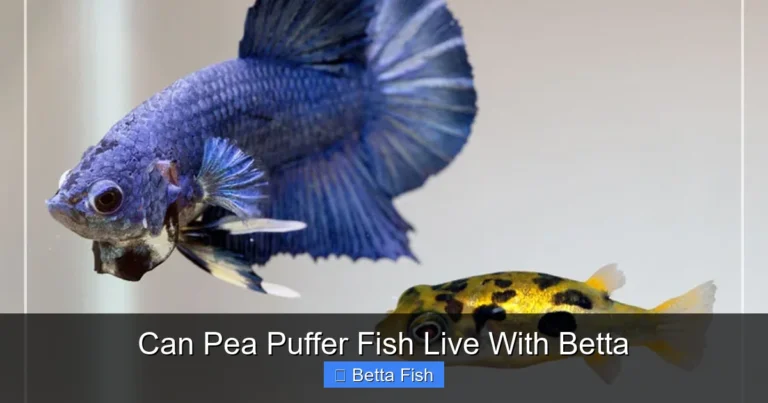
Visual guide about What If Your Betta Fish Won’t Eat
Image source: i.ytimg.com
Tank mates and aggression
Betta males are territorial. If you’ve added other fish that are too active or nippy, your betta may become stressed and stop eating. Even peaceful species can cause stress if the tank is overcrowded.
Sudden changes
Moving the tank, changing lighting, or even a new décor item can freak out a betta. Give the fish 24‑48 hours to adjust before offering food again.
3. Food Issues – Is the Menu Wrong?
Choosing the right type of food
Betta fish are obligate carnivores. They thrive on protein‑rich foods like high‑quality betta pellets, frozen or live brine shrimp, and bloodworms. If you’re feeding them generic flake food, they might simply not be interested.

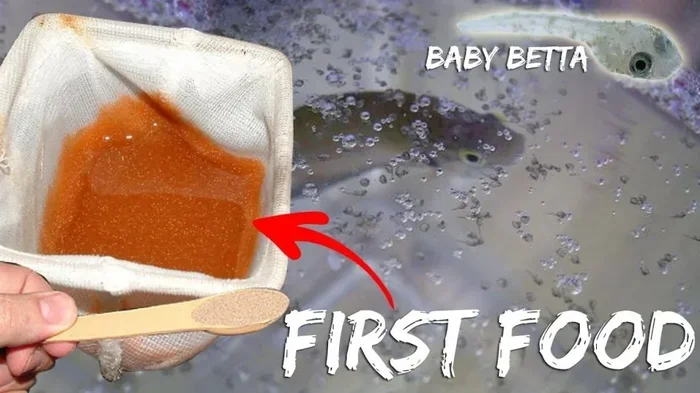
Visual guide about What If Your Betta Fish Won’t Eat
Image source: wallpaperaccess.com
For a deeper dive into diet, check out what does betta fish eat and learn what nutrients matter most.
Size and texture
Pellets that are too large can be hard to swallow, while very small ones may dissolve too quickly, reducing the chance for the fish to recognize them. Aim for 2‑mm pellets that sink slowly, giving your betta time to bite.
Feeding schedule
Overfeeding can pollute the water and make a betta lose interest. Feed 2‑3 small meals a day, no more than the size of the fish’s eye each time. If you suspect overfeeding, fast your betta for 24‑48 hours and then offer a single high‑protein treat.
4. Health Problems That Show Up As Not Eating
Common illnesses
External parasites, fin rot, and internal swim‑bladder disease all reduce appetite. Look for signs such as white spots, torn fins, cloudy eyes, or abnormal swimming.
When to suspect disease
If your betta has been refusing food for more than 48 hours and shows any of the above symptoms, it may be sick. Read more about diagnosing illness in how do you know if your betta fish is sick.
Veterinary help
Persistent loss of appetite (over 5‑7 days) warrants a visit to a fish‑savvy vet. Early treatment improves the odds of a full recovery.
5. Practical Steps to Get Your Betta Eating Again
Step‑by‑step rescue plan
- Test water: Correct any out‑of‑range values.
- Fast the betta: Remove food for 24‑48 hours to clear the gut.
- Offer a “treat”: Use a tiny piece of frozen brine shrimp or a high‑protein pellet.
- Observe behavior: Watch for interest, quick bites, and normal swimming.
- Gradually resume feeding: Return to 2‑3 small meals per day.
Tips that work
- Warm the food slightly (room temperature) to make it more enticing.
- Use a feeding ring to keep food in one spot, reducing waste.
- Try “hand‑feeding” with a tweezers; the novelty can spark curiosity.
6. Prevention – Keeping Your Betta Hungry for Life
Regular maintenance
Weekly water changes, gravel vacuuming, and filter cleaning keep the environment stable, which means a steady appetite.
Balanced diet
Rotate between pellets, frozen foods, and occasional live treats. This variety mimics wild eating habits and prevents boredom.
Monitoring health
Spend a few minutes each day watching your betta. Healthy fish are active, display bright colors, and eat regularly. If you notice any change, act fast.
For a quick checklist on spotting problems, see how do you know if your betta fish is dying.
Conclusion: From Worry to Wellness
Finding out what if your betta fish won’t eat can feel alarming, but most cases are solvable with a few simple checks. Start with water quality, reduce stress, offer the right food, and keep an eye on health signs. By acting quickly and following the steps above, you’ll likely see your betta nibble again within a day or two.
Remember, a well‑maintained tank and a varied, protein‑rich diet are the foundations of a happy, eating betta. Keep these habits, and you’ll enjoy many years of vibrant colors and lively personality from your finned companion.
Frequently Asked Questions
Why is my betta not eating after a water change?
Sudden changes in water parameters can stress a betta, causing a temporary loss of appetite. Test the water to ensure ammonia, nitrite, and pH are within safe ranges, then give the fish a day to adjust.
Can bettas eat flake food?
Betta fish are carnivores and prefer protein‑rich pellets or live foods. While they may nibble flake food, it lacks the nutrients they need for optimal health.
How long can a betta survive without food?
Adult bettas can typically survive 5‑7 days without eating, but it’s risky. If your fish refuses food for more than 48 hours, start troubleshooting immediately.
Is it normal for a betta to eat less in winter?
Yes, cooler water slows metabolism, so a betta may eat less. Keep the tank temperature between 76‑80 °F to maintain a regular appetite.
What should I do if my betta has a bloated belly and won’t eat?
A bloated abdomen can indicate constipation or a swim‑bladder issue. Fast the fish for 24 hours, then offer a small amount of frozen peas (shelled) to help clear the blockage.
Can stress from new tank mates stop my betta from eating?
Absolutely. Aggressive or overly active tank mates can stress a betta, leading to appetite loss. Consider re‑homing the other fish or providing more hiding spots.