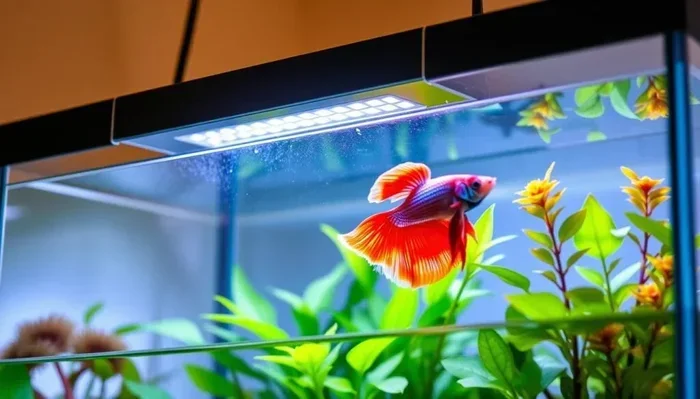
What Fish Go Best with Betta

Betta fish can thrive with the right tank mates, but choosing compatible species is key. This guide walks you through the safest fish partners, essential tank conditions, and practical tips to create a harmonious community that keeps both your betta and its companions happy and healthy.
Key Takeaways
- Temperament matters: Choose peaceful, non‑aggressive fish that won’t trigger a betta’s territorial instincts.
- Tank size is critical: A minimum of 10 gallons gives enough space for a betta and suitable companions.
- Water parameters must match: Keep temperature, pH, and hardness consistent for all species.
- Provide plenty of hiding spots: Plants, caves, and décor reduce stress and prevent bullying.
- Start with a community‑ready betta: Female or a well‑socialized male are less likely to attack.
- Monitor behavior daily: Early signs of fin nipping or stress mean it’s time to re‑evaluate the mix.
- Consider invertebrates: Snails and shrimp can add interest without competing for the same space.
📑 Table of Contents
- Introduction: Why Pair a Betta with Other Fish?
- 1. Understanding Betta Behavior and Needs
- 2. Top Fish Species That Pair Well with Betta
- 3. Setting Up the Tank for Harmony
- 4. Introducing New Tank Mates Safely
- 5. Common Mistakes and How to Avoid Them
- 6. Frequently Recommended Resources
- Conclusion: Create a Peaceful Betta Community
Introduction: Why Pair a Betta with Other Fish?
Betta fish, also called Siamese fighting fish, are famous for their vivid colors and flowing fins. Many hobbyists assume they must live alone, but that isn’t the whole story. In a well‑set‑up aquarium, a betta can coexist peacefully with other small, peaceful species. Adding tank mates can make the aquarium look more natural, provide stimulation for the betta, and give you a richer viewing experience.
However, the “betta‑friendly” label isn’t a blanket permission to throw any fish in the tank. Compatibility depends on temperament, water needs, and the amount of space you provide. This article breaks down exactly which fish are safest, how to set up the tank, and what red flags to watch for.
1. Understanding Betta Behavior and Needs
Territorial instincts
Male bettas are naturally territorial, especially around the surface where they like to display their fins. In the wild they defend a small stretch of water, so a cramped aquarium can quickly become a battleground. Female bettas are generally less aggressive, but they still appreciate a secure environment.
Water preferences
Betta fish thrive in warm water between 76°F and 82°F (24°C‑28°C). They prefer a slightly acidic to neutral pH (6.5‑7.5) and soft to medium hardness. Any fish you add must share these parameters; otherwise you’re setting the stage for stress or disease.
Tank size guidelines
While a single betta can survive in a 2.5‑gallon bowl, a community setup needs at least 10 gallons to give each inhabitant room to claim its own territory. More space also means more hiding spots, which reduces aggression.
2. Top Fish Species That Pair Well with Betta
2.1. Neon Tetras
Neon tetras are tiny, schooling fish that stay near the bottom and mid‑level of the tank. Their bright blue‑red stripes add a flash of color without challenging the betta’s dominance. Keep a group of at least six to satisfy their schooling instinct.
2.2. Harlequin Rasboras
These peaceful rasboras grow to about 2 inches and form loose schools. Their calm demeanor and vertical swimming pattern keep them out of the betta’s surface‑zone territory. They thrive in the same temperature range, making them a solid match.
2.3. Corydoras Catfish
Cory catfish are bottom‑dwelling scavengers that love to sift through substrate. Their gentle nature and nocturnal activity mean they rarely cross paths with a betta’s display area. A small group (3‑4) will feel secure and help keep the tank clean.
2.4. Ember or Cherry Shrimp
While not fish, shrimp are popular community members. They are tiny, colorful, and spend most of their time grazing on bio‑film. A betta may occasionally watch them, but they’re usually ignored. Just be sure the betta isn’t a particularly aggressive feeder.
2.5. Kuhli Loaches
Kuhli loaches are eel‑like bottom dwellers that hide under rocks and driftwood. Their secretive nature keeps them out of the betta’s line of sight, and they help clean leftover food.
2.6. Small Livebearers (e.g., Endlers Livebearer)
Endlers are tiny, colorful, and less aggressive than guppies. They occupy the middle to upper levels but are quick enough to avoid a curious betta. Keep them in a small school of 5‑6.
Choosing the Right Combination
Mixing species that occupy different tank zones (top, middle, bottom) reduces competition. For example, a 10‑gallon tank could hold a male betta, a trio of neon tetras, a pair of cory catfish, and a handful of shrimp. Always start with the betta and add one species at a time, monitoring behavior for 48‑72 hours before introducing the next.
3. Setting Up the Tank for Harmony
3.1. Aquascaping Tips
- Live plants: Java fern, Anubias, and mosses create natural cover and break up sight lines.
- Hardscape: Add driftwood, smooth rocks, and caves to give shy fish places to hide.
- Open swimming area: Keep a clear section near the surface for the betta’s flaring displays.
3.2. Filtration and Flow
Betta fish prefer gentle water movement. Choose a sponge filter or a low‑flow hang‑on‑back filter. Too strong a current can stress the betta and push surface‑dwelling fish into unwanted contact.
3.3. Lighting and Temperature
Maintain a stable temperature with an aquarium heater set between 78°F and 80°F. Use a timer for lighting (8‑10 hours a day) to mimic a natural day/night cycle, which helps all species feel secure.
3.4. Cycling the Tank
Never add fish to an uncycled tank. Allow the nitrogen cycle to complete (usually 4‑6 weeks) before introducing your betta and its companions. Test kits for ammonia, nitrite, and nitrate will confirm stability.
4. Introducing New Tank Mates Safely
4.1. Quarantine First
All new fish should spend at least two weeks in a separate quarantine tank. This prevents the spread of disease to your established community.
4.2. Gradual Acclimation
Float the sealed bag in the aquarium for 15‑20 minutes to equalize temperature, then slowly add small amounts of tank water to the bag over another 15 minutes. Finally, release the fish with a net, avoiding the addition of bag water to the main tank.
4.3. Observation Period
Watch the betta’s reaction for the first 24‑48 hours. If the betta flares constantly, displays aggressive posturing, or nips fins, be prepared to separate the fish.
4.4. When to Re‑home
Persistent aggression, fin loss, or stressed behavior (e.g., hiding all the time) means the community isn’t working. It’s kinder to move the betta or the aggressor to a separate tank rather than risk injury.
5. Common Mistakes and How to Avoid Them
5.1. Overcrowding
Adding too many fish to a small tank raises stress levels and spikes ammonia. Stick to the “one inch of fish per gallon” rule as a rough guideline, adjusting for the betta’s space needs.
5.2. Incompatible Temperament
Fin‑nipping species like tiger barbs or larger, fast‑moving fish such as guppies can trigger a betta’s defensive behavior. Always double‑check temperament lists before purchasing.
5.3. Ignoring Water Quality
Even a perfect fish match will suffer if the water isn’t clean. Perform weekly 25% water changes and keep a close eye on nitrate levels (<20 ppm is ideal).
5.4. Forgetting the Betta’s Gender
Male bettas should never be housed with other male bettas or with fish that display bright, flowing fins that might be perceived as rivals (e.g., male guppies). Female bettas can tolerate a bit more activity, but still need space.
5.5. Skipping the “Test the Waters” Step
Before buying any new fish, test the tank’s temperature, pH, and hardness. If they’re out of the recommended range for the prospective species, adjust parameters first.
6. Frequently Recommended Resources
For more detailed lists of compatible species, see our guide on what fish can go with betta fish. If you’re wondering about tank setups, the article what can go in a tank with a betta fish offers step‑by‑step planning tips. Finally, explore which fish go well with betta for a broader perspective on community options.
Conclusion: Create a Peaceful Betta Community
Choosing the right fish to share a tank with your betta is a rewarding challenge. By focusing on temperament, matching water needs, providing ample space, and offering plenty of hiding places, you set the stage for a vibrant, stress‑free aquarium. Start with a small, proven group of peaceful species, monitor behavior closely, and be ready to make adjustments. With patience and proper planning, your betta will not only survive but thrive alongside its new friends, turning your tank into a lively underwater showcase.
Frequently Asked Questions
Can I keep a male betta with other male fish?
Only if the other males are very small, non‑aggressive species that stay at the bottom. Avoid other bright, fin‑showing males like guppies, as they may trigger fighting.
Are female bettas better community fish?
Female bettas are generally less territorial than males and can tolerate a slightly busier tank, but they still need space and hiding spots to feel safe.
What size tank is the minimum for a betta and tank mates?
A minimum of 10 gallons is recommended. This provides enough swimming room and helps maintain stable water parameters.
Do bettas get along with shrimp?
Most bettas ignore shrimp, especially larger species like Amano shrimp. Tiny shrimp may be at risk if the betta is an active forager, so observe closely.
How often should I feed a community tank with a betta?
Feed small portions 2‑3 times a day, ensuring all fish get food. Remove any excess after 5 minutes to keep water quality high.
What signs show that a fish is stressed in a betta tank?
Hiding constantly, loss of color, clamped fins, or rapid breathing are red flags. If you see these, check water parameters and consider re‑arranging the tank.