Is Salt Water Fish Better Than Freshwater

Salt‑water fish and freshwater fish each have unique charms, but one isn’t universally “better.” Your choice should match your budget, space, experience level, and the type of aquarium you want to create. Read on to see how factors like cost, care complexity, and fish health stack up.
Key Takeaways
- Cost matters: Salt‑water setups usually cost more upfront due to equipment and water‑mixing needs.
- Care complexity: Freshwater tanks are friendlier for beginners; salt‑water tanks demand stricter water chemistry monitoring.
- Fish health: Both environments can produce healthy fish; disease risk depends on maintenance, not water type.
- Species variety: Salt‑water offers vibrant coral reef fish, while freshwater provides hardy community species.
- Space requirements: Salt‑water tanks often need larger volumes to stay stable, whereas freshwater can thrive in smaller tanks.
- Environmental impact: Captive‑bred freshwater fish usually have a lower ecological footprint than many wild‑caught salt‑water species.
- Personal preference: The best choice aligns with your aesthetic goals, time commitment, and budget.
📑 Table of Contents
Introduction: Why the Question Matters
If you’ve ever walked into a pet store and seen the dazzling neon colors of a clownfish next to the calm greens of a tetras, you probably wondered, is salt water fish better than freshwater?
The answer isn’t a simple “yes” or “no.” It depends on what you value most—whether it’s vivid colors, low‑maintenance, or the satisfaction of recreating a tiny ocean in your living room. In this guide we’ll break down the main factors that influence the decision, give you practical tips for both setups, and help you decide which water type fits your lifestyle.
We’ll also sprinkle in a few helpful links to related articles on our site so you can dive deeper into topics like tank substrate choices and fish health.
1. Initial Investment and Ongoing Costs
Equipment you’ll need
Salt‑water tanks typically require a powerhead or wave maker, a protein skimmer, a high‑quality heater, and a reliable marine‑grade filter. Freshwater tanks can get by with a simple hang‑on‑back filter, a modest heater, and sometimes just a sponge filter.
Visual guide about Is Salt Water Fish Better Than Freshwater
Image source: publicdomainpictures.net
Water preparation
For salt water, you must buy marine salt mix and a hydrometer or refractometer to test specific gravity. Freshwater only needs dechlorinated tap water, which you can achieve with a water conditioner.
Fish and decor price
Many popular salt‑water species (e.g., clownfish, tangs) are either wild‑caught or expensive captive‑bred, driving up the price per fish. Freshwater community fish like guppies, platys, or neon tetras are often under $5 each.
Overall, the upfront cost for a 30‑gal salt‑water reef can be two‑to‑three times higher than a comparable freshwater setup.
2. Maintenance Demands
Water chemistry monitoring
Salt water demands tighter control of pH (8.0‑8.4), alkalinity, calcium, and magnesium. A small drift can stress fish and corals. Freshwater tanks usually stay stable with weekly water changes and occasional pH testing.
Visual guide about Is Salt Water Fish Better Than Freshwater
Image source: pngimg.com
Cleaning routine
Both systems need regular water changes, but salt water often requires a gravel vacuum, algae scraper, and occasional protein skimmer cleaning. Freshwater owners can often get away with a simple siphon and filter rinse.
Problem‑solving tips
- Keep a logbook to record water parameters each week.
- Use a reliable test kit—marine kits for salt water, freshwater kits for the other.
- Invest in a good quality auto‑top‑off system for salt‑water tanks; it saves time and prevents evaporation‑induced salinity spikes.
3. Fish Health and Disease Risks
Common ailments
Both environments can see outbreaks of ich, velvet, and fungal infections. The key difference is that salt‑water fish often carry parasites that are not present in freshwater, making quarantine essential.

Visual guide about Is Salt Water Fish Better Than Freshwater
Image source: pngimg.com
Quarantine importance
Regardless of water type, a 2‑week quarantine tank helps catch diseases before they spread. For salt‑water hobbyists, a marine quarantine tank with a small powerhead and live rock is ideal.
Nutrition considerations
Salt‑water fish usually need a varied diet of frozen, freeze‑dried, and high‑protein pellets. Freshwater fish often thrive on flake or pellet foods supplemented with occasional live or frozen treats.
4. Aesthetic Appeal and Species Variety
Color and behavior
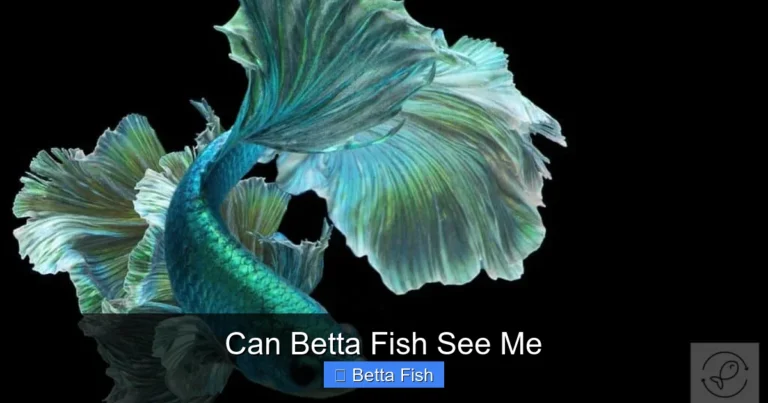
Salt‑water fish are famed for their brilliant hues—think the electric blues of a Regal Tang or the orange‑white contrast of a clownfish. Freshwater species can be just as striking; a school of neon tetras or a pair of Betta fish can light up a tank.
Tank design possibilities
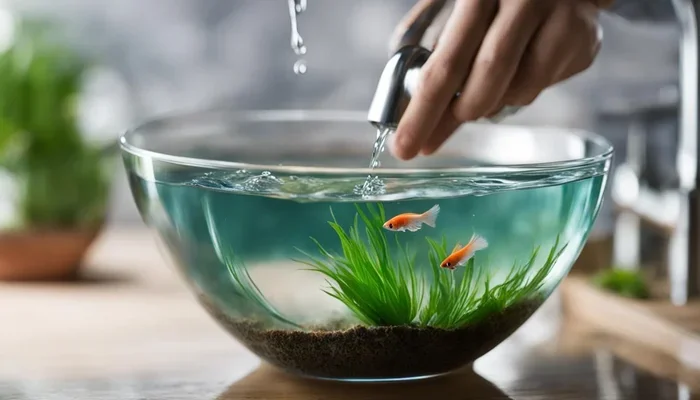
Salt‑water setups can incorporate live coral, rock formations, and even macro‑algae, creating a miniature reef ecosystem. Freshwater tanks often feature planted aquascapes, driftwood, and smooth rocks. Both can be beautiful; the choice hinges on the look you prefer.
Link to related discussion
For a deeper dive into the pros and cons of each environment, see our article Which Is Better Freshwater Or Saltwater Fish.
5. Space and Stability
Tank size considerations
Salt‑water tanks generally need at least 30 gallons to maintain stable parameters, especially if you plan on adding corals. Freshwater tanks can be healthy and stable at 10‑20 gallons, making them a better fit for apartments or small rooms.
Temperature stability
Both systems benefit from a reliable heater, but marine tanks often require tighter temperature control (around 76‑80°F) because many reef fish are sensitive to fluctuations.
Tips for limited spaces
- Choose a sleek, low‑profile acrylic tank for a modern look.
- Consider a “nano” reef (10‑20 gallons) if you want a salt‑water experience with limited space, but be prepared for higher maintenance.
- For freshwater, a planted 10‑gallon tank can host a thriving community of small fish and shrimp.
6. Environmental Impact and Ethical Sourcing
Wild‑caught vs. captive‑bred
Many popular salt‑water species are still harvested from reefs, which can damage ecosystems. Freshwater hobbyists often buy captive‑bred fish, reducing pressure on natural habitats.
Sustainable practices
If you choose salt water, look for sustainably sourced fish and reef-safe products. For freshwater, support breeders who use responsible breeding practices.
Helpful resource
Learn more about the sustainability of different fish options in our guide Which Is Better Freshwater Fish Or Saltwater.
Conclusion: Which Is Right for You?
So, is salt water fish better than freshwater? The short answer: not universally. If you crave vivid colors, are ready to invest time and money, and love the idea of a living reef, salt water may be the better fit. If you prefer a lower‑cost, lower‑maintenance hobby that still offers beautiful fish and endless creativity, freshwater is the way to go.
Ultimately, the “better” choice aligns with your budget, space, experience level, and personal aesthetic. Whichever path you take, proper research, regular maintenance, and a commitment to responsible fishkeeping will ensure a thriving aquarium.
Frequently Asked Questions
Is a salt‑water tank harder to maintain than a freshwater tank?
Yes, salt‑water tanks typically require more equipment and stricter water‑parameter monitoring, making them a bit more demanding for beginners.
Can I keep both salt‑water and freshwater fish in the same tank?
No, mixing the two is not advisable because their water chemistry needs are fundamentally different and can stress or kill the fish.
Do salt‑water fish live longer than freshwater fish?
Lifespan depends more on species and care than water type. Some salt‑water fish live 10+ years, while many freshwater species can also reach similar ages with proper care.
Which setup is more affordable for a first‑time aquarium keeper?
Freshwater setups are generally more affordable due to cheaper equipment, lower‑cost fish, and fewer ongoing expenses.
Are there any health benefits to keeping salt‑water fish?
While keeping any fish can be calming, salt‑water hobbyists often report a deeper sense of immersion because of the reef‑like environment, which can enhance relaxation.
What is the best way to start a salt‑water tank on a budget?
Start with a modest 30‑gallon tank, use a basic hang‑on‑back filter, and focus on hardy starter fish like clownfish. Gradually add equipment as you gain experience.