Can Pleco Fish Live with Betta Fish

Yes, a pleco fish can often live with a betta fish, but success depends entirely on careful species selection, a sufficiently large tank, and meticulous setup. The common pleco is a poor choice due to its massive size and waste production, while smaller, reclusive species like the Bristlenose pleco are far better candidates. A betta’s aggressive temperament requires a pleco that can stay out of its way, necessitating abundant hiding places and pristine water conditions to prevent stress and disease for both fish.
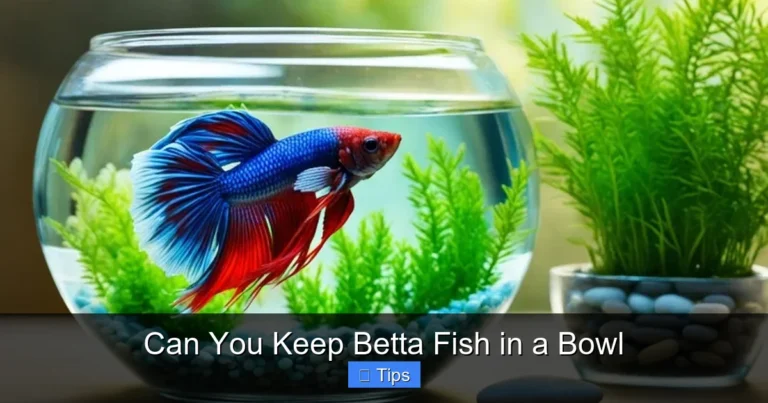
So, you’ve got a beautiful, feisty betta fish in a tank, and you’re thinking about adding a fascinating, algae-munching pleco to the mix. It’s a common and appealing idea—the betta’s vibrant colors and personality paired with the pleco’s unique look and janitorial skills. But the big question, the one that keeps aquarists up at night, is: can pleco fish live with betta fish? The honest answer is: it’s a definite maybe, with a heavy emphasis on the “maybe.” This isn’t a simple yes or no. It’s a nuanced answer that hinges on one critical principle: your betta’s personality is the boss.
Betta fish, or Siamese fighting fish, are famously territorial, especially the males. They have a strong instinct to defend their space from anything they perceive as a rival or a threat. A pleco, with its different body shape and bottom-dwelling nature, isn’t always seen as a typical competitor. However, a curious betta might harass a slow-moving pleco, and an assertive betta will guard its favorite plants or hiding spots with gusto. The pleco, for its part, is generally not aggressive but can be stressed by constant harassment, leading to a suppressed immune system and disease. Therefore, successful pleco and betta fish cohabitation is less about the species getting along and more about creating an environment where they can simply ignore each other. This requires the right pleco, the right tank, and the right setup. Let’s dive deep into the specifics.
Key Takeaways
- Not All Plecos Are Equal: Avoid the “Common Pleco” (Hypostomus plecostomus). Opt for smaller, reclusive species like the Bristlenose, Clown, or Rubber Lip pleco, which stay under 6 inches and are less likely to provoke a betta.
- Tank Size is Non-Negotiable: The absolute minimum is a 20-gallon long tank, but a 29-gallon or larger is strongly recommended to provide ample space and territory for both fish, reducing aggression.
- Hiding Spots Are Mandatory: The pleco must have multiple, secure hiding places (caves, driftwood, dense plants) to feel safe from a curious or territorial betta, especially during the day when bettas are most active.
- Water Quality Must Be Impeccable: Both species produce significant waste. A powerful filtration system (canister or hang-on-back) and regular water changes (25-50% weekly) are essential to maintain low ammonia and nitrate levels.
- Observe Personalities Closely: Betta temperament varies wildly. You must watch for signs of persistent chasing, fin-nipping, or the pleco being barred from its hiding spots. Be prepared to separate them if aggression occurs.
- Feeding Requires Strategy: Bettas are surface feeders; plecos are bottom feeders. Use sinking wafers or blanched vegetables for the pleco after the betta is distracted, ensuring the betta doesn’t consume all the pleco’s food.
- Never Introduce a Juvenile Pleco to a Small Tank: A small pleco will grow. A 20-gallon is the *starting* size for a compatible pair, not a long-term home for a pleco that will outgrow it, leading to poor health and water quality.
📑 Table of Contents
- Understanding the Betta: The Territorial Boss
- The Pleco Problem: Size Matters More Than You Think
- Tank Setup: The Foundation for Peace
- Water Parameters and Maintenance: The Unsexy but Vital Part
- Feeding: Avoiding the “Steal and Starve” Scenario
- The Introduction Process & Troubleshooting
- Conclusion: A Rewarding but Demanding Pair
Understanding the Betta: The Territorial Boss
Before even considering a pleco companion, you must have a crystal-clear understanding of your betta’s individual temperament. Generalizations are dangerous. Some bettas are docile, floating lazily among plants. Others will flare at their own reflection and attack anything that moves within their perceived domain.
Assessing Your Betta’s Personality
Watch your betta in its current tank. Does it flare at you when you approach? Does it constantly patrol the same perimeter? Does it attack the filter output or a decorations? These are signs of a highly territorial individual. A betta that is calm, explores the tank, and only occasionally flares is a much better candidate for a tankmate. If your betta is a known “nasty” or aggressive fish, adding any tankmate is a significant risk, and a pleco that might inadvertently cross its path is no exception. The goal is to find a pleco that lives a completely different life—primarily at the bottom, in the dark—so the betta barely registers its presence.
The Pleco Problem: Size Matters More Than You Think
This is the single biggest mistake beginners make. When they think “pleco,” they picture the iconic, armored, algae-eating catfish. But the fish sold as “Common Pleco” or “Plecostomus” in most big-box stores is usually Hypostomus plecostomus. This is a critical piece of knowledge. The Common Pleco is not a small fish. It is a powerhouse that routinely reaches 12-24 inches in length. It produces an enormous amount of waste, requires a massive tank (think 75+ gallons), and has a voracious appetite that goes far beyond algae. Putting this species in a tank with a betta is a recipe for disaster. The pleco will quickly outgrow the tank, foul the water, and its size alone could intimidate or be seen as a threat by the betta.
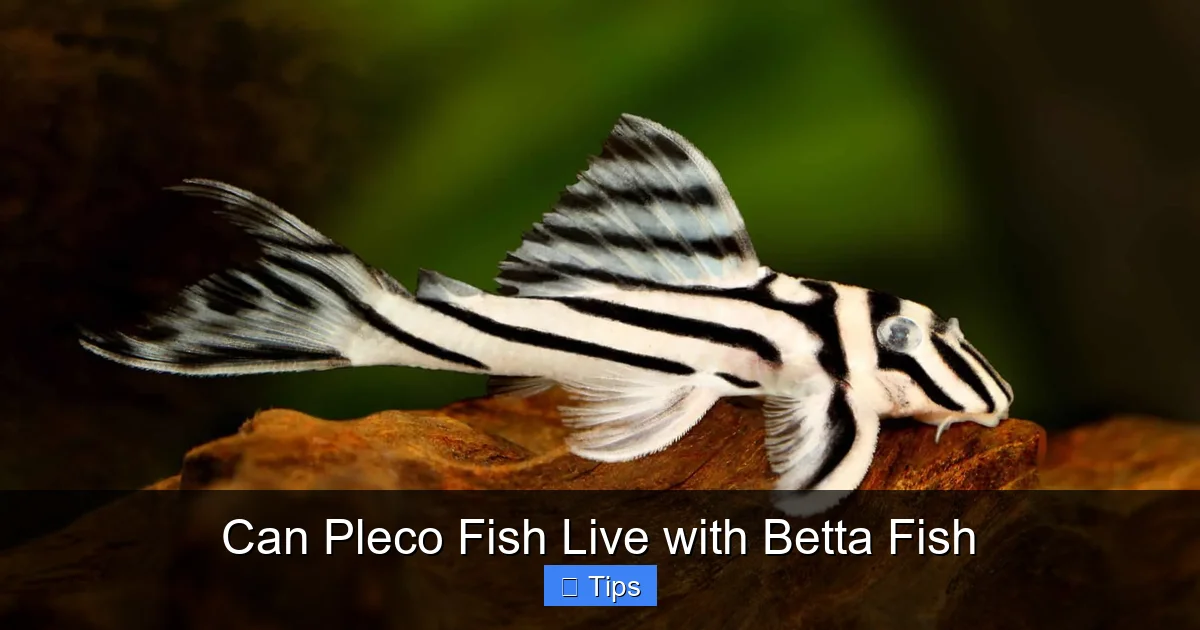
Visual guide about Can Pleco Fish Live with Betta Fish
Image source: fishlaboratory.com
The Right Pleco Species for a Betta Tank
You need a pleco that is small, reclusive, and has a low-impact bioload. Here are your best candidates, listed in approximate order of suitability:
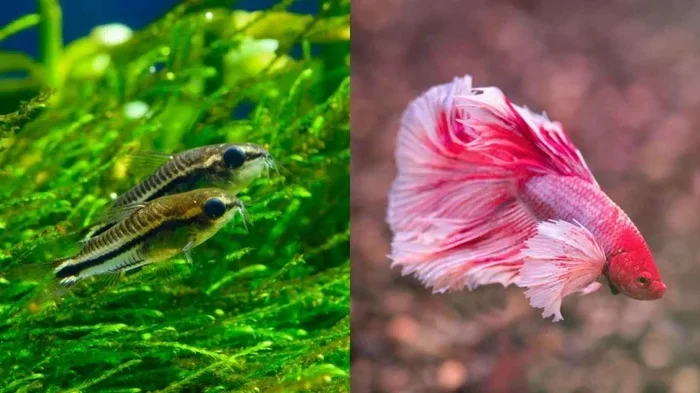
- Bristlenose Pleco (Ancistrus sp.): The gold standard for a betta companion. Males have distinctive facial bristles. They max out at 4-5 inches, are primarily nocturnal, and are excellent at cleaning algae without being overly messy. They are hardy and readily available.
- Rubber Lip Pleco (Chaetostoma sp.): Another excellent choice. They are even more reclusive and shy than Bristlenoses, often hiding completely during the day. They stay around 4-6 inches and have a specialized mouth for scraping algae from rocks and glass.
- Clown Pleco (Panaqolus maccus): A smaller, more colorful Loricariid. They grow to about 3.5-4 inches and are known for their striped pattern. They are less effective algae eaters but are fascinating to watch as they chew on driftwood (they require wood in their diet).
- Butterfly Pleco (Dekeyseria sp.): A stunning, flat-bodied pleco that clings to rocks. They stay small (4-5 inches) and are very peaceful. They are more sensitive to water conditions, making them a choice for a more experienced hobbyist with excellent filtration.
Avoid at all costs: Common Pleco, Leopard Frog Pleco (can be aggressive), most Panaque species (large, messy), and any pleco labeled simply as “Plecostomus” unless you know its exact species and adult size.
Tank Setup: The Foundation for Peace
Assuming you’ve chosen a compatible, small pleco species, the tank setup is your next—and most important—line of defense. The goal is to break the line of sight between the betta and the pleco and provide the pleco with a fortress of security.

Visual guide about Can Pleco Fish Live with Betta Fish
Image source: articles.hepper.com
Size and Dimensions: Go Big or Go Home
The absolute, bare-minimum tank size for a betta and a small pleco is a 20-gallon long tank. The “long” designation is crucial because it provides more horizontal swimming space at the mid and bottom levels, which is where the pleco will live. A 20-gallon tall tank is not suitable. Ideally, you should be looking at a 29-gallon, 30-gallon breeder, or larger. This extra volume dilutes waste, provides more territory, and makes it easier to create distinct zones. A larger tank is always more forgiving and less stressful for both fish.
The Art of Aquascaping for Two Personalities
Your aquascape must cater to a surface-dwelling, mid-level fish (betta) and a secretive, bottom-dwelling fish (pleco).
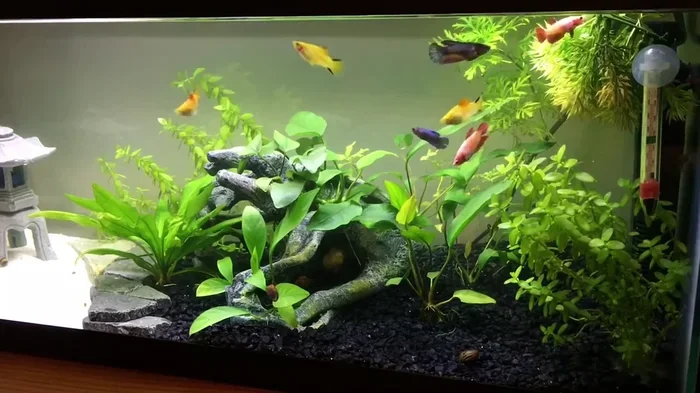
- Driftwood is Non-Negotiable: For many plecos, especially the Clown pleco, driftwood is a dietary staple. Even for Bristlenoses, it provides essential fiber and hiding places. Large, branched pieces of Malaysian or Manzanita driftwood create perfect caves and overhangs.
- Caves and Hiding Spots: Provide multiple, pleco-sized caves. These can be commercial ceramic caves, halved coconut shells, or carefully arranged stacks of slate or river rocks. The pleco must have at least two or three options so it doesn’t feel trapped.
- Dense Planting: Use live plants like Java fern, Anubias, Cryptocoryne, and Amazon swords. These plants grow thick leaves that provide cover at the mid-level, breaking the betta’s line of sight to the bottom. Floating plants like Frogbit or Salvinia are also excellent, as they create a dim, shaded canopy that plecos love and calm bettas by reducing reflections.
- Substrate: Sand or fine, smooth gravel is best. Avoid sharp gravel that can damage a pleco’s sensitive barbels. Sand mimics their natural habitat and allows them to forage safely.
Filtration: Handling the Bioload
A pleco, even a small one, adds significant waste. Your filtration must be robust. A hang-on-back (HOB) filter rated for a tank much larger than yours (e.g., a filter rated for a 40-gallon on a 20-gallon tank) is a good start. For ultimate performance and quiet operation, a canister filter is the best investment. Ensure the filter intake has a sponge pre-filter to prevent the pleco’s fins or the betta’s flowing fins from being sucked in. Water flow should be moderate; plecos prefer calmer areas.
Water Parameters and Maintenance: The Unsexy but Vital Part
Both bettas and plecos are sensitive to poor water quality. Bettas are labyrinth fish that can gulp air, but they still thrive in clean water. Plecos are messy and produce a lot of ammonia. The combination means you cannot slack on maintenance.
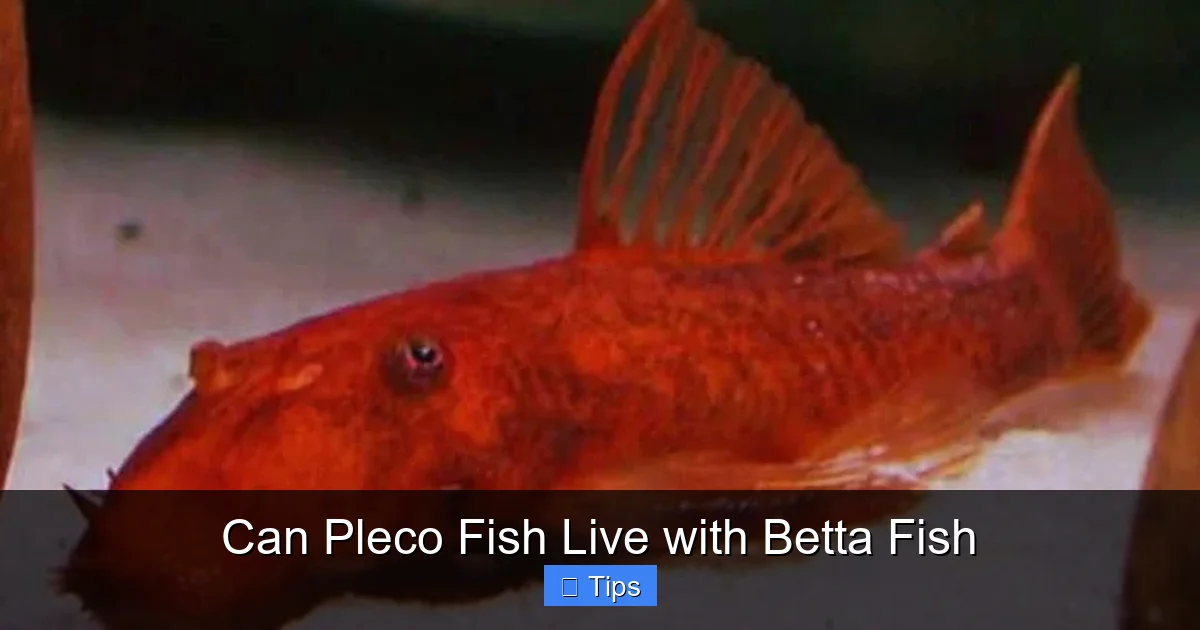
Visual guide about Can Pleco Fish Live with Betta Fish
Image source: fishlaboratory.com
Ideal Water Conditions
Stable parameters are more important than hitting an exact number, but aim for:
- Temperature: 76-80°F (24-27°C). This is a perfect overlap for both species.
- pH: 6.5-7.5. Slightly acidic to neutral is ideal.
- Hardness (GH): 5-15 dGH.
- Ammonia & Nitrite: 0 ppm.
- Nitrate: < 20 ppm is the goal. With a pleco, you may need to work harder to keep nitrates this low.
A Maintenance Routine You Can’t Skip
With this stocking combination, a weekly water change of 25-50% is not a suggestion; it’s a requirement. Use a gravel vacuum to thoroughly clean the substrate, especially in areas where the pleco frequents, as waste accumulates there. Test water parameters weekly with a liquid test kit. Clean filter media (rinse in old tank water, not tap water) monthly. This rigorous routine is what prevents the “mystery illness” that often befalls overstocked or poorly maintained tanks with messy fish.
Feeding: Avoiding the “Steal and Starve” Scenario
This is a daily operational challenge. Bettas are surface feeders with a tiny mouth. Plecos are bottom feeders with a sucker mouth. If you drop a pellet or a bloodworm on the surface, the betta will devour it in seconds. The pleco will get nothing. Conversely, if you put a pleco wafer on the bottom, a curious betta might investigate but won’t eat it. The problem is timing and food theft.
Feeding Strategy
Feed your betta first. Use a high-quality betta pellet or frozen food. Once the betta is distracted and full (this takes 2-3 minutes), immediately drop in one or two sinking pleco wafers (like Hikari Algae Wafers or Repashy Superfoods) directly into a pleco’s hiding spot or near a piece of driftwood. You can also offer blanched zucchini, cucumber, or spinach on a vegetable clip. The pleco needs more than just algae; it needs vegetable matter and some protein. Feed the pleco once daily, preferably at night when the betta is less active, using an auto-feeder if necessary to ensure it gets its meal.
The Introduction Process & Troubleshooting
How you introduce the pleco is as important as the setup itself. Never just drop the pleco in.
The Proper Introduction
1. Quarantine: Always quarantine the new pleco for at least 4-6 weeks in a separate tank to check for parasites (like ich) or bacterial infections. Plecos are notorious carriers.
2. Acclimate: Float the bag in the display tank for 15-20 minutes to equalize temperature. Then, perform a drip acclimation over 1-2 hours to slowly introduce the new tank’s water parameters.
3. Release at Night: Turn off the tank lights and use a net to transfer the pleco from the bag to the tank. Release it directly into or near one of its pre-placed hiding spots. This reduces immediate visibility and stress for both fish.
4. Observe from a Distance: For the first few days, watch from across the room. Do not hover over the tank. Use a cardboard barrier if you need to look closely. Look for signs of persistent chasing (betta following pleco for more than a few seconds), the pleco being trapped out of its hiding spots, or the pleco constantly hiding and not coming out to eat.
Red Flags and When to Separate
If you see any of the following, the pairing is failing and you must be prepared to rehome one fish:
- The betta relentlessly chasing the pleco, causing it to flee and hide constantly.
- The betta biting at the pleco’s fins or body.
- The pleco not coming out to eat for more than 48 hours after introduction (some hiding is normal, but complete anorexia is not).
- The pleco’s color fading (a sign of extreme stress).
- The betta becoming more aggressive overall, flaring at everything in the tank.
If aggression is mild and temporary (a few curious flares for the first day or two), it may settle. But chronic, high-stress situations will lead to a sick pleco and an overly stressed betta.
Conclusion: A Rewarding but Demanding Pair
So, can pleco fish live with betta fish? For the dedicated aquarist who does their homework, the answer is yes, it can be a rewarding combination. The mesmerizing, slow-motion grazing of a Bristlenose pleco on a piece of driftwood can be a fantastic contrast to the betta’s vibrant, active presence. However, this is not a beginner’s community tank. It is a carefully managed biotope for two very different personalities. Success is built on choosing the right pleco—small, reclusive, and appropriate for your tank’s ultimate size. It is built on providing a spacious, heavily decorated tank with unbeatable water quality. It is built on vigilant observation and a willingness to intervene if things go south. If you can commit to those standards, you have a chance to create a beautiful, peaceful, and fascinating aquatic display. If you cannot guarantee a 29-gallon long tank, impeccable filtration, and a pleco species that won’t outgrow its home, then the kindest choice is to keep your betta solo or research other, less demanding tankmates. The betta’s well-being, and the pleco’s, depend on it.
Frequently Asked Questions
Can I put a Common Pleco with my Betta in a 10-gallon tank?
Absolutely not. A Common Pleco will rapidly outgrow a 10-gallon tank, produce excessive waste that will foul the water, and its large size will almost certainly intimidate and stress a betta. This combination is doomed to fail and is inhumane for both fish.
My Betta flares at the new pleco constantly. What should I do?
Constant flaring and chasing are signs of failed compatibility. First, ensure the tank is large enough and the pleco has multiple, immediate hiding spots it can retreat to. If the betta is blocking access to these spots, the pleco is in danger. Be prepared to rehome the pleco to a separate, species-only tank if the harassment doesn’t cease within a few days.
Do plecos actually eat betta food or betta poop?
Plecos do not eat betta poop as a primary food source. While they might nibble on it, they require proper nutrition from sinking wafers, algae, and blanched vegetables. Relying on leftover betta food or poop will lead to a malnourished pleco. You must actively feed the pleco its own diet.
How long do plecos live with bettas?
If the pairing is successful and all tank conditions are optimal, both fish can live their full lifespans together. Bettas typically live 2-4 years, while small plecos like Bristlenoses can live 10+ years. This is a long-term commitment to a specific tank setup and maintenance routine.
Will a pleco clean my betta’s waste and keep the tank algae-free?
No. While plecos are known for eating algae, they are not a substitute for proper tank maintenance. They will not significantly reduce your water change schedule. Furthermore, they produce a lot of waste themselves, often offsetting any cleaning they do. You must still vacuum the gravel and scrub algae manually.
What’s the absolute minimum tank size for a Betta and a Bristlenose Pleco?
The absolute minimum is a 20-gallon long tank. However, a 29-gallon breeder tank is the strong recommendation. This provides the horizontal space and water volume necessary to dilute the pleco’s bioload and establish distinct territories, giving both fish the best chance at coexisting without stress.