Is Betta Fish Good for Home Vastu

Betta fish can be a Vastu‑friendly addition when positioned correctly, kept in a clean, well‑maintained tank, and paired with soothing colors. Follow simple placement rules and care basics to invite calm, prosperity, and good energy into your home.
Key Takeaways
- Understanding is betta fish good for home vastu: Provides essential knowledge
📑 Table of Contents
- Introduction: Betta Fish and Vastu – A Friendly Pair?
- Why a Betta Fish Fits Vastu Principles
- Best Placement for a Betta Aquarium According to Vastu
- Setting Up the Perfect Vastu‑Friendly Betta Tank
- Daily Care Routine That Supports Vastu Balance
- Integrating the Betta Tank with Overall Home Vastu
- Common Mistakes and How to Fix Them
- Conclusion: Bringing Harmony Home with a Betta
Introduction: Betta Fish and Vastu – A Friendly Pair?
Vastu Shastra, the ancient Indian science of architecture, teaches us how to arrange our living spaces to attract health, wealth, and happiness. While many think of furniture, colors, and directions, a living element like a fish can also play a powerful role. The vibrant betta (or Siamese fighting fish) is a popular pet because of its striking colors and low‑maintenance nature. But is betta fish good for home Vastu? The short answer is yes—provided you respect a few simple placement and care rules.
In this article we’ll explore why a betta can boost Vastu energy, where to keep the tank, how to set it up for optimal flow, and practical tips to keep both fish and home thriving. Think of it as a friendly chat over a cup of tea, with plenty of easy‑to‑follow advice.
Why a Betta Fish Fits Vastu Principles
Living water as a symbol of abundance
Water is a cornerstone of Vastu. It represents wealth, fluidity, and the flow of positive chi. A clean aquarium mirrors a calm pond, inviting steady prosperity. The betta’s graceful fins add movement without chaos, making it an ideal “living water” element.
Visual guide about Is Betta Fish Good for Home Vastu
Image source: 3dwarehouse.sketchup.com
Colors that harmonize with the five elements
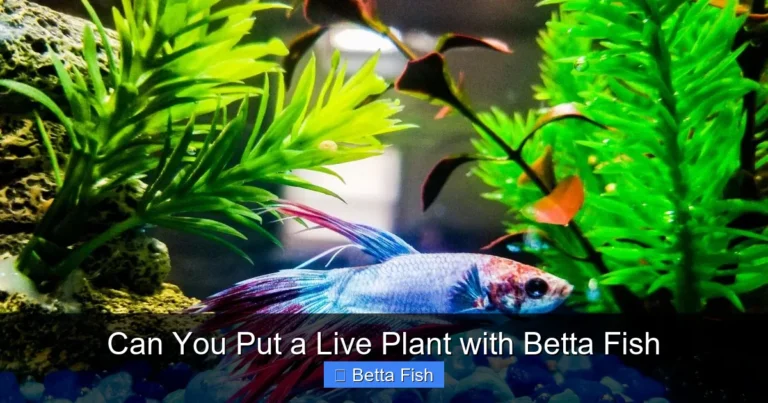
Betta fish come in a rainbow of hues—bright reds, calming blues, warm oranges, and soothing greens. Each color aligns with a Vastu element:
- Red & orange: Fire element – boosts energy and courage.
- Blue & green: Water & earth – promotes peace and stability.
- Yellow: Air – enhances communication.
Choosing a color that matches your room’s dominant element can amplify the intended effect.
Low‑maintenance, low‑stress companion
Unlike large ponds or noisy fountains, a betta needs only a modest tank, regular water changes, and a balanced diet. This simplicity means fewer disturbances to the home’s energy flow, a key Vastu consideration.
Best Placement for a Betta Aquarium According to Vastu
North‑East (Ishaan) – The ideal spot
The north‑east corner is ruled by the element of water and is considered the most auspicious area for a fish tank. Placing the betta here invites wealth, clarity of mind, and harmonious relationships.

Visual guide about Is Betta Fish Good for Home Vastu
Image source: st3.depositphotos.com
East or South‑East – Alternative options
If the north‑east is unavailable, the east (associated with sunrise and new beginnings) or south‑east (fire element) are good alternatives. In the south‑east, choose a blue‑green betta to balance the fire energy.
What to avoid
- South‑West: This corner is linked to earth and stability; a water element here can cause imbalance.
- Direct sunlight: Overheats the water and creates excess energy, leading to agitation.
- Mirrors opposite the tank: Reflects energy outward, weakening the calming effect.
Setting Up the Perfect Vastu‑Friendly Betta Tank
Choosing the right size
Even though bettas can survive in small bowls, Vastu favors a spacious, clean environment. A minimum of 2‑gallon (about 7.5 liters) tank is recommended. For more room to swim and better water stability, a 5‑gallon tank works even better.

Visual guide about Is Betta Fish Good for Home Vastu
Image source: zkbaice.cn
Tank shape and material
Clear glass or acrylic tanks with smooth edges are best. Avoid sharp corners or aggressive décor that could create “sharp” energy. Rounded corners help the chi flow gently around the tank.
Live plants and natural décor
Live plants not only improve water quality but also add the earth element, grounding the water’s energy. Good choices include Java fern, Anubias, and Marimo moss balls. Place a few stems in the background and a small leaf‑type plant near the front for visual balance.
Lighting and color harmony
Soft, indirect lighting works best. A warm white LED that mimics sunrise keeps the betta relaxed and supports the water element. If your home’s dominant color is cool (blue or gray), choose a betta with matching tones to maintain harmony.
Water temperature and quality
Betta fish are tropical and thrive at 78‑80°F (25‑27°C). Use a reliable heater and a thermometer to keep the temperature steady. For water type, dechlorinated tap water or filtered water works well. Perform a partial water change (about 25%) once a week to keep the environment fresh and the Vastu energy clear.
Daily Care Routine That Supports Vastu Balance
Feeding the betta mindfully
Offer high‑quality betta pellets or frozen brine shrimp twice a day, only as much as they can eat in two minutes. Over‑feeding clouds the water and creates stagnant energy.
Weekly maintenance checklist
- Test water parameters (pH 6.5‑7.5, ammonia 0 ppm).
- Replace 25 % of the water with fresh, conditioned water.
- Trim dead plant leaves.
- Wipe the glass gently to remove algae.
Consistent care keeps the fish healthy and the home’s chi flowing smoothly.
Observing the betta’s behavior
A happy betta flares its fins, swims actively, and eats well. Signs of stress—such as faded colors, clamped fins, or frequent hiding—indicate water or placement issues that need correction.
Integrating the Betta Tank with Overall Home Vastu
Complementary colors and décor
Surround the tank with natural fabrics (cotton or linen) in soft earth tones. Avoid metallic or overly bright décor that could create harsh energy.
Balancing the five elements
Since the betta represents water, add a small earthen pot or wooden sculpture nearby to bring the earth element into balance. A gentle wind chime (air) can be placed on the opposite side to complete the five‑element circle.
Clutter‑free zone
Keep the area around the tank tidy. A cluttered space traps negative energy and defeats the purpose of adding a living water element.
Common Mistakes and How to Fix Them
Using a bowl or tiny container
While a bowl may look cute, it quickly becomes dirty and stagnant, generating negative vibes. Upgrade to a proper tank and watch the Vastu benefits improve.
Placing the tank under heavy furniture
Heavy items block the flow of chi. Ensure the tank sits on a stable, open surface, preferably a low table or stand.
Ignoring water temperature fluctuations
Temperature swings create restless energy for both fish and occupants. Use a reliable heater and avoid placing the tank near drafts or heating vents.
Conclusion: Bringing Harmony Home with a Betta
When cared for properly and placed in the right spot, a betta fish can be a vibrant, living embodiment of Vastu’s water element. Its colors, gentle movement, and low‑maintenance nature make it an excellent tool for inviting prosperity, calm, and positive energy into any room. By following the placement guidelines, maintaining clean water, and pairing the tank with complementary décor, you’ll not only enjoy a healthy, happy fish but also enhance the overall harmony of your home.
So, is betta fish good for home Vastu? Absolutely—when you respect the ancient principles and give your finned friend the care it deserves, the betta becomes a tiny, shimmering ambassador of good fortune.
Frequently Asked Questions
Can I keep a betta fish in a glass bowl and still follow Vastu?
While a bowl is possible, Vastu recommends a clear tank of at least 2 gallons for better water stability and energy flow. A proper tank supports both the fish’s health and the home’s positive chi.
What direction should I face the betta tank?
Place the tank so the front faces east or north‑east. This orientation aligns the water element with the sunrise, enhancing prosperity and clarity.
How often should I change the water to keep Vastu energy balanced?
A weekly 25 % water change is ideal. It keeps the water clear, prevents stagnation, and maintains a steady flow of positive energy.
Do live plants improve Vastu benefits?
Yes. Live plants add the earth element, grounding the water’s energy. Options like Java fern and Anubias are both fish‑friendly and Vastu‑supportive.
Is there a specific betta color that works best for Vastu?
Choose a color that matches the room’s dominant element: reds and oranges for fire‑rich spaces, blues and greens for water‑or earth‑focused areas. The right hue enhances the overall harmony.
Can I have other fish with my betta and still keep Vastu balance?
Betta fish are territorial, so it’s best to keep them alone. Adding non‑aggressive, similarly sized species can disrupt the water element’s calm, so a single betta is the safest Vastu choice.