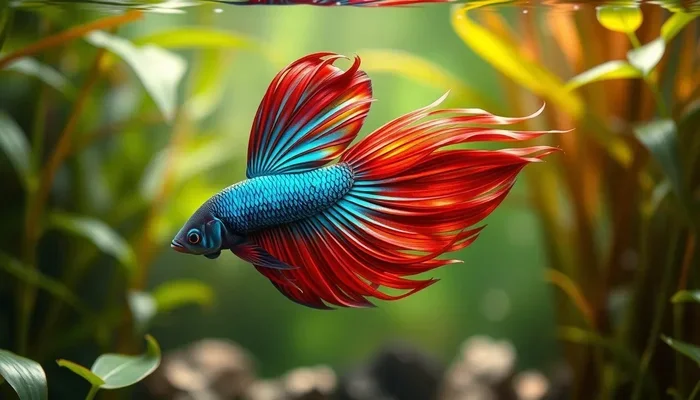
How to Look After Betta Fish

Looking after betta fish is easier than you think. With the right tank, diet, and daily care, your colorful companion will thrive for years.
Key Takeaways
- Proper tank size: A minimum of 5 gallons gives your betta room to swim and stay healthy.
- Stable water parameters: Keep temperature at 76‑82°F and pH around 6.5‑7.5.
- Balanced diet: Mix high‑quality pellets with occasional frozen or live foods.
- Regular maintenance: Change 25‑30% of water weekly and clean the tank to prevent disease.
- Enrichment matters: Plants, caves, and gentle currents keep bettas mentally stimulated.
- Watch for signs of illness: Early detection of fin rot or dropsy can save a life.
- Know your fish’s gender: Males are brighter and have longer fins; females are shorter and less flamboyant.
📑 Table of Contents
Introduction
Betta fish, also called Siamese fighting fish, are a favorite for beginners and seasoned aquarists alike. Their vivid colors and flowing fins make them look like living artwork. Yet many owners think bettas can survive in tiny bowls with no filtration. The truth is a little more nuanced. By learning how to look after betta fish properly, you give them a life that’s not just longer, but richer.
In this guide we’ll walk through everything you need: choosing the right tank, setting up water conditions, feeding, cleaning, and spotting health problems. Think of it as a friendly chat over a cup of coffee, with practical tips you can start using today.
1. Setting Up the Perfect Home
Tank size and shape
The biggest myth is that a betta can live happily in a 2‑liter bottle. In reality, a 5‑gallon (19‑liter) tank is the sweet spot. It provides enough swimming space, dilutes waste, and makes temperature control easier. A rectangular tank works best because it offers a longer horizontal run for your fish to explore.

Visual guide about How to Look After Betta Fish
Image source: athome.co.jp
Choosing the right filter
Betta fish prefer calm water, so a gentle sponge filter or a low‑flow hang‑on‑back filter is ideal. The flow should be weak enough that the betta can rest without being constantly pushed around. If you’re using a stronger filter, add a driftwood or a piece of PVC to break up the current.
Substrate, décor, and plants
Fine sand or smooth gravel mimics the fish’s natural riverbed. Live plants such as Java fern or Anubias not only look great but also help absorb nitrates. If live plants are not an option, silk plants are safe; avoid plastic leaves that can tear delicate fins.
Lighting and temperature
Betta fish enjoy a regular day‑night cycle. A 10‑hour light period followed by 14 hours of darkness works well. Keep the water temperature steady between 76°F and 82°F (24‑28°C) using an adjustable aquarium heater. A thermometer clipped to the tank wall is a simple way to monitor temperature.
For a step‑by‑step guide on tank setup, see our article How To Set Up Betta Fish Tank.
2. Water Quality – The Heart of Betta Care
Understanding the nitrogen cycle
When you first fill the tank, beneficial bacteria need time to colonize the filter media. This process, called cycling, converts toxic ammonia → nitrite → nitrate. Test kits for ammonia, nitrite, and nitrate are inexpensive and worth the investment.

Visual guide about How to Look After Betta Fish
Image source: data.ac-illust.com
Ideal water parameters
- Temperature: 76‑82°F (24‑28°C)
- pH: 6.5‑7.5 (slightly acidic to neutral)
- Hardness: 3‑4 dGH (soft water)
- Ammonia & nitrite: 0 ppm
- Nitrate: Below 20 ppm
Water changes
Changing 25‑30% of the water each week keeps nitrate levels low and removes dissolved organics. Use a water conditioner to neutralize chlorine and chloramines. When you change water, match the temperature and pH of the new water to the tank water to avoid stress.
Need a refresher on water changes? Check out How To Change Betta Fish Water.
3. Feeding Your Betta the Right Way
What to feed
High‑quality betta pellets should make up the bulk of the diet. Look for pellets with at least 40% protein and no artificial dyes. Supplement with frozen or live foods 2‑3 times a week—bloodworms, daphnia, or brine shrimp are excellent choices.

Visual guide about How to Look After Betta Fish
Image source: cdn.ibispaint.com
How much and how often
Feed 2‑3 small pellets once or twice daily. The rule of thumb: what they can eat in 2 minutes is enough. Overfeeding leads to cloudy water and health issues like constipation.
Special feeding tips
- Fasting day: Give your betta a day off once a week to clear its digestive system.
- Use a feeding cup: It helps you control portion size and keeps pellets from scattering.
- Observe behavior: A healthy betta will dart to the food and eat eagerly.
For more feeding ideas, read How To Feed Betta Fish.
4. Daily and Weekly Care Routine
Daily checks
Spend a few minutes each day looking at your fish. Look for:
- Bright, upright fins
- Clear eyes and steady swimming
- Normal appetite
If anything looks off, note it and investigate further.
Weekly tasks
- Perform a 25‑30% water change.
- Scrub algae from the glass with a soft pad.
- Check filter media; rinse if it looks clogged (do this in tank water to preserve bacteria).
- Test water parameters with a kit.
Monthly deep clean
Every 4‑6 weeks, remove decorations, scrub the substrate, and replace a portion of the filter media. This prevents buildup of waste that can trigger diseases like fin rot.
5. Keeping Your Betta Happy and Healthy
Enrichment ideas
Betta fish are intelligent and love to explore. Add:
- Floating logs or caves for hiding.
- Mirror toys for short periods (2‑3 minutes) to stimulate natural aggression without causing stress.
- Gentle water currents created by a small air stone.
Recognizing illness early
Common issues include:
- Fin rot: Frayed, white‑tipped fins. Treat with antibacterial medication and improve water quality.
- Dropsy: Swollen body and raised scales. It’s serious; see How To Treat Dropsy In Betta Fish for steps.
- Swim bladder disease: Difficulty staying upright. Adjust diet and consider fasting.
Always act quickly—early treatment dramatically improves outcomes.
Gender identification and social considerations
Male bettas are the flamboyant ones with long, flowing fins and brilliant colors. Females are shorter‑finned and may have a more muted hue. Knowing the gender helps you avoid housing two males together, which can lead to fighting.
Learn how to tell the gender with confidence in our guide How To Tell The Gender Of A Betta Fish.
6. Troubleshooting Common Problems
Cloudy water
Often caused by overfeeding or insufficient filtration. Perform a partial water change, reduce feeding, and clean the substrate.
White spots (ich)
Raise temperature gradually to 82°F and add a copper‑based medication. Increase water changes to help clear parasites.
Betta not eating
Check water temperature; bettas become sluggish below 76°F. Offer a favorite live food or a small piece of peeled shrimp to entice feeding.
Conclusion
Knowing how to look after betta fish transforms a simple pet into a vibrant, thriving companion. By providing a properly sized tank, stable water conditions, a balanced diet, and regular care, you set the stage for a healthy, happy betta that will brighten your space for years. Remember to watch for early signs of illness, keep the environment enriched, and enjoy the unique personality each betta brings. With these steps, you’re not just a fish owner—you’re a betta caretaker.
Frequently Asked Questions
How often should I change the water for my betta?
Change 25‑30% of the water weekly. This keeps nitrate levels low and prevents algae buildup.
Can bettas live in a bowl?
While bettas can survive in small bowls, they thrive best in a filtered tank of at least 5 gallons, which provides stable temperature and better water quality.
What is the best temperature for a betta fish?
Maintain water between 76°F and 82°F (24‑28°C). Use an aquarium heater and thermometer to keep it steady.
How do I know if my betta is sick?
Watch for faded colors, clamped fins, loss of appetite, or unusual swimming patterns. Early detection of issues like fin rot or dropsy is crucial.
Is it okay to keep male and female bettas together?
No. Male bettas are highly territorial and will fight. If you want a community, keep only females together or maintain a single male per tank.
What should I feed my betta besides pellets?
Supplement with frozen or live foods such as bloodworms, daphnia, or brine shrimp 2‑3 times a week for variety and nutrition.