How to Fix Popeye Betta Fish

Seeing a bulging, cloudy eye on your betta? This guide shows how to fix popeye betta fish by spotting causes, treating the infection, and preventing future problems. Follow the simple steps and keep your finned friend swimming happily again.
Key Takeaways
- Identify the cause: Water quality, injury, or infection are the top triggers of popeye in bettas.
- Immediate treatment: Saline baths, antibiotics, and proper tank maintenance can reverse symptoms quickly.
- Preventive care: Regular water changes and a balanced diet reduce the risk of recurring popeye.
- Watch for red flags: Swelling, loss of appetite, or unusual behavior may signal a deeper health issue.
- Seek expert help: If symptoms persist after 48‑72 hours, consult a vet or experienced aquarist.
- Link to related issues: Popeye often appears with swim‑bladder or fin‑rot problems, so treat the whole fish.
- Stay calm: Quick, gentle action gives your betta the best chance to recover.
📑 Table of Contents
- Introduction: When Your Betta Gets Popeye
- 1. Understanding Popeye: What’s Really Happening?
- 2. Quick Check: Is It Really Popeye?
- 3. Immediate Action: How to Fix Popeye Betta Fish
- 4. Preventing Future Popeye Outbreaks
- 5. When to Seek Professional Help
- 6. Long‑Term Care: Keeping Your Betta Happy and Healthy
- Conclusion
Introduction: When Your Betta Gets Popeye
If you’ve ever watched a betta flaunt its bright fins only to notice one eye looking swollen, cloudy, or sticking out, you’ve probably wondered, “how do I fix popeye betta fish?” Popeye, medically known as exophthalmia, isn’t just a cosmetic hiccup—it can signal infection, poor water, or injury. The good news is that with the right steps, most bettas bounce back.
In this article we’ll break down everything you need to know: the common causes, step‑by‑step treatment, and long‑term prevention. Think of it as a friendly chat over a cup of tea, just with more fish‑friendly tips.
1. Understanding Popeye: What’s Really Happening?
1.1 The anatomy of a betta’s eye
A betta’s eye is protected by a thin membrane and a small amount of fluid that helps it move smoothly. When that fluid builds up or gets infected, the eye bulges and looks cloudy—this is popeye.

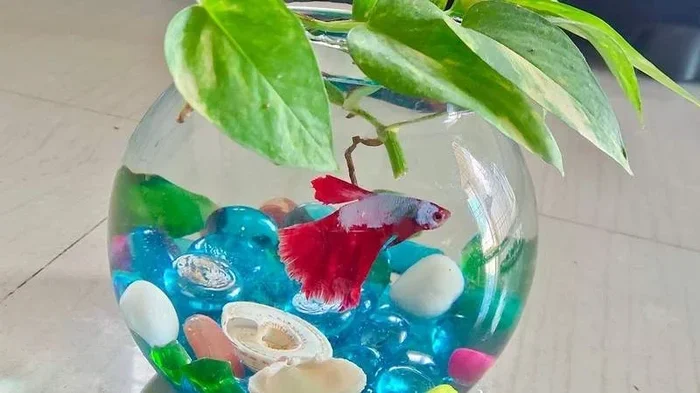
Visual guide about How to Fix Popeye Betta Fish
Image source: xiaohujing.com.cn
1.2 Why it occurs
- Water quality issues: High ammonia, nitrite, or a sudden pH shift can irritate the eye.
- Physical injury: Rough décor, aggressive tank mates, or even a stray finger can cause trauma.
- Bacterial or fungal infection: Pathogens enter through tiny scratches or a weakened immune system.
- Underlying health problems: Swim‑bladder disease or fin rot can weaken the fish, making popeye more likely.
Knowing the root cause helps you choose the right treatment, so keep an eye (pun intended) on water parameters and tank conditions.
2. Quick Check: Is It Really Popeye?
2.1 Spot the signs
Look for these tell‑tale signs:
- One eye appears larger or more protruding than the other.
- The eye looks cloudy, whitish, or yellowish.
- Swelling around the eye may be visible.
- The fish may rub the eye against the glass or décor.
2.2 Differentiate from other eye problems
Popeye is distinct from “cloudy eye” caused by poor diet or minor irritation. If the eye is just a little hazy but not bulging, focus on nutrition first. For genuine popeye, you’ll need a more aggressive approach.
3. Immediate Action: How to Fix Popeye Betta Fish
3.1 Prepare a quarantine tank
Set up a small, bare‑bottom tank (2–3 gallons) with a heater set to 78‑80°F (25‑27°C). Use a gentle filter or a sponge filter to keep water moving without a strong current.

Visual guide about How to Fix Popeye Betta Fish
Image source: i.pinimg.com
3.2 Perform a saline bath
Mix a non‑iodized sea‑salt solution (1 teaspoon of salt per gallon of water). Let the betta soak for 10‑15 minutes once a day for three days. The saline helps reduce swelling and draws out excess fluid.
3.3 Start antibiotic treatment
If you suspect a bacterial infection, add a broad‑spectrum aquarium antibiotic (e.g., Maracyn or API Melafix) according to the package directions. Treat for at least 5‑7 days, even if the eye looks better early on.
3.4 Keep water pristine
Change 25‑30% of the quarantine water daily with fresh, dechlorinated water. Test for ammonia, nitrite, and nitrate; keep them at 0 ppm, 0 ppm, and under 20 ppm respectively.
3.5 Nutrition boost
Offer high‑quality betta pellets, frozen or live brine shrimp, and occasional daphnia. Vitamin‑rich foods help the immune system recover faster.
4. Preventing Future Popeye Outbreaks
4.1 Maintain optimal water conditions
Regular water changes (20‑30% weekly) and a reliable filtration system are the backbone of prevention. Use a water test kit to monitor parameters weekly.
4.2 Choose safe décor
Avoid sharp ornaments, rough rocks, or anything that could scratch the delicate eye. Smooth ceramic caves and live plants are great alternatives.
4.3 Reduce stress
Betta fish are territorial. Keep the tank size at least 5 gallons, provide hiding spots, and avoid placing mirrors or other bettas that trigger aggression.
4.4 Keep an eye on related health issues
Since popeye can appear alongside swim‑bladder problems or fin rot, watch for floating, upside‑down swimming, or ragged fins. Early detection of these issues can stop popeye before it starts.
For detailed steps on swim‑bladder care, see our guide on how to fix swim bladder in betta fish. If you notice fin damage, read how to fix fin rot in a betta fish for treatment tips.
5. When to Seek Professional Help
5.1 Red flags that need a vet
- Swelling does not improve after 72 hours of treatment.
- The eye becomes black, pus‑filled, or the fish stops eating.
- Multiple eyes are affected, indicating a systemic infection.
In these cases, a qualified aquatic veterinarian can prescribe stronger antibiotics or suggest humane euthanasia if the fish’s suffering is severe.
6. Long‑Term Care: Keeping Your Betta Happy and Healthy
6.1 Routine tank maintenance
Stick to a schedule: weekly water changes, monthly substrate vacuuming, and bi‑weekly filter cleaning. Consistency prevents the buildup of harmful compounds.
6.2 Balanced diet
Feed 2‑3 small meals per day, only what your betta can eat in 2 minutes. Overfeeding leads to constipation, which can also affect eye health. For more on diet, check out how to feed betta fish.
6.3 Monitoring behavior
A healthy betta is active, flares its fins, and explores the tank. Regularly observe swimming patterns, appetite, and coloration. Early detection of any change can save your fish from serious illness.
Conclusion
Finding popeye on a betta can be alarming, but with quick, gentle action you can often reverse the condition. By identifying the cause, treating with saline baths and antibiotics, and maintaining pristine water, you give your betta the best chance to heal. Remember to keep an eye on related health issues, practice regular tank maintenance, and seek professional help if the problem persists. Your dedication will not only fix popeye betta fish now, but also prevent future eye troubles, ensuring a vibrant, active companion for years to come.
Frequently Asked Questions
What causes popeye in betta fish?
Popeye is usually caused by poor water quality, physical injury, or bacterial/fungal infection. It can also appear alongside swim‑bladder disease or fin rot.
Can I treat popeye at home?
Yes. A combination of a saline bath, appropriate antibiotics, and strict water maintenance often resolves the issue within a week.
How long does it take for a betta’s eye to return to normal?
Most bettas show improvement after 3‑5 days of treatment. Full recovery can take up to two weeks, depending on severity and care quality.
Is popeye contagious to other fish?
If caused by a bacterial infection, it can spread in a crowded or unfiltered tank. Quarantining the affected fish helps protect tank mates.
Should I change the entire tank water when I see popeye?
Partial water changes (25‑30% daily) are more effective than a full change. They keep beneficial bacteria while removing toxins that irritate the eye.
When should I consider euthanasia for a betta with popeye?
If the eye remains swollen, black, or pus‑filled after 48‑72 hours of proper treatment, or if the fish stops eating and shows severe distress, humane euthanasia may be the kindest option.