Wondering how to find betta fish age? By observing fin condition, coloration, growth patterns, and behavior, you can estimate a betta’s years with confidence. This guide breaks down each sign and offers practical tips for accurate age guessing.
Key Takeaways
- Fin quality matters: Younger bettas have crisp, vibrant fins; older fish show fraying or loss.
- Color intensity fades with age: Bright, sharp hues usually belong to juveniles, while muted tones hint at maturity.
- Growth rate slows: Rapid length increase in the first months levels off after 6‑12 months.
- Behavior clues: Playful, active swimming indicates youth; slower, more settled movement suggests older age.
- Health history helps: Past illnesses or injuries can give clues about how long a fish has lived.
- Record keeping is key: Keeping a simple log when you acquire a betta makes future age estimates easier.
- Internal resources: Use related guides—like how to tell the gender of a betta fish—to refine your overall care plan.
📑 Table of Contents
Introduction: Why Knowing Your Betta’s Age Matters
Betta fish are more than just pretty faces in a bowl; they’re living companions that respond to how we care for them. When you know how old your betta is, you can tailor feeding schedules, tank conditions, and health checks to match its life stage. This not only keeps the fish comfortable but also helps you spot age‑related problems before they become serious.
Unlike mammals, bettas don’t come with a birth certificate. Instead, we rely on visual cues, growth patterns, and a bit of detective work. In this article you’ll learn step‑by‑step how to find betta fish age, what signs to look for, and how to keep a record that makes future estimates a breeze.
1. Understanding Betta Life Stages
1.1 Fry (0‑4 weeks)
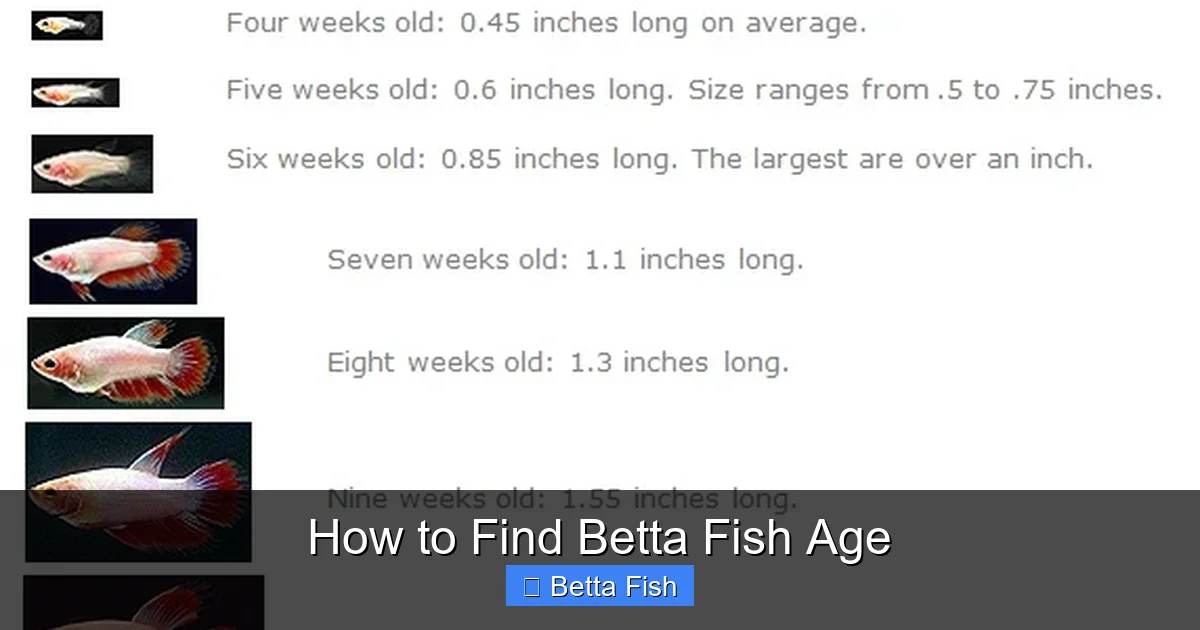
Betta fry are tiny, translucent, and lack the vivid colors of adults. They stay hidden among plants and need very gentle water flow. At this stage, age is easy to gauge because the fish are just a few days old.
Visual guide about How to Find Betta Fish Age
Image source: nippyfish.net
1.2 Juvenile (1‑3 months)
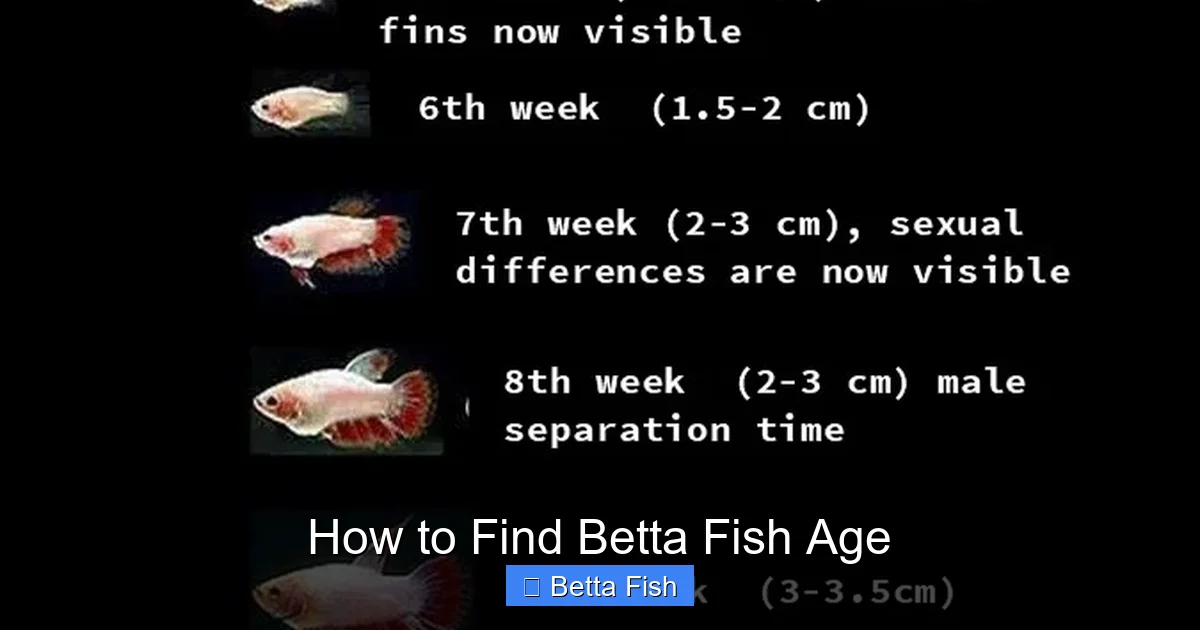
During the juvenile phase, rapid growth occurs. Fins stretch, colors brighten, and the fish becomes more visible. You’ll notice a noticeable increase in length each week.
1.3 Adult (4‑12 months)
Most bettas reach full size between four and six months. Colors are at their peak, and fins are fully developed. This is the “prime” period where the fish is most active and displays typical courting behavior.
1.4 Senior (12+ months)
After a year, growth slows dramatically. Fins may start to look ragged, colors can dull, and the fish may swim more slowly. Senior bettas often need gentler water changes and a diet richer in easy‑to‑digest proteins.
2. Visual Clues to Estimate Age
2.1 Fin Condition
Fresh, bright fins are a hallmark of youth. As bettas age, the fin rays can become frayed or develop small tears. Look for:
Visual guide about How to Find Betta Fish Age
Image source: japanesefightingfish.org
- Sharp, clean edges – likely under 6 months.
- Minor fraying or split tips – 6‑12 months.
- Significant raggedness or missing sections – over a year.
2.2 Color Saturation
Younger bettas often sport the most intense blues, reds, and purples. Over time, pigments fade. If the fish looks “washed out,” it’s probably in the senior stage. Keep in mind that genetics also affect color, so compare with a known‑age sibling if possible.
2.3 Body Size and Shape
Measure from snout to the base of the tail. An adult male typically reaches 2.5‑3 inches, while females are slightly smaller. If your betta is still under 2 inches after three months, it may be a slower grower or a juvenile.
2.4 Scale Texture
Young bettas have smooth, tightly packed scales. Older fish may develop a slightly rougher texture, especially around the dorsal area. A gentle touch (with clean hands) can help you feel this difference.
3. Behavioral Indicators
3.1 Activity Level
Juveniles dart around the tank, exploring every corner. Adults are active but more purposeful, often displaying flaring when excited. Seniors tend to glide slowly and may rest more often on the tank bottom.

Visual guide about How to Find Betta Fish Age
Image source: wallpaperaccess.com
3.2 Feeding Response
Younger bettas are voracious eaters, often gobbling pellets in seconds. An older betta may take longer to recognize food or prefer smaller portions. Adjust feeding frequency accordingly.
3.3 Social Interactions
If you have more than one betta (in a divided tank), younger fish are more likely to engage in playful chases, while older fish may ignore each other or show mild aggression.
4. Using Health History to Refine Your Estimate
4.1 Past Illnesses
Records of dropsy, fin rot, or swim‑bladder issues can give clues about age. For example, a betta that survived a bout of fin rot at six months is now at least that old. Learn more about treating dropsy in betta fish here.
4.2 Injuries and Recovery
A healed fin tear that still shows a faint scar indicates the fish has lived through a recovery period, adding months to its age estimate.
4.3 Breeding Records
If you know the fish has successfully bred, you can assume it is at least 4‑6 months old, as bettas typically need that time to reach sexual maturity.
5. Practical Steps to Accurately Record Age
5.1 Keep a Simple Log
When you first acquire a betta, note the date, source, and any visible traits (fin condition, color). Update the log monthly with any changes you observe. A spreadsheet or a notebook works fine.
5.2 Take Regular Photos
Photograph your betta from the same angle every two weeks. Side‑by‑side comparisons make subtle color fading and fin wear easy to spot.
5.3 Use a Reference Guide
Compare your fish to age‑specific photos in reputable guides. Our article on how to tell the age of a betta fish provides visual benchmarks for each life stage.
5.4 Cross‑Check With Gender
Male bettas often develop longer, more elaborate fins earlier than females. Knowing the gender (see how to tell the gender of a betta fish) can fine‑tune your age estimate.
6. Adjusting Care Based on Estimated Age
6.1 Tank Setup
Younger bettas thrive in slightly warmer water (78‑80°F) to boost metabolism, while seniors prefer the lower end of the range (76‑78°F). Ensure the tank has gentle flow and plenty of hiding spots.
6.2 Feeding Adjustments
Feed juveniles 2‑3 times daily with high‑protein pellets. Adults can be fed twice a day, and seniors may need smaller, more frequent meals to aid digestion.
6.3 Health Monitoring
Regular water changes (about 25% weekly) are vital for all ages, but seniors benefit from slightly more frequent changes to reduce toxin buildup.
Conclusion
Finding betta fish age isn’t an exact science, but with careful observation of fins, color, size, behavior, and health history, you can make a reliable estimate. Keep a simple log, snap regular photos, and refer to trusted resources to sharpen your skills. Knowing the age of your betta empowers you to provide the right diet, tank conditions, and medical care, ensuring a vibrant, happy companion for years to come.
Frequently Asked Questions
How can I tell if my betta is a juvenile or an adult?
Juveniles grow quickly, have slightly translucent bodies, and often lack full coloration. Adults display vivid colors, fully developed fins, and a stable size around 2.5‑3 inches.
Do male and female bettas age differently?
Both sexes age at similar rates, but males usually develop longer fins earlier, which can make them look older sooner. Knowing the gender helps fine‑tune age estimates.
Can water temperature affect how fast my betta ages?
Warmer water (78‑80°F) speeds up metabolism and growth in young bettas, while cooler water (76‑78°F) can prolong the senior stage. Keep temperature steady to avoid stress.
What if my betta’s fins look frayed but it’s only a few months old?
Frayed fins can result from poor water quality or aggressive tank mates. Improve filtration, perform regular water changes, and ensure the tank is appropriately sized.
How often should I update my betta’s age log?
Record observations at least once a month. If you notice major changes—like a new injury or a significant color shift—add a note right away.
Is there a way to know the exact age of a betta bought from a store?
Exact ages are rarely provided, but ask the retailer for the date of arrival or hatch. Combine that info with visual clues to get a close estimate.

