Knowing how to differentiate between male and female betta fish is essential for proper care and breeding. This guide breaks down the key physical and behavioral differences, offers practical identification tips, and helps you avoid common mistakes. Start spotting the signs today and give your bettas the best environment possible.
Key Takeaways
- Fin shape matters: Males have long, flowing fins; females have shorter, rounded fins.
- Body size clues: Females are generally plumper and broader, especially when gravid.
- Color intensity: Males display brighter, more vivid colors than females.
- Behavioral hints: Males are territorial and flare often; females are less aggressive.
- Egg spot presence: Mature females develop a visible ovipositor spot near the vent.
- Age factor: Young bettas may look alike; wait 3‑4 weeks for reliable differences.
- Use reliable resources: Refer to trusted guides such as How To Differentiate Male And Female Betta Fish for detailed illustrations.
📑 Table of Contents
- Introduction: Why Knowing the Difference Matters
- 1. Physical Characteristics You Can See at a Glance
- 2. Behavioral Indicators That Reveal Gender
- 3. Age and Development: When Differences Become Clear
- 4. Practical Tips for Accurate Identification
- 5. Common Mistakes and How to Avoid Them
- 6. What to Do Once You’ve Identified the Sex
- Conclusion: Mastering the Art of Sexing Your Betta
Introduction: Why Knowing the Difference Matters
Betta fish are beautiful, spirited companions, but they come in two distinct sexes that behave very differently. If you’ve ever wondered whether the flashy swimmer in your tank is a male or a female, you’re not alone. Getting the gender right can prevent accidental fights, improve breeding success, and help you choose the right tank setup.
In this friendly, step‑by‑step guide we’ll walk you through the visual cues, behavioral patterns, and even a few scientific facts that let you confidently differentiate between male and female betta fish. By the end, you’ll be able to glance at any betta and say, “That’s a male,” or “That’s a female,” with ease.
1. Physical Characteristics You Can See at a Glance
Fin Length and Shape
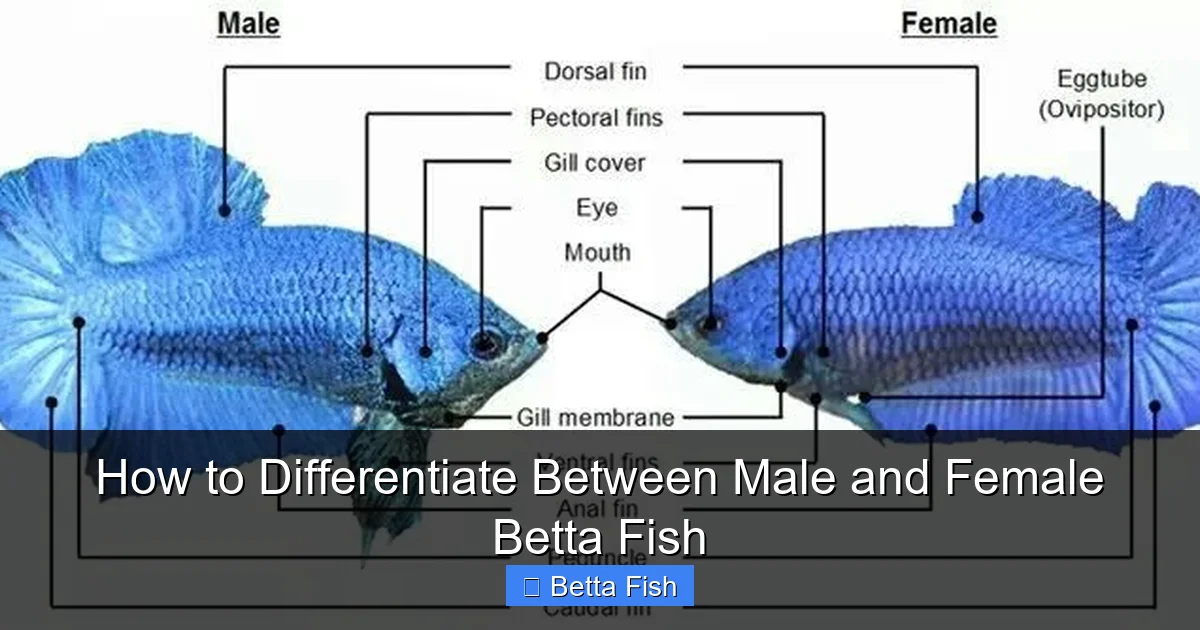
The most obvious clue is the fins. Male bettas grow long, flowing fins that can look like a silk veil. The dorsal (top) fin, caudal (tail) fin, and especially the anal fin are elongated and often dramatically frilled. Female fins are noticeably shorter and more rounded, giving a compact look.

Visual guide about How to Differentiate Between Male and Female Betta Fish
Image source: ekk4j69ebaa.exactdn.com
Body Width and Shape
Females tend to have a broader, more “egg‑shaped” body, especially when they are mature and ready to spawn. Males are slimmer and more streamlined, built for displaying and territorial defense.
Color Vibrancy
Male bettas are the show‑off artists of the species. Their colors are brighter, with deep blues, reds, and iridescent greens that can change with mood. Female colors are usually softer—pale blues, pastel reds, or even a muted bronze.
Presence of an Egg Spot (Ovipositor)
Look near the vent (the tiny opening at the base of the anal fin). Mature females develop a small, white or pale spot called the ovipositor. It’s where they release eggs during spawning. Males never develop this spot.
Examples and Quick Checks
- Example 1: A betta with a massive, veil‑like tail and bright electric blue coloration is almost certainly a male.
- Example 2: A fish with a short, paddle‑shaped tail, a slightly rounded belly, and a faint white spot near the vent is a female.
2. Behavioral Indicators That Reveal Gender
Territorial Aggression
Male bettas are fiercely territorial. They will flare their gills, puff up their fins, and chase any other fish that enters their visual field. Females are less aggressive and can often share a tank with other peaceful community fish when given enough space.
Visual guide about How to Differentiate Between Male and Female Betta Fish
Image source: s-media-cache-ak0.pinimg.com
Breeding Displays
When a male is ready to breed, he builds a bubble nest at the water surface and performs an elaborate courtship dance—flaring, swimming in circles, and showing off his fins. Females will respond by becoming more subdued and may show the egg spot as they prepare to lay eggs.
Feeding Habits
Both sexes love food, but you might notice a male taking a more dominant position at the surface, especially if the tank is crowded. Females often feed more quietly and may hover lower in the water column.
3. Age and Development: When Differences Become Clear
Juvenile Stage (First 2‑3 Weeks)
When bettas are just a few weeks old, they look almost identical. Fins are short, and colors are muted. At this stage, it’s safest to wait until they are at least three weeks old before trying to sex them.

Visual guide about How to Differentiate Between Male and Female Betta Fish
Image source: hitachizosen.co.jp
Adolescent Stage (3‑4 Weeks)
By the fourth week, males typically begin to develop longer fins and brighter colors. Females may start to show a slightly fuller body shape. Observing behavior—like a male’s tendency to flare—can also help.
Adult Stage (5+ Weeks)
Once the fish are five weeks old, the sex differences are usually unmistakable. The male’s fins will be fully elongated, the color will be vivid, and the female’s ovipositor spot will be visible if she is mature.
4. Practical Tips for Accurate Identification
Use a Clear, Calm Observation Environment
Place the tank under good lighting and watch the fish for a few minutes without startling them. A calm environment reduces stress, which can mask or exaggerate certain traits.
Take Side‑by‑Side Photos
Capture clear photos of the fish from the side and top. Compare fin length, body shape, and color intensity side‑by‑side. Photo evidence is especially useful if you’re buying a betta online and need to verify the seller’s claim.
Check the Egg Spot Gently
If you suspect a female, look for the tiny white spot near the vent. You can use a magnifying glass if needed. Be gentle—do not stress the fish.
Observe Interaction with Other Betta(s)
If you have more than one betta, watch how they interact. A male will aggressively defend his space, while a female will usually stay more passive. However, never house two males together; the aggression can be fatal.
Reference Trusted Guides
For visual learners, detailed diagrams are invaluable. Websites like How To Tell If Betta Fish Are Male Or Female provide side‑by‑side photos that make identification a breeze.
5. Common Mistakes and How to Avoid Them
Relying on Color Alone
While males are generally brighter, some females can display strong colors, especially certain fancy strains. Always cross‑check fin shape and body form.
Assuming All Fancy Betta Varieties Follow the Same Rules
Fancy bettas (e.g., “Plakat,” “Halfmoon,” “Rambo”) have unique fin shapes that can blur the typical male‑female distinctions. In these cases, the egg spot and behavior become more reliable indicators.
Misreading Juvenile Signs
Young bettas often have similar appearances. Jumping to conclusions before the 3‑week mark can lead to misidentification and potential aggression later on.
Ignoring Tank Conditions
Poor water quality can cause stress, leading to faded colors and abnormal behavior. Ensure your tank is properly cycled, filtered, and heated to 78‑80°F (25‑27°C) before attempting to sex your fish.
6. What to Do Once You’ve Identified the Sex
Setting Up a Male‑Only Tank
If you have a male, provide plenty of vertical space, plenty of hiding spots, and a sturdy lid (males love to jump). A bubble nest should be encouraged with a gentle surface current.
Housing a Female or a Group of Females
Females can coexist peacefully in a larger, well‑planted tank. A “sorority” of 4‑5 females works well if the tank is at least 20 gallons, giving each fish enough territory.
Preparing for Breeding
When you have a confirmed male and female, set up a separate breeding tank with soft, filtered water, plants, and a flat surface for egg laying. The male will build a bubble nest; the female will release eggs, and the male will fertilize them. For a deeper dive into breeding, see How To Reproduce Betta Fish.
Monitoring Health After Identification
After you’ve sorted the sexes, keep an eye on each fish’s health. Look for signs of fin rot, dropsy, or stress. Early detection helps keep your bettas thriving.
Conclusion: Mastering the Art of Sexing Your Betta
Learning how to differentiate between male and female betta fish is a rewarding skill that enhances both the beauty of your aquarium and the wellbeing of your fish. By observing fin shape, body size, color intensity, the presence of an egg spot, and distinct behaviors, you can accurately determine gender in most cases. Remember to be patient with juveniles, keep water conditions optimal, and use reliable resources when in doubt.
Armed with this knowledge, you’ll avoid costly mistakes—like housing two aggressive males together—and you’ll be ready to set up a thriving community or a successful breeding pair. Happy fish‑keeping!
Frequently Asked Questions
How can I tell if my betta is a male or female just by looking at its fins?
Males have long, flowing fins that often trail behind them, while females have shorter, more rounded fins. The difference is most noticeable in the dorsal and anal fins.
Do male bettas always have brighter colors than females?
Generally, yes. Males display vivid, intense colors to attract mates and defend territory. However, some fancy females can also be quite colorful, so check fin shape too.
What is the egg spot and why is it important?
The egg spot, or ovipositor, is a small white or pale patch near the vent of a mature female. It’s where eggs are released during spawning and is a reliable sign of a female.
Can I keep a male and a female betta together in the same tank?
Yes, but only in a well‑set up breeding tank with plenty of space and a bubble nest. In a regular community tank, they may become aggressive. See Can You Keep Male And Female Betta Fish Together for details.
At what age can I reliably sex my betta fish?
Most bettas can be accurately sexed after about three to four weeks of age, when fin development and coloration become distinct.
What should I do if I’m still unsure about my betta’s gender?
Observe behavior over a few days, look for the egg spot, and compare photos with trusted guides. If uncertainty remains, consult an experienced breeder or a local aquarium specialist.

