How to Cure Nitrate Poisoning in Betta Fish
Nitrate poisoning can quickly stress a betta, but simple water changes, proper filtration, and regular testing can turn the tide. Follow this friendly guide to identify symptoms, treat the problem, and prevent future spikes so your finned friend stays vibrant and active.
Key Takeaways
- Identify early signs: Gasping, lethargy, and faded colors often signal nitrate overload.
- Test water regularly: Keep nitrate levels below 20 ppm to avoid chronic stress.
- Partial water changes are vital: Replacing 25‑50% of tank water each week drops nitrates fast.
- Use live plants or bio‑media: They naturally absorb nitrates and improve water quality.
- Maintain a clean tank: Remove waste, clean substrate, and avoid over‑feeding to prevent nitrate spikes.
- Monitor other parameters: Ammonia, nitrite, pH, and temperature must stay in safe ranges.
- Prevent re‑occurrence: Set a routine schedule for testing, cleaning, and feeding.
📑 Table of Contents
- Introduction: Why Nitrate Matters for Betta Fish
- Understanding Nitrate: The Science in Simple Terms
- Spotting the Symptoms of Nitrate Poisoning
- Step‑by‑Step Treatment Plan
- Preventing Future Nitrate Buildup
- When Nitrate Is Not the Only Problem
- Putting It All Together: A Sample 7‑Day Recovery Calendar
- Conclusion: A Healthy Betta Starts with Clean Water
Introduction: Why Nitrate Matters for Betta Fish
Betta fish are beautiful, but they are also sensitive to water quality. One of the most common culprits behind a sick betta is nitrate poisoning. Nitrate (NO₃⁻) is the end product of the nitrogen cycle, and while a little bit is normal, too much can turn a healthy tank into a toxic environment.
In this article we’ll walk through everything you need to know: how to spot the warning signs, how to treat an existing problem, and how to keep nitrate levels low for the long term. Think of it as a conversation with a friend who just discovered her betta is gasping at the surface – you’ll have the answers she needs right now.
Understanding Nitrate: The Science in Simple Terms
How Nitrate Forms
When you feed your betta, uneaten food and waste produce ammonia (NH₃). Beneficial bacteria called Nitrosomonas convert ammonia into nitrite (NO₂⁻), and another group called Nitrobacter turns nitrite into nitrate. Nitrate is far less toxic than ammonia or nitrite, but it can still stress a fish when it builds up.
Visual guide about How to Cure Nitrate Poisoning in Betta Fish
Image source: i.ytimg.com
Safe Nitrate Levels for Bettas
Most experts recommend keeping nitrate below 20 ppm (parts per million) for bettas. Below 10 ppm is ideal, especially for young or breeding fish. Anything above 40 ppm can cause chronic health issues, and levels over 80 ppm may lead to acute poisoning.
Why Bettas Are Particularly Vulnerable
Bettas are surface‑dwellers. They gulp air from the water’s surface, so high nitrate concentrations affect their gills directly. Moreover, bettas often live in smaller tanks or bowls where nitrate can accumulate quickly.
Spotting the Symptoms of Nitrate Poisoning
Physical Signs to Watch
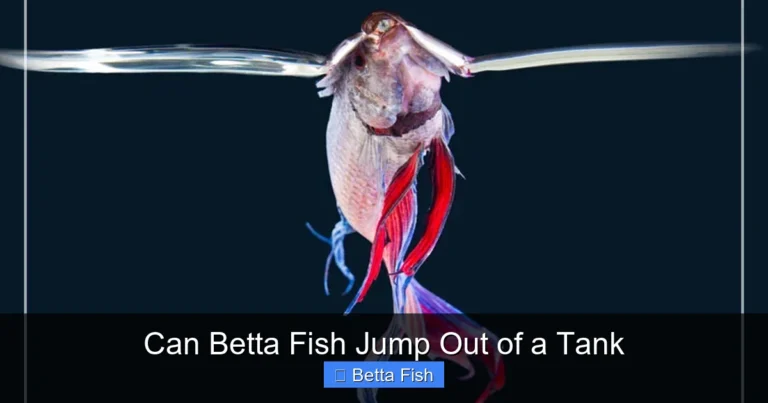
- Gasping at the surface: The fish appears to be “breathing” heavily.
- Lethargy: Reduced activity, staying at the bottom, or hiding.
- Faded coloration: Bright reds and blues become dull.
- Loss of appetite: Refuses to eat or eats very little.
- Clamped fins: Fins stay close to the body instead of spreading.
Behavioral Changes
Unlike ammonia poisoning, nitrate does not usually cause frantic swimming or rapid death, but the subtle decline can be easy to miss. If you notice a combination of the above signs, run a nitrate test immediately.
Visual guide about How to Cure Nitrate Poisoning in Betta Fish
Image source: cdn.analyticsvidhya.com
Step‑by‑Step Treatment Plan
1. Test the Water
Use a liquid test kit or test strips to measure nitrate levels. Record the reading and compare it to the safe range. If it’s above 20 ppm, treatment is needed.
Visual guide about How to Cure Nitrate Poisoning in Betta Fish
Image source: kobipets.com
2. Immediate Partial Water Change
Replace 25‑50% of the tank water with dechlorinated water that matches the tank’s temperature and pH. A larger change (up to 75%) may be required for extreme levels.
Tip: Use a siphon to remove water from the substrate as well – this pulls out trapped waste that constantly releases nitrates.
3. Add Nitrate‑Reducing Elements
- Live plants: Java fern, Anubias, and Amazon sword absorb nitrates as they grow.
- Seachem Prime or a similar water conditioner: These bind ammonia but also help reduce stress from nitrates.
- Adsorbent media: Products like API Nitra‑Zero can be placed in the filter to pull nitrates out of the water.
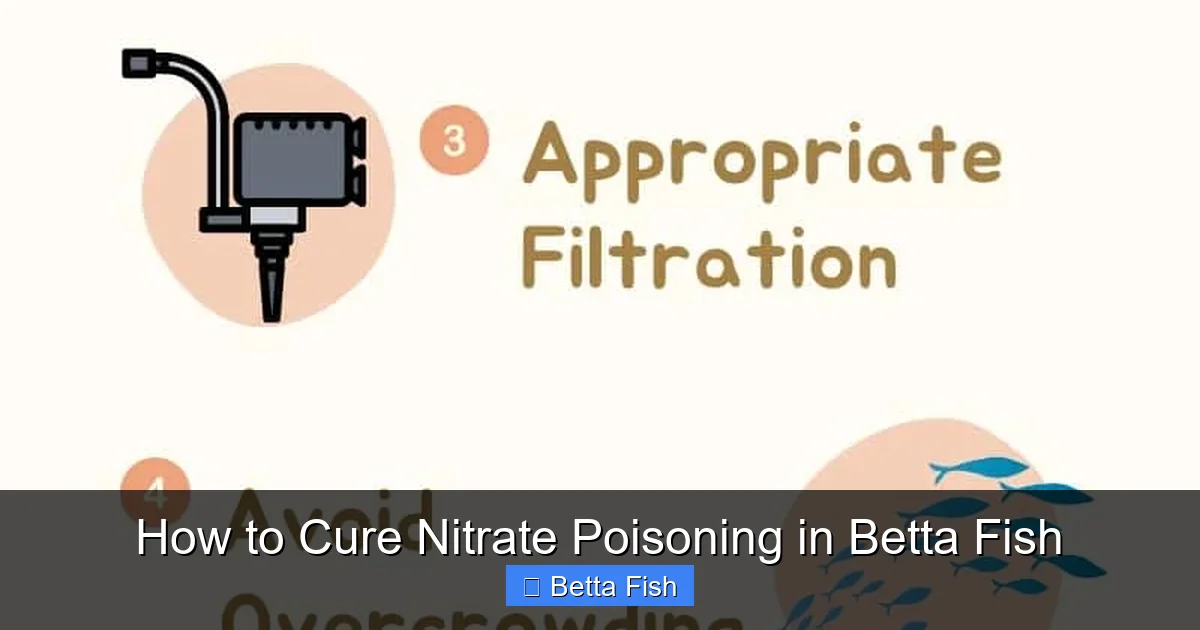
4. Increase Filtration Efficiency
Upgrade to a filter with a larger surface area for bio‑media. More beneficial bacteria mean faster conversion of any remaining nitrite to nitrate, and a healthier overall cycle.
5. Reduce Feeding and Clean the Tank
Feed a small amount of high‑quality betta pellets once or twice a day for a few days. Remove any uneaten food after 5 minutes. Scrub the glass, wipe the decorations, and vacuum the substrate to eliminate hidden waste.
6. Monitor and Repeat
Retest nitrate after 24‑48 hours. If it’s still high, repeat the partial water change. Continue this cycle until readings are consistently below 20 ppm.
7. Consider a Short‑Term Nitrate Detox
For severe cases, a short‑term dip in a 1‑gallon “hospital” container with clean, low‑nitrate water can give the betta relief while you work on the main tank.
Preventing Future Nitrate Buildup
Establish a Regular Testing Routine
Test nitrate, ammonia, and nitrite weekly. Keep a log to notice trends before they become problems.
Maintain Consistent Water Changes
Changing 25% of the water every week is a gold standard for bettas. If you have a heavily stocked tank, increase to 30‑40%.
For step‑by‑step instructions on how to change water correctly, see our guide on how to change water in a betta fish tank.
Use a Proper Filtration System
A sponge filter or hang‑on‑back filter with ample bio‑media works well for small betta setups. Avoid strong currents – bettas prefer gentle flow.
Control Feeding Amounts
Only feed what your betta can eat in 2‑3 minutes. Over‑feeding is the #1 cause of nitrate spikes.
Add Live Plants or Nitrate‑Absorbing Media
Plants not only lower nitrates but also provide hiding spots and improve oxygen levels. If plants aren’t an option, consider adding a piece of driftwood or a nitrate‑absorbing pad.
Quarantine New Additions
Any new fish, plants, or decorations should be quarantined for at least two weeks. This prevents the introduction of extra waste or disease that could upset the nitrogen cycle.
When Nitrate Is Not the Only Problem
Sometimes nitrate poisoning appears alongside other issues like ammonia spikes or diseases. If your betta shows signs of fin rot, dropsy, or ich, treat those conditions concurrently.
For example, if you notice white spots or ragged fins, read our article on how to cure fin rot in betta fish for targeted treatment.
Similarly, if you suspect ammonia is also high, follow the steps in how to cure betta fish ammonia poisoning before focusing solely on nitrates.
Putting It All Together: A Sample 7‑Day Recovery Calendar
| Day | Action | Notes |
|---|---|---|
| 1 | Test water, perform 30% water change | Start with dechlorinated water at same temperature. |
| 2 | Feed half‑ration, add live plant cuttings | Observe fish behavior. |
| 3 | Test nitrate, repeat 25% water change if >20 ppm | Clean substrate with siphon. |
| 4 | Check filter media, rinse gently | Replace filter cartridge if clogged. |
| 5 | Feed normal portion, monitor appetite | Remove uneaten food promptly. |
| 6 | Test again, perform 20% water change | Goal: nitrate <20 ppm. |
| 7 | Maintain regular 25% weekly change | Log results; set long‑term schedule. |
Conclusion: A Healthy Betta Starts with Clean Water
Nitrate poisoning may sound scary, but with a few simple habits you can keep your betta thriving. Test regularly, change water consistently, feed wisely, and give your tank a little help from plants or specialized media. By following the steps above, you’ll not only cure an existing nitrate problem but also build a preventive routine that keeps your betta’s colors bright and its spirit lively for years to come.
Frequently Asked Questions
How quickly can nitrate poisoning kill a betta?
Acute poisoning can cause death within a few days if nitrate levels exceed 80 ppm, but most cases lead to gradual health decline over weeks.
Can I use a water conditioner to remove nitrates?
Most conditioners neutralize chlorine and ammonia, not nitrates. However, some products contain additives that help reduce stress while you lower nitrates through water changes.
Are there any foods that help lower nitrate levels?
Feeding high‑quality, low‑protein pellets reduces waste. Adding small amounts of frozen or live foods occasionally is fine, but avoid over‑feeding.
Will adding more fish increase nitrates?
Yes. More fish produce more waste, which raises ammonia and, eventually, nitrate. Keep stocking low for a betta‑only tank.
Is a larger tank better for preventing nitrate buildup?
Absolutely. Bigger water volume dilutes waste, making it easier to keep nitrates in the safe range.
Can I use a UV sterilizer to control nitrates?
UV sterilizers kill free‑floating microbes but do not remove nitrates. They are useful for disease control, not nitrate reduction.