How to Breed Giant Betta Fish

Breeding giant betta fish is rewarding but requires careful planning, a proper environment, and attention to detail. This guide walks you through selecting the right parents, setting up a breeding tank, spawning, and raising fry so you can enjoy spectacular, healthy giants in your aquarium.
Key Takeaways
- Choose proven giant betta parents: Look for size, temperament, and strong colors.
- Set up a dedicated breeding tank: Use a shallow, well‑filtered tank with proper temperature and water parameters.
- Condition both fish: High‑quality live foods and a gradual increase in temperature trigger spawning.
- Monitor the spawning process: Watch for bubble nests, courtship behavior, and protect the fry from the parents.
- Raise fry with consistent feeding: Use infusoria, microworms, and finely crushed pellets during the first weeks.
- Maintain water quality: Frequent water changes prevent disease and support rapid growth.
- Patience pays off: Giant bettas grow slower than standard bettas, so give them time to reach full size.
📑 Table of Contents
Introduction: Why Breed Giant Betta Fish?
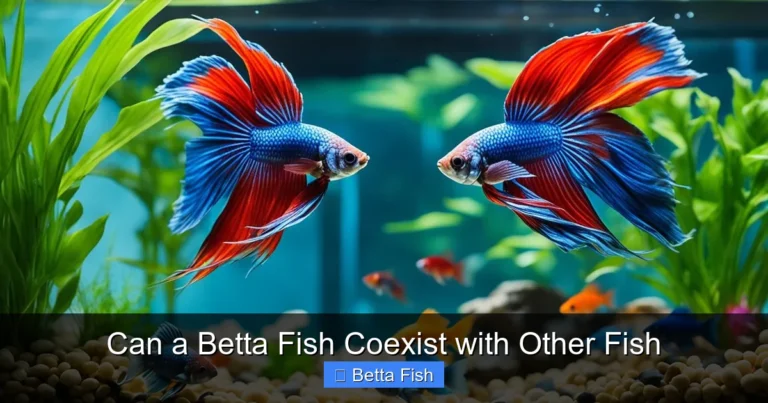
If you love bettas, you’ve probably admired the impressive size and vivid colors of giant betta fish. These beauties can grow up to 4‑5 inches, double the length of a regular betta. Breeding them yourself not only lets you create a personal line of stunning fish but also helps preserve strong genetics.
In this friendly guide we’ll cover everything you need to know to breed giant betta fish successfully. Think of it as a chat with a fellow hobbyist—simple language, short steps, and plenty of practical tips.
1. Selecting the Right Giant Betta Parents
What Makes a Good Breeder?
The first step is choosing healthy, mature giants. Look for fish that are at least 4 months old and show strong, symmetrical fins. A good breeder will have:

Visual guide about How to Breed Giant Betta Fish
Image source: kensetsu.metro.tokyo.lg.jp
- Bright, even coloration without faded spots.
- Full, un‑torn fins that flutter easily.
- Active, confident swimming behavior.
Gender Identification
Knowing which fish is male and which is female is crucial. Males usually have longer, more elaborate fins and a broader, more pronounced belly when ready to breed. Females have a shorter, more rounded body and may develop a “gravid spot” near the vent. For a deeper dive on gender identification, see our article on how to tell the gender of a betta fish.
2. Preparing the Breeding Environment
Choosing the Right Tank
A dedicated breeding tank should be 5‑10 gallons, shallow (about 12‑15 cm deep), and equipped with a gentle sponge filter. The water should be soft (pH 6.0‑6.5) and warm (78‑80 °F or 25.5‑26.5 °C). Use a heater with a thermostat to keep the temperature steady.
Visual guide about How to Breed Giant Betta Fish
Image source: d1avenlh0i1xmr.cloudfront.net
Setting Up the Tank
Follow these steps to get the tank ready:
- Rinse the tank and all decorations with warm water—no soap.
- Lay a layer of fine gravel or a bare bottom to make cleaning easier.
- Place a piece of smooth slate or a breeding plug for the male to build his bubble nest.
- Install a low‑flow sponge filter and a heater.
- Condition the water with a water conditioner to remove chlorine and chloramines.
For a full tank‑setup guide, check out how to set up betta fish tank.
3. Conditioning the Breeders
Nutrition is Key
High‑quality live foods spark a breeding response. Offer the male and female a daily rotation of:

Visual guide about How to Breed Giant Betta Fish
Image source: veltra.com
- Live or frozen bloodworms.
- Daphnia.
- High‑protein brine shrimp.
Feed small amounts 2‑3 times a day for about two weeks. This “conditioning” phase builds stamina and improves color.
Temperature and Light
After conditioning, raise the tank temperature by 2‑3 °F for 48 hours. This mimics the rainy season and encourages spawning. Keep lighting moderate—about 10‑12 hours a day.
4. The Spawning Process
Courtship and Bubble Nest
The male will flare his fins, display his colors, and begin building a bubble nest on the surface. He may also perform “fin nipping” to show dominance. Once the nest is ready, the male will chase the female underneath it.
Egg Release and Fertilization
When the female is ready, she will release 100‑200 eggs, which the male immediately fertilizes. The male gathers the eggs in his mouth and places them in the bubble nest. This whole event usually lasts 30‑60 minutes.
Post‑Spawning Care
Immediately remove the female to prevent her from eating the eggs. Keep the male in the tank for 24‑48 hours to guard the nest. If the male shows signs of stress or starts eating the eggs, gently move him to a separate “safety” tank.
5. Raising the Fry
First Feeding (Day 1‑3)
Fry are tiny and need microscopic food. Prepare a starter culture of infusoria (tiny protozoa) and add a few drops to the water daily. Use a turkey baster to disperse the food gently.
Progressive Feeding (Day 4‑14)
- Day 4‑7: Add newly hatched microworms.
- Day 8‑14: Introduce finely crushed high‑quality betta pellets.
Feed small amounts 4‑5 times a day. Over‑feeding leads to water fouling, which can kill the fry.
Water Maintenance
Perform 25‑30 % water changes daily for the first two weeks. Use a siphon to remove uneaten food and waste without disturbing the fry.
Growth Milestones
Giant betta fry grow slower than regular bettas. Expect them to reach 1 inch after 4‑5 weeks and 2‑3 inches after 3‑4 months with proper care.
6. Common Problems and How to Solve Them
Fry Mortality
High fry loss often stems from poor water quality or inadequate feeding. Keep the water clean and maintain a consistent feeding schedule.
Fin Rot and Disease
If you notice ragged fins or white patches, treat the tank with a mild antibacterial medication. For a detailed guide on fin rot, see how to cure fin rot in betta fish.
Parent Aggression
Some males become overly aggressive after spawning. If he attacks the fry, move him to a separate tank immediately.
Conclusion: Patience Yields Giant Rewards
Breeding giant betta fish is a blend of science and patience. By selecting healthy parents, creating a perfect breeding environment, and caring diligently for the fry, you’ll enjoy robust, colorful giants that stand out in any aquarium. Remember, each step builds on the previous one—so take your time, observe your fish, and adjust as needed. Happy breeding!
Frequently Asked Questions
How long does it take for giant betta eggs to hatch?
Eggs typically hatch within 24‑36 hours after fertilization, depending on water temperature.
Can I use a regular betta tank for breeding giant bettas?
It’s best to use a separate, shallow breeding tank to control water parameters and prevent the parents from eating the fry.
What temperature should I keep the breeding tank at?
Maintain the water between 78‑80 °F (25.5‑26.5 °C) for optimal spawning and fry development.
How often should I feed the fry?
Feed fry 4‑5 times a day with appropriate foods (infusoria, microworms, then crushed pellets) to ensure steady growth.
Do I need to treat the water with medication before spawning?
No medication is needed if the water is clean and the fish are healthy. Use a water conditioner to remove chlorine and keep the tank well‑filtered.
When can I move the juvenile giant bettas to a community tank?
Wait until they are at least 2‑3 inches long and show full coloration, usually after 3‑4 months, before introducing them to a community setup.