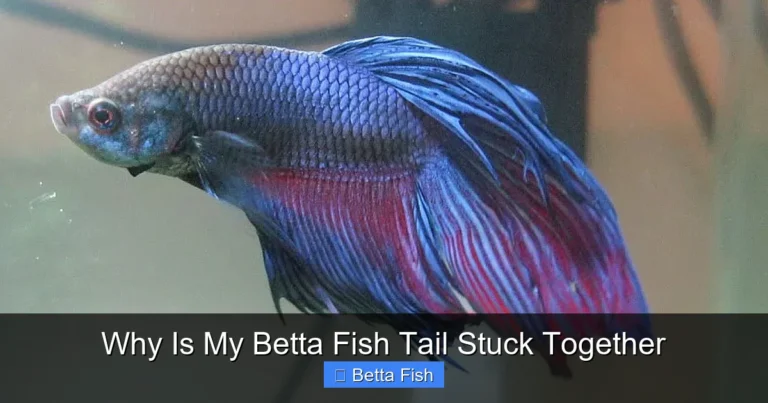
Why Is My Betta Fish Acting Crazy

Betta fish can exhibit frantic, erratic behavior for many reasons—from water quality issues to stress triggers. By checking tank conditions, diet, and health signs, you can quickly calm your finned friend and prevent serious problems.
Key Takeaways
- Water quality matters: Poor parameters are the top cause of hyper‑active bettas.
- Stress triggers: Over‑crowding, mirrors, and sudden changes can make a betta act “crazy.”
- Health check: Look for fin rot, parasites, or swim‑bladder issues that mimic frantic swimming.
- Diet matters: Over‑feeding or low‑quality food can cause digestive upset and odd behavior.
- Tank setup: Proper size, décor, and lighting create a calm environment.
- Observation is key: Regularly note changes; early detection prevents bigger problems.
- Seek help: When in doubt, consult a vet or experienced hobbyist.
📑 Table of Contents
- Introduction: When Your Betta Looks Like It’s on a Roller Coaster
- 1. Water Quality – The Hidden Culprit
- 2. Tank Size and Layout – Give Your Betta Space to Breathe
- 3. Stress Triggers – Mirrors, Tank Mates, and Sudden Changes
- 4. Health Issues That Mimic “Crazy” Behavior
- 5. Feeding Problems – Too Much, Too Little, or the Wrong Food
- 6. Practical Steps to Calm a “Crazy” Betta
- Conclusion: From Chaos to Calm
Introduction: When Your Betta Looks Like It’s on a Roller Coaster
Betta fish are famous for their vivid colors and flamboyant fins, but they can also put on a show that looks more like a movie stunt than a peaceful swim. If you’ve ever watched your betta dart around the tank, flare its fins at nothing, or bounce off the glass, you’ve probably wondered, why is my betta fish acting crazy? The good news is that most “crazy” behavior has a logical explanation, and most of the time you can fix it with a few simple adjustments.
In this article we’ll break down the most common reasons behind erratic betta behavior, show you how to spot warning signs, and give you step‑by‑step tips to bring calm back to your tank. Think of it as a friendly chat over a cup of tea, with plenty of practical examples you can try tonight.
1. Water Quality – The Hidden Culprit
Why water matters more than you think
Betta fish are native to shallow, warm waters of Southeast Asia. In the wild they experience stable temperature, low ammonia, and plenty of surface film. In a home tank, even a small shift in pH, ammonia, or nitrite can make a betta feel like it’s in a storm.

Visual guide about Why Is My Betta Fish Acting Crazy
Image source: dljs.net
Key parameters to check
- Temperature: Keep it steady between 76‑82°F (24‑28°C). Sudden drops cause frantic swimming.
- Ammonia & Nitrite: Both should read 0 ppm. Even a trace can irritate gills and trigger hyper‑activity.
- pH: Aim for 6.5‑7.5. Rapid swings stress the fish.
- Hardness: 3‑4 dGH is ideal; too soft water can affect the slime coat.
How to test and correct
Invest in a reliable test kit (liquid or strip). Test weekly, and perform a 25‑30 % water change if any parameter is out of range. Use a gentle water conditioner to neutralize chlorine and chloramine.
For a real‑world example, one hobbyist noticed his betta “spinning” near the surface. After testing, he found a hidden ammonia spike from over‑feeding. A 30 % water change and a reset feeding schedule stopped the frantic behavior within a day.
2. Tank Size and Layout – Give Your Betta Space to Breathe
Is your tank too small?
Many new owners start with a 1‑gallon bowl, thinking it’s enough for a single betta. In reality, a 5‑gallon tank provides more stable water parameters and room for natural swimming. A cramped space can make a betta dart around constantly, appearing “crazy.”

Visual guide about Why Is My Betta Fish Acting Crazy
Image source: luxurytravelmagazine.com
Decor and hiding spots
Betta fish love to explore. Adding live or silk plants, caves, and driftwood creates territories and reduces stress. Avoid sharp plastic ornaments that can tear delicate fins.
Lighting and day/night cycle
Provide 8‑10 hours of subdued light each day. Too much bright light can overstimulate the fish, leading to erratic bursts of activity.
3. Stress Triggers – Mirrors, Tank Mates, and Sudden Changes
The mirror effect
Betta males are territorial. When they see their reflection, they think another male is invading. This often results in rapid fin flaring, gill pumping, and darting – classic “crazy” behavior. Limit mirror exposure to a few minutes a day for conditioning, not entertainment.

Visual guide about Why Is My Betta Fish Acting Crazy
Image source: pics.dmm.co.jp
Incompatible tank mates
While some community tanks can house a single betta with peaceful species, many bettas will become aggressive or stressed, leading to frantic swimming. If you notice your betta constantly chasing or hiding, consider a solo setup.
Sudden changes
Moving the tank, changing décor, or even a loud noise can startle a betta. Introduce new items gradually and keep the environment as consistent as possible.
For more on stress‑related behavior, see our guide on why is my betta fish hiding.
4. Health Issues That Mimic “Crazy” Behavior
Swim‑bladder disorders
A compromised swim bladder can cause a betta to float sideways, upside‑down, or dart uncontrollably. This is often linked to over‑feeding, constipation, or infections.
Parasites and infections
Ich, velvet, or bacterial infections can irritate the skin and gills, making the fish rush to the surface for oxygen. Look for white spots, cotton‑like growth, or frayed fins.
Fin rot and tail loss
Fin damage can make a betta constantly adjust its position, appearing jittery. Early detection and treatment with aquarium‑safe antibiotics are crucial.
Read more about swim‑bladder signs in our article on why is my betta fish floating sideways.
5. Feeding Problems – Too Much, Too Little, or the Wrong Food
Over‑feeding symptoms
Excess food leads to bloating and constipation, which can press on the swim bladder. A constipated betta may dart around trying to relieve pressure.
Under‑feeding and malnutrition
Insufficient nutrition weakens the immune system, making the fish more prone to stress and erratic behavior.
Choosing the right diet
High‑quality betta pellets, occasional frozen or live foods (brine shrimp, daphnia), and a balanced feeding schedule (once or twice daily) keep digestion smooth.
If your betta is spitting out food, check out why is my betta fish spitting out food for troubleshooting tips.
6. Practical Steps to Calm a “Crazy” Betta
Immediate actions
- Check water parameters and perform a partial water change if needed.
- Observe for signs of illness (spots, torn fins, bloating).
- Remove mirrors and any aggressive tank mates temporarily.
- Reduce lighting to a dim, steady glow for 12 hours.
- Offer a small amount of high‑quality food; avoid over‑feeding.
Long‑term maintenance plan
- Test water weekly and change 25 % of the water every 1‑2 weeks.
- Keep the tank at a stable temperature with a reliable heater.
- Provide at least one hiding spot and gentle water flow.
- Feed a varied diet and fast one day per week to prevent constipation.
- Schedule a monthly visual health check; note any behavior changes.
Conclusion: From Chaos to Calm
Seeing your betta act like a tiny, fin‑flashing tornado can be unsettling, but most of the time the cause is simple and fixable. By keeping the water clean, providing adequate space, minimizing stress triggers, and monitoring health and diet, you’ll turn those frantic bursts into graceful glides.
Remember, a happy betta is a healthy betta. Keep an eye on the little details, act quickly when something seems off, and you’ll enjoy a vibrant, calm companion for years to come.
Frequently Asked Questions
Why is my betta swimming in circles?
Circling often points to a swim‑bladder issue, poor water quality, or a parasite infection. Check parameters and consider fasting for a day to relieve constipation.
Can a betta’s “crazy” behavior be a sign of illness?
Yes. Sudden erratic swimming can indicate ich, velvet, or fin rot. Look for additional symptoms like spots, discoloration, or frayed fins.
Is it normal for a betta to flare its fins constantly?
Frequent flaring usually means the fish feels threatened—by mirrors, other fish, or a sudden change in environment. Reduce stressors and give the betta a calm space.
How often should I change the water to prevent crazy behavior?
A 25‑30 % water change every week or two keeps ammonia low and maintains stable pH, which helps prevent stress‑induced erratic swimming.
My betta jumps out of the tank when it acts crazy. What should I do?
Jumping is a stress response. Ensure the tank has a tight-fitting lid, maintain proper water conditions, and remove any mirrors or aggressive tank mates.
Can décor cause my betta to act crazy?
Yes. Sharp or overcrowded décor can injure fins and increase stress. Use smooth, natural‑looking plants and provide open swimming space.