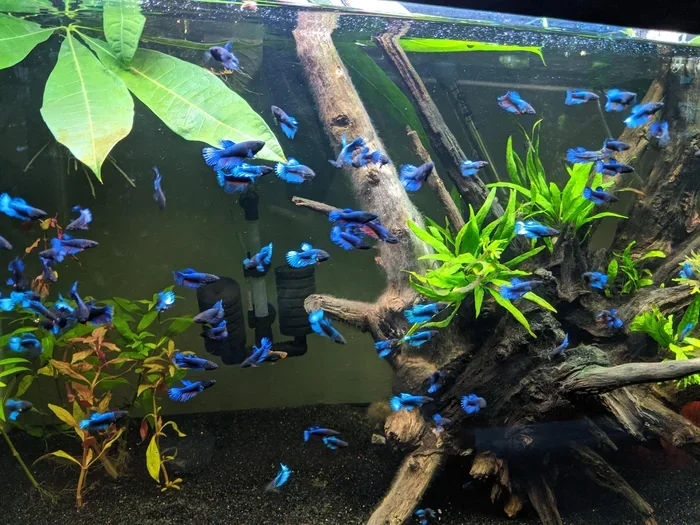
Can Betta Fish Become Obese

Betta fish can indeed gain excess weight, especially when over‑fed or kept in unsuitable conditions. Recognizing the symptoms early and adjusting diet, tank size, and activity levels will help prevent obesity and ensure a vibrant, long‑lived companion.
Key Takeaways
- Obesity is real for bettas: Over‑feeding and lack of exercise can cause excess fat deposits.
- Visible signs: Rounded belly, reduced swimming, and slower response to food.
- Proper diet matters: High‑protein, low‑fat foods and controlled portions keep weight in check.
- Tank environment influences health: Larger, filtered tanks encourage movement and prevent fat buildup.
- Regular monitoring: Weekly weigh‑ins or visual checks help catch weight gain early.
- Exercise options: Live foods, floating toys, and water flow create natural activity.
- Consult a vet if needed: Persistent obesity may signal underlying disease.
📑 Table of Contents
- Introduction: Why Weight Matters for Betta Fish
- 1. Understanding Betta Metabolism and Why They Gain Weight
- 2. Recognizing the Signs of Obesity
- 3. Crafting a Balanced Diet to Prevent Weight Gain
- 4. The Role of Tank Size and Environment
- 5. Exercise and Enrichment Strategies
- 6. Monitoring Weight and Health Over Time
- Conclusion: Keeping Your Betta Fit for Life
Introduction: Why Weight Matters for Betta Fish
When you first bring a bright‑colored betta home, the most exciting part is watching its flowing fins and bold personality. But just like any pet, a betta’s health goes beyond looks. One issue many hobbyists overlook is obesity. Yes, can betta fish become obese? The answer is a definite yes, and the consequences can be serious.
Obesity in bettas isn’t just a cosmetic problem. It can lead to sluggish swimming, poor digestion, weakened immune response, and a shorter lifespan. The good news is that preventing and treating excess weight is straightforward once you understand the causes and signs. This guide walks you through everything you need to know, from spotting a plump betta to creating a balanced feeding plan and designing an active tank environment.
1. Understanding Betta Metabolism and Why They Gain Weight
Natural metabolism of a betta
Betta fish are tropical, warm‑water species that evolved in shallow rice paddies and slow‑moving streams. Their metabolism is adapted to a diet of insects, larvae, and small crustaceans—foods that are high in protein but relatively low in fat.
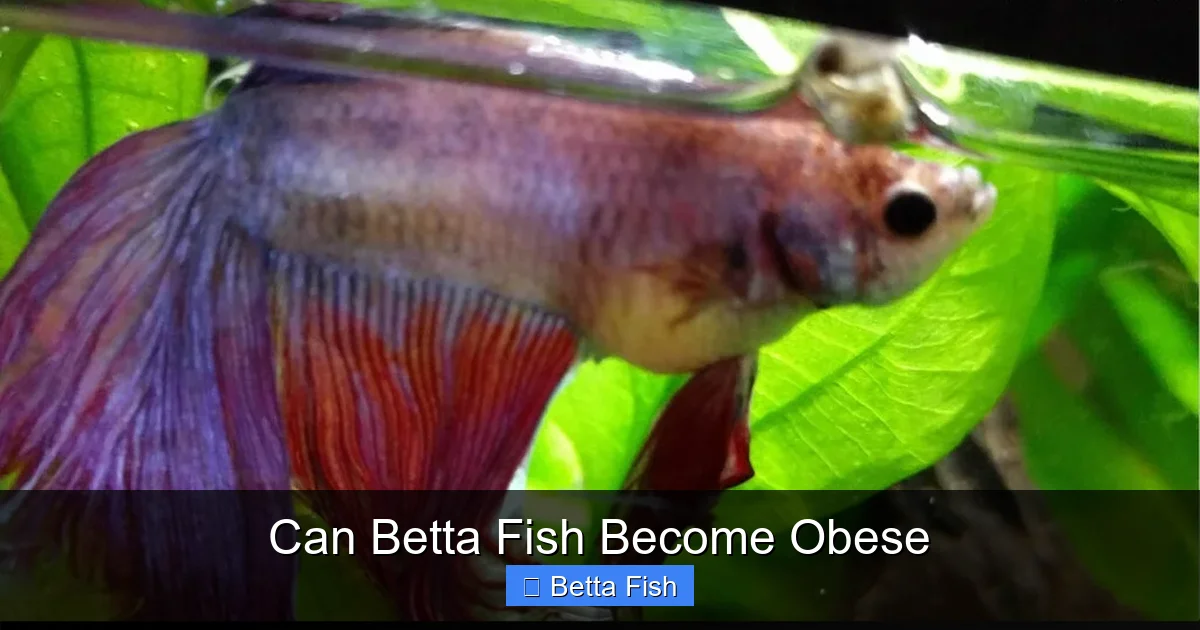
Visual guide about Can Betta Fish Become Obese
Image source: buildyouraquarium.com
How captive conditions change the equation
In a home aquarium, it’s easy to over‑feed. Commercial pellets are convenient, and many owners give multiple feedings per day out of love. Without the need to hunt, a betta’s caloric intake can quickly outpace the calories it burns, leading to fat storage in the abdomen and around the ribs.
2. Recognizing the Signs of Obesity
Visual cues
The most obvious sign is a rounded, “pot‑belly” appearance. A healthy betta has a streamlined profile with a slight taper toward the tail. When obese, the belly looks swollen, and the ribs become difficult to see even when the fish is viewed from the side.

Visual guide about Can Betta Fish Become Obese
Image source: hindigeetmala.net
Behavioral changes
- Reduced stamina – the fish may tire quickly during play or when you tap the tank.
- Slower response to food – an overweight betta may take longer to approach a feeding spot.
- Less frequent flaring – a plump betta often avoids the energy‑costly display of flaring its fins.
Health complications
Obesity can predispose bettas to fatty liver disease, swim‑bladder issues, and weakened immune function. If you notice any of these problems, act fast to adjust the diet and environment.
3. Crafting a Balanced Diet to Prevent Weight Gain
Choosing the right foods
The cornerstone of a healthy betta diet is high‑quality protein. Look for pellets that list “fish meal” or “crustacean meal” as the first ingredient and contain less than 5% fat. Freeze‑dried or live foods such as daphnia, bloodworms, and brine shrimp provide variety and stimulate natural hunting behavior.

Visual guide about Can Betta Fish Become Obese
Image source: i.pinimg.com
Portion control
Most bettas thrive on 2‑3 small meals per day, each no larger than the size of the fish’s eye. A good rule of thumb is to feed an amount that disappears within 2‑3 minutes. If any food remains, remove it to prevent over‑eating and water fouling.
Feeding schedule example
- Morning (8 am): 2‑3 pellets or a pinch of frozen brine shrimp.
- Afternoon (2 pm): A small handful of daphnia or a single bloodworm.
- Evening (7 pm): 2‑3 pellets again.
On weekends, you can reduce feeding to twice a day or offer a “fast day” to mimic natural fasting cycles.
Link to related nutrition article
For a deeper dive into what your betta can eat, see What Can Betta Fish Eat.
4. The Role of Tank Size and Environment
Why a larger tank matters
Many beginners keep bettas in tiny bowls, believing the fish can survive on a few milliliters of water. A small bowl limits swimming space, reduces water quality, and eliminates natural exercise. A 5‑gallon (19‑liter) tank with a gentle filter provides room to move, better oxygenation, and a more stable temperature—all factors that help burn excess calories.
Creating movement opportunities
- Use a low‑flow filter or a small powerhead to create a gentle current.
- Introduce floating toys or a small piece of driftwood for the betta to explore.
- Offer live foods that require chasing, such as mosquito larvae.
Plants and hiding spots
Live or silk plants give your betta places to rest and explore. A betta that can dart between leaves is more likely to stay active, reducing the chance of weight gain.
5. Exercise and Enrichment Strategies
Interactive feeding
Instead of dropping food in a single spot, use a feeding ring or scatter pellets across the surface. This encourages the betta to swim around the tank to find food, mimicking natural foraging.
Training tricks
Simple tricks, like teaching your betta to follow a finger or to swim through a hoop, provide mental stimulation and physical activity. Use positive reinforcement with a tiny treat after each successful attempt.
Companion considerations
While bettas are territorial, some compatible tank mates can add gentle activity. For example, a few peaceful snails or a single small shrimp can move around the tank, prompting the betta to investigate without aggression. Learn more about suitable companions in Can You Keep Betta Fish With Shrimp.
6. Monitoring Weight and Health Over Time
Visual weighing technique
Place a clear ruler or a piece of graph paper behind the tank. When the betta swims next to it, note the distance from the top of the head to the base of the tail. A healthy adult betta typically measures 2.5‑3 inches (6‑7.5 cm). A sudden increase of 0.2‑0.3 inches may indicate fat buildup.
Professional check‑ups
If you suspect severe obesity or notice lethargy, consult an aquatic veterinarian. Blood work can reveal liver fat accumulation, and a vet can recommend a tailored diet plan.
Conclusion: Keeping Your Betta Fit for Life
Answering the question “can betta fish become obese” with a confident “yes” reminds us that these beautiful creatures need more than just a pretty bowl. By understanding their natural metabolism, providing a balanced diet, ensuring ample space, and encouraging regular activity, you can keep your betta at a healthy weight and enjoy many years of vibrant color and lively behavior.
Remember, prevention is easier than cure. Start with small, consistent changes—measure portions, upgrade the tank, and add a few enrichment toys. Your betta will thank you with bright flares, energetic swims, and a long, happy life.
Frequently Asked Questions
Can betta fish become obese?
Yes, bettas can gain excess weight when over‑fed or kept in a tank that limits movement. Signs include a rounded belly and reduced activity.
What does an obese betta look like?
An obese betta has a noticeably swollen abdomen, may appear shorter, and often has less visible ribs. Their swimming may become slower and more labored.
How often should I feed my betta to avoid obesity?
Feed 2‑3 small meals per day, offering only what the fish can eat in 2‑3 minutes. On “fast days,” reduce feeding to once or twice.
Is a small bowl enough for a healthy betta?
No. A bowl restricts movement and can lead to weight gain. A minimum of 5 gallons with filtration provides space for exercise and better water quality.
Can tank mates help my betta stay slim?
Some peaceful companions, like snails or shrimp, can encourage gentle activity without triggering aggression. See Can You Keep Betta Fish With Shrimp for details.
What should I do if my betta is already overweight?
Gradually reduce portion sizes, increase tank water flow, and add enrichment toys. Monitor weight weekly and consult a vet if the condition doesn’t improve.