Can You Put a Betta Fish in with Other Fish
Betta fish are beautiful but territorial, so mixing them with other fish requires careful planning. This guide explains when it’s possible, which species are safest, and how to set up a tank that keeps everyone happy. Follow these tips to avoid stress and enjoy a thriving community tank.
Key Takeaways
- Tank size matters: A minimum of 20 gallons gives a betta room to establish territory.
- Choose peaceful, fast‑moving mates: Neon tetras, rasboras, and small catfish are good options.
- Avoid fin‑nippers and long‑finned fish: They trigger aggression in most bettas.
- Provide plenty of hiding spots: Plants, caves, and driftwood reduce stress for all inhabitants.
- Monitor behavior daily: Early signs of bullying mean it’s time to re‑home the aggressive fish.
- Water parameters must suit everyone: Keep temperature 76‑80 °F and pH 6.5‑7.5.
- Female bettas are generally more community‑friendly than males.
📑 Table of Contents
Introduction: The Betta’s Reputation
Betta fish, also called Siamese fighting fish, are famous for their vivid colors and flowing fins. In the wild they defend small territories in rice paddies, so many hobbyists assume they can’t live with anyone else. The truth is a little more nuanced. With the right tank size, compatible tank mates, and careful observation, you can put a betta fish in with other fish and enjoy a lively community aquarium.
This article breaks down everything you need to know—from choosing the right companions to setting up the perfect environment. Think of it as a friendly chat over coffee, where we’ll share practical tips, common mistakes, and real‑world examples.
1. Understanding Betta Behavior
Territorial instincts
Male bettas are especially protective of their space. They may flare their gills, spread their fins, and even bite if they feel threatened. Female bettas are usually less aggressive, but they can still defend a favorite spot.
Why some bettas get along
Stress levels, tank size, and the personality of the individual fish all play a role. A betta that has been raised with other fish from a young age is often more tolerant. Conversely, a solitary adult male is more likely to act like a lone ranger.
Key takeaway
Before you add any roommates, ask yourself: Is my betta already showing signs of aggression? If yes, start with a larger tank and very peaceful mates.
2. Choosing the Right Tank Mates
Best community candidates
Small, fast‑moving fish that occupy a different level of the tank tend to be the safest. Here are some proven winners:
- Neon tetras: Their bright blue line adds color without provoking the betta.
- Harlequin rasboras: They swim in schools and keep to the mid‑water column.
- Corydoras catfish: Bottom‑dwelling and peaceful, they help clean leftover food.
- Otocinclus algae eaters: Tiny grazers that rarely interact with bettas.
- Small peaceful loaches: Like the Kuhli loach, which hides in the substrate.
Fish to avoid
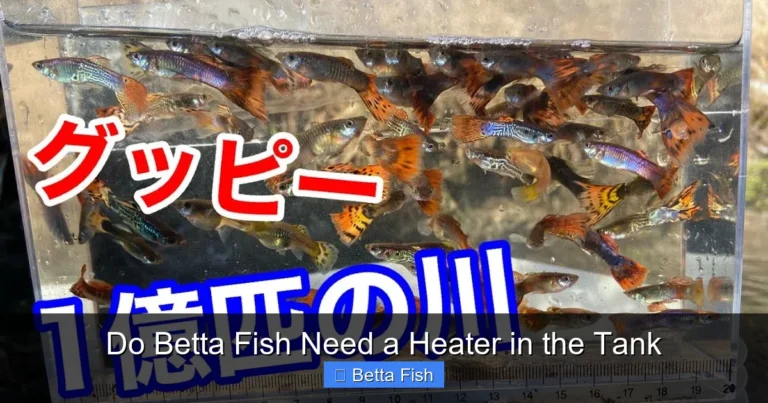
Any fish with long, flowing fins (e.g., guppies, fancy goldfish) can be mistaken for a rival. Fin‑nippers such as tiger barbs and larger, aggressive species like gouramis should also stay out of a betta’s neighborhood.
Real‑world example
One hobbyist reported success with a male betta, three neon tetras, and a pair of dwarf corydoras in a 20‑gallon tank. After a two‑week observation period, no aggression was noted, and the betta even displayed relaxed swimming patterns.
Internal link
For a deeper dive into compatible species, see our guide on what other fish can you put with a betta.
3. Tank Size and Layout
Why bigger is better
A cramped 5‑gallon bowl leaves no room for a betta to establish a personal zone, increasing stress. Aim for at least 20 gallons for a community setup. This gives the betta a “home base” and the other fish plenty of swimming space.
Creating zones
Use live plants, driftwood, and rock caves to break up sight lines. A betta will feel secure if it can retreat to a plant canopy, while other fish can use the open middle area for schooling.
Filtration and flow
Betas prefer gentle water movement. Choose a sponge filter or a low‑flow hang‑on‑back filter. Too strong a current can make the betta hide and become irritable.
Internal link
Need ideas for tank décor? Check out what can you put in a betta fish tank for plant and accessory suggestions.
4. Water Parameters That Suit Everyone
Temperature
Betas thrive at 76‑80 °F (24‑27 °C). Most tropical community fish share this range, making it a safe middle ground.
pH and hardness
A pH of 6.5‑7.5 and moderate hardness (5‑12 dGH) keep both bettas and their mates comfortable. Test your water weekly and perform 25‑30% water changes to maintain stability.
Acclimation tips
When adding new fish, use the drip method or a floating bag to gradually match temperatures. This reduces shock and helps the betta accept the newcomers.
5. Monitoring and Troubleshooting
Signs of stress
Watch for faded colors, clamped fins, or constant hiding. These indicate the betta or its mates are uncomfortable.
Dealing with aggression
If the betta repeatedly attacks a particular fish, consider moving the aggressor to a separate tank. Sometimes simply rearranging décor can break up a “line of sight” and calm tensions.
When to rehome
Never force a fish to stay if it’s being bullied. A healthy community benefits from all members feeling safe.
Internal link
For more on handling betta aggression, read can you put other fish in with a betta.
Conclusion: A Balanced Community Is Possible
So, can you put a betta fish in with other fish? Yes—provided you respect the betta’s territorial nature, choose peaceful companions, and give the tank enough space and hiding places. By following the steps outlined above, you can create a vibrant, low‑stress aquarium where the betta’s dazzling fins shine alongside a lively school of friends.
Remember, every betta has its own personality. Start slowly, observe closely, and be ready to adjust. With patience and the right setup, your betta can become a charismatic centerpiece of a thriving community tank.
Frequently Asked Questions
Can a male betta live with other fish?
Yes, a male betta can coexist with small, peaceful fish in a sufficiently large tank (20 gallons or more). Choose fast‑moving species and provide plenty of hiding spots.
Are female bettas better for community tanks?
Female bettas are generally less aggressive than males, making them a safer choice for community setups. They still need space and compatible tank mates.
What is the minimum tank size for a betta with other fish?
A minimum of 20 gallons is recommended. Smaller tanks increase stress and the likelihood of aggression.
Can bettas share a tank with shrimp?
Some shrimp, like cherry shrimp, can live with bettas if the shrimp are large enough to avoid being seen as food. However, be prepared for occasional predation.
How long should I observe a new betta community?
Watch the tank daily for at least two weeks. Look for signs of fin nipping, hiding, or color fading, and be ready to intervene if problems arise.
Do bettas need a heater when kept with other tropical fish?
Yes. Betta fish thrive at 76‑80 °F, which matches most tropical community fish. A reliable aquarium heater keeps the temperature stable for all inhabitants.