Do Betta Fish Sleep With Their Eyes Open Explained
Do betta fish sleep with their eyes open? Yes, they absolutely do. Unlike humans, bettas lack eyelids, so their eyes stay wide open even during deep rest. This unique trait often worries owners, but it is completely normal. Understanding their sleep habits helps you provide better care and a healthier tank environment.
Key Takeaways
- No Eyelids: Bettas physically cannot close their eyes, so they always appear awake during rest.
- Rest Periods: They enter a sleep-like state at night or during dark periods to conserve energy.
- Behavioral Signs: Look for stillness, faded colors, and floating near the bottom or plants instead of eye movement.
- Lighting Matters: Consistent light cycles help regulate their internal clock and improve sleep quality.
- Tank Setup: Provide hiding spots and calm water flow so they feel safe enough to rest.
- Health Check: Constant activity or erratic swimming may signal stress or illness, not normal sleep.
- Owner Interaction: Bettas can recognize you, but they need quiet downtime to stay healthy and vibrant.
📑 Table of Contents
- Do Betta Fish Sleep With Their Eyes Open Explained
- Why Do Betta Fish Sleep With Their Eyes Open
- How to Tell If Your Betta Is Actually Sleeping
- Do Bettas Have a Sleep Schedule Like Humans
- Tank Setup Tips for Better Betta Rest
- Health Checks When Open Eyes Look Worrying
- Frequently Asked Questions About Betta Sleep
Do Betta Fish Sleep With Their Eyes Open Explained
Many new fish keepers stare at their tank and wonder if their colorful pet is actually resting. You watch the fins drift. You notice the body stays still. Yet the eyes remain wide open. It looks strange at first. But this is completely normal for these amazing creatures. Do betta fish sleep with their eyes open? The short answer is yes. They simply lack the physical tools to shut their eyes. This fact surprises many owners, but it is just how their biology works.
Understanding betta rest helps you become a better caregiver. You will learn to spot real sleep versus stress. You will also set up a tank that supports healthy downtime. Let us dive into the science, the signs, and the simple steps you can take today.
Why Do Betta Fish Sleep With Their Eyes Open
The main reason is simple anatomy. Most fish do not have eyelids. Bettas follow this same rule. Without a movable lid, the eye stays exposed at all times. This design works well in water. The eye stays moist and protected by the surrounding liquid. Land animals need lids to keep dust out and moisture in. Fish do not face those same risks.
Their eyes also serve constant vigilance. In the wild, staying alert helps avoid predators. Even during rest, a quick glance can mean survival. Over time, evolution favored this open-eye resting style. Your home tank is safe, but the biology remains unchanged. The eyes stay open because they always have.
The Role of Rest in Fish Biology
Rest matters for every living creature. Fish need downtime to repair tissue, process food, and reset their nervous system. During these quiet periods, their metabolism slows. Breathing rates drop. Movement decreases. This state looks very much like sleep, even if it differs from mammal rest. Your betta still needs this cycle to stay strong and colorful.
How Light Affects Their Sleep Cycle
Light plays a huge role in fish rhythms. Bettas rely on day and night cues to know when to rest. Bright lights keep them active. Dim conditions signal it is time to slow down. A steady schedule helps their internal clock stay balanced. Sudden changes can confuse them and disrupt rest. Keeping a regular light routine supports healthy behavior.
How to Tell If Your Betta Is Actually Sleeping
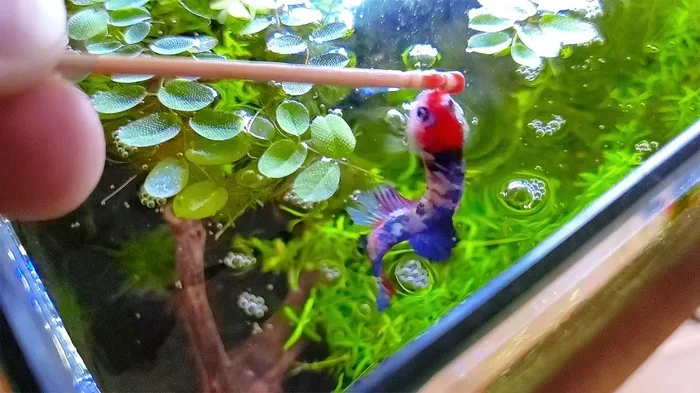
Since the eyes stay open, you need other clues. Watch the whole body, not just the face. A resting betta often floats in one spot. The fins may relax and look less spread out. The color can fade slightly. Breathing slows, so the gill movements become gentle and steady. These signs point to a true rest period.
Common Sleep Positions and Spots
Bettas choose different places to rest. Some hover near the surface. Others settle on the bottom. Many prefer to lean against a leaf, rock, or tank wall. You might see them lie flat or tilt slightly. This behavior is normal. They pick spots that feel secure and require little effort to hold. If you want to learn more about their resting posture, you can read about do betta fish lay down when they sleep to see what positions are typical.
Activity Levels During Rest
A sleeping betta stays mostly still. It may drift a little with the current. It will not chase food or flare at reflections. If you approach the tank, it might react slowly. This delayed response is common during rest. The fish is not ignoring you. It is simply in a low-energy state.
Do Bettas Have a Sleep Schedule Like Humans
Bettas do not follow a human clock. They rest when conditions allow. Most activity happens during daylight. Rest usually occurs when the tank darkens. Many owners notice their fish settle down after lights out. This pattern matches their natural rhythm. Consistency helps them feel secure and rested.
Day and Night Behavior Patterns
During the day, bettas explore, eat, and interact. They patrol their territory. They check for food. They respond to movement outside the tank. At night, the pace drops. The fish finds a quiet spot. It slows its breathing. It stays put for long stretches. This cycle repeats daily when the environment stays stable.
Signs of Disrupted Sleep in Bettas
Poor rest shows up in behavior. A tired betta may hide more. It might lose appetite. Colors can dull. Swimming may become sluggish or erratic. Stress from noise, light, or tank mates can break the rest cycle. If you notice these changes, check your setup. Small adjustments often restore normal patterns.
Quick Tip: Keep a simple log of light times and behavior. Patterns emerge quickly when you track them daily.
Tank Setup Tips for Better Betta Rest
A calm tank supports better downtime. Start with stable water. Clean water reduces stress and helps fish relax. Add gentle filtration. Strong currents force constant swimming, which drains energy. Smooth flow lets your betta conserve strength. Temperature matters too. A steady, comfortable range keeps metabolism balanced.
Lighting and Routine Best Practices
Use a timer for your tank light. Twelve hours on and twelve hours off works well for many setups. This schedule creates a predictable rhythm. Avoid bright room lights shining directly into the tank at night. Sudden glare can startle a resting fish. Dim the room gradually if possible. A smooth transition helps your betta settle.
Hiding Places and Comfort Zones
Bettas feel safer with cover. Live plants, silk plants, and smooth decorations offer resting spots. Choose items without sharp edges. Rough surfaces can damage delicate fins. Place a few options at different heights. This gives your fish choices. A secure corner or broad leaf often becomes a favorite nap place. For more on tank items that support comfort, see do betta fish have things inside their tank.
Common Mistake: Adding too many bright decorations or strong toys. These can overstimulate the tank and reduce quiet resting space.
Health Checks When Open Eyes Look Worrying
Open eyes are normal. But other symptoms can signal trouble. Watch for cloudiness, swelling, or discharge. Check for torn fins or rapid breathing. Note any white spots, slime, or unusual rubbing. These signs point to illness or poor water quality. Early action prevents bigger problems.
When to Worry About Eye Appearance
A healthy eye looks clear and smooth. The surface should not bulge. The area around the eye should not look inflamed. If you see changes, test your water first. Ammonia, nitrite, and nitrate levels affect overall health. Correcting water issues often improves appearance. If problems persist, consult a knowledgeable aquatic vet or expert.
Stress, Sleep, and Overall Wellness
Stress and rest connect closely. A stressed fish struggles to settle. Constant hiding or frantic movement suggests discomfort. Calm surroundings reduce tension. Regular feeding, clean water, and gentle lighting create a peaceful environment. Over time, these habits support stronger immunity and better rest. If you want to understand how bettas perceive their world, you may enjoy reading about do betta fish know their owner.
Expert Insight: Start with water testing before assuming illness. Many behavior changes trace back to simple parameter shifts.
Frequently Asked Questions About Betta Sleep
Do betta fish need complete darkness to rest?
No, they do not need total darkness, but dim conditions help them settle. A steady light cycle matters more than absolute blackness. Soft room light is usually fine if the tank light turns off.
How many hours a day do bettas rest?
Bettas typically rest for several hours each night when the tank darkens. They may also take short breaks during the day. The exact timing varies with age, health, and environment.
Can bettas sleep near the filter output?
They can, but strong flow may keep them from settling. If your fish avoids that area, reduce current or add a baffle. Calm water makes resting easier.
Do baby bettas sleep more than adults?
Young bettas often rest frequently because they grow quickly and use lots of energy. They may nap in short bursts throughout the day and night.
Should I leave the tank light on at night?
No, it is best to turn the light off. Continuous light can disrupt their rhythm and keep them active when they should rest. A timer helps maintain a healthy schedule.
What if my betta sleeps lying on its side?
Brief side lying can happen, but prolonged side resting may indicate a problem. Check water quality and watch for other symptoms. If you want more detail, read about do betta fish lay on their sides to understand when this behavior is normal.