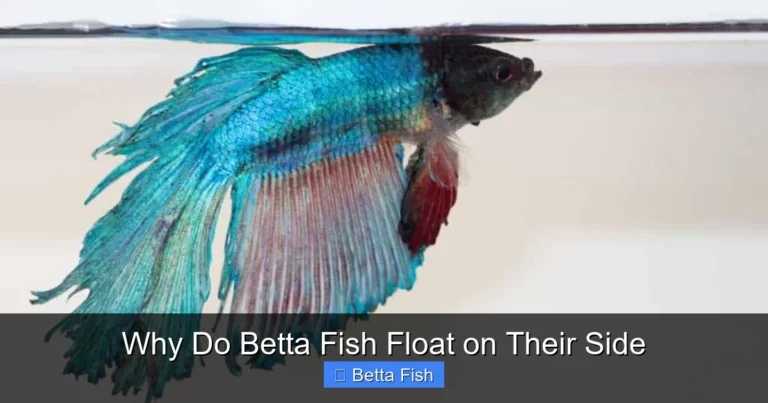
Do Betta Fish Like Filteration for a Healthy Tank

Do betta fish like filteration? Yes, they thrive in clean water, but strong currents cause stress. You must balance water quality with low flow to keep your pet healthy and happy.
Keeping a betta fish is a rewarding hobby. These colorful pets bring life to any room. However, many owners wonder about the best environment for them. One common question is about water movement. Do betta fish like filteration? The answer is yes, but with important conditions. You need to provide clean water without creating a stressful current.
Water quality is the most critical factor for fish health. Stagnant water leads to harmful bacteria and toxins. A filter helps circulate the water and remove waste. Yet, bettas originate from shallow, slow-moving streams in Southeast Asia. They are not built for strong rivers or fast currents. Therefore, your filtration choice must respect their natural behavior.
This guide will help you understand filtration needs. We will explore why filters are necessary. You will learn how to choose the right type. We will also cover signs of stress and maintenance tips. By the end, you will know how to create a perfect home.
Key Takeaways
- Clean Water is Essential: Filters remove harmful toxins like ammonia and nitrites from the tank.
- Gentle Flow Matters: Betta fish are not strong swimmers and prefer calm water conditions.
- Adjustable Filters Work Best: Choose equipment that lets you control the water movement speed.
- Regular Maintenance is Key: Clean your filter media regularly to maintain efficiency without disrupting bacteria.
- Tank Size Influences Choice: Larger tanks may need stronger filtration than small desktop bowls.
- Observe Your Fish: Watch for signs of stress like struggling against the current or hiding constantly.
- Alternatives Exist: Sponge filters and air stones provide gentle filtration options for sensitive fish.
📑 Table of Contents
- Why Do Betta Fish Like Filteration for Health?
- Do Betta Fish Like Filteration with Strong Currents?
- Do Betta Fish Like Filteration in Small Tanks?
- Do Betta Fish Like Filteration Without Noise?
- Do Betta Fish Like Filteration Maintenance Requirements?
- Do Betta Fish Like Filteration Alternatives?
- Conclusion
Why Do Betta Fish Like Filteration for Health?
Many beginners believe bettas live in puddles. While they can survive in low water, they thrive in cleaner conditions. In the wild, their environment is vast compared to a puddle. Waste accumulates quickly in small tanks. Without filtration, toxins build up to dangerous levels.
A filter performs several vital functions. It removes physical debris like uneaten food. It also hosts beneficial bacteria. These bacteria break down harmful ammonia into less toxic substances. This process is called the nitrogen cycle. It is essential for long-term fish health.
Do betta fish like filteration for this biological process? Absolutely. A stable nitrogen cycle prevents disease. It keeps the water clear and safe. Without it, you would need to change water constantly. This causes stress for the fish. A filter provides a stable environment.
Here are the main benefits of using a filter:
- Toxin Removal: Filters help process ammonia and nitrites naturally.
- Debris Control: They trap solid waste and leftover food particles.
- Water Circulation: Movement prevents dead spots where algae grows.
- Oxygenation: Surface agitation adds oxygen to the water column.
However, not all filters are suitable. You must consider the flow rate. A filter that is too powerful can harm your fish. We will discuss how to manage this later.
Do Betta Fish Like Filteration with Strong Currents?
This is the most important question for owners. Betta fish have long fins. These fins make swimming difficult in fast water. They are not built for speed. Strong currents force them to swim constantly. This exhausts them quickly.
Stress is a major concern with high flow. Stressed fish hide more often. They may refuse to eat. Their colors can fade over time. In severe cases, strong flow damages their delicate fins. Torn fins can lead to infection. Therefore, do betta fish like filteration that pushes them around? No, they do not.
You need to observe your fish behavior. If your betta is struggling, the flow is too high. Look for these signs of stress:
- Struggling: The fish cannot swim against the current easily.
- Hiding: The fish stays in corners or behind decorations constantly.
- Pale Colors: Stress causes vibrant colors to fade significantly.
- Lethargy: The fish appears tired or sleeps too much during the day.
If you see these signs, adjust your setup. You can baffle the filter output. Baffling means redirecting the water flow. You can use a sponge or a piece of plastic. This breaks the current into smaller streams. The water still moves, but gently.
Another option is changing the filter type. Some filters are designed for low flow. Sponge filters are a popular choice. They provide gentle movement and excellent biological filtration. Air-driven filters are also quiet and soft.
Adjusting Flow for Comfort
You can modify existing filters to suit your betta. Many hang-on-back filters have adjustable outflows. You can turn a knob to reduce the water return. This is the easiest solution for many tanks. If your filter lacks adjustment, use physical barriers.
Place large plants or decorations near the output. These obstacles break up the water stream. Live plants are excellent for this purpose. They also improve water quality naturally. Java fern and Anubias are hardy choices. They do not need strong light to grow.
Do Betta Fish Like Filteration in Small Tanks?
Tank size plays a huge role in filtration needs. Small bowls under five gallons are challenging. Waste concentrates faster in small volumes. A filter is highly recommended even in small tanks. However, space limits your options.
Do betta fish like filteration in a five-gallon tank? Yes, it is ideal. A five-gallon tank provides enough water volume. It dilutes toxins better than a bowl. You can use a small sponge filter here. It fits well and does not take up much space.
For tanks under five gallons, be extra careful. Strong filters can overwhelm the space. The water may become too turbulent. Consider a nano filter designed for small aquariums. Always check the flow rate specifications before buying.
Here is a comparison of filter types for different sizes:
| Tank Size | Recommended Filter | Flow Consideration |
|---|---|---|
| 1-3 Gallons | Sponge Filter or Air Stone | Very Low Flow |
| 5-10 Gallons | Hang-on-Back (Adjustable) | Low to Medium Flow |
| 10+ Gallons | Canister Filter (Low Setting) | Controlled Flow |
Remember that small tanks require more maintenance. You must test water parameters frequently. Ammonia spikes happen faster in small volumes. A filter helps, but it is not a magic solution. Regular partial water changes are still necessary.
Do Betta Fish Like Filteration Without Noise?
Noise is another factor to consider. Bettas can be sensitive to vibrations. Loud filters may startle them. This adds unnecessary stress to their environment. Most modern filters are designed to be quiet. However, some still produce humming or gurgling sounds.
Hang-on-back filters can sometimes gurgle. This happens if the water level drops slightly. You can fix this by adding water to the tank. Ensure the filter is properly primed. Canister filters are usually quieter. They sit outside the tank and hide the machinery.
Sponge filters are very quiet. They only make a slight bubbling sound. This is often soothing for owners. If you keep the tank in a bedroom, choose a silent option. Do betta fish like filteration that keeps them awake? No, they need rest too. Bettas sleep at night and during the day.
To reduce noise, check for loose parts. Vibrating motors can be secured with tape. Ensure the filter is level on the surface. Uneven placement causes splashing noises. Regular maintenance also prevents noise issues. Clogged filters work harder and sound louder.
Do Betta Fish Like Filteration Maintenance Requirements?
Owning a filter means owning a maintenance routine. Filters do not clean themselves forever. Waste accumulates in the filter media. If left too long, the filter becomes inefficient. It may even release toxins back into the water.
You should rinse filter media regularly. Use old tank water for this task. Never use tap water directly. Tap water contains chlorine. Chlorine kills the beneficial bacteria inside the filter. This breaks your nitrogen cycle. Use a bucket of water you removed during a water change.
Do betta fish like filteration that is dirty? No, they need clean media. Replace carbon cartridges every month. Sponge filters need rinsing every few weeks. Check the flow rate during cleaning. If the flow slows down, it is time to clean.
Here is a simple maintenance schedule:
- Weekly: Check water parameters and flow rate.
- Bi-Weekly: Rinse sponge or mechanical media in tank water.
- Monthly: Replace chemical media like carbon.
- Quarterly: Inspect impellers and motor parts for debris.
Proper maintenance ensures longevity. It keeps your fish healthy and safe. It also saves money on replacements. A well-maintained filter lasts for years.
Do Betta Fish Like Filteration Alternatives?
Sometimes you cannot use a standard filter. Perhaps the tank is too small. Or maybe the fish is extremely sensitive. There are alternatives to traditional filtration. These methods still support water quality.
Air stones are a simple option. They pump air into the water. This creates bubbles and surface agitation. It adds oxygen and moves water gently. It is not a full filter, but it helps. You can combine an air stone with a sponge.
Live plants are another natural alternative. Plants absorb nitrates from the water. They act as a biological filter. A heavily planted tank may need less mechanical filtration. However, you still need some water movement. Stagnant water harms plant roots too.
Frequent water changes are the last resort. If you have no filter, you must change water often. This removes toxins manually. It is labor-intensive but effective. Do betta fish like filteration alternatives? They prefer stability. Consistent water quality is better than constant changes.
Consider these alternatives if needed:
- Sponge Filters: Gentle, cheap, and effective for bacteria.
- Air Stones: Good for oxygenation and slight movement.
- Live Plants: Natural nitrate absorbers and hiding spots.
- Manual Changes: Required if no filter is present.
Conclusion
So, do betta fish like filteration? The answer is a clear yes, provided it is gentle. Clean water is non-negotiable for their health. Toxins build up quickly without filtration. However, strong currents cause stress and physical harm.
Choose a filter that matches your tank size. Adjustable flow rates are ideal. Sponge filters are excellent for beginners. They provide safety and cleanliness without turbulence. Always monitor your fish for signs of stress. Adjust your setup if they struggle.
Maintenance is part of the process. Keep your filter media clean using tank water. This preserves the beneficial bacteria. A healthy filter means a healthy fish. With the right setup, your betta will thrive. They will show vibrant colors and active behavior.
Take action today. Check your current filter flow. Observe your fish behavior. Make changes if needed. Your betta deserves a safe and clean home.
Frequently Asked Questions
Do betta fish need a filter in a bowl?
Yes, even in a bowl, a filter helps maintain water quality. However, ensure the flow is very gentle to avoid stressing the fish.
Can a filter kill a betta fish?
A filter itself will not kill a fish, but strong currents can cause exhaustion or fin damage. Always adjust the flow to be safe.
What is the best filter for a betta fish?
Sponge filters are often the best choice because they provide gentle flow and excellent biological filtration for sensitive fish.
How often should I clean my betta filter?
You should rinse the filter media every two to four weeks. Use old tank water to protect the beneficial bacteria inside.
Do betta fish sleep better with a filter?
Yes, a quiet filter helps maintain stable conditions for sleep. Loud or vibrating filters may disturb their rest periods.
Is air stone filtration enough for bettas?
An air stone adds oxygen and movement but does not remove waste effectively. It is best used alongside a sponge filter or plants.