What Can We Feed Betta Fish
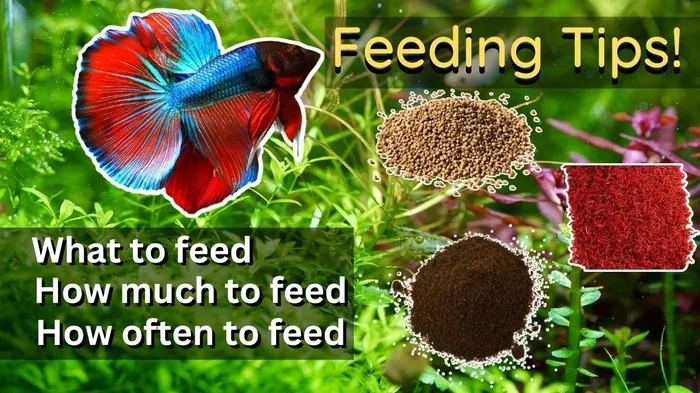
So, what can we feed betta fish? The answer is wider than most people think. Bettas thrive on a mix of high-quality pellets, frozen brine shrimp, cooked peas, and select vegetables. This guide covers every safe food option, feeding schedules, and common mistakes to keep your betta healthy and vibrant.
If you own a betta fish, you have probably stared at your tank and wondered what to give your colorful friend next. The question of what can we feed betta fish comes up constantly among new and experienced fish keepers alike. Bettas are not picky eaters, but they do need the right balance of nutrients to stay healthy, vibrant, and active.
Many people assume bettas only eat one type of food. That is far from the truth. In the wild, bettas hunt insects, larvae, and small creatures. In your home tank, you can replicate that diet with a mix of commercial foods, frozen treats, and even some vegetables. The key is knowing what is safe and what is not.
This guide breaks down every food option you should consider. We will cover betta fish pellets, frozen meats, vegetables, and foods to avoid. By the end, you will have a clear feeding plan that keeps your betta thriving.
Key Takeaways
- Variety is key: A balanced betta diet includes pellets, frozen foods, vegetables, and occasional treats.
- Avoid overfeeding: Feed small amounts 1-2 times daily to prevent health problems.
- Not all human food is safe: Some foods like bread and crackers can harm your fish.
- Live and frozen foods boost nutrition: Bloodworms, brine shrimp, and daphnia are excellent protein sources.
- Vegetables aid digestion: Cooked peas and lettuce help prevent constipation in bettas.
- Consistency matters: Stick to a regular feeding schedule for optimal betta fish health.
📑 Table of Contents
Understanding Betta Fish Nutrition
Before diving into specific foods, it helps to understand what bettas actually need. Bettas are carnivorous fish with a high protein requirement. Their digestive systems are designed to process animal-based proteins, not carbohydrates. This is why feeding them the wrong foods can cause serious health issues.
Protein Requirements
A healthy betta diet should contain about 30-45% protein. In the wild, bettas eat mosquito larvae, small insects, and tiny crustaceans. These are all high-protein foods. When choosing commercial foods, look for options where fish meal or shrimp meal is listed as the first ingredient.
Protein gives bettas energy, supports their immune system, and keeps their colors bright. Without enough protein, bettas become dull, lethargic, and prone to illness.
Fat and Fiber Needs
Fats provide concentrated energy for bettas. A moderate fat content of around 5-10% is ideal. Fiber is often overlooked but plays an important role in digestion. Bettas need some fiber to process food properly and avoid constipation. This is where vegetables come in.
Best Commercial Foods for Bettas
Commercial foods form the foundation of most betta diets. They are convenient, nutritionally balanced, and widely available. But not all commercial foods are created equal.
Betta Pellets
Betta fish pellets are the most popular choice among fish keepers. Quality pellets are specifically formulated for bettas. They sink slowly, which is perfect because bettas prefer to eat from the middle or top of the water column. Look for pellets that float or sink gently.
When choosing pellets, check the ingredient list. Avoid brands filled with fillers like corn starch and wheat flour. The best pellets list whole fish or shrimp as the primary protein source.
Betta Flakes
You might wonder about betta fish flake food. Flakes are cheaper and more widely available, but they are not ideal for bettas. Flakes break apart quickly in water, creating mess and cloudiness. They also lack the protein density bettas need. If you must use flakes, choose a high-protein tropical flake and feed sparingly.
That said, flakes can work as an occasional food. Just do not make them the staple of your betta’s diet.
Freeze-Dried Foods
Freeze-dried bloodworms and daphnia are excellent betta fish treats. They are lightweight, long-lasting, and packed with protein. Always soak freeze-dried foods before feeding. If you drop a dry pellet into the tank, it can expand inside your betta’s stomach and cause bloating.
Soak freeze-dried foods for 2-3 minutes before offering them. This makes them safe and easy to digest.
Frozen and Live Foods
Frozen and live foods are some of the best options for bettas. They closely mimic what bettas eat in the wild. These foods are rich in protein and nutrients that commercial pellets sometimes lack.
Brine Shrimp
One of the most popular treats for bettas is brine shrimp. You can buy frozen brine shrimp cubes or live cultures. Frozen brine shrimp are easy to store and thaw. Just drop a small cube into the tank and watch your betta go crazy with excitement.
Brine shrimp are not a complete diet on their own. Use them as a supplement 2-3 times per week alongside regular pellets. This keeps mealtime exciting and boosts nutrition.
Bloodworms
Bloodworms are another favorite among betta fish. You can find them frozen or freeze-dried. Frozen bloodworms retain more nutrients and are the better choice. Feed bloodworms in small amounts, about 2-3 worms per feeding, once or twice a week.
Some bettas become obsessed with bloodworms and refuse pellets. If this happens, limit bloodworm treats and encourage your betta to eat its regular diet. Variety is important, but pellets should remain the main food source.
Daphnia
Daphnia, also called water fleas, are tiny crustaceans that make excellent betta food. They are rich in fiber and help with digestion. Frozen daphnia cubes are easy to find at most pet stores. Many fish keepers use daphnia as a natural remedy for constipation in bettas.
Live Foods
Live foods like earthworms and mosquito larvae are fantastic for bettas. They provide natural hunting stimulation and top-notch nutrition. If you collect worms from your garden, make sure they are clean and free of pesticides.
You can also feed your betta sea monkeys or baby brine shrimp if you have a culture going. Live foods make bettas more active and engaged, which is great for their mental health.
Vegetables and Plant-Based Foods
You might be surprised to learn that bettas benefit from some plant-based foods. Vegetables provide fiber that aids digestion and prevents constipation. But not all vegetables are safe.
Cooked Peas
One of the most recommended vegetables for bettas is cooked peas. Peas are high in fiber and help push food through the digestive tract. Always remove the outer skin before feeding. Soft, shelled peas should be mashed into small pieces and offered in tiny amounts.
Feed peas once a week as a digestive aid. They are especially helpful if your betta shows signs of bloating or constipation.
Lettuce and Spinach
Leafy greens like lettuce and spinach can also be offered to bettas. Blanch them briefly in hot water to soften, then cut into small pieces. Remove any uneaten portions after a few hours to keep the tank clean.
These vegetables are not a primary food source. Think of them as a healthy supplement that adds variety to your betta’s meals.
Cucumber and Zucchini
Soft vegetables like cucumber and zucchini work well too. Slice them thin, blanch briefly, and drop a small piece in the tank. Remove leftovers promptly to prevent water quality issues.
Human Foods: What Is Safe?
The question of what can we feed betta fish often leads to the topic of human food. Some human foods are safe in moderation, while others can be dangerous.
Safe Human Foods
Cooked, unseasoned chicken is safe for bettas in tiny amounts. It provides a protein boost. Make sure it is fully cooked and free of oils, salts, and seasonings. Offer a small piece no bigger than your betta’s eye.
Egg whites, scrambled without oil or seasoning, are another safe option. They are packed with protein and most bettas love them. Feed egg white sparingly, as too much can cloud your tank water.
Foods to Avoid
Many common human foods are harmful to bettas. Bread and crackers contain fillers and carbohydrates that bettas cannot digest. They can cause bloating and swim bladder issues. Peanut butter is too fatty and oily for fish.
Avoid feeding rice, pasta, or processed foods. These offer no nutritional value and can seriously harm your fish. Stick to foods that are natural and protein-rich.
Feeding Schedule and Portions
How often you feed your betta matters just as much as what you feed. Overfeeding is one of the most common mistakes fish keepers make. It leads to obesity, poor water quality, and digestive problems.
Daily Feeding Routine
Feed your betta 2-3 small meals per day. Each meal should be about the size of your betta’s eye. A good routine is pellets in the morning and a frozen treat like brine shrimp in the evening. This mimics natural eating patterns and keeps your betta satisfied.
Some fish keepers prefer feeding once a day with a larger portion. This works for adult bettas but watch for signs of overfeeding. If your betta leaves food uneaten, reduce the portion size.
Signs of Overfeeding
Watch for these warning signs:
- Food sitting on the tank bottom for more than 5 minutes
- Your betta becoming lethargic after eating
- Cloudy water shortly after feeding
- A bloated or swollen belly
- Betta refusing food at the next mealtime
If you notice any of these, reduce the amount and frequency of feedings. Better yet, skip a meal once a week. This gives your betta’s digestive system a chance to clear out.
Common Feeding Mistakes to Avoid
Even experienced fish keepers make feeding mistakes. Here are the most common ones and how to avoid them.
Feeding Too Much
The biggest mistake is overfeeding. Bettas have small stomachs, roughly the size of their eye. A handful of pellets is way too much. Stick to small, controlled portions. Remember that uneaten food decays quickly and tanks your water quality.
Relying on One Food Type
Feeding only pellets or only flakes creates nutritional gaps. Your betta needs variety to get all the vitamins and minerals it requires. Rotate between pellets, frozen foods, and occasional vegetables for the best results.
Ignoring Food Quality
Cheap fish foods are filled with fillers and artificial colors. They offer little nutritional value. Invest in a quality betta pellet or frozen food brand. Your betta’s health and color depend on what you feed it.
Expert Tips for a Healthy Betta Diet
Here are some pro tips that make a real difference in your betta’s health and lifespan.
- Soak all dry foods before feeding to prevent stomach expansion.
- Remove uneaten food within 5 minutes to maintain water quality.
- Fast your betta one day per week to support digestion.
- Watch for food allergies or sensitivities. Some bettas refuse certain foods, and that is normal.
- Change up the diet regularly to keep your betta interested and healthy.
A well-fed betta is a happy betta. You will notice brighter colors, more energy, and a stronger appetite. Feeding might seem simple, but getting it right makes all the difference.
Conclusion
So, what can we feed betta fish? The answer is a varied diet of quality pellets, frozen brine shrimp, bloodworms, cooked vegetables, and occasional safe human foods. Avoid overfeeding, skip the bread and crackers, and always prioritize protein-rich options. With the right feeding routine, your betta will live a long, healthy, and colorful life.
Take some time today to review what you are currently feeding your betta. Small changes can lead to big improvements. Your fish will thank you with vibrant colors and lively behavior every time you approach the tank.
Frequently Asked Questions
Can betta fish eat goldfish food?
No, goldfish food is not ideal for bettas. It is formulated for omnivorous fish and lacks the high protein levels bettas need. Feeding goldfish food regularly can lead to nutritional deficiencies and poor health.
How often should I feed my betta fish?
Feed your betta 2-3 small meals per day. Each meal should be about the size of your betta’s eye. Some keepers prefer once-daily feeding for adult bettas, but twice daily works well for most fish.
Can betta fish eat vegetables?
Yes, bettas can eat certain vegetables in moderation. Cooked peas, lettuce, spinach, and zucchini are all safe options. Vegetables provide fiber that aids digestion and helps prevent constipation in bettas.
What human foods are safe for betta fish?
Cooked, unseasoned chicken and plain scrambled egg whites are safe in tiny amounts. Always avoid bread, crackers, peanut butter, and processed foods. These contain ingredients that are harmful to fish.
Can betta fish eat only bloodworms?
Bloodworms should be treated as a supplement, not a staple diet. They are high in protein but lack the full range of nutrients bettas need. Feed bloodworms 1-2 times per week alongside regular pellets for a balanced diet.
Is overfeeding a betta fish dangerous?
Yes, overfeeding is one of the most common causes of health problems in bettas. It leads to obesity, digestive issues, and poor water quality. Uneaten food decays quickly and can spike ammonia levels in the tank, which is dangerous for all fish.